Brush Weatherstripping for Better Sealing

Get a Free Quote

Our representative will contact you soon.
Email
Name
Mobile
Company Name
Message
0/1000

brush weatherstripping

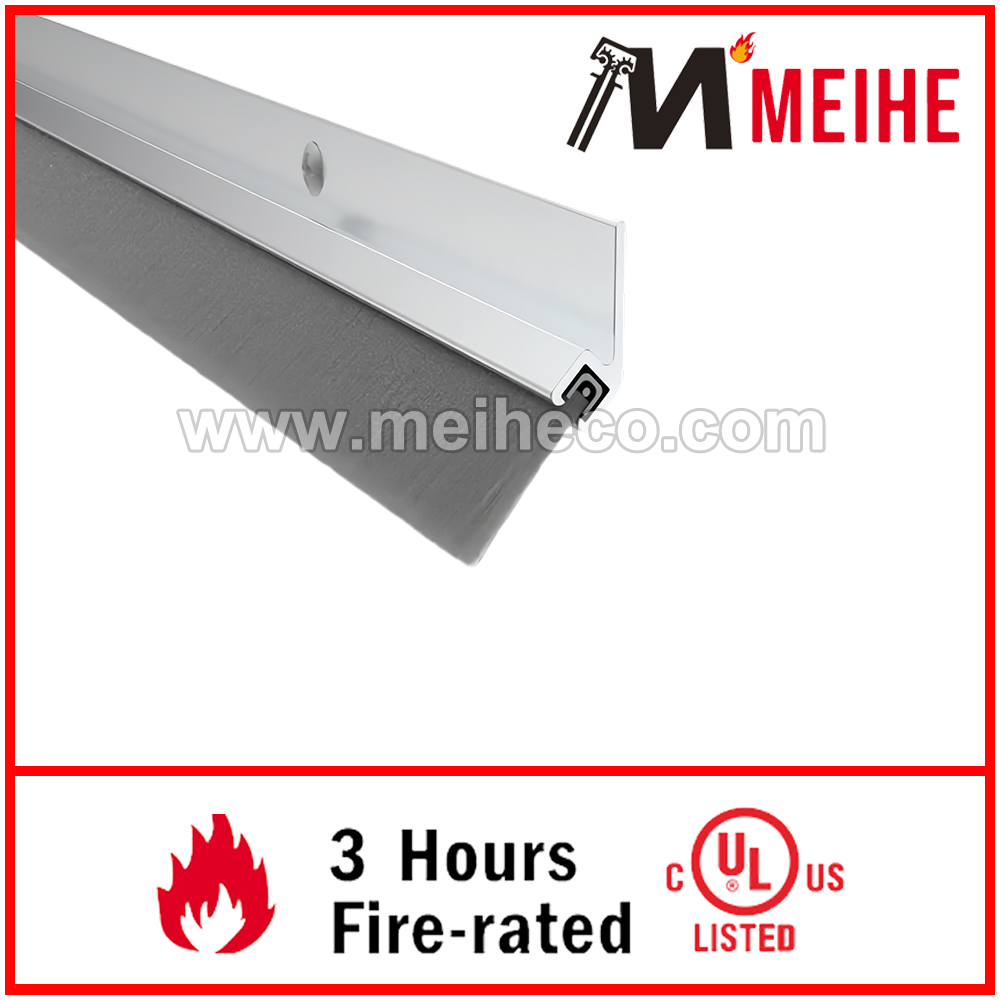
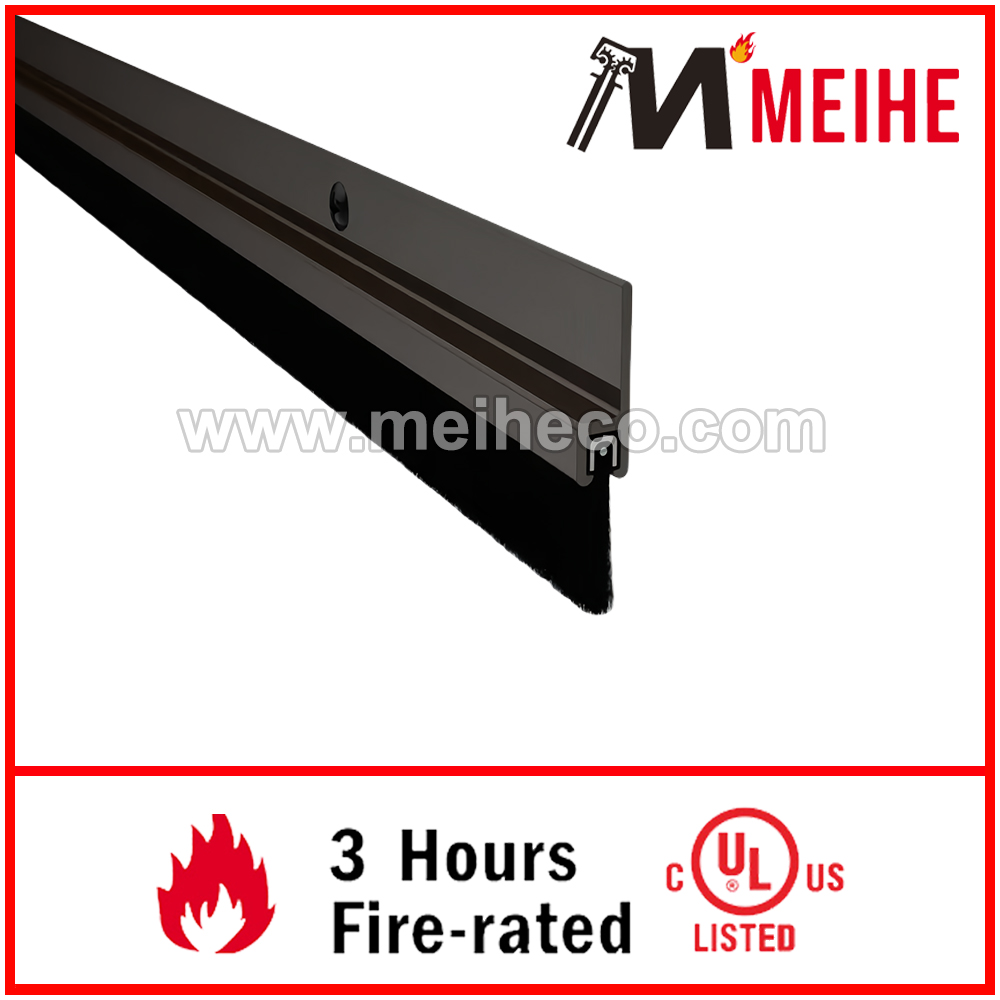
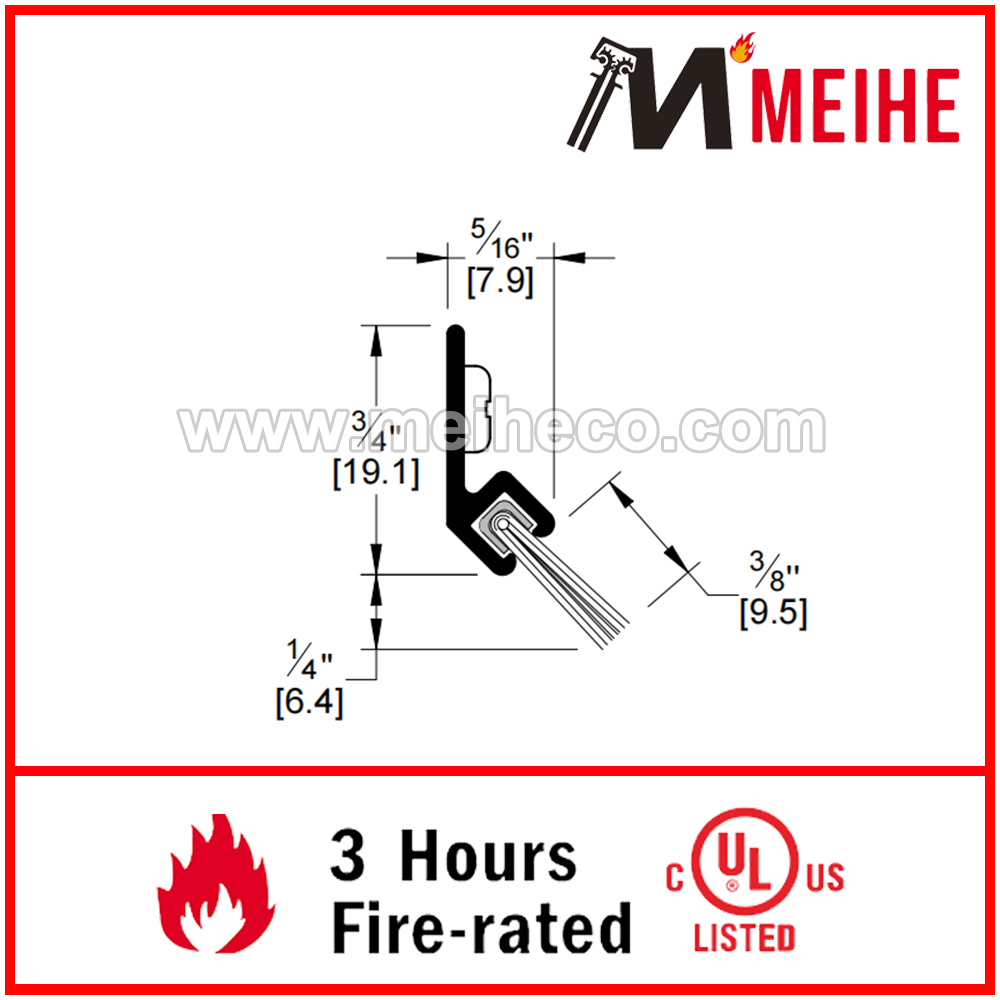
Brush weatherstripping is a flexible sealing product that uses dense bristles fixed to a carrier strip. It closes small gaps around moving or stationary parts while allowing doors, panels, rollers, and shafts to operate smoothly. The main purpose of brush weatherstripping is to block drafts, dust, light, insects, moisture, and noise without creating the heavy friction associated with solid rubber seals. A brush weatherstripping seal can follow uneven surfaces and tolerate regular movement, making it useful where gaps change during operation. Common carriers include aluminum, steel, plastic, and self adhesive backing. The bristles may use nylon, polypropylene, or other durable fibers selected for temperature, wear, and chemical conditions. Modern brush weatherstripping can include straight, angled, or flexible filaments, as well as custom lengths, profiles, densities, and colors. These options help buyers match the brush weatherstripping to a particular clearance and operating environment. For doors and windows, brush weatherstripping reduces air leakage and improves indoor comfort. In machinery, brush weatherstripping helps protect bearings, guides, and enclosed areas from dirt while preserving movement. Conveyor systems use brush weatherstripping to contain loose materials and reduce product loss. The brush weatherstripping installation process usually involves cutting the strip to length, positioning the carrier, and securing it with screws, clips, adhesive, or a slide-in channel. Because brush weatherstripping bends around curves and handles frequent contact, it suits equipment access doors, cabinets, clean rooms, transport systems, and industrial enclosures. When selected correctly, brush weatherstripping provides a practical balance of sealing performance, flexibility, service life, and installation simplicity.

New Product Recommendations

Brush weatherstripping gives buyers a simple way to close gaps without stopping normal movement. Its bristles create a soft contact point, so doors, drawers, sliding panels, and rotating parts can pass with less resistance. This makes brush weatherstripping a strong choice when a rigid gasket would drag, tear, or prevent smooth operation. It also reduces air exchange, dust entry, light leakage, and pest access, helping users maintain cleaner, more comfortable, and better controlled spaces. In many buildings, brush weatherstripping can lower drafts around entrances and service openings, which supports more consistent indoor temperatures and may reduce heating or cooling waste. The product also helps limit operating noise by covering open clearances around machinery and access panels. For industrial users, brush weatherstripping protects internal components from loose particles while allowing inspection doors and moving assemblies to function normally. Its forgiving design handles uneven surfaces and small alignment changes better than many hard seals. Buyers can choose different bristle lengths and densities to match the gap, contact pressure, and protection level required. A short, dense profile may suit fine dust control, while longer fibers can cover wider or changing gaps. Brush weatherstripping also offers useful installation flexibility. Suppliers commonly provide adhesive, screw-on, clip-on, and channel-mounted versions, so customers can select a fitting method that suits the surface and maintenance plan. Cutting the material on site can reduce waste and simplify replacement. The product works across commercial doors, warehouse openings, window frames, conveyors, cabinets, vehicle bodies, packaging lines, and automated equipment. Before ordering brush weatherstripping, buyers should confirm gap size, movement direction, temperature, exposure, carrier material, and required strip length. These checks improve fit, extend service life, and prevent overpaying for an unsuitable profile.

Tips And Tricks

How Continuous Geared Hinges Support Heavy Commercial Doors

22

Sep

How Continuous Geared Hinges Support Heavy Commercial Doors

Heavy commercial doors face unique mechanical demands that standard hinges simply cannot meet. From hospital corridors to industrial facilities, the pressure to maintain reliable door operation under constant use requires specialized hardware designe...
View More
How Continuous Door Hinges Handle Heavy Traffic in Commercial Spaces

22

Sep

How Continuous Door Hinges Handle Heavy Traffic in Commercial Spaces

Commercial spaces demand door hardware that can withstand relentless daily use without compromising safety or functionality. A continuous door hinge represents one of the most effective solutions for managing high-traffic environments, from hospitals...
View More
Can Continuous Door Hinges Reduce Maintenance Needs for Heavy Doors

28

Sep

Can Continuous Door Hinges Reduce Maintenance Needs for Heavy Doors

Heavy doors present unique operational challenges across industrial, commercial, and institutional facilities. Standard pivot hinges and barrel hinges often fail prematurely under constant use, requiring frequent repairs and replacement that disrupt ...
View More
How Astragals Reduce Air Leakage Between Doors

29

Oct

How Astragals Reduce Air Leakage Between Doors

Air leakage between doors represents one of the most common yet preventable sources of energy loss in buildings. Whether in commercial offices, retail spaces, or residential properties, gaps around door frames allow heated or cooled air to escape, fo...
View More

Get a Free Quote

Our representative will contact you soon.
Email
Name
Mobile
Company Name
Message
0/1000

brush weatherstripping

Flexible Sealing Around Moving Parts

Flexible Sealing Around Moving Parts

The key value of brush weatherstripping is its ability to seal while parts keep moving. The bristles bend as a door closes, a panel slides, or a shaft turns, then return to position after contact. This flexibility helps brush weatherstripping cover uneven gaps without demanding exact alignment. It also reduces friction, scratching, and operating effort compared with many solid seals. For equipment designers, that means smoother motion and fewer interruptions caused by binding or damaged gaskets. For facility managers, brush weatherstripping can improve the performance of service doors, access hatches, drawers, and machine guards without changing the basic design. Buyers can select fiber length and density according to the gap and movement speed. A compact profile suits narrow clearances, while longer bristles reach across wider spaces. This adjustable approach makes brush weatherstripping useful for both light commercial installations and demanding production equipment.
Reliable Protection Against Everyday Contaminants

Reliable Protection Against Everyday Contaminants

Brush weatherstripping helps stop common contaminants before they enter a protected area. Closely packed fibers slow drafts and block dust, insects, light, chips, and loose material around openings. In a warehouse or workshop, brush weatherstripping can reduce the amount of dirt reaching cabinets, guides, bearings, and stored goods. On conveyors, the material can help contain powder, grain, or small parts, supporting cleaner operation and reducing product loss. Brush weatherstripping also supports better comfort around building doors and windows by limiting unwanted airflow. Its open fiber structure allows gentle contact, so it does not need excessive pressure to work effectively. Buyers can choose materials suited to indoor, outdoor, humid, or higher temperature locations. With the correct carrier and filament, brush weatherstripping maintains useful coverage through repeated opening cycles. This practical protection can reduce cleaning time, support equipment reliability, and improve the working environment without adding a complicated sealing system.
Easy Sizing, Installation, and Replacement

Easy Sizing, Installation, and Replacement

Brush weatherstripping supports fast installation and straightforward maintenance. Many profiles can be cut to the required length with common workshop tools, allowing customers to fit doors, panels, or machine sections on site. Brush weatherstripping is available with adhesive backing, predrilled carriers, clips, or channel systems, giving installers several ways to match the mounting surface. This flexibility reduces project delays and makes replacement easier when fibers eventually wear. A removable channel version can support planned maintenance, while adhesive brush weatherstripping can provide a clean solution for smooth surfaces. Buyers can also order standard lengths or request custom dimensions when a project has unusual openings. Before installation, users should measure the gap, check the contact path, clean the mounting area, and confirm that the bristles are not compressed too tightly. These simple steps help brush weatherstripping seal consistently and last longer. The result is a practical component that combines easy fitting, low maintenance, and dependable day-to-day performance.

Get a Free Quote

Our representative will contact you soon.
Email
Name
Mobile
Company Name
Message
0/1000