
 EN



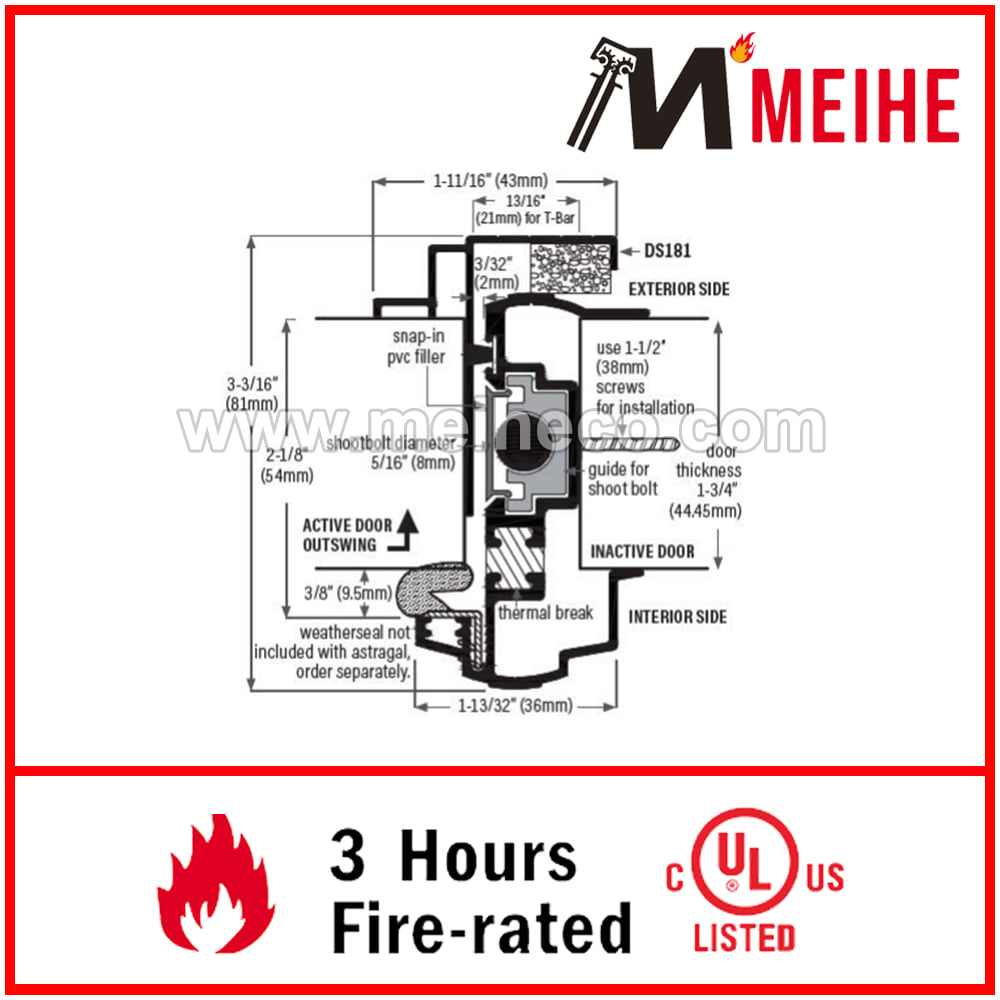
Air leakage between doors represents one of the most common yet preventable sources of energy loss in buildings. Whether in commercial offices, retail spaces, or residential properties, gaps around door frames allow heated or cooled air to escape, forcing HVAC systems to work harder and increasing utility costs. An astragal is a sealing device installed between double doors or along door frames that effectively blocks these air passages. Understanding how an astragal functions and why it matters for building performance is essential for facility managers, property owners, and construction professionals seeking to improve energy efficiency and indoor climate control.
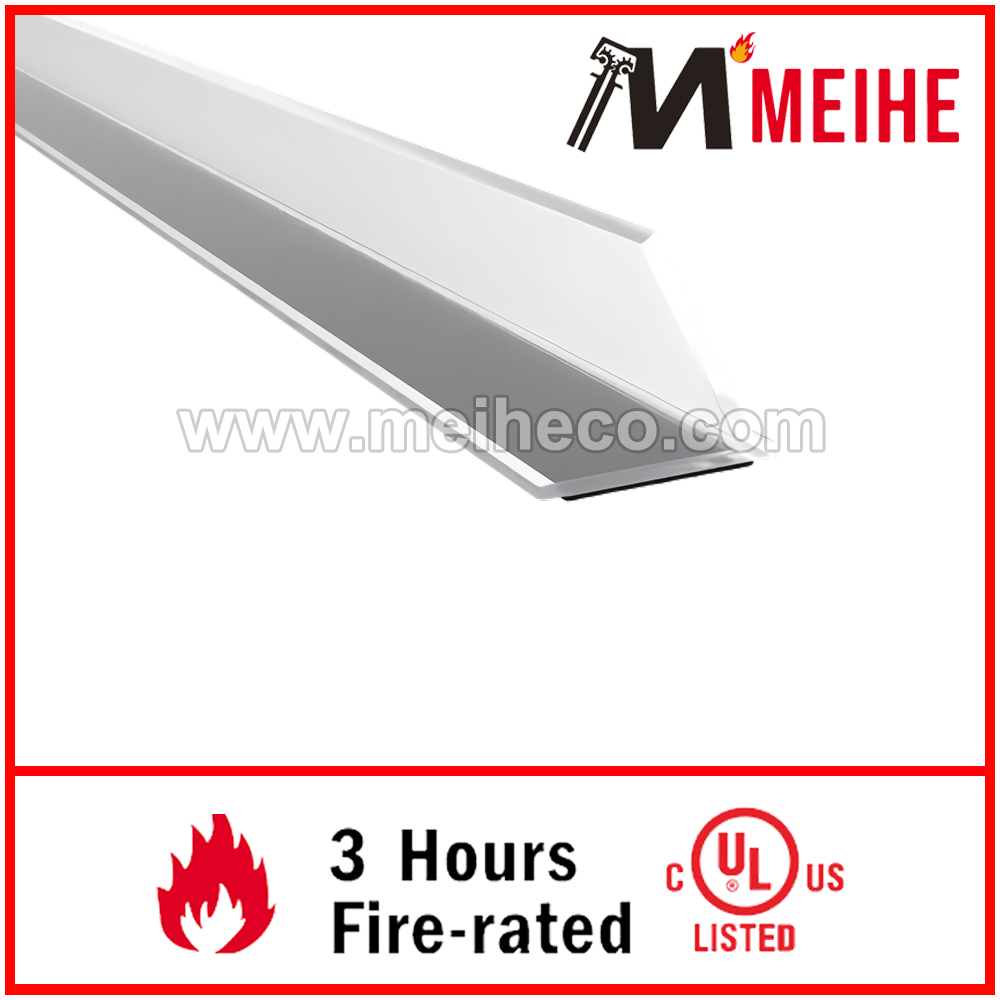
The core function of an astragal is straightforward yet powerful: it seals the gap between two door leaves or between a door and its frame to minimize unwanted air movement. When doors are closed, even a small space of a few millimeters can allow significant air infiltration over time. By installing a properly designed astragal, building operators create a continuous barrier that maintains indoor air quality, stabilizes interior temperature, and reduces the workload on climate control systems. This single component delivers measurable returns through lower energy consumption and improved occupant comfort.
Understanding Astragal Design and Sealing Mechanism
Core Components of an Astragal
An astragal typically consists of a rigid carrier frame, usually made from aluminum or steel, combined with a flexible gasket or seal material such as silicone, rubber, or foam. The rigid portion of the astragal attaches securely to one of the two door leaves or to the fixed frame, while the gasket material extends into the gap to contact the opposing door surface. This two-part design allows the astragal to maintain firm structural support while accommodating minor variations in door alignment. The gasket material compresses slightly when doors close, creating an air-tight seal without requiring excessive force to operate the door. Modern astragals are engineered to withstand thousands of open-close cycles while maintaining sealing performance, making them a durable long-term solution for air leakage control.
How Astragal Materials Affect Performance
The material composition of an astragal directly influences its sealing capability and longevity. Silicone-based gaskets offer superior temperature resistance and flexibility, performing well in environments with temperature fluctuations. Rubber compounds provide excellent compression resistance and recover quickly after repeated door operations. Foam gaskets deliver effective sound dampening alongside air sealing, making them valuable in sound-sensitive applications. The structural frame material also matters: aluminum astragals offer lightweight installation and corrosion resistance, while stainless steel variants suit aggressive indoor environments or exterior applications. Selecting the appropriate astragal material combination ensures that the sealing device meets specific building requirements for temperature range, humidity exposure, and frequency of door use.
Air Leakage Reduction and Energy Impact
Quantifying Air Infiltration Without Sealing
Buildings lose significant energy through uncontrolled air leakage at door assemblies. Studies indicate that a single unsealed door gap of 3 millimeters between two doors can result in air infiltration rates of 100 cubic feet per minute or higher under typical pressure differentials. Over a heating or cooling season, this translates to substantial energy waste as conditioned air escapes and outdoor air enters unfiltered. An astragal reduces this leakage dramatically by filling the void space and creating a barrier that restricts air flow to negligible levels. The energy savings from installing an astragal compound across multiple entry points in a facility can reduce overall HVAC runtime by 5 to 15 percent, depending on building design and climate zone. Facility managers who prioritize astragal installation as part of their energy management strategy consistently report measurable reductions in heating and cooling costs.
Thermal and Pressure Performance
When an astragal seals the gap between doors, it maintains pressure equilibrium on both sides of the door assembly, preventing the stack effect that drives air infiltration. The stack effect occurs when temperature differences create pressure gradients that force air through available openings. By eliminating these gaps, an astragal removes the driving force behind unwanted air movement. In commercial buildings with exterior doors subject to wind pressure or in tall structures where vertical pressure differences are pronounced, a well-installed astragal proves invaluable for maintaining consistent interior conditions. The astragal also reduces the thermal bridging that occurs when outside air directly contacts interior surfaces near doors, further improving the effective thermal resistance of the door assembly and contributing to more uniform interior temperatures.
Installation Considerations and Practical Application
Selecting the Right Astragal for Your Application
Proper astragal selection requires evaluation of several factors specific to each installation. The gap width between doors must be accurately measured because an astragal that is too small will leave unsealed spaces, while one that is too large will create binding or resistance when doors operate. The direction of door swing, frequency of use, and whether the astragal must accommodate traffic such as wheelchairs or hand trucks also influence selection. Weather exposure matters significantly: exterior astragals must resist UV degradation and thermal cycling, while interior astragals in commercial spaces may prioritize low-friction operation and ease of cleaning. Commercial-grade astragals designed for high-traffic environments typically feature reinforced gasket materials and mechanical fastening systems that withstand constant use. Understanding these application variables ensures that the astragal performs as intended and delivers sustained air leakage reduction throughout its operational life.
Installation Best Practices for Maximum Effectiveness
The effectiveness of any astragal depends heavily on proper installation. The surface where the astragal attaches must be clean, dry, and free of dust or debris to ensure solid adhesion or mechanical fastening. Self-adhesive astragals require careful pressure application during installation to activate the adhesive fully and achieve uniform contact along the entire sealing length. For mechanically fastened astragals, fasteners must be spaced appropriately and tightened to specifications provided by the manufacturer to prevent warping or uneven sealing. The gasket material should be positioned to contact the opposing door surface without excessive compression, which can cause premature wear. After installation, doors should operate smoothly without binding or unusual resistance, indicating proper astragal positioning. Maintenance includes periodic inspection of the gasket material for signs of wear, compression set, or deterioration, with replacement when necessary to preserve air leakage reduction performance.
Energy and Comfort Benefits in Real-World Buildings
Commercial Office Energy Efficiency
In commercial office buildings, entrance doors and interior zone separation doors represent critical air leakage pathways. Installing astragals at these locations prevents conditioned air from escaping to unconditioned spaces or outdoors, reducing the cooling load during warm seasons and heating load during cold seasons. Office facilities with astragals installed on perimeter doors report improved occupant comfort as drafts near entrances are eliminated and temperature swings are reduced. The consistent interior climate also reduces strain on HVAC systems, extending equipment life and reducing maintenance frequency. Additionally, an astragal minimizes dust and outdoor pollutants from entering through door gaps, improving indoor air quality and contributing to healthier office environments.
Residential and Mixed-Use Performance
Residential properties and mixed-use buildings benefit equally from astragal installation on exterior doors and between heated and unheated zones. Homeowners installing astragals on entry doors notice reduced heating costs during winter and improved cooling efficiency during summer. The astragal also provides secondary benefits such as sound isolation between units in multi-family buildings and reduced pest infiltration through door gaps. In retrofit applications, astragals can be added without replacing entire door assemblies, making them a cost-effective upgrade option for existing buildings. Tenants in buildings where astragals have been systematically installed report higher satisfaction with indoor climate consistency and lower utility bills.
FAQ
What is an astragal and why should I consider installing one?
An astragal is a sealing device that closes the gap between two doors or between a door and its frame to prevent air leakage. You should consider installing an astragal if you want to reduce heating and cooling costs, improve indoor comfort, eliminate drafts, and maintain consistent interior temperatures. Astragals are particularly valuable in commercial buildings, multi-family residences, and any facility where energy efficiency matters.
How much air leakage can an astragal actually prevent?
An astragal can reduce air infiltration by 80 to 95 percent compared to an unsealed door gap, depending on the quality of installation and the specific astragal design. A gap of 3 millimeters without sealing allows approximately 100 cubic feet of air per minute to infiltrate, while a properly installed astragal can reduce this to just 5 to 20 cubic feet per minute. This dramatic reduction translates directly into lower energy consumption and lower utility bills.
How long does an astragal last and when should it be replaced?
A quality astragal typically lasts 5 to 10 years or longer depending on environmental conditions and door usage frequency. Astragals in high-traffic commercial areas may require replacement sooner as gasket material experiences compression set and wear. Inspect the gasket material periodically for cracks, compression, or deterioration, and replace the astragal when visible damage appears or when you notice increased air leakage at the door assembly.