
 EN
EN



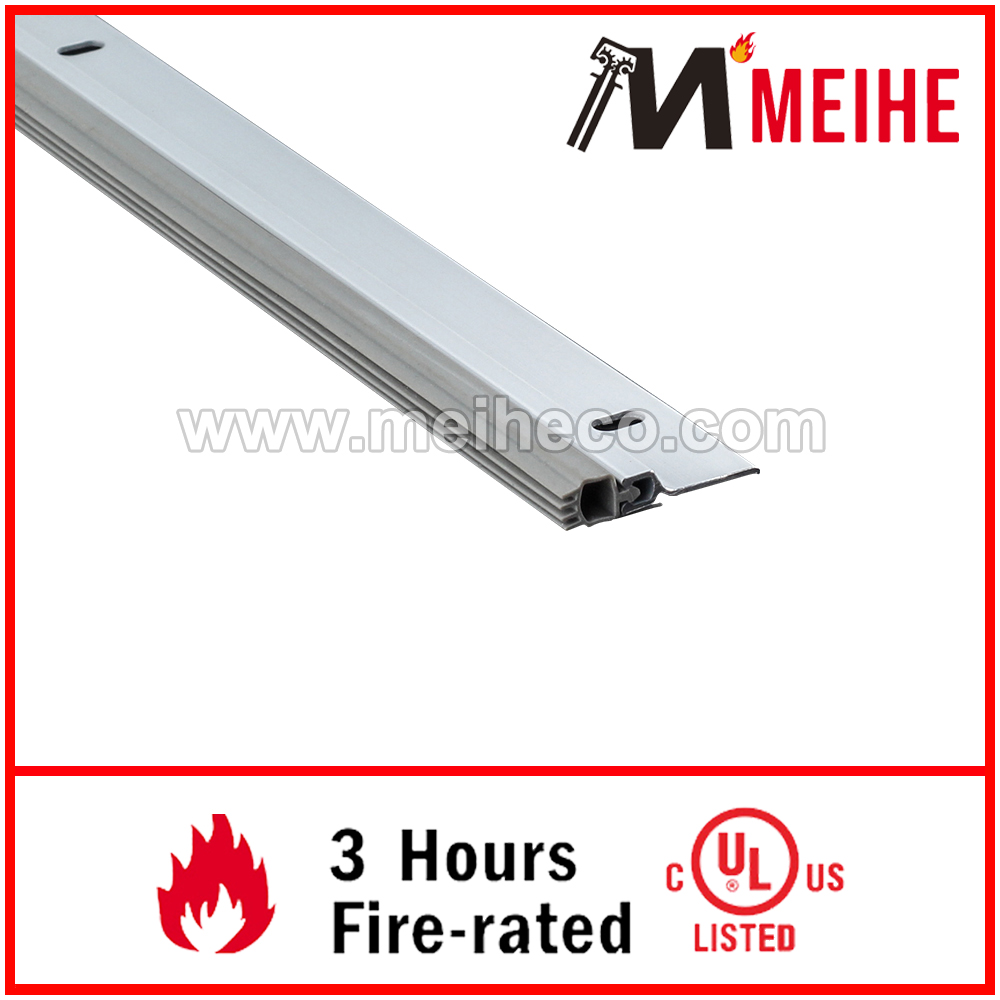
Commercial spaces demand door hardware that can withstand relentless daily use without compromising safety or functionality. A continuous door hinge represents one of the most effective solutions for managing high-traffic environments, from hospitals and retail centers to corporate offices and industrial facilities. Unlike traditional barrel hinges that concentrate stress at fixed pivot points, a continuous door hinge distributes weight and force evenly across its entire length, creating a robust engineering approach that minimizes wear and extends lifespan significantly.
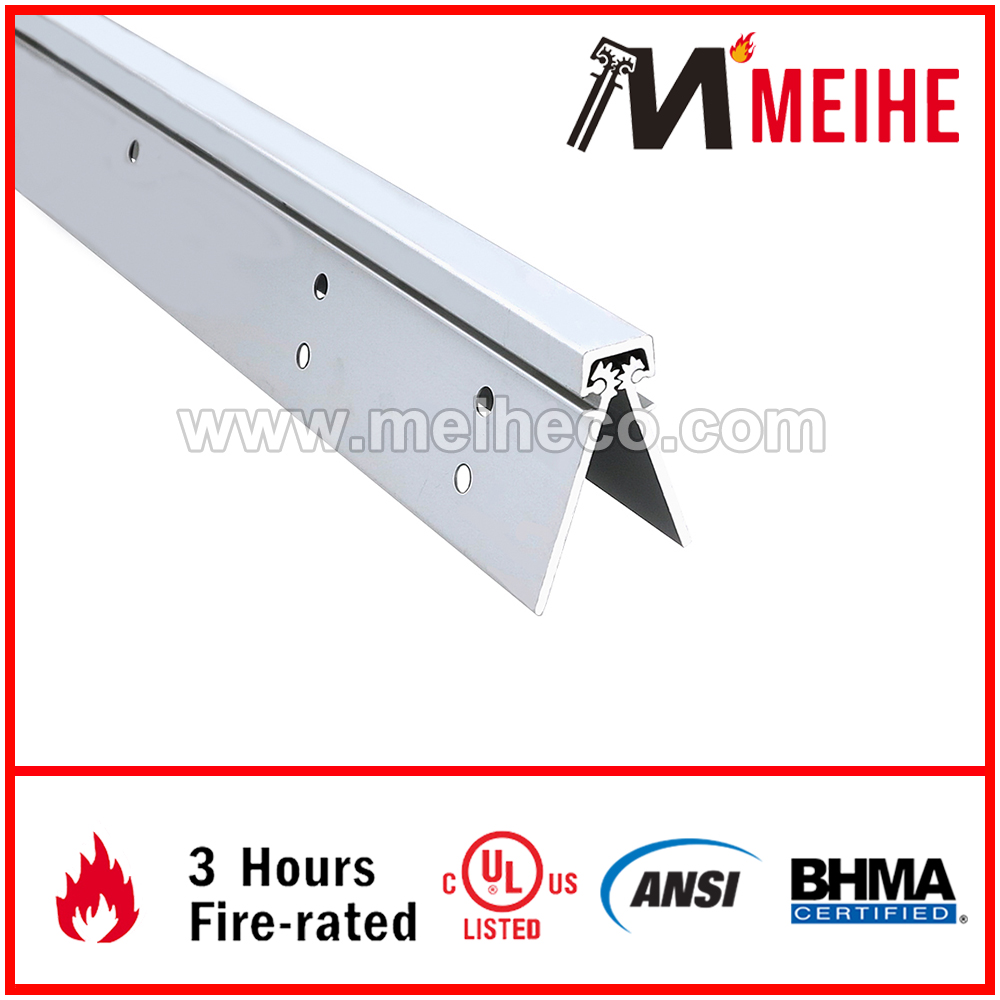
Understanding how a continuous door hinge performs under heavy traffic conditions helps facility managers, architects, and building owners make informed decisions about door hardware specifications. The engineering principles behind continuous door hinges reveal why they have become the preferred choice for applications where door cycles exceed 500,000 operations annually. This comprehensive guide explores the mechanical advantages, real-world performance characteristics, and practical implementation considerations that make continuous door hinges essential for commercial spaces.
How Continuous Door Hinges Distribute Load in High-Traffic Environments
Stress Distribution Mechanics of the Continuous Door Hinge
The fundamental advantage of a continuous door hinge lies in its load distribution architecture. Traditional hinges concentrate opening and closing forces at discrete pivot points, creating stress concentration areas that deteriorate rapidly under heavy use. A continuous door hinge, by contrast, features a full-length bearing surface running the entire height of the door frame. This design principle means that when personnel push or pull a door thousands of times daily, the stress spreads across the hinge's complete length rather than cycling through just two or three bearing points.
When a continuous door hinge operates in a retail environment with 2,000 door cycles per day, the force distribution prevents the localized wear patterns that cause squeaking, misalignment, and premature failure. The continuous bearing surface in a continuous door hinge maintains consistent contact pressure, reducing friction coefficients and enabling smoother door operation even after extended service periods. Commercial facility managers report that continuous door hinge installations require significantly fewer maintenance interventions and adjustment procedures compared to conventional hinge systems.
Material Science and Durability Factors
High-quality continuous door hinge systems incorporate materials specifically engineered for commercial-grade durability. Stainless steel continuous door hinge products resist corrosion in humid environments like hospitals, kitchens, and restaurants where moisture exposure accelerates conventional hinge degradation. The bearing materials used in a continuous door hinge, whether steel-on-steel or composite compound, exhibit wear rates measured in micrometers over millions of cycles rather than millimeters.
Advanced continuous door hinge designs often feature self-lubricating bearing surfaces or sealed lubrication chambers that maintain performance without requiring external maintenance oils. Heavy-duty continuous door hinge specifications typically withstand vertical loads exceeding 500 pounds per pair while maintaining alignment tolerances within 1/8 inch over extended service life. This material performance ensures that a continuous door hinge installed during facility construction continues operating within specification for 15 to 25 years under normal commercial use conditions.
Performance Requirements and Installation Considerations
Meeting Commercial Accessibility and Safety Standards
Building codes and accessibility regulations require doors in commercial spaces to operate smoothly and consistently, with opening force requirements typically limited to 5 pounds for accessible entries. A continuous door hinge facilitates compliance with these standards because its even load distribution enables predictable, consistent door operation across the full cycle. Commercial architects specify continuous door hinge systems because they help doors maintain force characteristics within code-required ranges throughout their operational lifespan.
Safety considerations make continuous door hinge selection particularly critical in applications involving emergency egress, fire-rated door assemblies, or automated door systems. The continuous door hinge design prevents sudden mechanical failures that could jam emergency exits or cause injuries to persons using accessible entrances. Testing data demonstrates that continuous door hinge assemblies maintain opening force consistency within 15% variance after 2 million cycles, whereas traditional hinges often exceed acceptable force ranges within 500,000 cycles.
Installation Specifications and Alignment Procedures
Proper installation of a continuous door hinge requires precise frame preparation and alignment techniques that differ from conventional hinge mounting. The continuous door hinge receiving surface must be machined flat within 1/16 inch across the full length to ensure uniform bearing contact. Professional installation teams recognize that inadequate surface preparation can compromise the stress distribution advantages that make a continuous door hinge superior for heavy-traffic applications.
Door frame material specifications affect continuous door hinge performance significantly. Steel frames work optimally with steel continuous door hinge systems, while aluminum frames may require specifically matched aluminum continuous door hinge components or composite bearing surfaces. Weight capacity calculations must account for door mass, traffic patterns, and environmental conditions to select appropriately rated continuous door hinge models. A continuous door hinge rated for 750 pounds should be selected rather than a 500-pound unit when doors exceed maximum design weight specifications.
Real-World Performance in Commercial Applications
Hospital and Healthcare Facility Requirements
Healthcare environments demand exceptional door hardware performance because staff members frequently navigate doors while handling medical equipment, supplies, and patient care materials. Hospital continuous door hinge installations experience door cycles often exceeding 3,000 per day in high-traffic corridors, emergency departments, and surgical suites. The continuous door hinge design accommodates this extreme usage pattern while maintaining the hygienic conditions and operational reliability that healthcare facilities require.
Infection control protocols in hospitals benefit from continuous door hinge systems because their sealed bearing surfaces prevent the accumulation of bacteria and contaminants that traditional hinges trap. Maintenance personnel in healthcare facilities report that continuous door hinge maintenance costs decline substantially compared to facilities using conventional hinge hardware. A continuous door hinge can operate through 5 million cycles in a busy hospital environment before requiring replacement, whereas traditional hinges may require maintenance or replacement after 1 million cycles.
Retail and Hospitality Door Performance
Retail environments with continuous automatic door systems depend critically on consistent hinge performance to maintain energy efficiency and customer accessibility. The continuous door hinge systems supporting 24-hour retail operations must deliver reliable performance across temperature extremes, from overheated summer conditions to freezing winter weather. Retail facility managers recognize that continuous door hinge reliability directly impacts customer experience because smooth, responsive doors create positive first impressions while stuck or misaligned doors frustrate visitors.
Hospitality venues, including hotels, restaurants, and entertainment facilities, install continuous door hinge hardware because guest satisfaction depends on functional, silent door operation. A continuous door hinge resists the degradation that causes annoying squeaks and binding that guests notice immediately. Hospitality industry data shows that facilities using high-quality continuous door hinge systems experience significantly fewer maintenance calls and higher guest satisfaction ratings compared to properties relying on conventional hinge technology.
FAQ
What makes a continuous door hinge different from standard barrel hinges?
A continuous door hinge distributes opening and closing forces across its entire length rather than concentrating stress at discrete pivot points like barrel hinges. This design enables a continuous door hinge to handle millions of operational cycles while maintaining consistent performance, making it ideal for high-traffic commercial environments. Standard barrel hinges concentrate wear at fixed points, requiring more frequent maintenance and replacement.
How many cycles can a continuous door hinge withstand before requiring replacement?
High-quality continuous door hinge systems are engineered to withstand 5 to 10 million operational cycles under normal commercial use conditions, translating to 15 to 25 years of service life in most facilities. A continuous door hinge rated for heavy-duty applications can exceed 20 million cycles when properly installed and maintained. The actual lifespan depends on door weight, traffic frequency, environmental conditions, and material specifications of the continuous door hinge installation.
Can a continuous door hinge be installed on existing door frames?
Installing a continuous door hinge on existing frames requires surface preparation and potentially frame modifications to ensure proper bearing surface alignment. A continuous door hinge installation works best when frames are machined to specification during initial construction, but retrofit applications are possible when existing frames are in acceptable condition. Professional installation contractors assess frame flatness, material compatibility, and structural integrity before confirming whether a continuous door hinge retrofit is feasible for existing commercial doors.