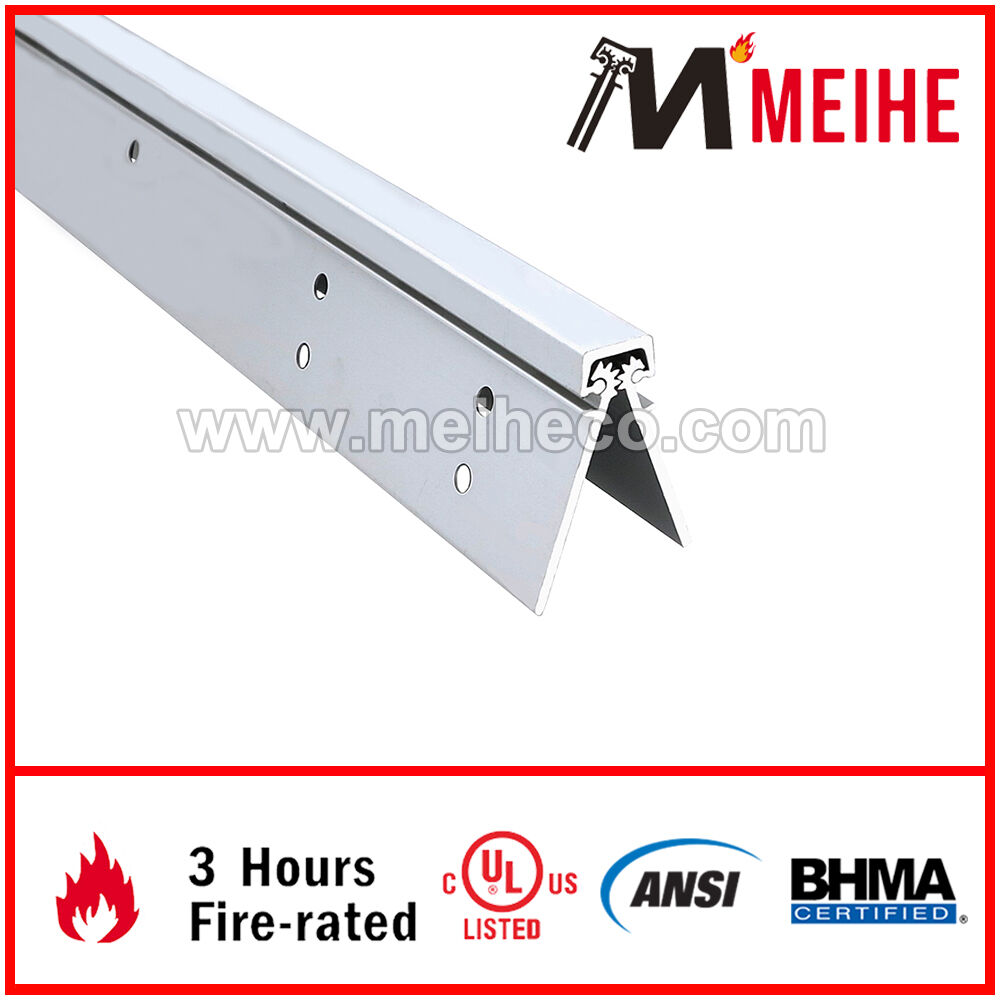
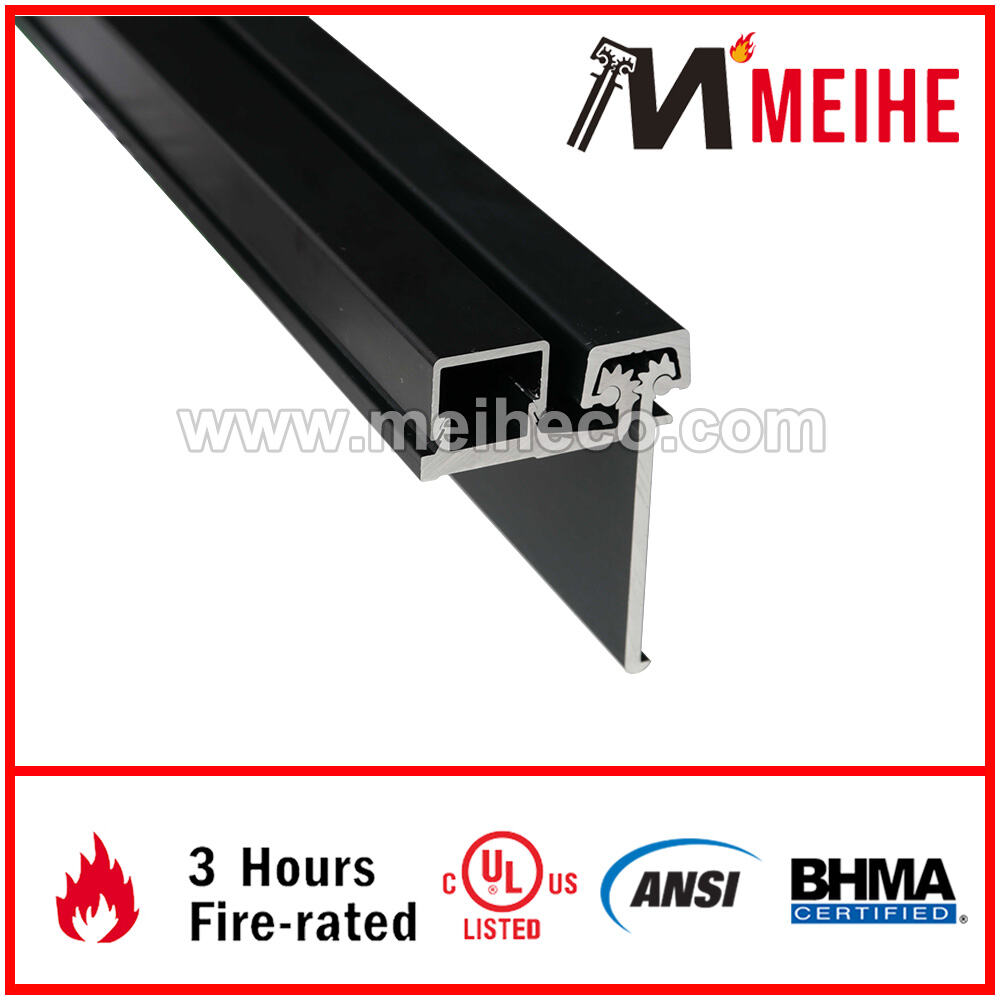
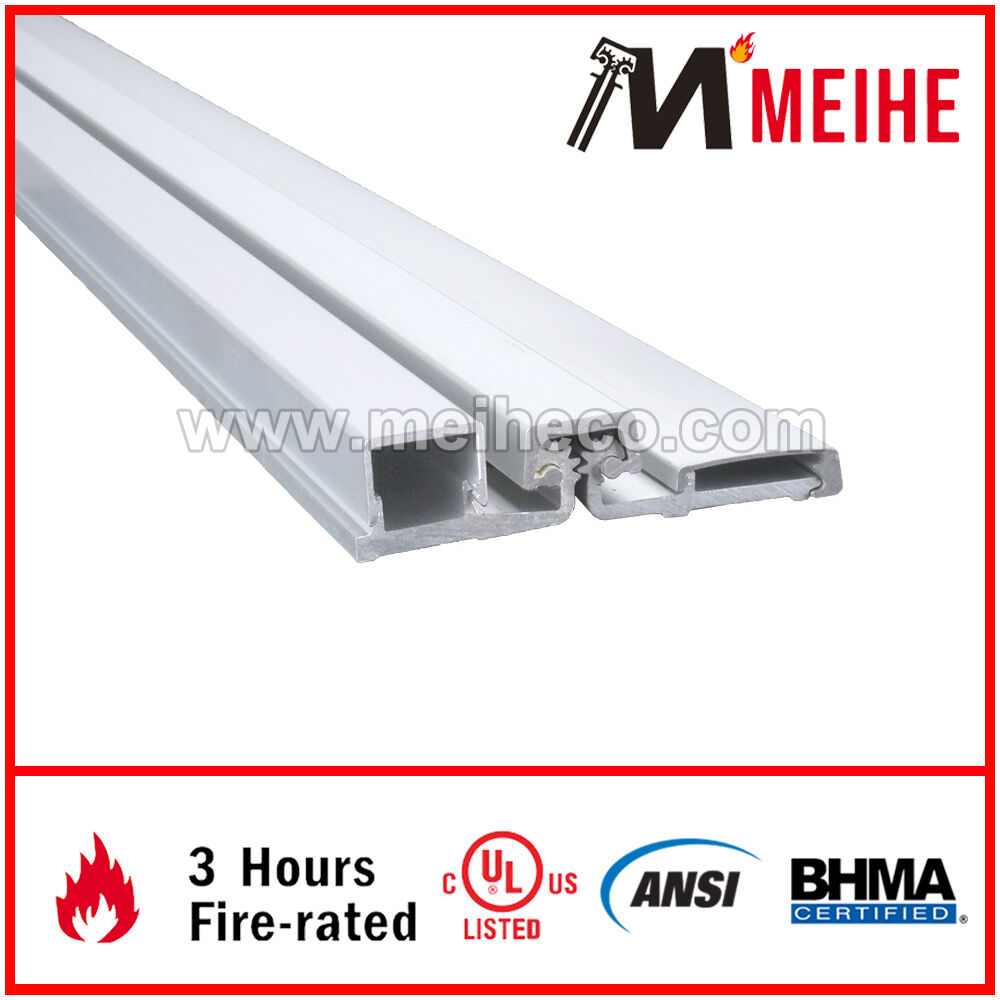
brush seal weather stripping
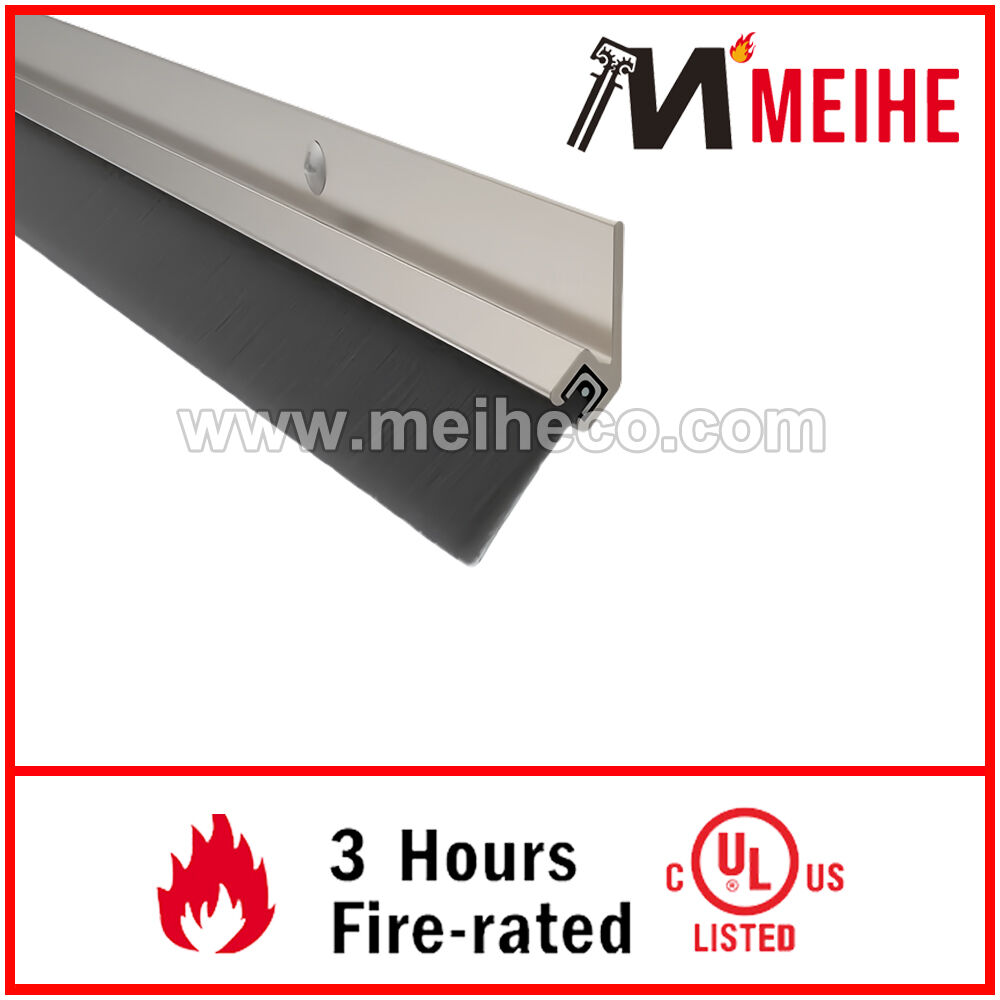
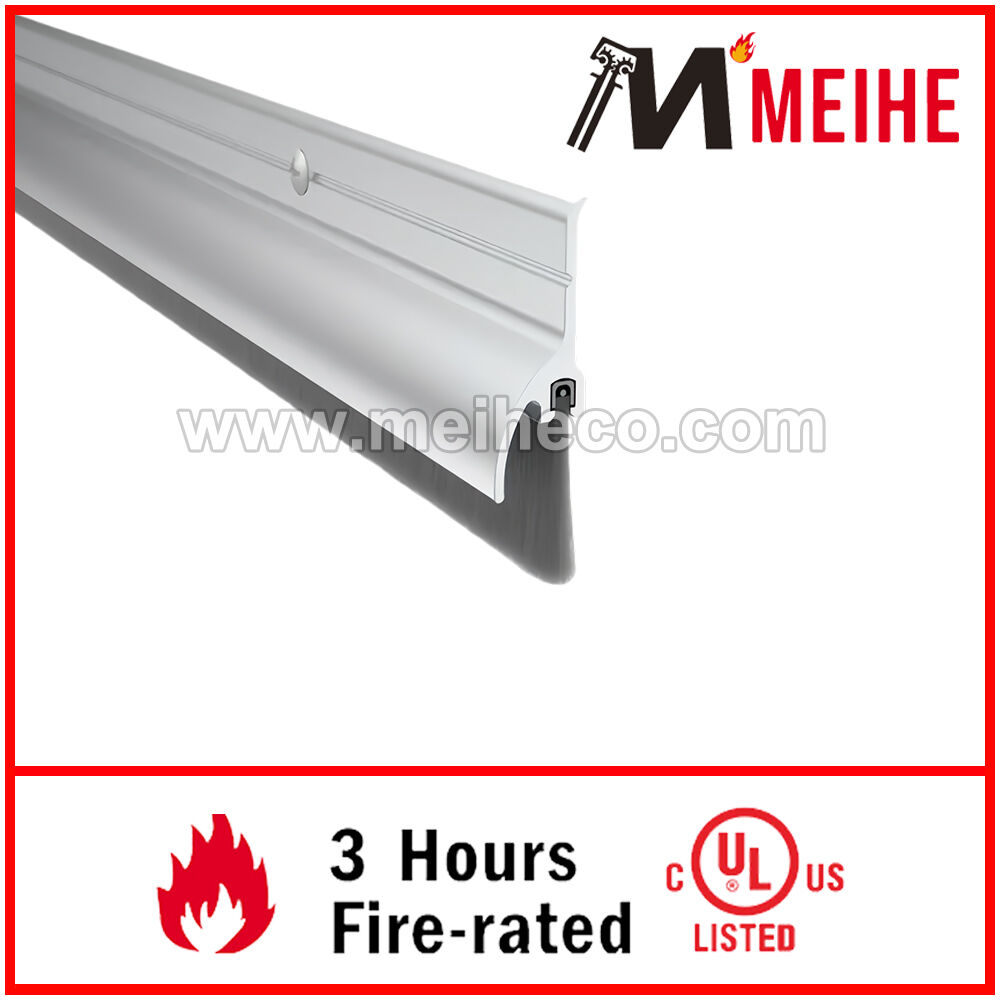
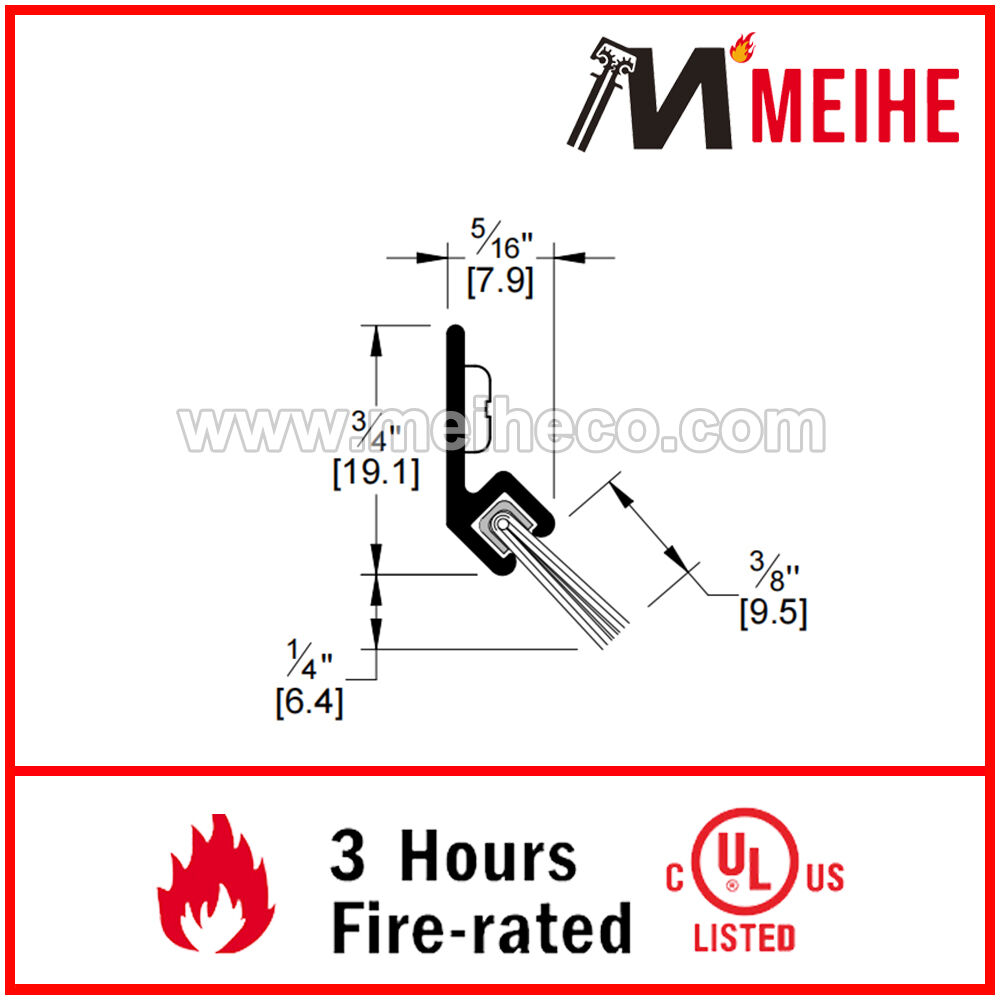
Brush seal weather stripping represents an innovative sealing solution that combines effectiveness with versatility across numerous applications. This specialized sealing technology utilizes fine bristles made from durable materials such as polypropylene, nylon, or natural fibers, which are securely held within a rigid backing strip typically constructed from aluminum, stainless steel, or high-grade plastic compounds. The fundamental principle behind brush seal weather stripping relies on the flexible nature of the bristles to create a continuous barrier against air infiltration, moisture penetration, and dust intrusion while maintaining the ability to accommodate irregular surfaces and movement between components. The main functions of brush seal weather stripping encompass creating effective seals around doors, windows, garage entrances, industrial equipment housings, and automotive applications where traditional rigid sealing methods prove inadequate. The technological features of this sealing system include exceptional conformability to uneven surfaces, resistance to compression set, superior durability under repeated cycling, and the capability to maintain sealing integrity across wide temperature ranges. The bristle density and length can be precisely engineered to meet specific application requirements, with options ranging from fine, dense configurations for maximum sealing efficiency to coarser arrangements for applications requiring enhanced durability. Manufacturing processes ensure consistent bristle placement and secure attachment to the backing strip, preventing premature bristle loss and maintaining long-term performance. Applications for brush seal weather stripping span residential construction, commercial buildings, industrial facilities, transportation vehicles, and specialized equipment where reliable environmental sealing is critical. The versatility of brush seal weather stripping makes it particularly valuable in scenarios where surfaces may shift, expand, or contract due to temperature variations or mechanical stress, as the flexible bristles adapt to these changes while preserving the sealing barrier.
 ×
×


 EN
EN