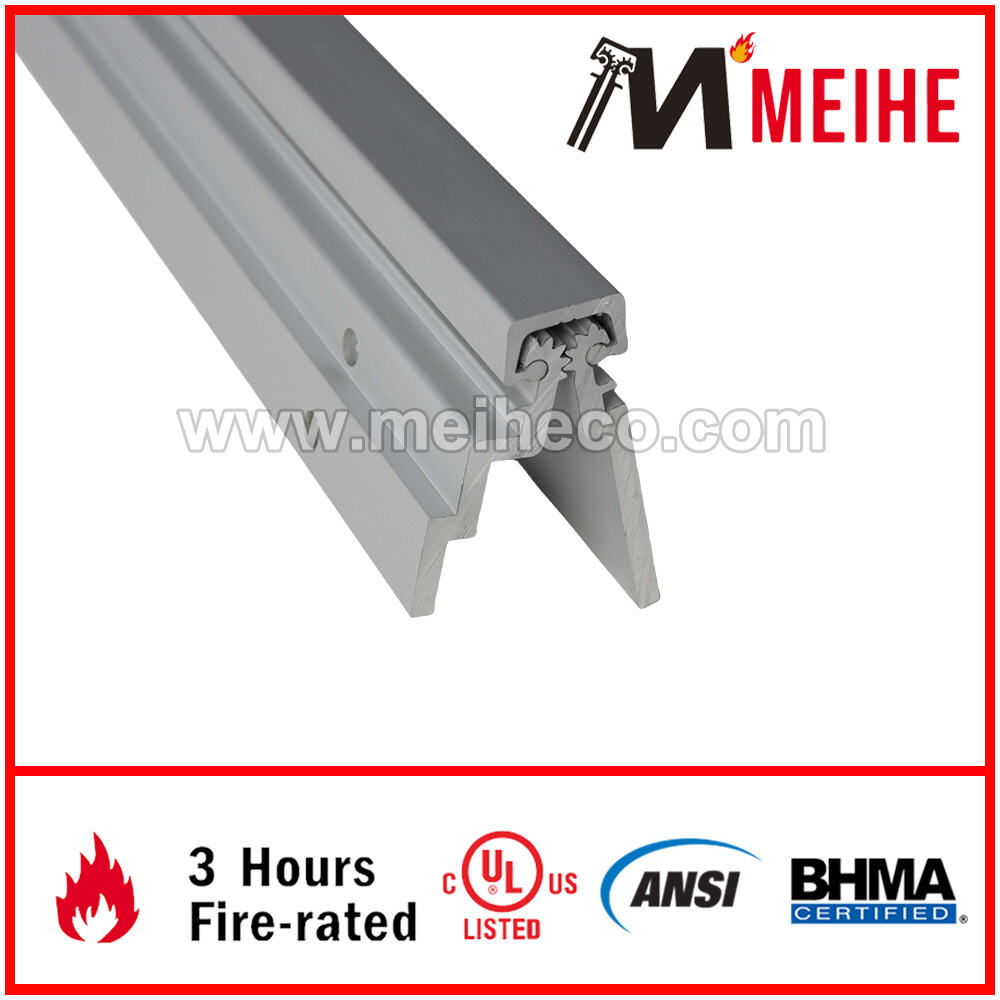
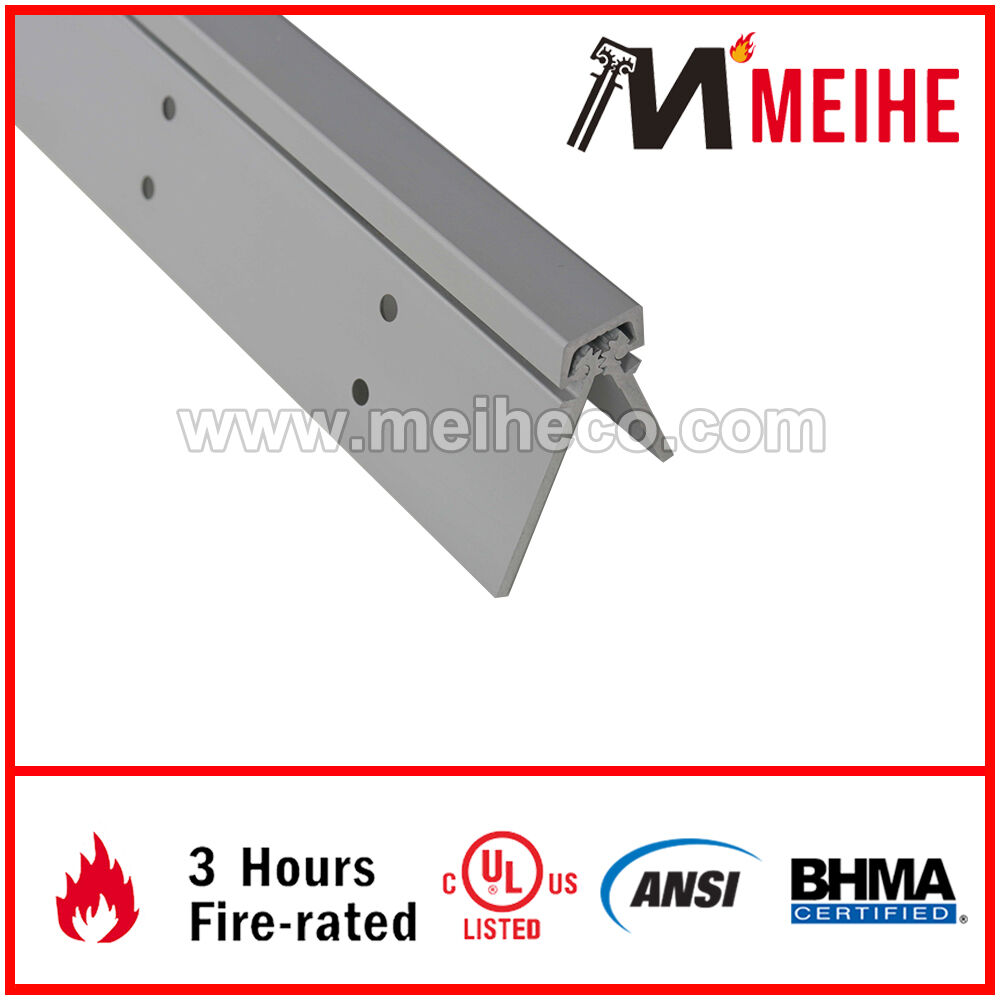
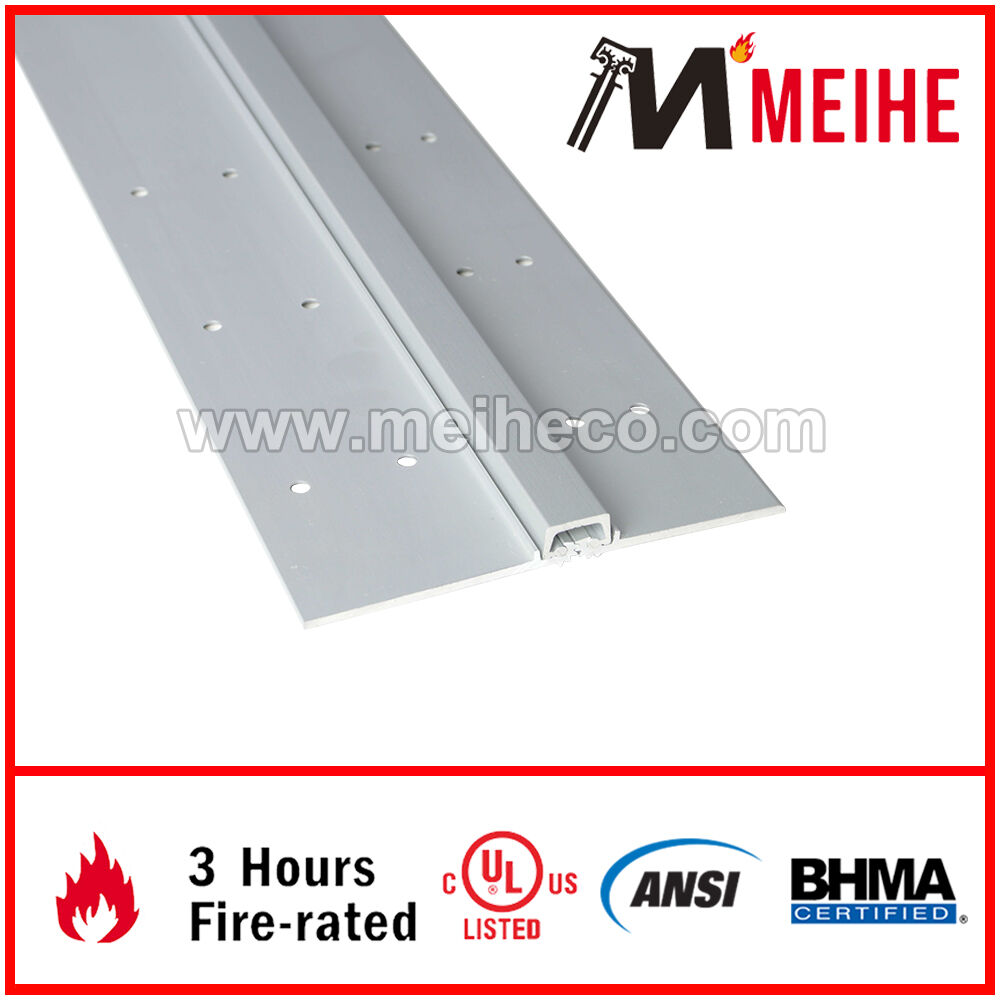
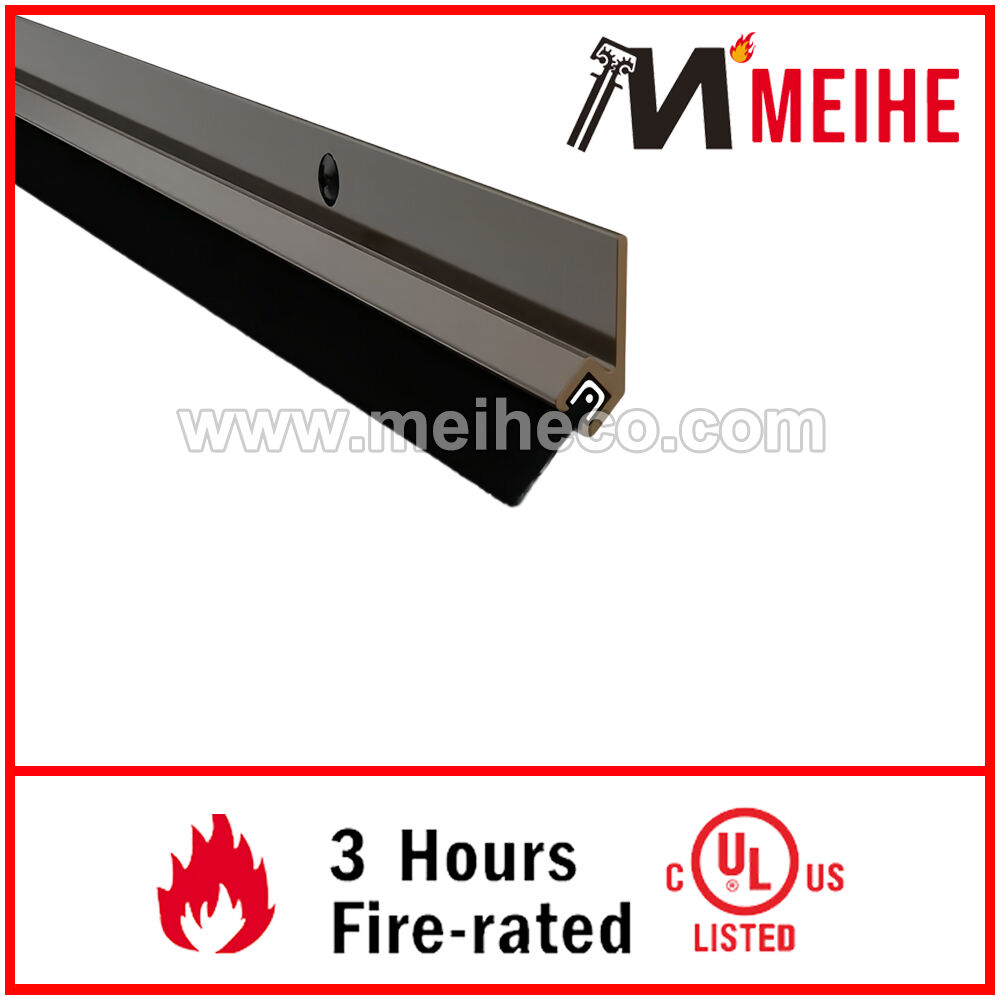
brush type weather stripping
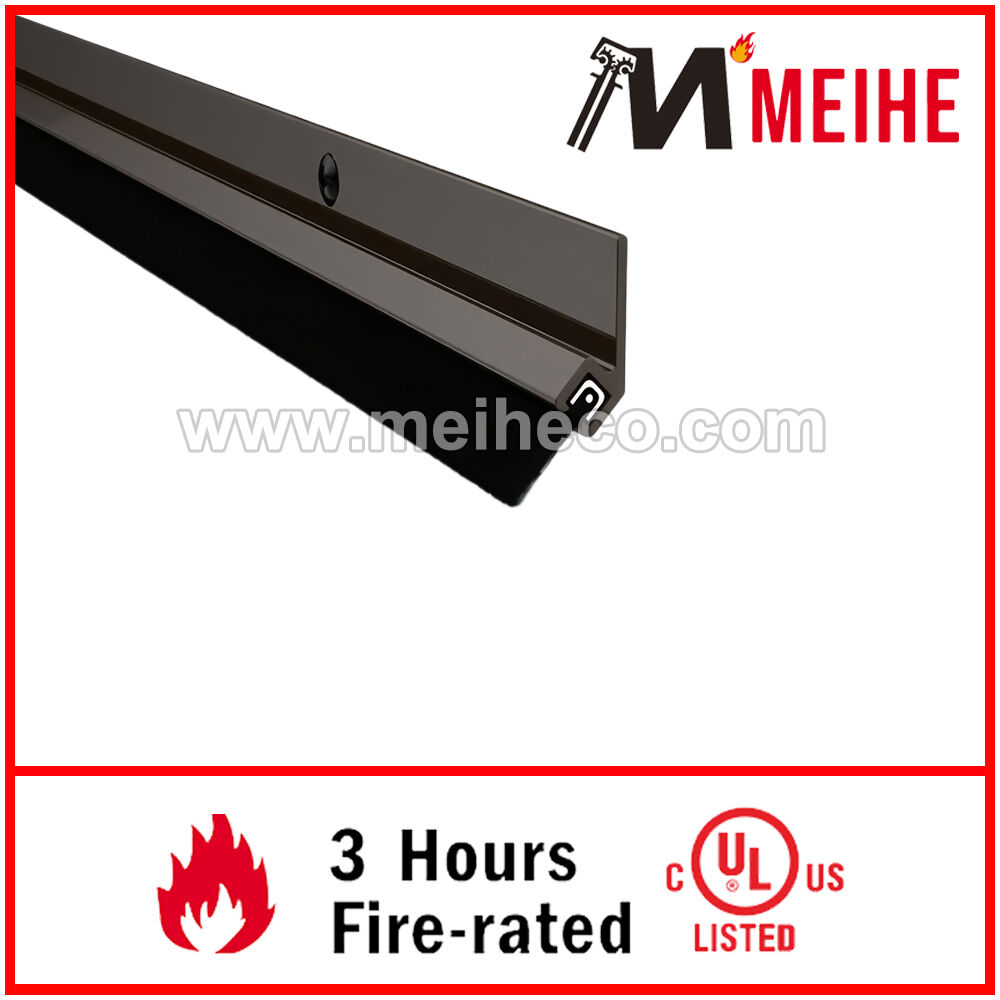
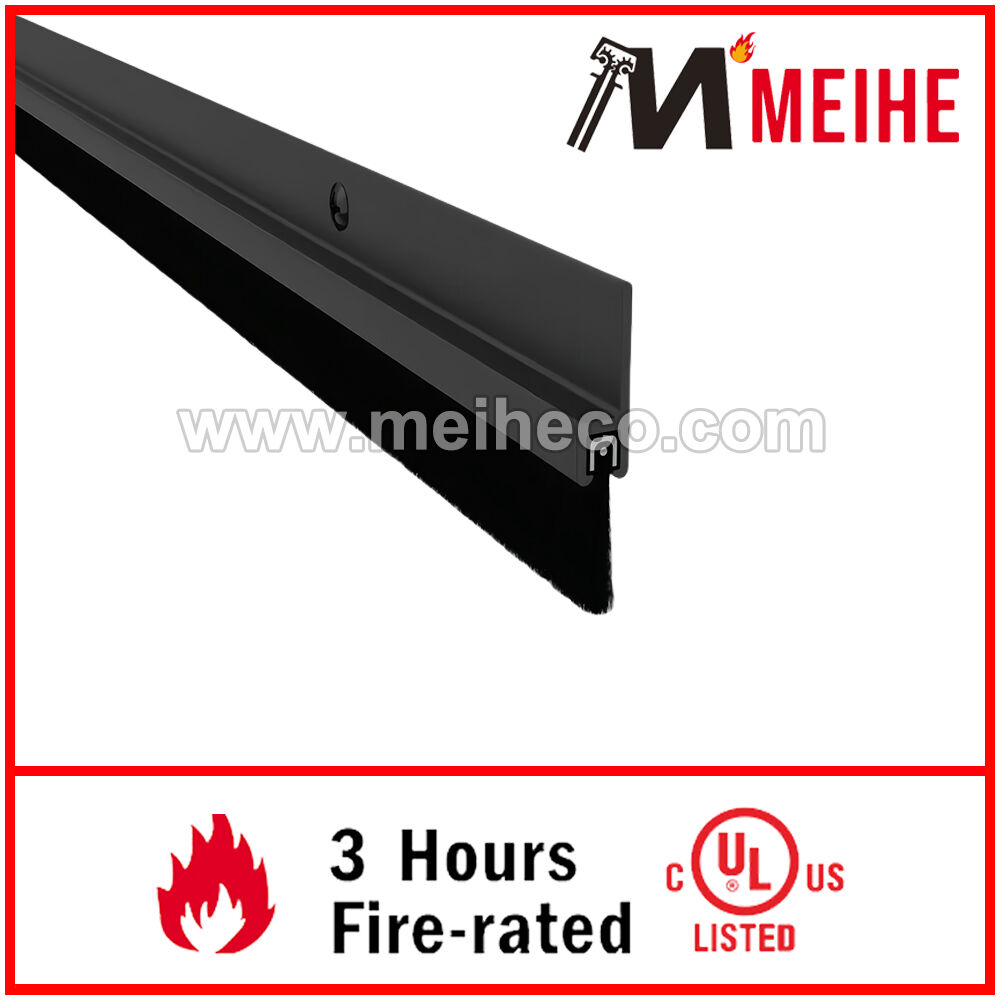
Brush type weather stripping represents an innovative sealing solution that combines flexible bristles with durable backing materials to create effective barriers against air infiltration, moisture penetration, and dust intrusion. This specialized weatherproofing technology features densely packed synthetic or natural fibers arranged in a brush-like configuration, mounted on aluminum, plastic, or stainless steel bases that facilitate easy installation across various applications. The primary function of brush type weather stripping involves sealing irregular gaps and moving joints where traditional rigid sealing materials prove inadequate or impractical. Unlike conventional weatherstripping methods, this technology adapts to surface variations and maintains consistent contact pressure, ensuring optimal performance across diverse environmental conditions. The technological framework incorporates advanced polymer chemistry and precision manufacturing processes that produce uniform bristle density, controlled flexibility, and enhanced durability characteristics. These engineered bristles typically measure between 6mm to 25mm in length, allowing customization for specific gap dimensions and sealing requirements. The backing system employs extruded profiles designed for secure attachment through screwing, clipping, or adhesive mounting methods. Modern brush type weather stripping applications span residential, commercial, and industrial sectors, including door and window frames, garage doors, industrial equipment enclosures, conveyor systems, rotating machinery interfaces, and architectural curtain wall installations. The material composition often features polypropylene, nylon, or specialized synthetic fibers chosen for their resistance to UV radiation, temperature extremes, chemical exposure, and mechanical wear. Manufacturing precision ensures consistent bristle orientation and density distribution, creating uniform sealing performance across the entire length of the weatherstripping installation, making it an essential component for energy efficiency and environmental protection strategies.
 ×
×


 EN
EN