
 EN
EN



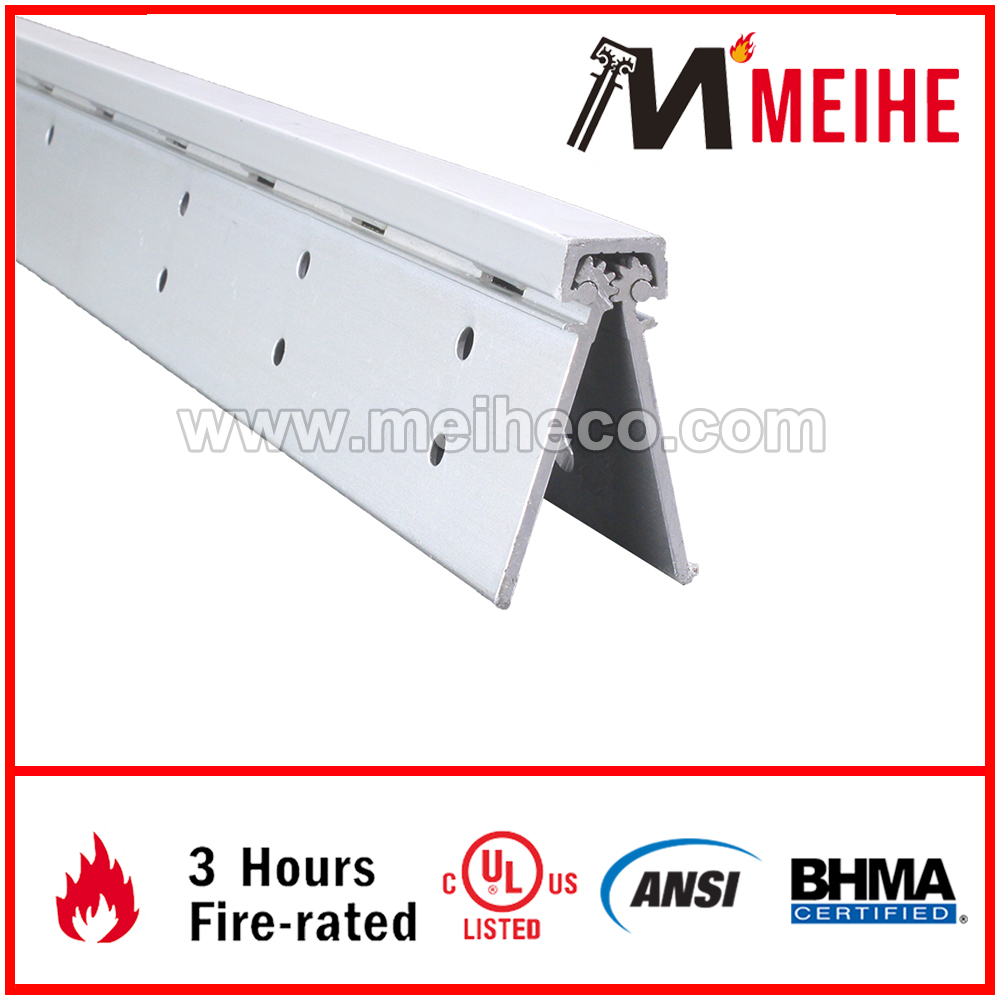
Heavy commercial doors face unique mechanical demands that standard hinges simply cannot meet. From hospital corridors to industrial facilities, the pressure to maintain reliable door operation under constant use requires specialized hardware designed specifically for demanding environments. A continuous geared hinge represents one of the most effective solutions for managing these challenges, providing the durability, load capacity, and smooth operation that commercial properties require. Understanding how a continuous geared hinge functions and why it matters for your facility helps facility managers, architects, and procurement professionals make informed decisions about door hardware investments.
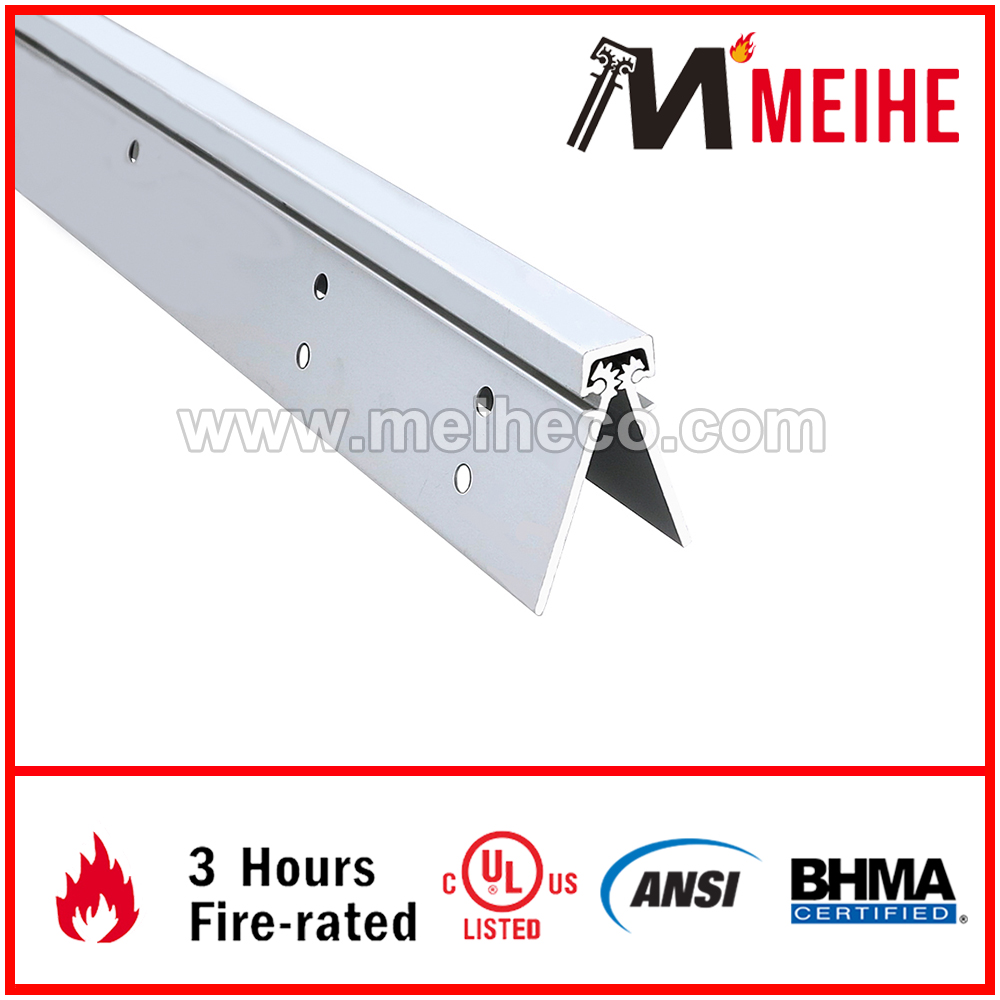
The engineering behind a continuous geared hinge reflects decades of industrial hardware innovation. Unlike traditional butt hinges that concentrate load at discrete points along the door frame, this specialized hardware distributes mechanical stress across the entire door height. This distribution fundamentally changes how heavy doors perform during their operational lifetime, reducing wear, extending service intervals, and minimizing maintenance downtime that impacts facility operations.
How Continuous Geared Hinges Distribute Load Across Door Height
Load Distribution Mechanics in Continuous Geared Hinge Systems
The primary engineering advantage of a continuous geared hinge lies in its length and design. Rather than using three or four discrete hinges, a continuous geared hinge runs nearly the full height of the door, typically spanning 84 to 120 inches depending on door height. This extended length means that the combined weight of the door distributes evenly along the hinge barrel rather than concentrating at a few mounting points. When a continuous geared hinge supports a 400-pound metal door in a high-traffic environment, the load per linear inch remains manageable and consistent, preventing the accelerated wear that occurs when standard hinges bear concentrated stress.
The geared component within a continuous geared hinge adds another layer of load management. Precision-cut gears work within the hinge barrel to prevent binding and ensure smooth operation regardless of load conditions. As the door swings open, these internal gears engage in a controlled sequence that maintains consistent friction and eliminates jerky movement. This geared mechanism proves especially valuable in high-security facilities, hospitals, and data centers where smooth, predictable door operation directly impacts safety and security protocols.
Pressure Point Reduction and Frame Integrity
Traditional multi-hinge door hardware concentrates pressure at specific frame locations where each hinge mounts. A continuous geared hinge eliminates this pressure concentration by spreading load continuously across the full door height. Facility managers often discover that older doors using standard hinges develop frame damage and sagging because the frame wood or metal bears excessive stress at hinge locations. By switching to a continuous geared hinge system, this damage pattern stops, and frame integrity remains preserved for decades of reliable service.
The elimination of pressure points also simplifies installation and replacement. A continuous geared hinge mounts along a single continuous channel rather than requiring perfectly aligned mounting holes at multiple locations. This design reduces installation error and ensures that the continuous geared hinge performs optimally from the first day of operation.
Performance Benefits of Continuous Geared Hinges in Commercial Applications
Durability and Maintenance Intervals
Commercial facilities operating doors that swing open and closed hundreds of times daily require hardware that survives this intensive use without frequent replacement. A continuous geared hinge extends service life substantially compared to standard hinges because load distribution prevents accelerated wear at specific stress points. Heavy hospital doors, kitchen entrance doors in food service facilities, and secure access doors in correctional institutions all benefit from the extended durability that a continuous geared hinge provides. Many facilities report that continuous geared hinge systems operate for 10 to 15 years with minimal maintenance, whereas standard hinges in the same applications typically require replacement after 3 to 5 years.
The maintenance profile of a continuous geared hinge also differs from traditional hardware. Rather than facing unexpected hinge failure that requires emergency door replacement, facilities using a continuous geared hinge follow predictable maintenance schedules. Periodic lubrication of the geared mechanism ensures smooth operation, but the underlying durability means that emergency service calls become rare. This predictability helps facility managers budget more accurately and avoid the costly operational disruptions associated with unexpected door failures.
Operational Smoothness and Safety Implications
The geared mechanism within a continuous geared hinge ensures that heavy doors operate with consistent, predictable motion from the moment installation completes. In medical facilities where patients on gurneys pass through doors frequently, smooth operation prevents jolting and improves patient experience. The controlled swing speed enabled by a continuous geared hinge also reduces accidents where doors catch on clothing, wheelchairs, or equipment. Security personnel in correctional facilities and government buildings appreciate how a continuous geared hinge maintains controlled door speed under all conditions, preventing the rapid slam-shut that can cause injury.
Additionally, a continuous geared hinge resists the door sag that develops when standard hinges wear unevenly. Even after months of heavy use, doors equipped with a continuous geared hinge maintain proper alignment and close-to-frame fit. This maintained alignment ensures that door seals remain effective, supporting facility climate control and security measures.
Installation and Specification Considerations for Continuous Geared Hinges
Frame and Door Preparation for Continuous Geared Hinge Systems
Installing a continuous geared hinge requires proper frame preparation and precise alignment from the start. Unlike standard hinge installation that accommodates minor alignment errors, a continuous geared hinge performs optimally when the mounting channel runs perfectly vertical. This requirement means that facility teams should evaluate existing frames before committing to a continuous geared hinge upgrade. If the frame shows previous damage, twisting, or settling, addressing these issues before installing a continuous geared hinge ensures maximum performance. Many commercial facilities discover that preparing the frame properly extends the service life of the continuous geared hinge beyond the typical 10 to 15-year window.
Material compatibility between the continuous geared hinge and door substrate also influences performance. Steel doors work well with steel continuous geared hinges, aluminum doors pair effectively with aluminum systems, and composite doors require careful matching to ensure load compatibility. Specifying the correct continuous geared hinge material at the design phase prevents costly compatibility issues during installation.
Load Capacity and Weight Range Selection
Continuous geared hinge systems come in multiple weight ratings, typically ranging from 250 pounds to 600 pounds per unit. Selecting the appropriate capacity for your specific door weight proves essential for optimal performance. A continuous geared hinge rated for 400 pounds reliably handles doors within that weight range, but oversizing to a 600-pound continuous geared hinge provides extra safety margin for future modifications or additions. When specifying hardware for renovation projects, choosing a continuous geared hinge with capacity above the actual door weight ensures that the system remains within safe operating parameters even if facility modifications increase door weight in the future.
Length selection also impacts the effectiveness of a continuous geared hinge. Shorter 84-inch units suit standard 7-foot doors, while extended 120-inch versions support tall commercial entrances. Matching continuous geared hinge length to actual door height ensures that load distributes evenly across the entire hinge length, maximizing the mechanical advantages that make this hardware superior for heavy commercial applications.
FAQ
What makes a continuous geared hinge different from traditional butt hinges?
A continuous geared hinge runs the full door height and distributes load continuously rather than at discrete points. The internal gearing mechanism provides smooth, controlled motion and eliminates binding that occurs with standard hinges. This design extends service life from 3 to 5 years with standard hinges to 10 to 15 years with a continuous geared hinge, making it ideal for high-traffic commercial environments.
Can a continuous geared hinge installation replace existing standard hinges without frame modification?
Installing a continuous geared hinge typically requires preparing a continuous mounting channel along the door frame height. Existing standard hinge mounting holes cannot be reused directly. However, many commercial facilities find that this installation modification is worthwhile because the resulting door performance and durability improvements justify the preparation work. Professional installation ensures proper alignment and optimal continuous geared hinge performance.
How does weather exposure affect continuous geared hinge performance in outdoor applications?
Stainless steel and powder-coated continuous geared hinge options resist weather exposure effectively. For exterior applications, specifying a continuous geared hinge with stainless steel construction or marine-grade coating protects the internal gearing mechanism from corrosion. Regular maintenance including seasonal inspection and protective lubrication keeps exterior-mounted continuous geared hinges operating smoothly for 10 years or longer in challenging weather conditions.