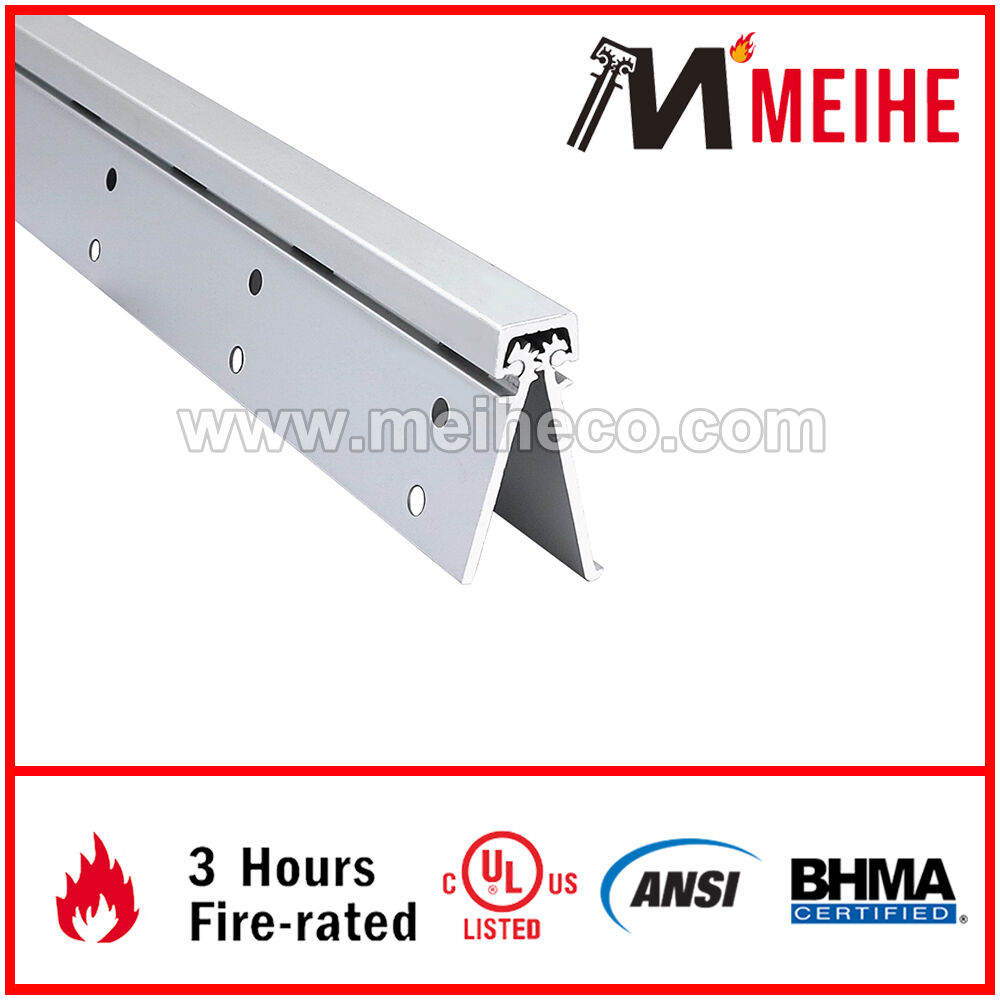
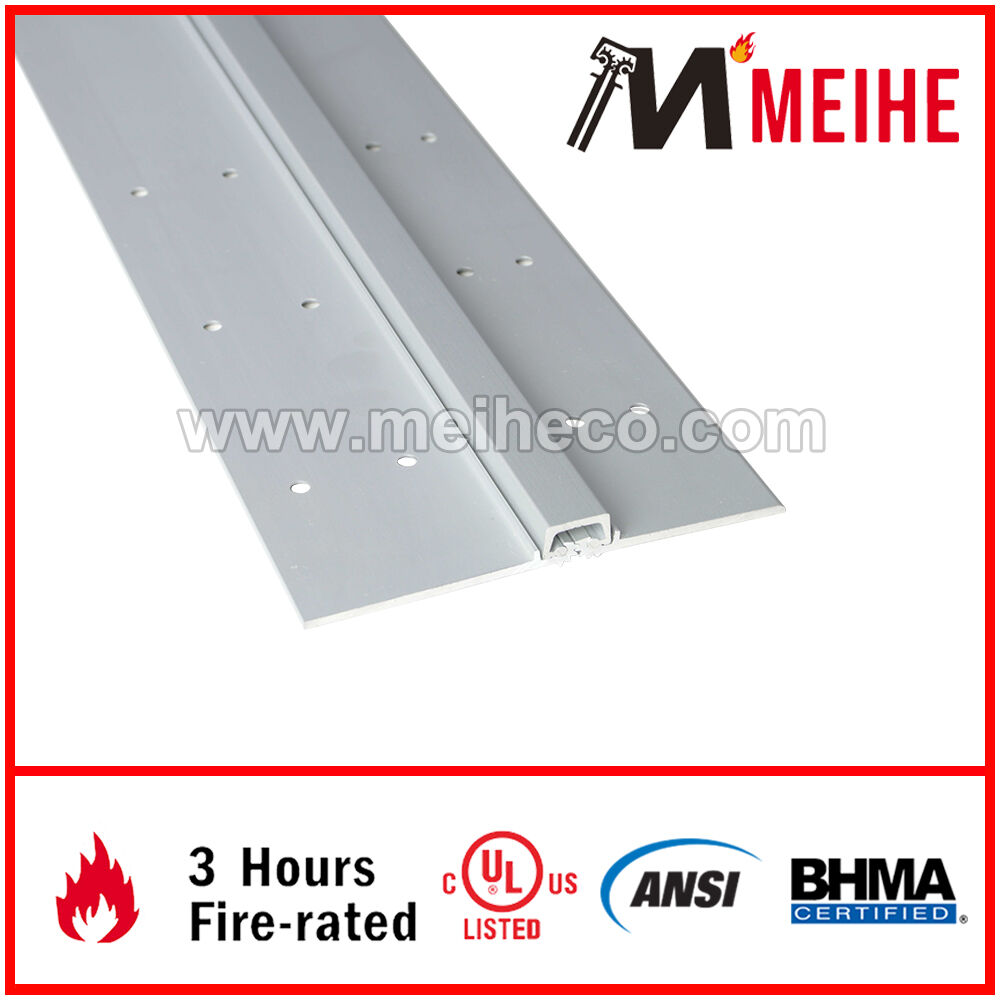
silicone weather stripping
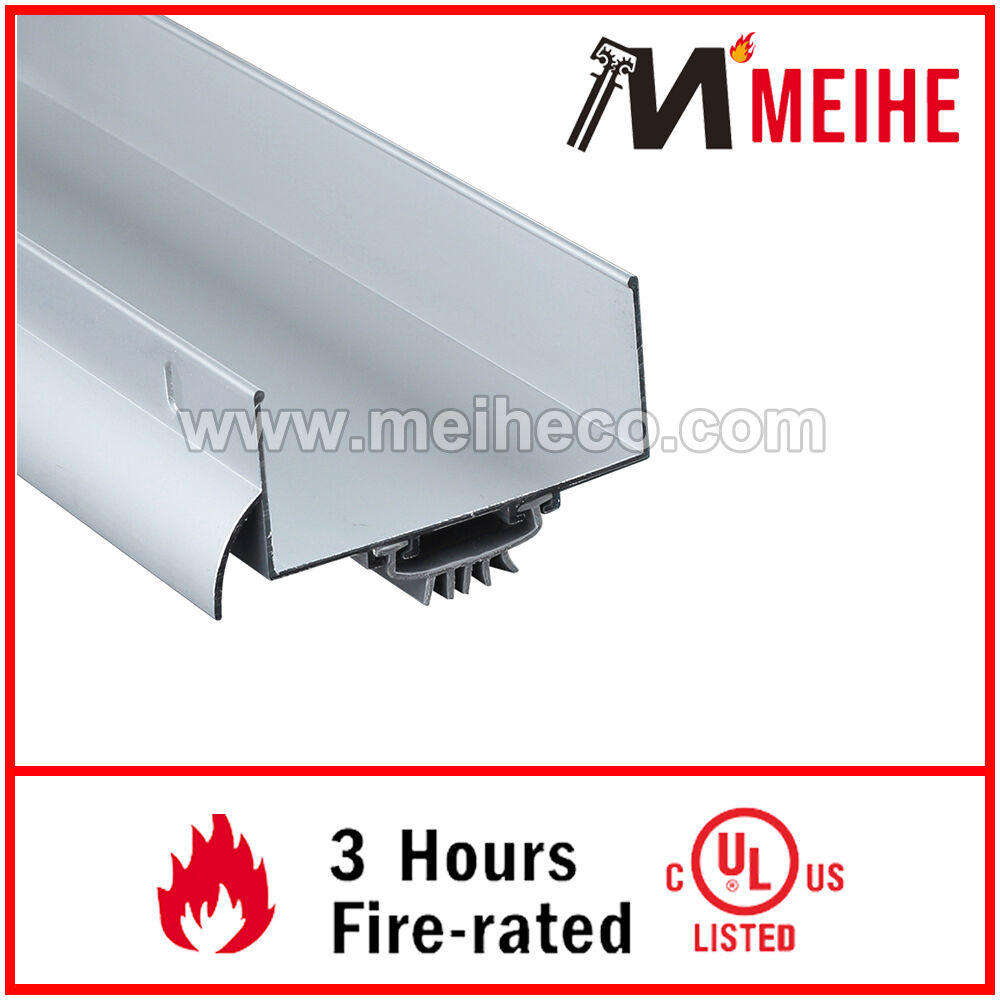
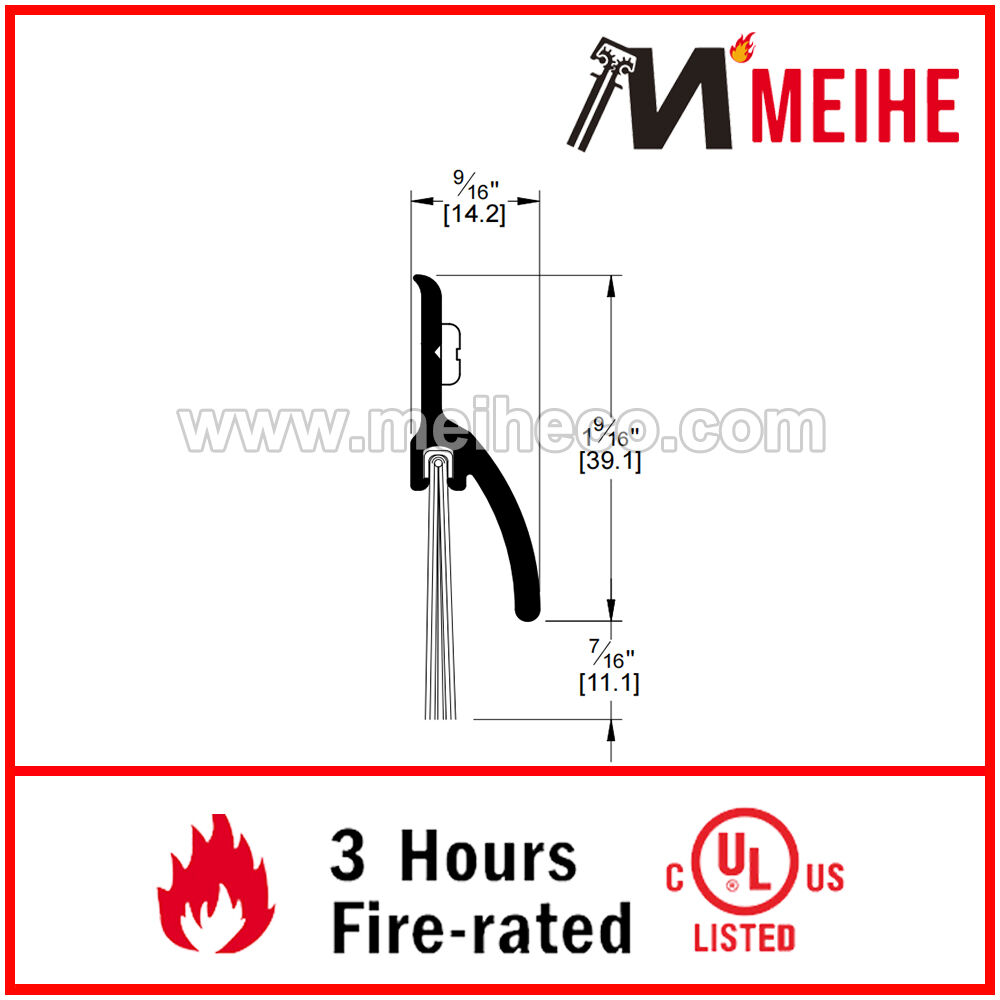
Silicone weather stripping represents a revolutionary sealing solution designed to protect buildings from environmental elements while maintaining energy efficiency. This advanced sealing material consists of high-grade silicone rubber compounds that create an impenetrable barrier against air infiltration, moisture penetration, and temperature fluctuations. The primary function of silicone weather stripping involves sealing gaps around doors, windows, and other structural openings to prevent unwanted air exchange between indoor and outdoor environments. The technological foundation of silicone weather stripping relies on its molecular structure, which provides exceptional flexibility and durability across extreme temperature ranges. Unlike traditional rubber or foam alternatives, silicone weather stripping maintains its sealing properties in temperatures ranging from -65°F to 400°F, making it suitable for diverse climatic conditions. The material demonstrates superior resistance to ultraviolet radiation, ozone exposure, and chemical degradation, ensuring long-lasting performance without compromising its sealing effectiveness. Installation applications for silicone weather stripping span residential, commercial, and industrial sectors. Homeowners utilize this sealing solution around exterior doors, windows, garage doors, and attic access points to reduce energy costs and improve indoor comfort. Commercial buildings benefit from silicone weather stripping installation on curtain walls, storefront systems, and HVAC equipment housings. Industrial facilities rely on this material for sealing clean rooms, manufacturing equipment, and specialized containment systems. The versatility of silicone weather stripping extends to automotive applications, marine environments, and aerospace industries where reliable sealing under extreme conditions remains critical. Manufacturing processes employ advanced extrusion techniques to create various profiles including hollow bulb seals, solid strips, and custom configurations tailored to specific application requirements. These technological capabilities enable precise dimensional control and consistent material properties throughout production runs.
 ×
×


 EN
EN