interior door weather stripping
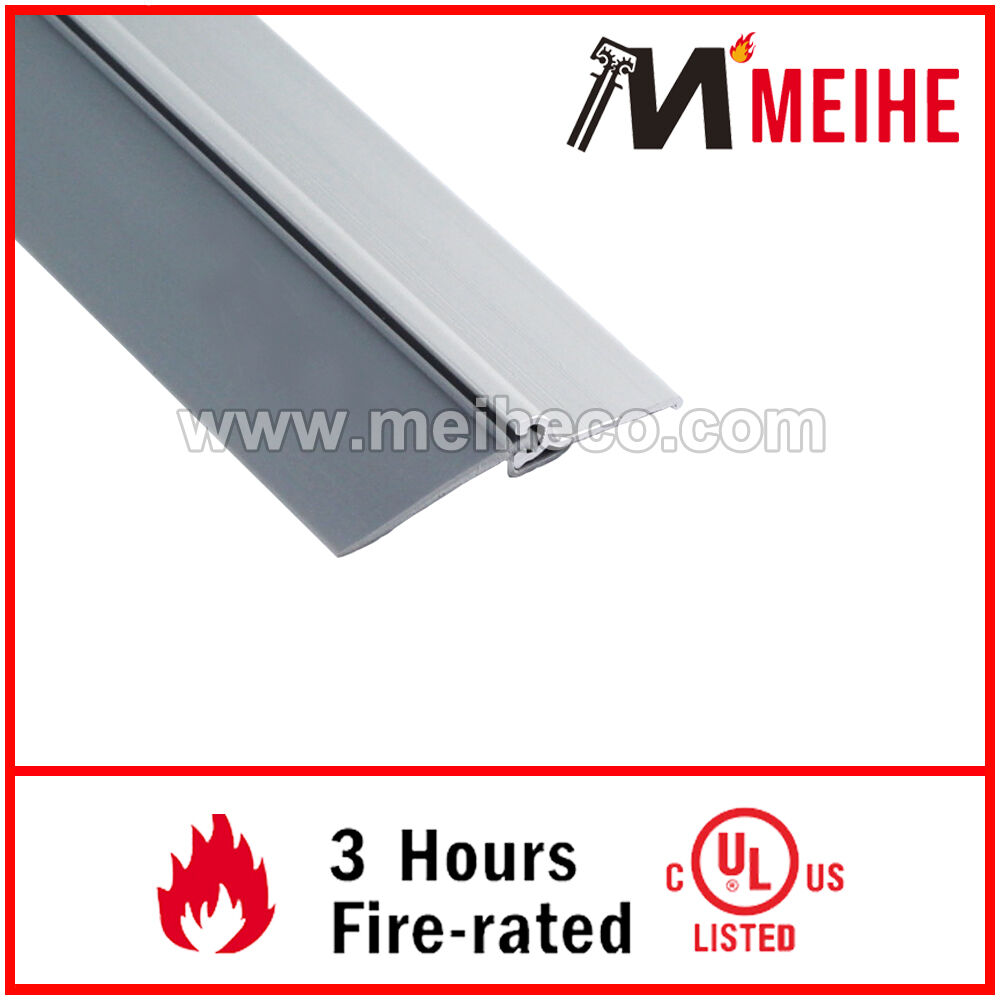
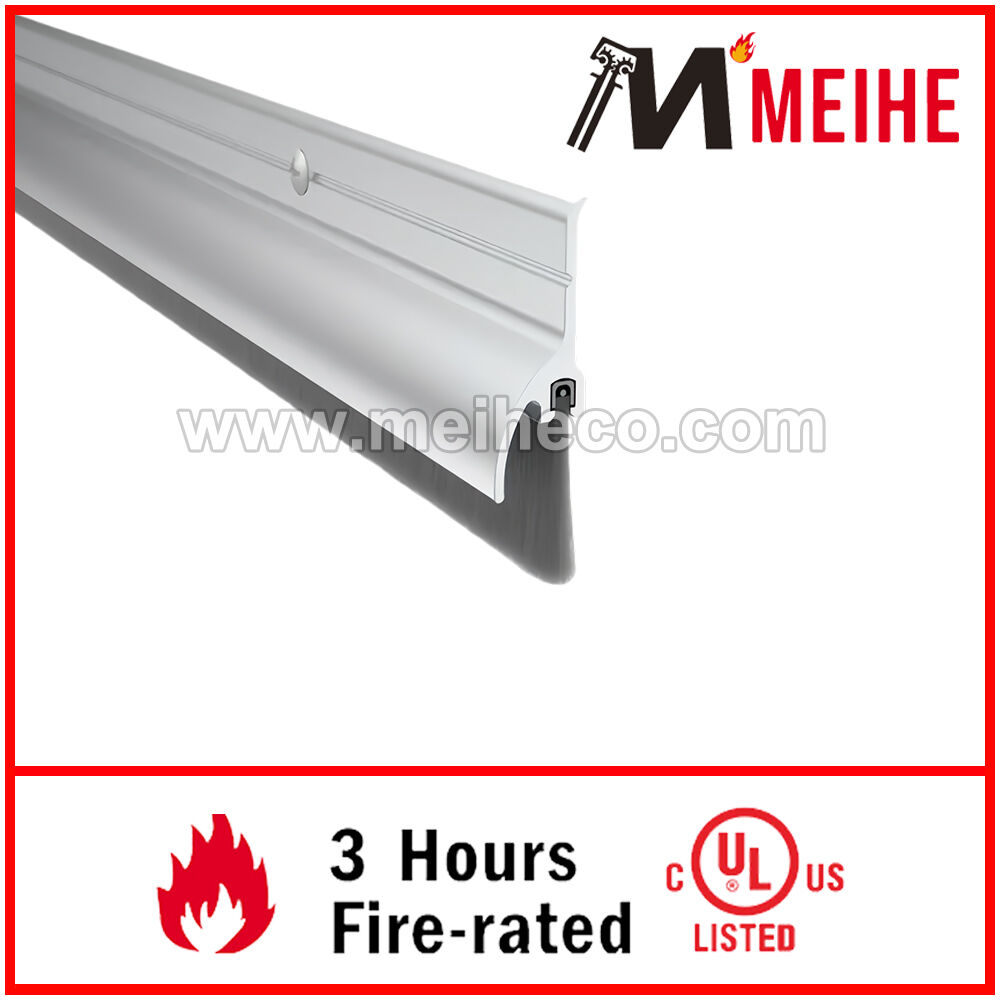
Interior door weather stripping represents a crucial component in modern home energy efficiency and comfort management systems. This specialized sealing solution creates an effective barrier between different rooms within your home, preventing unwanted air transfer and maintaining optimal climate control throughout your living spaces. Interior door weather stripping consists of flexible materials such as foam, rubber, vinyl, or felt that compress when doors close, forming a tight seal around door frames and thresholds. The primary function of interior door weather stripping involves controlling air circulation between rooms, which significantly impacts heating and cooling efficiency. By installing quality interior door weather stripping, homeowners can effectively compartmentalize their living spaces, allowing for zone-based climate control that reduces energy consumption and utility costs. The technological features of interior door weather stripping include advanced materials engineered for durability and compression recovery. Modern interior door weather stripping products utilize closed-cell foam technology that maintains its sealing properties over extended periods, even with frequent door operation. Self-adhesive backing systems ensure easy installation without requiring specialized tools or professional assistance. Many interior door weather stripping products feature adjustable profiles that accommodate varying gap sizes and door tolerances. The applications for interior door weather stripping extend beyond simple energy conservation. These products effectively reduce noise transmission between rooms, creating quieter living environments and enhanced privacy. Interior door weather stripping also prevents dust, allergens, and odors from migrating between spaces, contributing to improved indoor air quality. In homes with pets, interior door weather stripping helps contain pet hair and dander within specific areas. Commercial applications include offices, healthcare facilities, and educational buildings where controlling air circulation and noise levels remains essential for productivity and comfort.
 ×
×


 EN
EN