
 EN



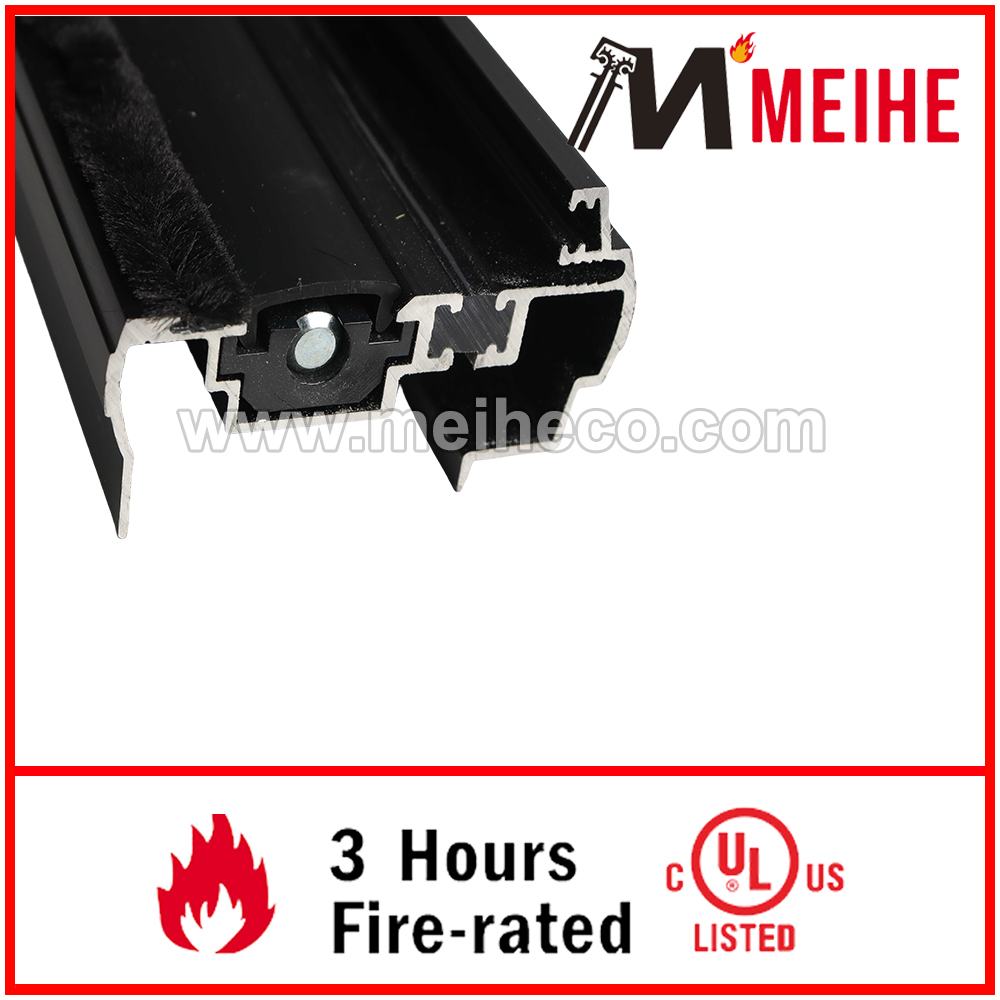
An astragal is a critical sealing component found on double doors and sliding door systems, designed to reduce air and water infiltration while minimizing sound transmission. Over time, your astragal will experience wear and degradation from constant exposure to weather, temperature fluctuations, and mechanical stress. Recognizing the signs that show your astragal needs replacement is essential for maintaining energy efficiency, security, and comfort in your building. Understanding these warning indicators helps you avoid costly energy losses and prevent further damage to your door frame or adjacent surfaces.
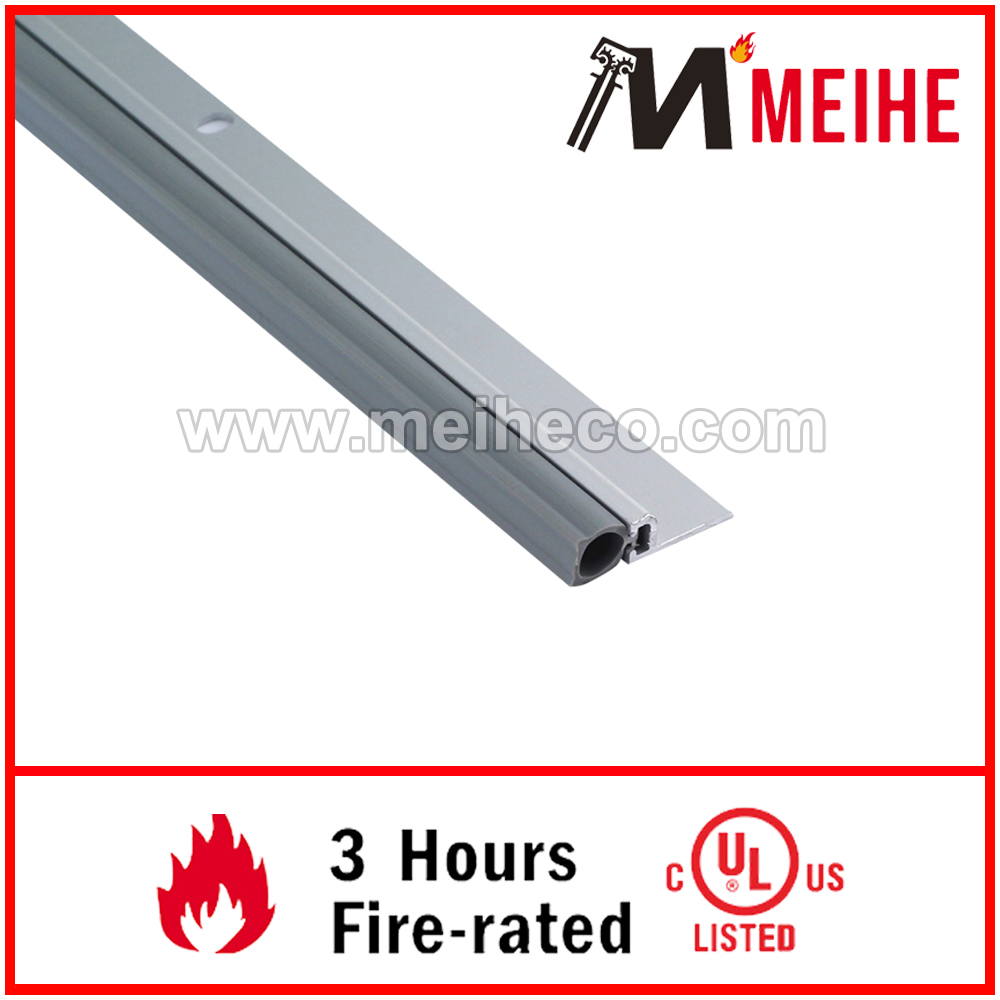
The performance of your astragal directly impacts the functionality of your entire door assembly. When an astragal begins to fail, the consequences extend beyond simple drafts. You may notice increased heating and cooling costs, water damage around door frames, or even pest infiltration. This article explores the visible and functional signs that indicate your astragal requires replacement, helping you make informed decisions about maintenance and upgrades.
Physical Wear and Visible Damage
Cracking and Surface Deterioration
One of the most obvious signs that show your astragal needs replacement is the presence of visible cracks, splits, or surface deterioration. An astragal made from rubber, silicone, or other elastomer materials will gradually harden and become brittle over time. When you inspect your astragal closely, look for deep cracks that run across the sealing profile or splits along the edges. These defects compromise the sealing integrity of the astragal, allowing air and moisture to bypass the protective barrier. The astragal's structural integrity determines its ability to maintain pressure contact with the door leaf or window frame.
Compression Set and Loss of Resilience
An aging astragal loses its ability to spring back after compression. If you press your finger against the astragal and the impression remains visible for several seconds, or if the astragal no longer returns to its original shape, this indicates compression set has occurred. This condition is a clear sign that your astragal needs replacement because the compressed astragal cannot maintain adequate contact with the opposing surface. A healthy astragal should feel firm yet slightly yielding, and should recover immediately when pressure is released. Loss of resilience means the astragal will allow gaps to form, negating its sealing function regardless of how well the door closes.
Energy Performance and Environmental Sealing Failures
Drafts and Air Leakage
Persistent drafts around your double doors or sliding door system often signal that your astragal needs replacement. You can detect drafts by holding a lighted candle or using a smoke pen near the astragal area. If the flame flickers or the smoke drifts away from the door frame, air is leaking through gaps created by a deteriorating astragal. Modern building standards require minimal air infiltration at door assemblies, and a failing astragal violates these performance benchmarks. The astragal's primary function is to stop air movement between door leaves or between the door and frame, so any visible draft indicates the astragal no longer performs this critical role. Over time, these drafts drive up your heating and cooling costs significantly.
Water Damage and Moisture Intrusion
Water stains, mold growth, or dampness near your door frame or along the astragal area reveal that your astragal needs replacement due to failed water-sealing performance. If you notice discoloration on the wall adjacent to the door, or if the astragal itself shows signs of water absorption or staining, moisture is bypassing the seal. A compromised astragal allows rain and condensation to penetrate the door assembly, potentially damaging framing materials and creating conditions for mold development. Indoor wood floors, carpeting, or wall finishes showing water damage near the doors strongly suggest the astragal seal has failed. Water damage becomes progressively more expensive to repair the longer it remains unaddressed, making prompt astragal replacement a cost-effective preventive measure.
Operational and Acoustic Performance Decline
Increased Noise Transmission
If you notice that external noise is now more audible in your space, or if your door assembly no longer provides the sound isolation it once did, your astragal needs replacement to restore acoustic performance. An astragal contributes significantly to sound dampening by creating an air gap and providing damping material between door leaves. As the astragal degrades, this acoustic barrier weakens. The astragal's mass and flexibility help absorb and block sound waves; a hardened or compressed astragal loses these properties. This is especially noticeable in commercial buildings, hospitality environments, or high-traffic areas where sound control matters. Testing whether the astragal needs replacement can be as simple as having a colleague stand outside while you assess sound levels from inside.
Door Alignment and Seal Contact Issues
A deteriorating astragal may cause observable changes in how your door closes or seals. If the door requires more force to close, or if it no longer closes smoothly without gaps, the astragal may need replacement. Some astragals include a compression element that maintains consistent contact between the door leaf and the astragal profile. When this element fails or the astragal material loses resilience, the contact pressure decreases. You might notice that the door rattles slightly when moved or that visible light appears around the door edges when closed. These signs that show your astragal needs replacement often appear before actual water damage occurs, offering an opportunity to intervene proactively.
Common Failure Causes and Contributing Factors
Environmental and UV Exposure
Astragals exposed to direct sunlight suffer accelerated degradation because ultraviolet radiation breaks down the polymer chains in rubber and silicone materials. If your astragal is mounted on an exterior-facing door in a sunny climate, UV damage may be the primary reason your astragal needs replacement. Thermal cycling—repeated heating and cooling cycles—also accelerates material fatigue and compression set. Coastal environments introduce salt spray and humidity factors that increase degradation rates. Geographic location and door orientation directly influence how quickly an astragal ages, which is why you may find that one door's astragal requires replacement before others in your facility.
Installation Quality and Material Selection
An astragal installed incorrectly or one manufactured from substandard materials will fail prematurely. If the astragal was not compressed properly during installation, or if the profile was chosen for aesthetics rather than performance requirements, you may discover early signs that your astragal needs replacement. High-quality astragals manufactured from marine-grade silicone or specialized rubber compounds resist degradation far longer than basic materials. Installation technique matters equally because improper attachment leaves gaps or inconsistent compression that allows premature wear. When you replace an astragal, selecting the correct profile for your specific door type and application prevents premature failure in your replacement.
FAQ
How often should an astragal be replaced?
The service life of an astragal typically ranges from 7 to 15 years depending on climate, UV exposure, material quality, and maintenance. Coastal environments or locations with extreme temperature swings may require astragal replacement every 5 to 7 years, while protected interior applications might extend to 20 years. Rather than following a fixed schedule, base astragal replacement on the condition indicators described above. Regular visual inspections every 2 to 3 years help you catch degradation early and plan replacement before performance failures create secondary damage.
Can a deteriorating astragal cause security issues?
Yes, a failing astragal can compromise building security by creating gaps between door leaves that might allow forced entry or manipulation of the door mechanism. Gaps left by a compressed or cracked astragal reduce the integrity of the door assembly's mechanical strength. In addition, an ineffective astragal may not maintain proper alignment contact, which can interfere with magnetic locks or contact sensors. Security and performance are interconnected in door assemblies, so maintaining a properly functioning astragal is part of comprehensive security maintenance.
What is the cost impact of delaying astragal replacement?
Delaying astragal replacement often results in significantly higher costs than the replacement itself. Water damage, mold remediation, frame rot, and flooring replacement far exceed the expense of replacing an astragal promptly. Energy costs increase steadily as an astragal degrades, and pest entry may introduce additional complications. In commercial facilities, the loss of acoustic performance or security integrity can affect operations and tenant satisfaction. Replacing an astragal at the first signs of failure is a cost-effective investment that protects your larger investment in the door assembly and building envelope.