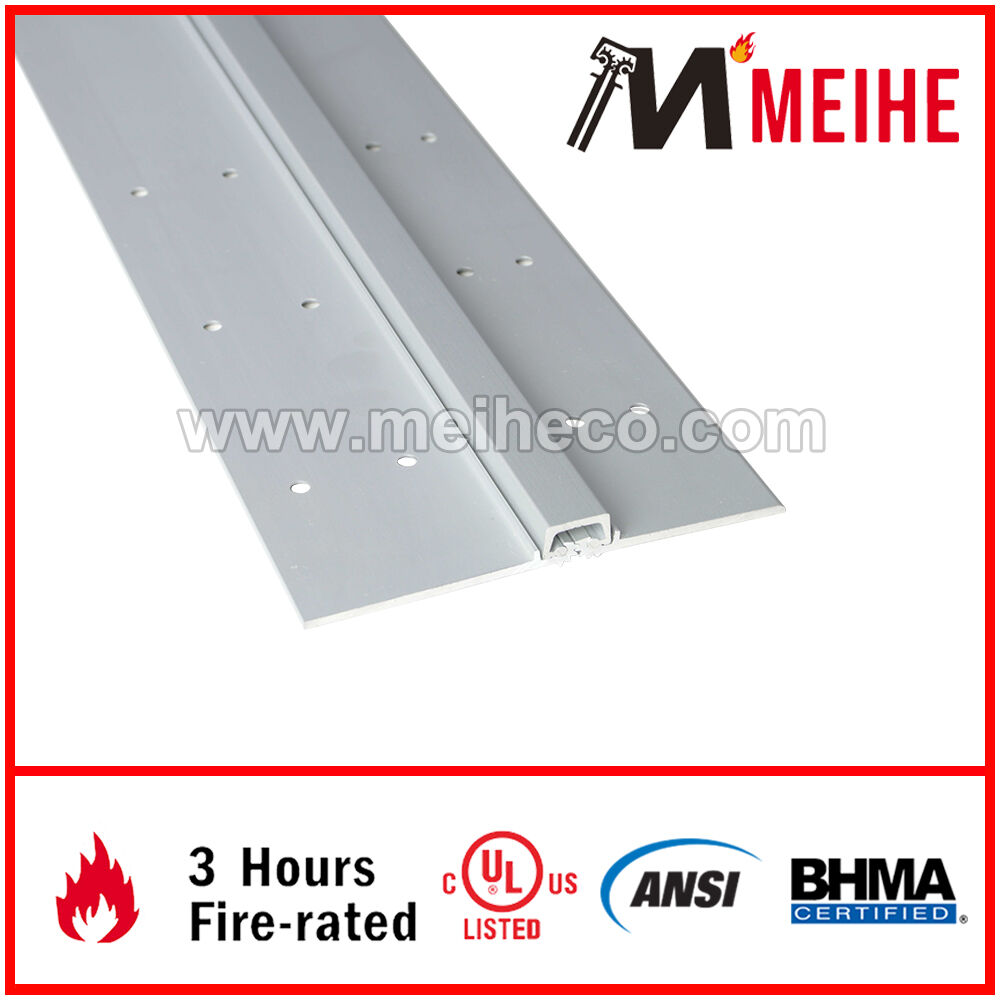
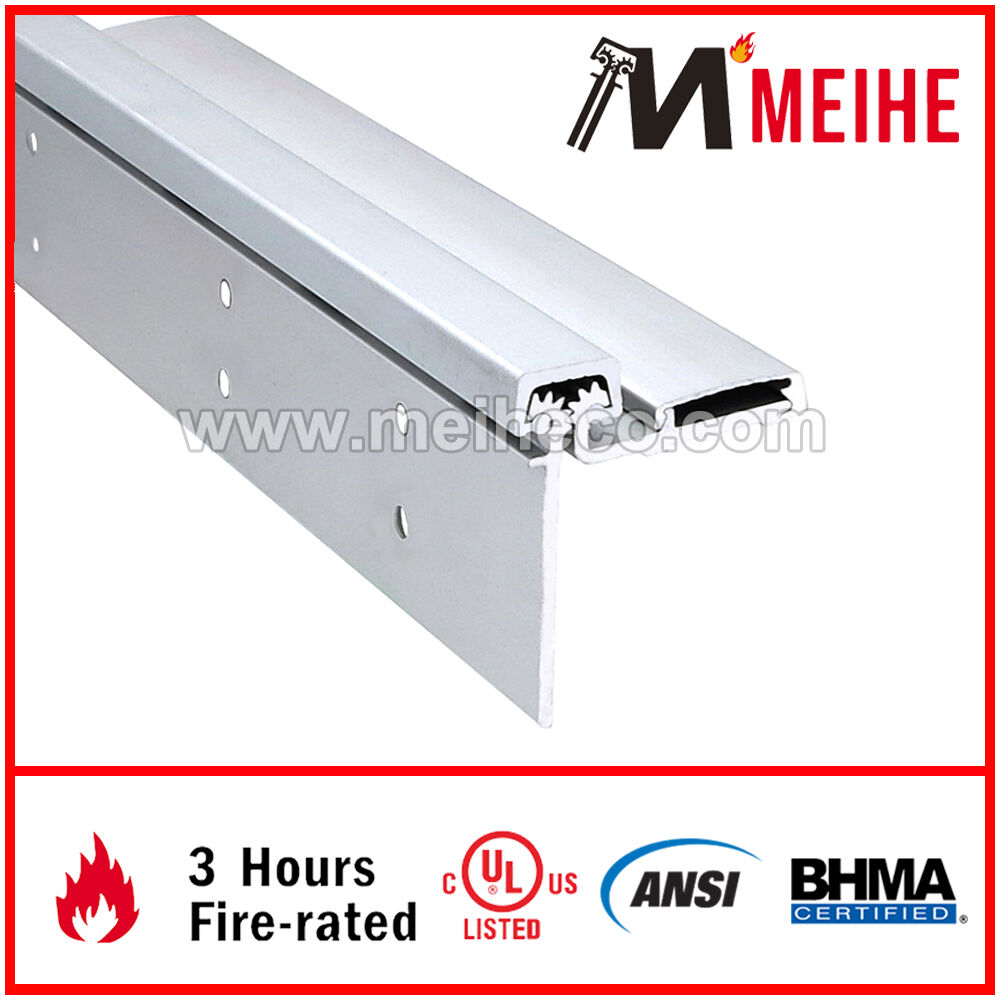
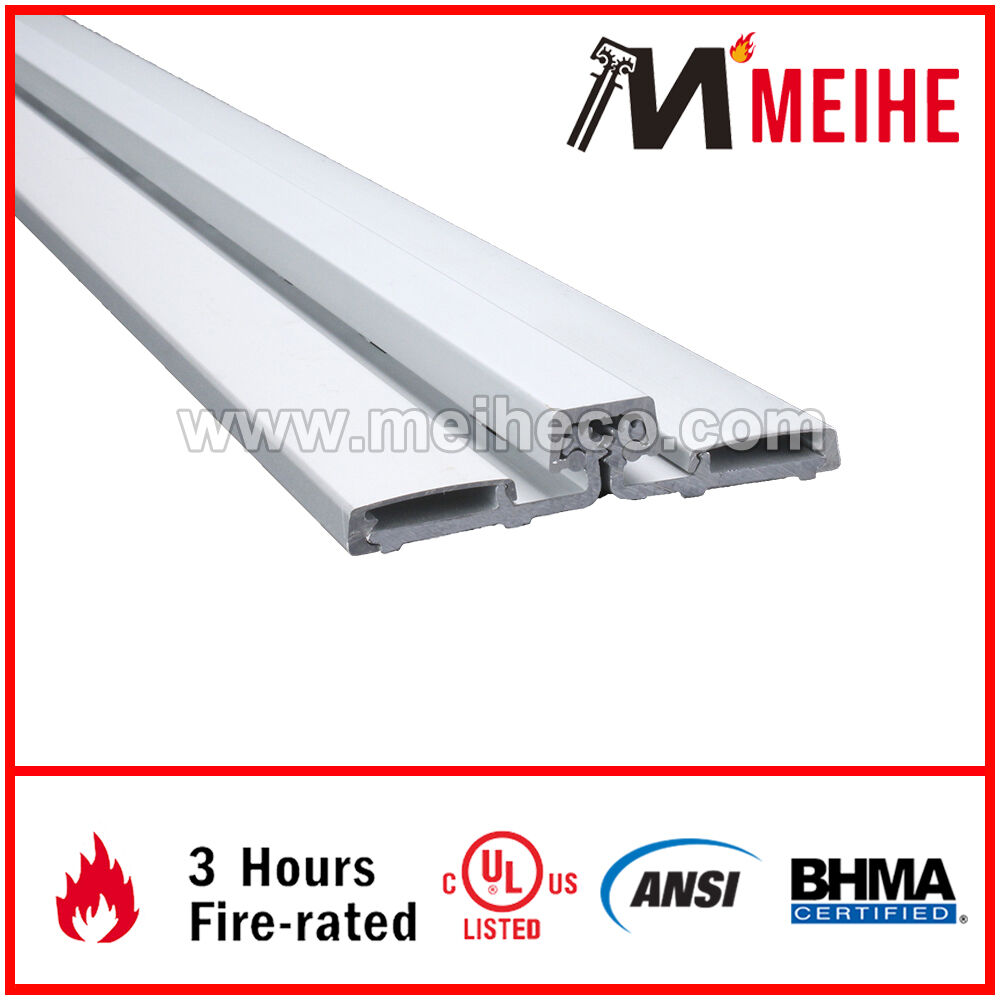
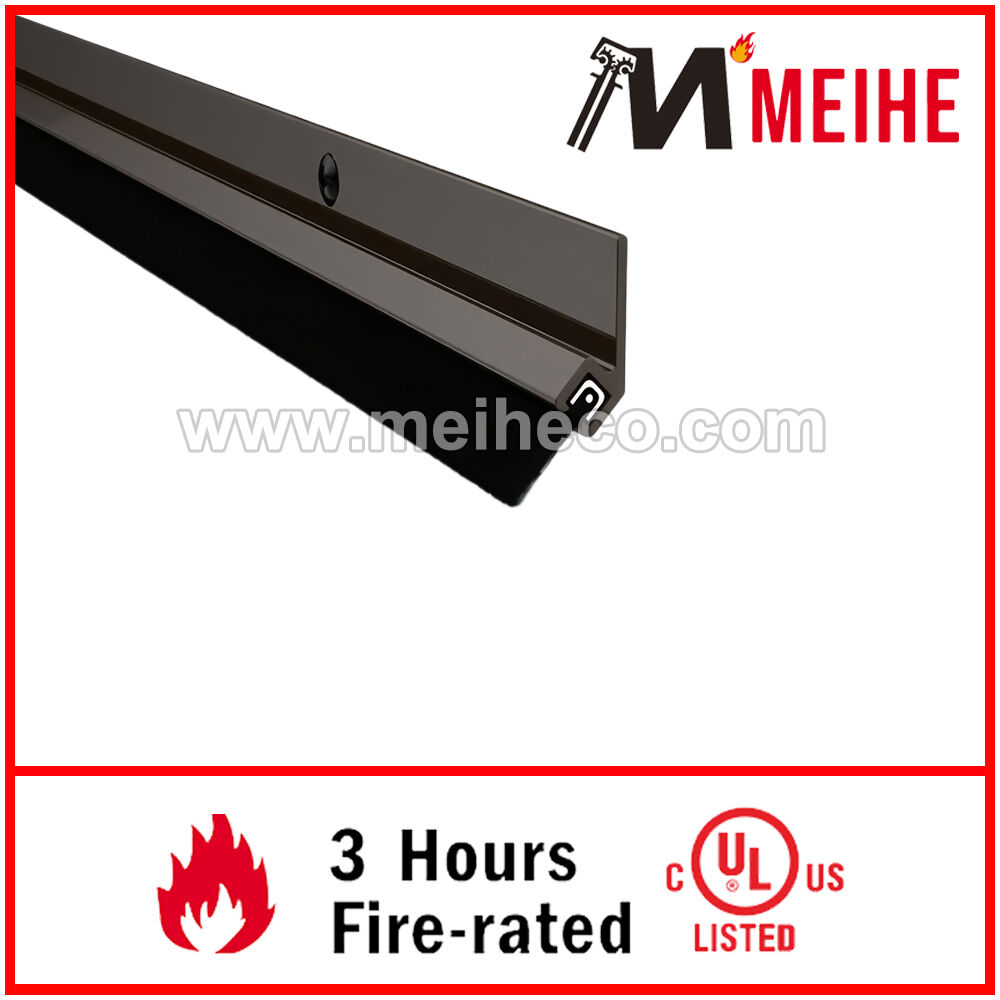
aluminum weather stripping
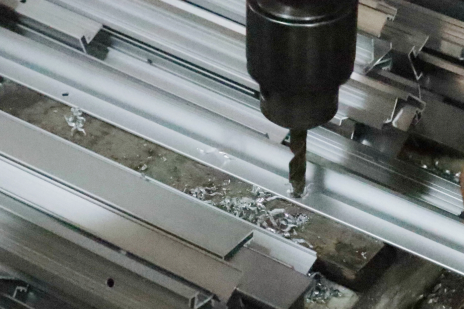
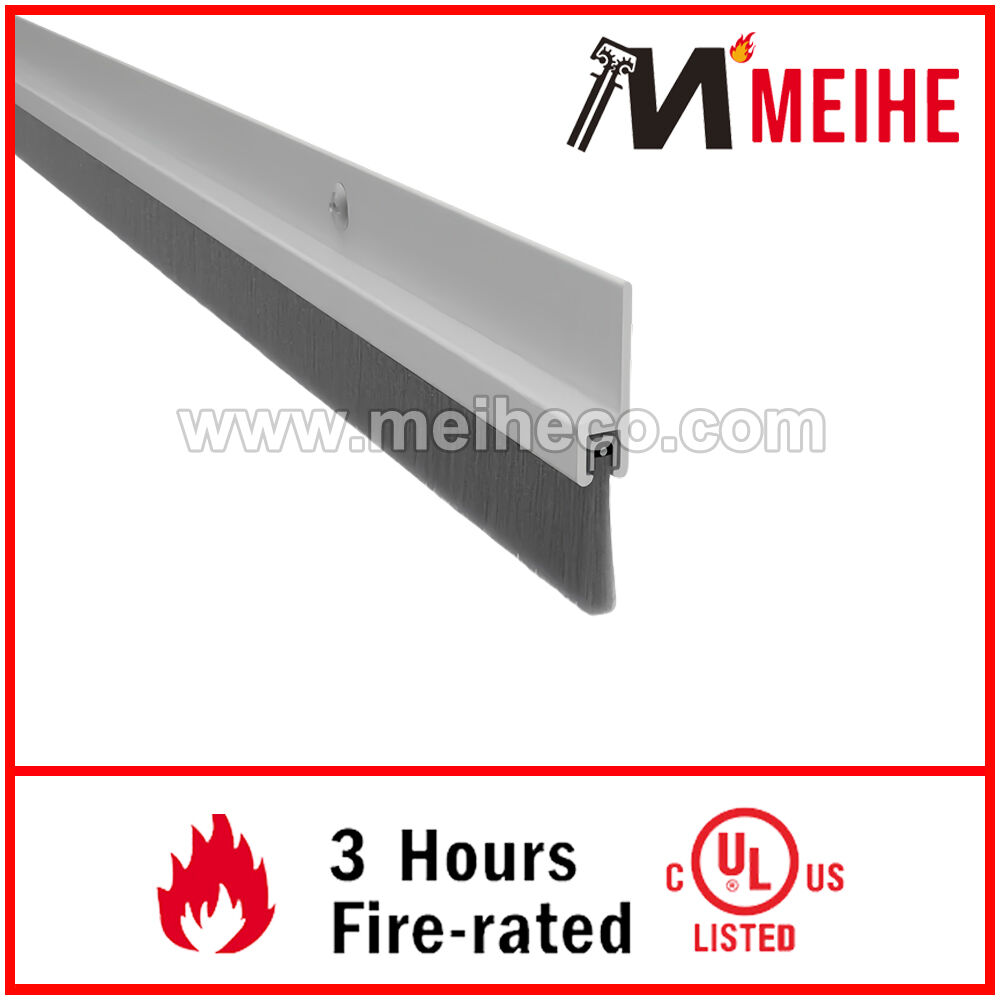
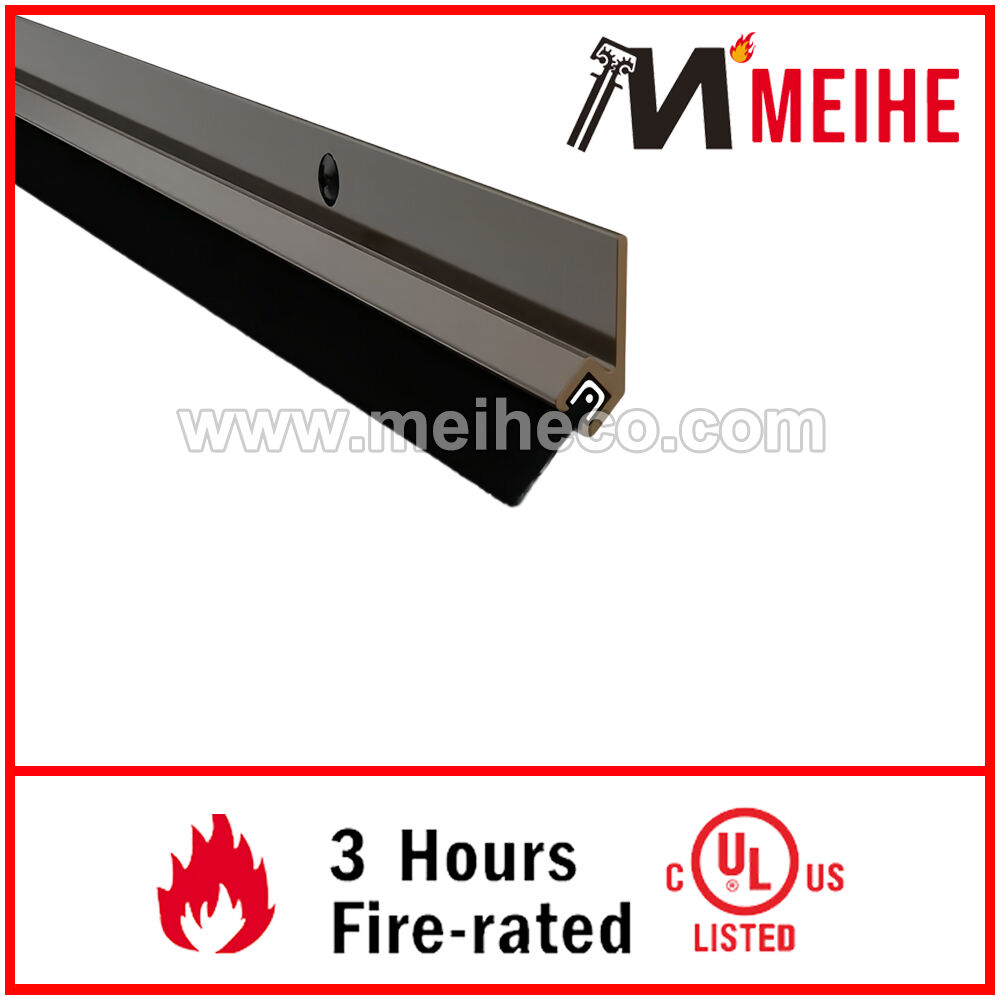
Aluminum weather stripping represents a sophisticated sealing solution designed to create an effective barrier against external elements while maintaining optimal indoor climate control. This specialized material combines the inherent strength and corrosion resistance of aluminum with precision engineering to deliver superior weatherproofing performance across residential and commercial applications. The primary function of aluminum weather stripping involves sealing gaps around doors, windows, and other structural openings to prevent air infiltration, moisture penetration, and energy loss. The material serves as a critical component in building envelope systems, working continuously to maintain thermal efficiency and protect interior spaces from harsh weather conditions. Technologically, aluminum weather stripping incorporates advanced manufacturing processes that create precise dimensions and consistent performance characteristics. The extrusion process allows for complex cross-sectional designs that optimize sealing effectiveness while maintaining structural integrity. Many aluminum weather stripping products feature integrated gaskets or compression seals made from EPDM rubber, silicone, or other elastomeric materials that enhance sealing capabilities. The surface treatments applied to aluminum weather stripping, including anodizing or powder coating, provide enhanced durability and aesthetic appeal while protecting against oxidation and wear. Applications for aluminum weather stripping span numerous sectors, including residential construction, commercial buildings, automotive manufacturing, marine environments, and industrial facilities. In residential settings, aluminum weather stripping commonly seals entry doors, sliding patio doors, casement windows, and garage doors. Commercial applications include storefronts, curtain wall systems, and high-traffic entrance systems where durability and consistent performance are paramount. The material proves particularly valuable in coastal environments where salt exposure demands superior corrosion resistance, and in regions experiencing extreme temperature variations where thermal expansion and contraction stress standard materials.
 ×
×


 EN
EN