
 EN



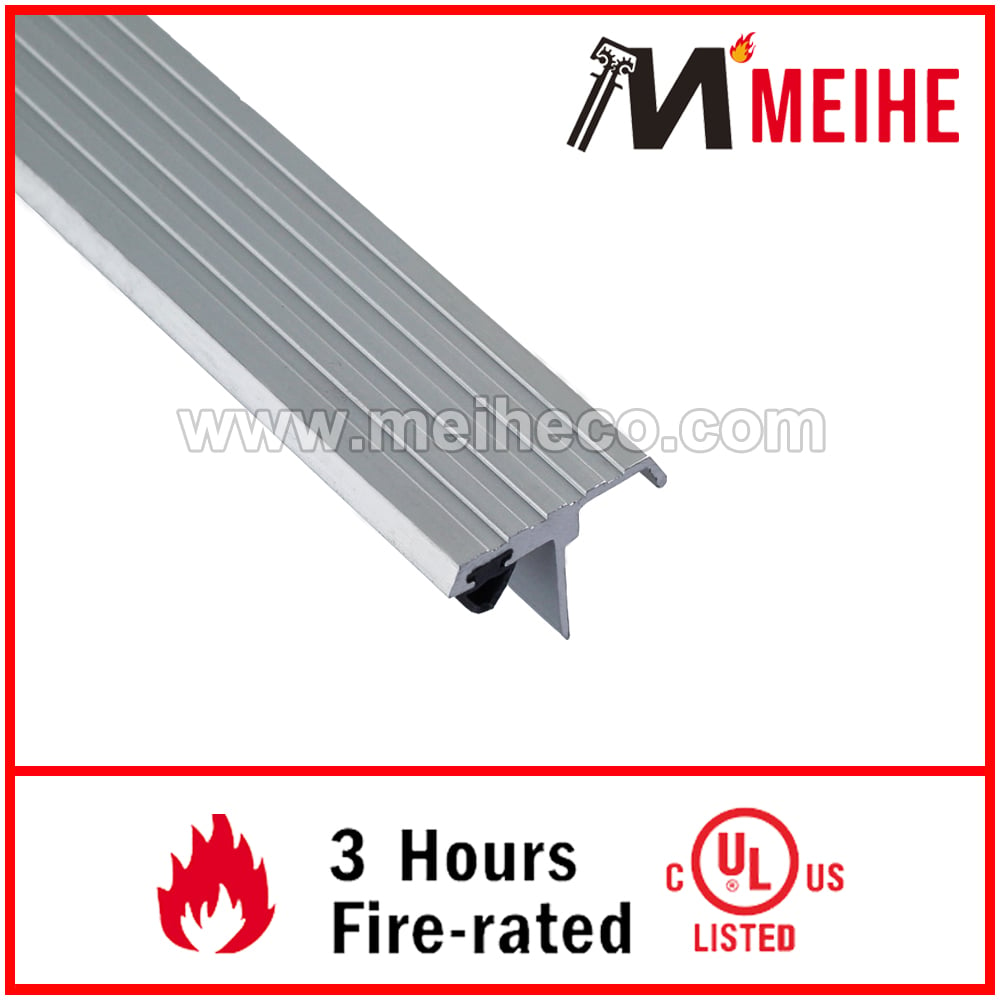
Understanding how an astragal interacts with door hardware is essential for architects, builders, and facility managers who design and maintain door systems. An astragal is a specialized component that bridges the gap between two door leaves or between a door and its frame, playing a critical role in sealing, alignment, and overall system performance. Without proper knowledge of astragal function and its relationship to hinges, closers, and other hardware, door installations can suffer from poor sealing, misalignment, and premature wear. This guide explores the key interactions between an astragal and the hardware that supports it.
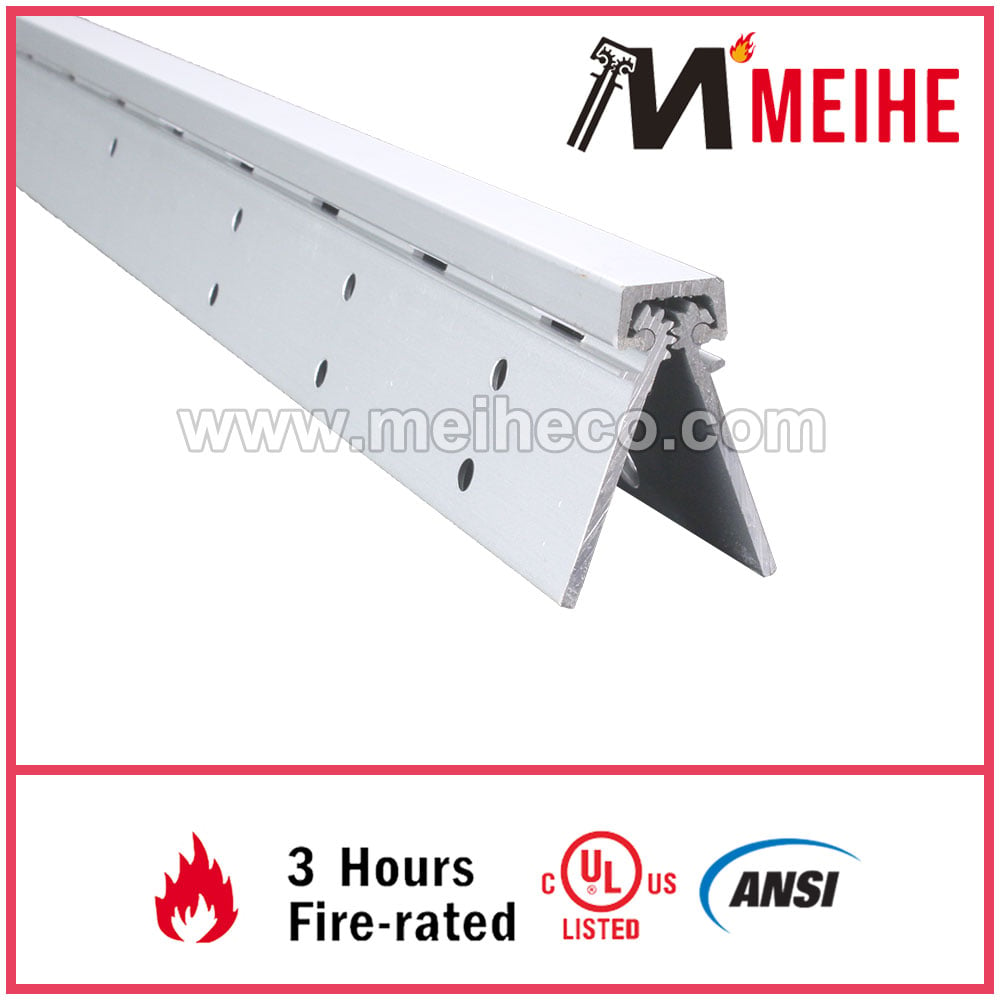
The relationship between an astragal and door hardware is multifaceted, involving structural support, sealing integrity, and operational smoothness. When an astragal is properly coordinated with hinges, closers, and other door hardware components, the entire door assembly functions more efficiently, maintains better environmental seals, and experiences less stress on individual components. Many door system failures stem not from hardware defects but from poor astragal integration, making this topic central to any professional involved in door design or maintenance.
Structural Alignment and Hardware Coordination
Load Distribution Through Hinges and Astragals
An astragal must work seamlessly with the hinge system to distribute the weight of the door leaf evenly. When doors swing, the astragal experiences lateral forces that can cause it to flex or separate from the door frame. High-quality hinges must compensate for these forces by maintaining precise alignment of the astragal throughout the swing cycle. The astragal acts as a vertical stabilizer, and hinges provide the rotational pivot points that allow the astragal to maintain its position relative to the door frame. Without proper hinge selection and installation, an astragal can drift out of alignment, compromising the seal and allowing air and moisture infiltration.
The interaction between an astragal and continuous geared hinges, for example, creates a more stable platform for double-leaf doors. Geared hinges synchronize the movement of both leaves, which keeps the astragal centered and prevents binding or misalignment. This synchronization is particularly important in commercial and industrial settings where door systems operate under high-frequency use. When specifying an astragal for a project, you must consider the hinge type, load rating, and expected duty cycle to ensure all components work together harmoniously.
Frame-to-Hardware Integration Points
The astragal connects to the door frame through multiple attachment points, and each connection must be coordinated with nearby hardware. Door closers, push bars, and locking mechanisms all create physical and functional constraints that affect how an astragal can be mounted. For instance, if a closer arm interferes with astragal placement, the astragal cannot seal properly even if it is structurally sound. Professional astragal design accounts for all hardware positions and ensures that the astragal can be installed without conflicts or compromises to any component's function.
Sealing Performance and Hardware Influence
Gasket Pressure and Closer Coordination
An astragal's sealing effectiveness depends heavily on how door closers apply and maintain pressure. The astragal houses gasket material or sealing surfaces that must press against the adjacent door leaf or frame with consistent force. A door closer that closes too quickly or too slowly affects the astragal's ability to maintain seal integrity. The astragal must be rigid enough to resist deformation when the closer applies closing force, and the closer must be calibrated to close the door smoothly without slamming or creating uneven pressure on the astragal. Improper closer adjustment can cause the astragal to wear unevenly, creating leakage paths that compromise environmental performance.
The material composition of an astragal also influences its interaction with hardware. Aluminum astragals offer rigidity and durability but require precise hardware alignment to prevent binding. Soft astragals that include flexible gaskets provide better forgiveness for minor misalignment but rely on hardware to hold them in proper position. When selecting an astragal, you must evaluate whether your hardware suite supports the stiffness or flexibility of the astragal you choose, and whether the combined system will deliver the sealing performance required by building codes and design specifications.
Threshold and Gasket Compatibility
The astragal extends downward and interacts with the door threshold, which is often considered a separate hardware component. However, the astragal and threshold must work together to create a complete environmental seal. Hardware such as automatic door bottoms or weatherstrip gaskets must be positioned so they do not interfere with the astragal's movement or sealing surface. If the astragal is too thick, it can bind against the threshold when the door closes. If gasket material on the astragal conflicts with separate weatherstrip material on the threshold, the door may not close flush or may trap dirt and debris in the overlapping gaps. Professional coordination of these components during design ensures that sealing is not compromised by hardware conflicts.
Operational Stability and Hardware Load
Impact Resistance and Hardware Durability
An astragal can concentrate impact forces during door operation, placing additional stress on hardware components like hinges and closers. When a door is pushed hard or slammed, the astragal acts as a lever that magnifies the force transmitted to hinges and frame attachment points. Hardware must be rated for these dynamic loads, and the astragal must be secured firmly so it does not absorb or dissipate the impact by shifting position. Proper fastening of the astragal to the door leaf ensures that all impact energy is transmitted safely through the hinge system, preventing cumulative stress that can loosen hardware or damage the door structure over time.
The astragal's interaction with push bars and crash plates also affects operational stability. These devices must be mounted securely and positioned so they do not create stress concentrations at astragal attachment points. If push bar hardware is bolted through or near astragal fasteners, the astragal can shift under load, causing misalignment and seal failure. Coordinating hardware placement during the design phase prevents these conflicts and ensures that the astragal remains stable throughout the door's service life.
Alignment Maintenance Through Regular Hardware Checks
Once a door system is installed, an astragal can drift out of alignment if hinges loosen or wear unevenly. Regular maintenance of hinge bolts, closer adjustment, and frame fasteners keeps the astragal in proper position. Hardware inspection should include verification that the astragal is centered in the gap between doors, that gasket surfaces are making contact with adjacent surfaces, and that no binding or friction occurs during operation. If hinges show wear or play, the astragal will begin to move with each cycle, accelerating wear on gaskets and sealing surfaces. A systematic maintenance program that addresses all hardware components collectively ensures that the astragal performs as designed throughout its life.
FAQ
How does an astragal affect door closer performance?
An astragal provides a rigid mounting surface for many door closer arms and controls how the closer interacts with the adjacent door leaf. The closer must apply force through the astragal to seal the gap between double leaves, and any flexibility or misalignment in the astragal will reduce sealing efficiency. The astragal's weight and stiffness also influence the closing speed and force required from the closer to achieve reliable operation.
Can hinges alone keep an astragal aligned without frame fasteners?
No. While hinges provide rotational support, frame fasteners and intermediate hardware are essential for maintaining astragal alignment. Hinges cannot prevent sideways drift or vertical settling of the astragal, especially under impact or vibration. All connection points, including frame brackets and fasteners on the astragal itself, must be secure and properly spaced to distribute loads evenly and prevent misalignment over time.
What signs indicate that astragal and hardware are misaligned?
Common signs of astragal and hardware misalignment include visible gaps between the astragal and adjacent door leaf, uneven wear on gasket surfaces, resistance or binding during door closure, visible light leaks around the astragal, and noise or creaking sounds when the door operates. Any of these symptoms suggests that hinges, closers, or frame fasteners require adjustment or that the astragal itself needs repositioning to restore proper alignment and sealing.