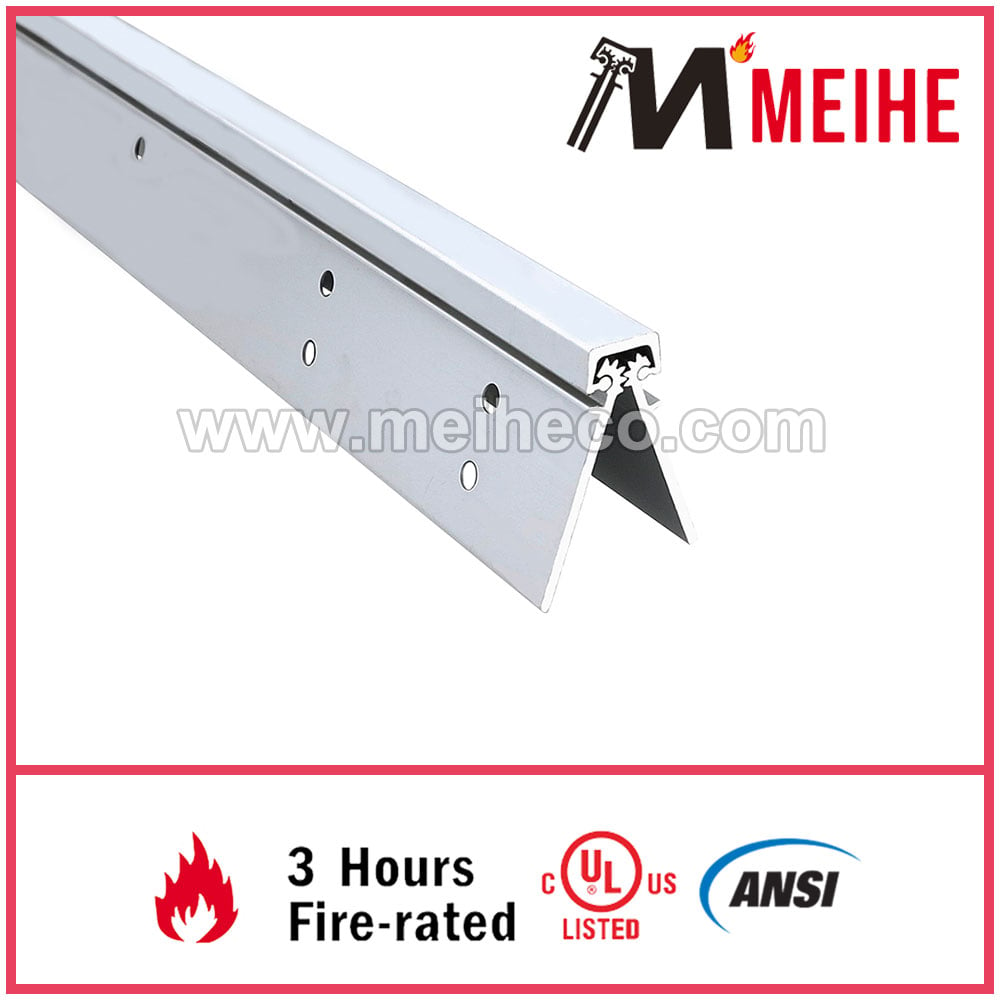
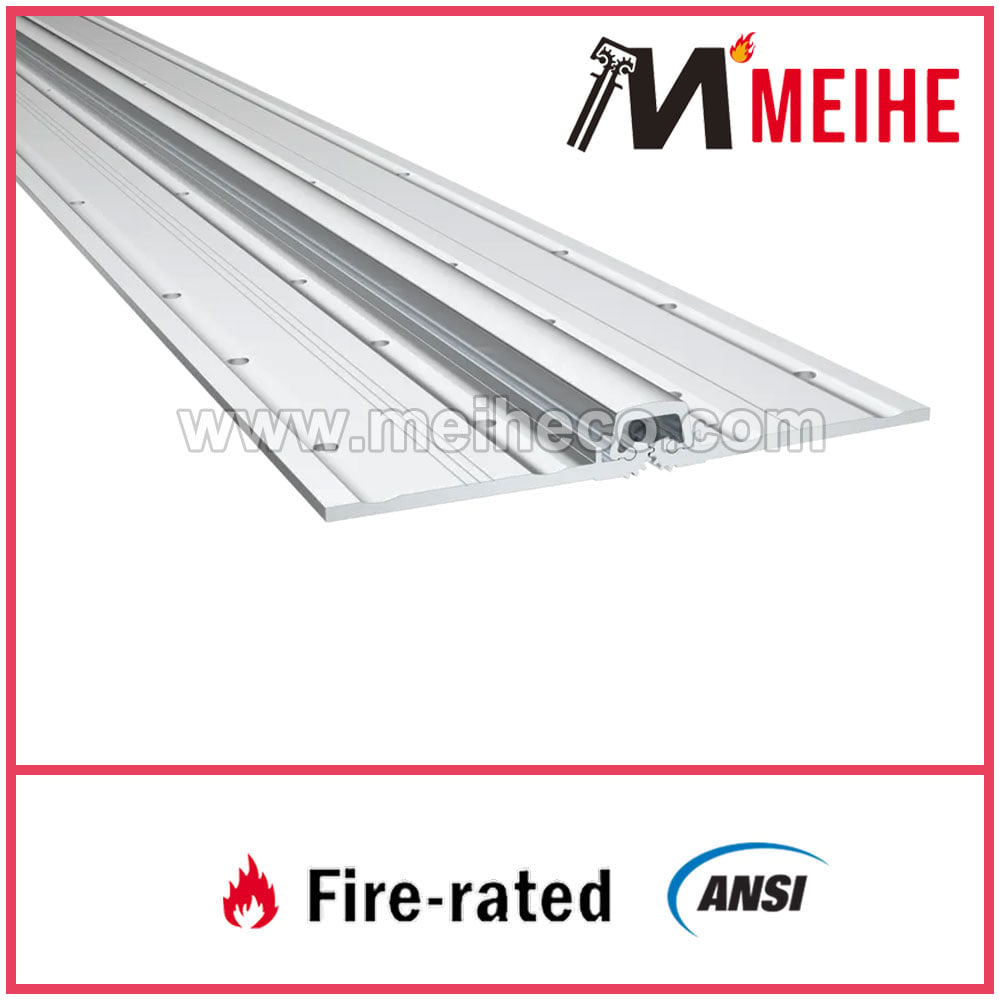
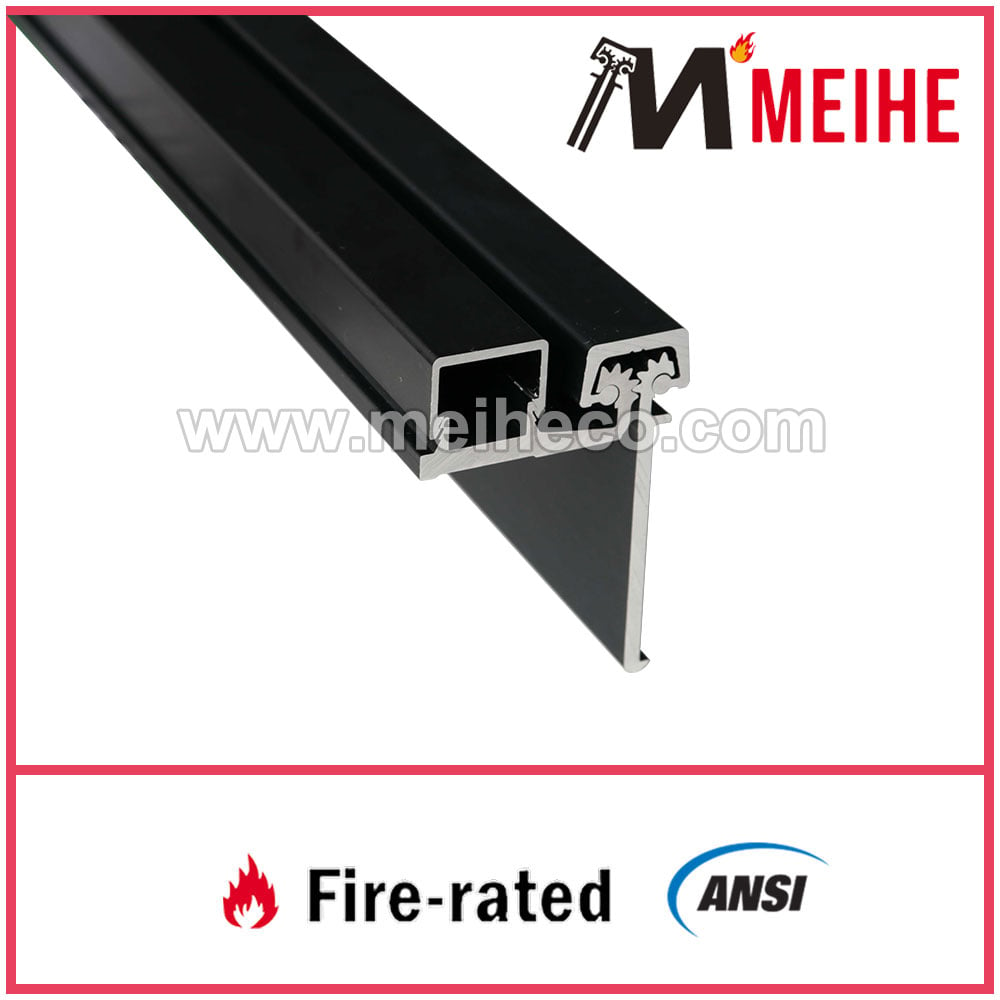
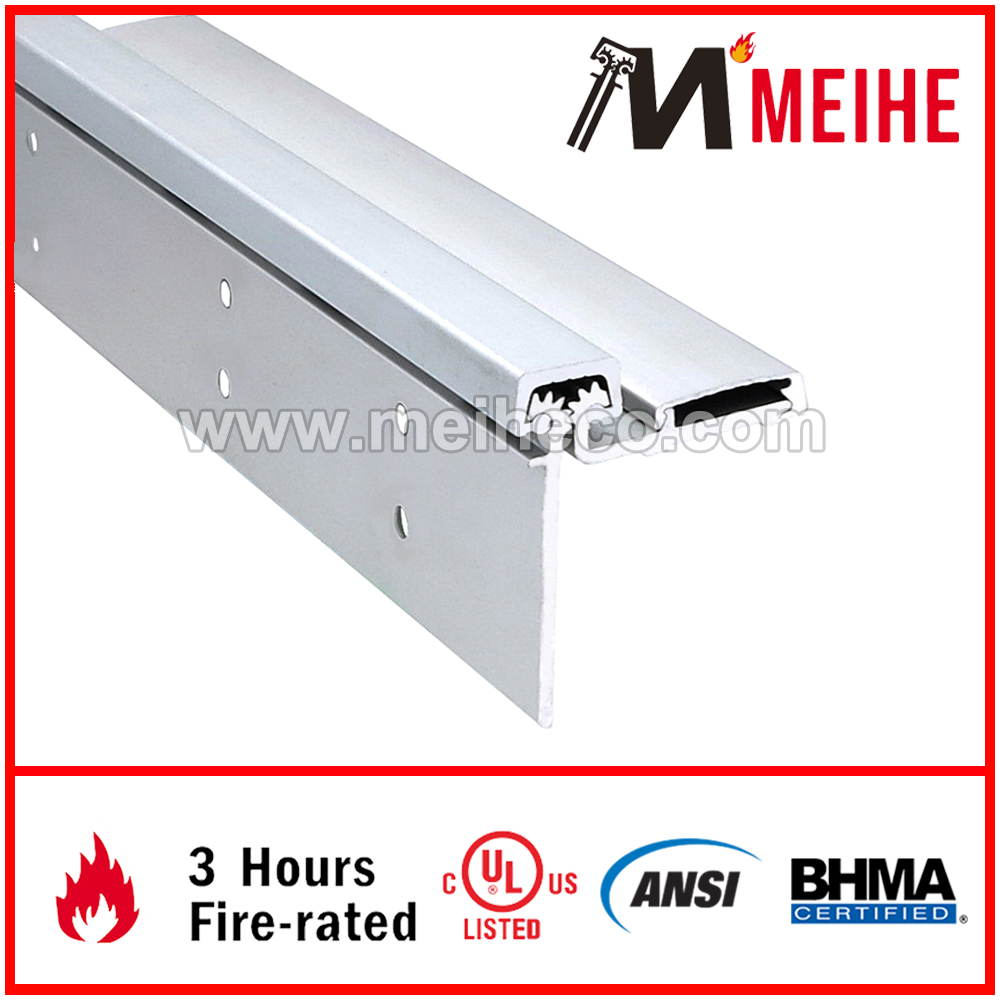
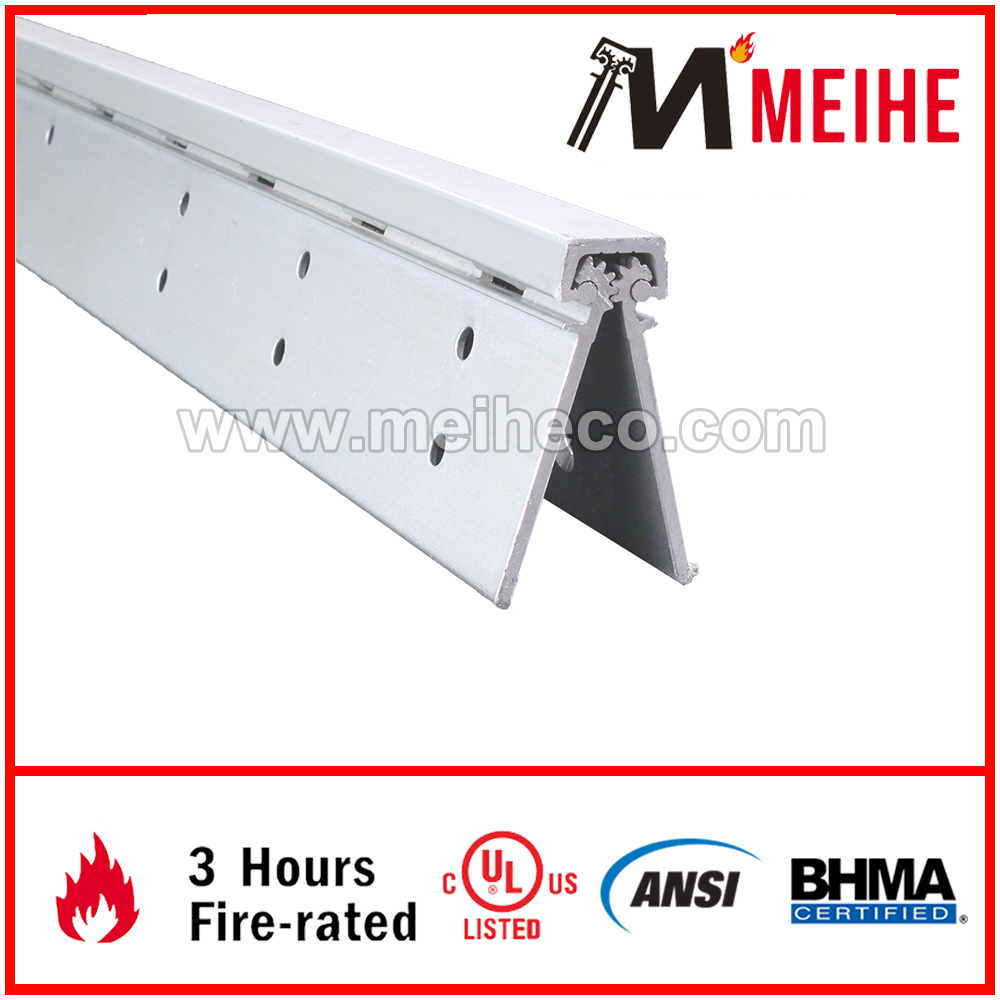
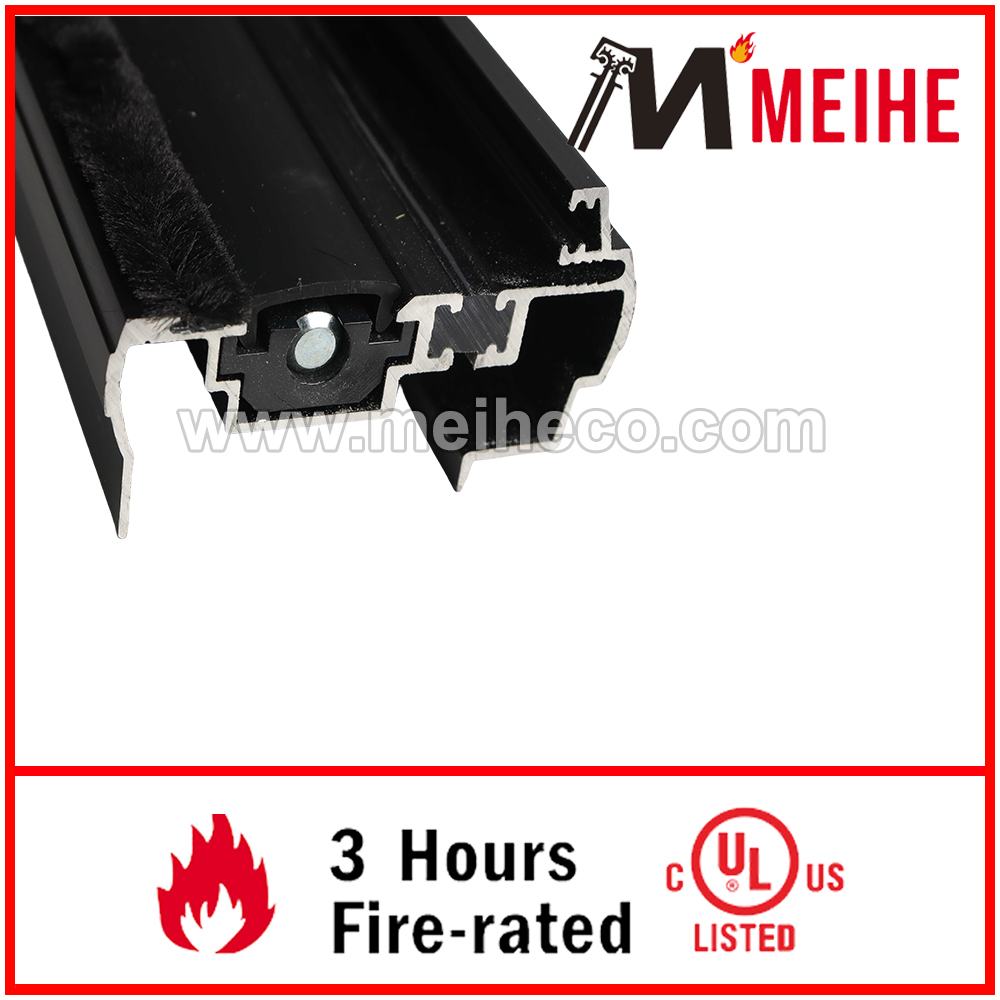
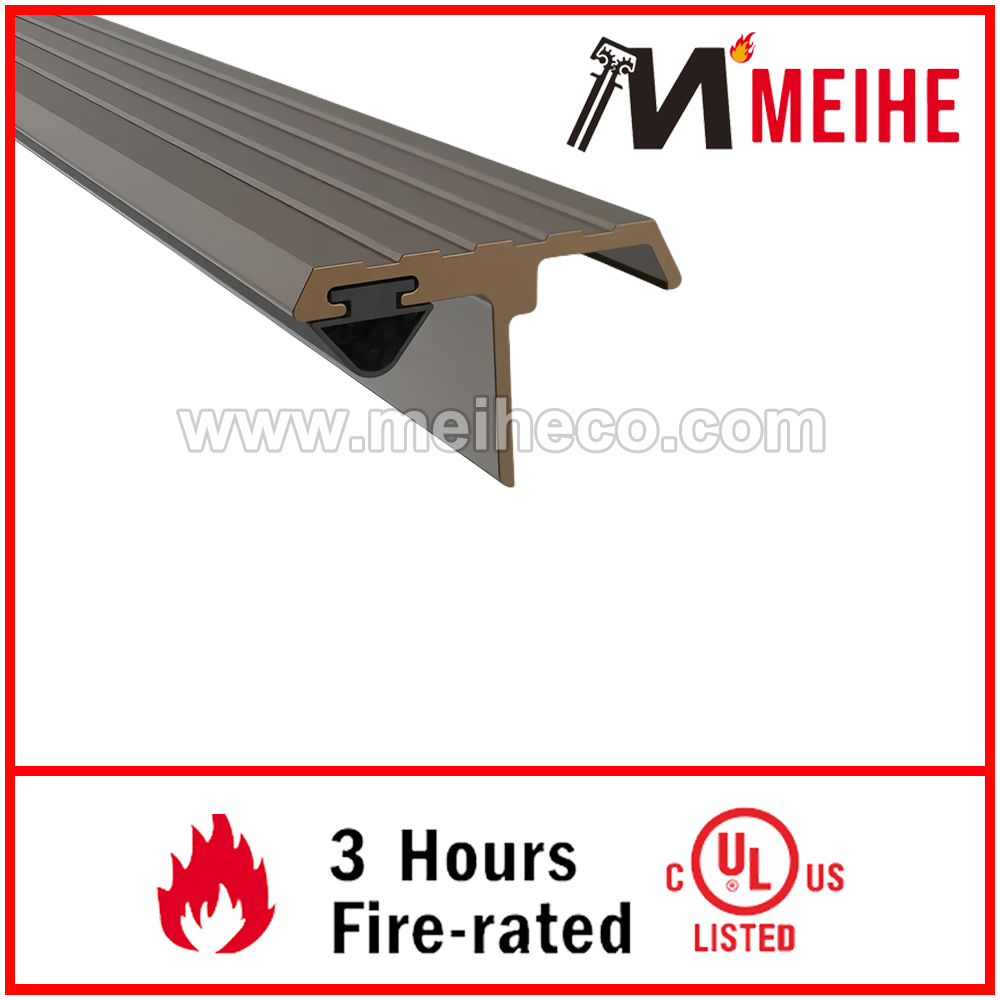
door window weather stripping
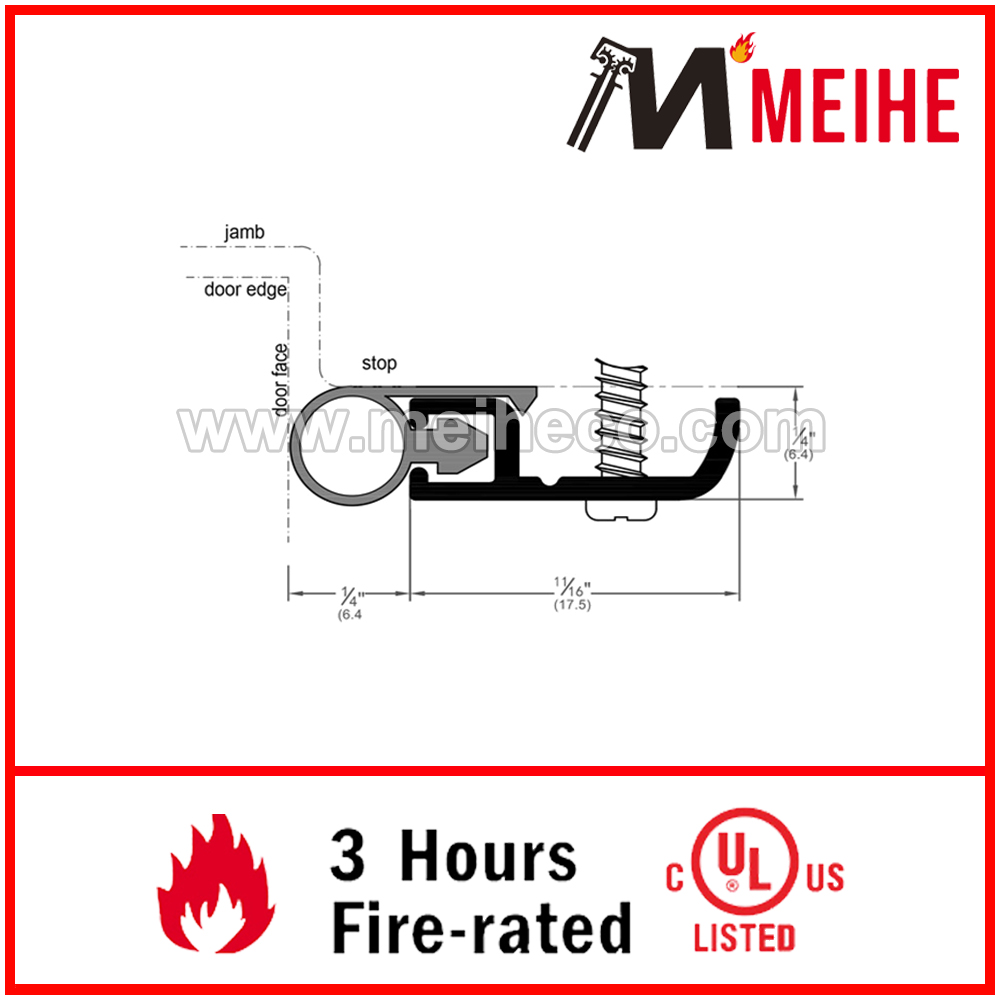
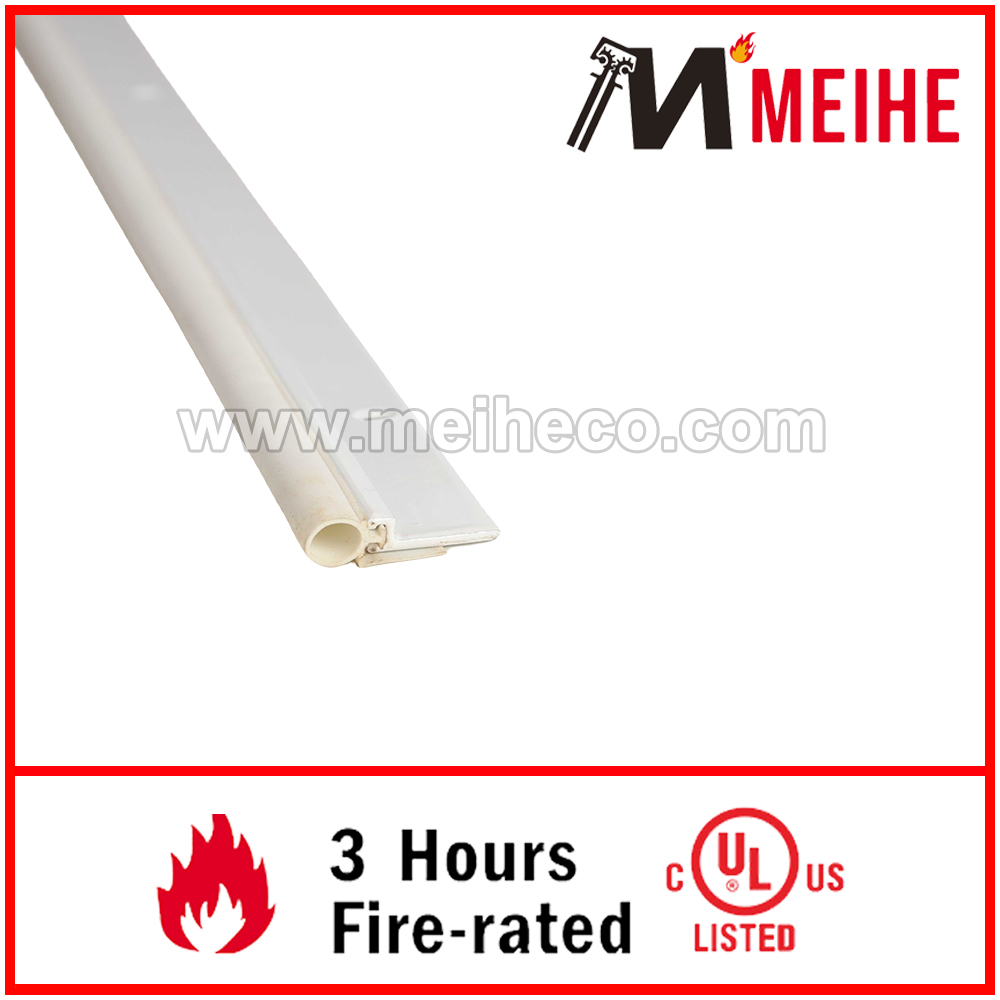
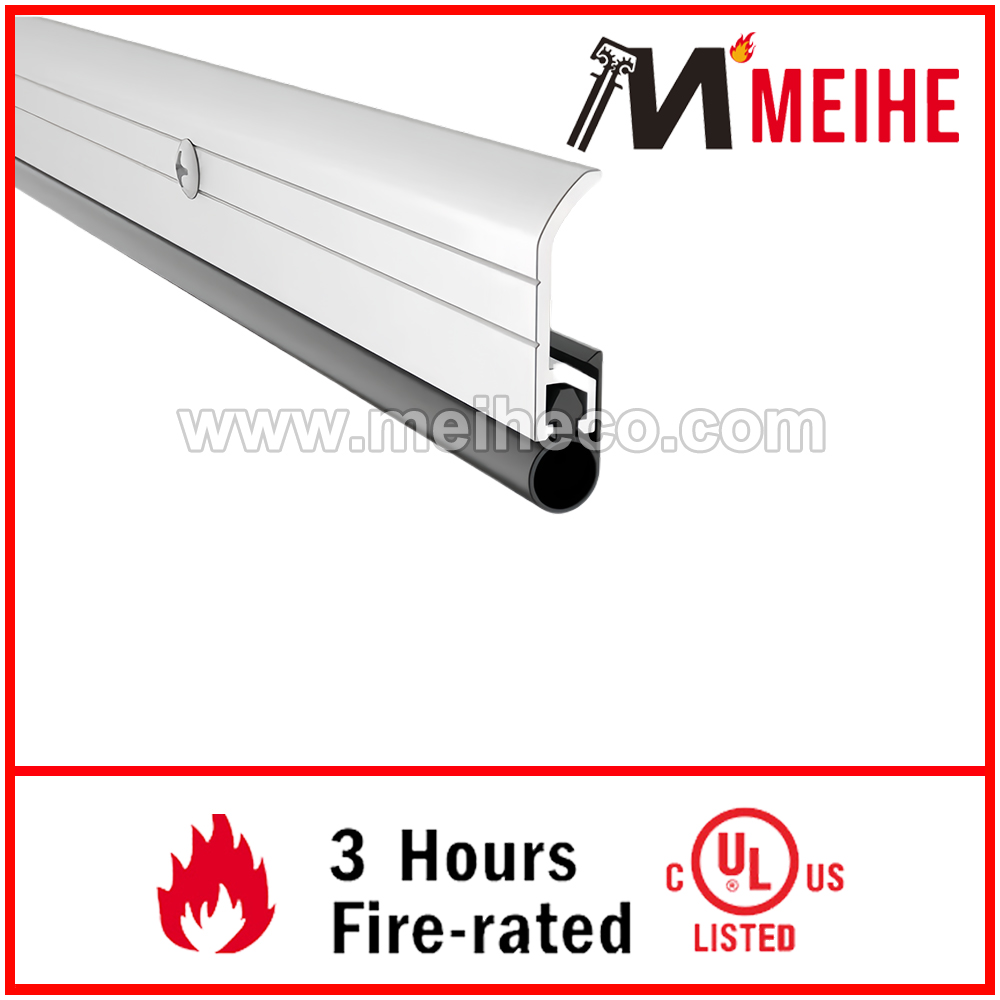
Door window weather stripping creates a flexible seal around moving or fixed openings to block unwanted air, water, dust, and sound. Door window weather stripping typically uses rubber, silicone, foam, vinyl, felt, or thermoplastic materials shaped for a tight fit. When installed along a frame, the product closes small gaps that ordinary construction cannot seal consistently. Door window weather stripping helps maintain indoor temperatures by reducing drafts around doors and windows. It also limits rain entry, preventing moisture from reaching walls, flooring, furniture, and hardware. Door window weather stripping can reduce outside noise and improve the sense of privacy in homes, offices, vehicles, and equipment enclosures. Many designs include an adhesive backing, push-in channel, screw-fixed flange, or snap-in carrier for practical installation. Door window weather stripping may feature a flexible bulb, compression tube, brush, fin, or flat strip, allowing buyers to match the seal to a gap and movement pattern. Door window weather stripping with UV-resistant and weather-stable compounds remains useful in strong sunlight, changing temperatures, and damp conditions. Some versions resist oil, mild chemicals, abrasion, and repeated compression, making them suitable for demanding work areas. Door window weather stripping is available in different widths, thicknesses, colors, and roll lengths, so users can select a product for light household gaps or frequent commercial use. Correct measurement is important: the seal should compress enough to close the opening without making the door or window difficult to operate. For replacement work, door window weather stripping offers a simple way to improve comfort, protection, and energy performance without replacing the complete frame.

 EN