
 EN



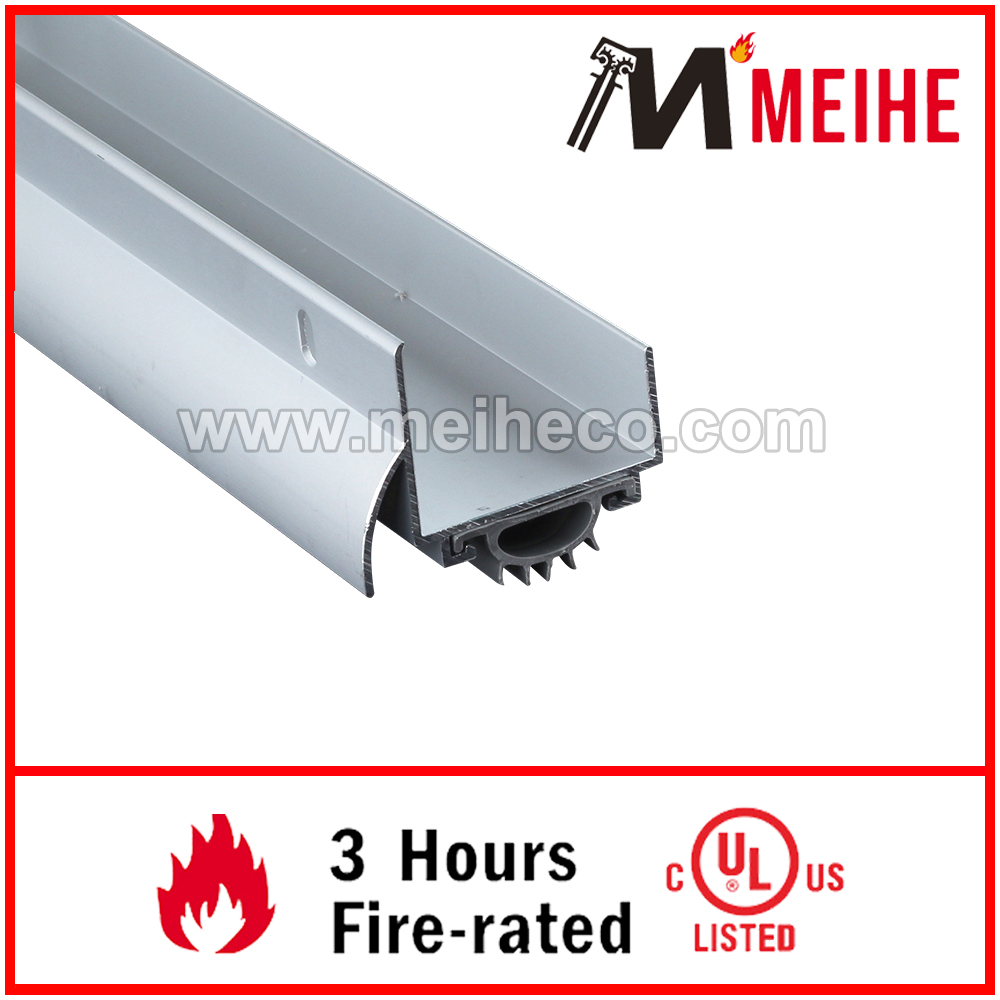
High-traffic commercial entrances face relentless daily stress. Every opening, closing, and foot passage creates cumulative wear on doors and their supporting systems. The solution lies in selecting premium storefront hardware designed specifically for demanding environments. Quality storefront hardware significantly extends the lifespan of doors, reduces maintenance costs, and maintains professional appearance even after years of intensive use. Understanding how the right storefront hardware protects your investment is essential for facility managers, building owners, and commercial property professionals.
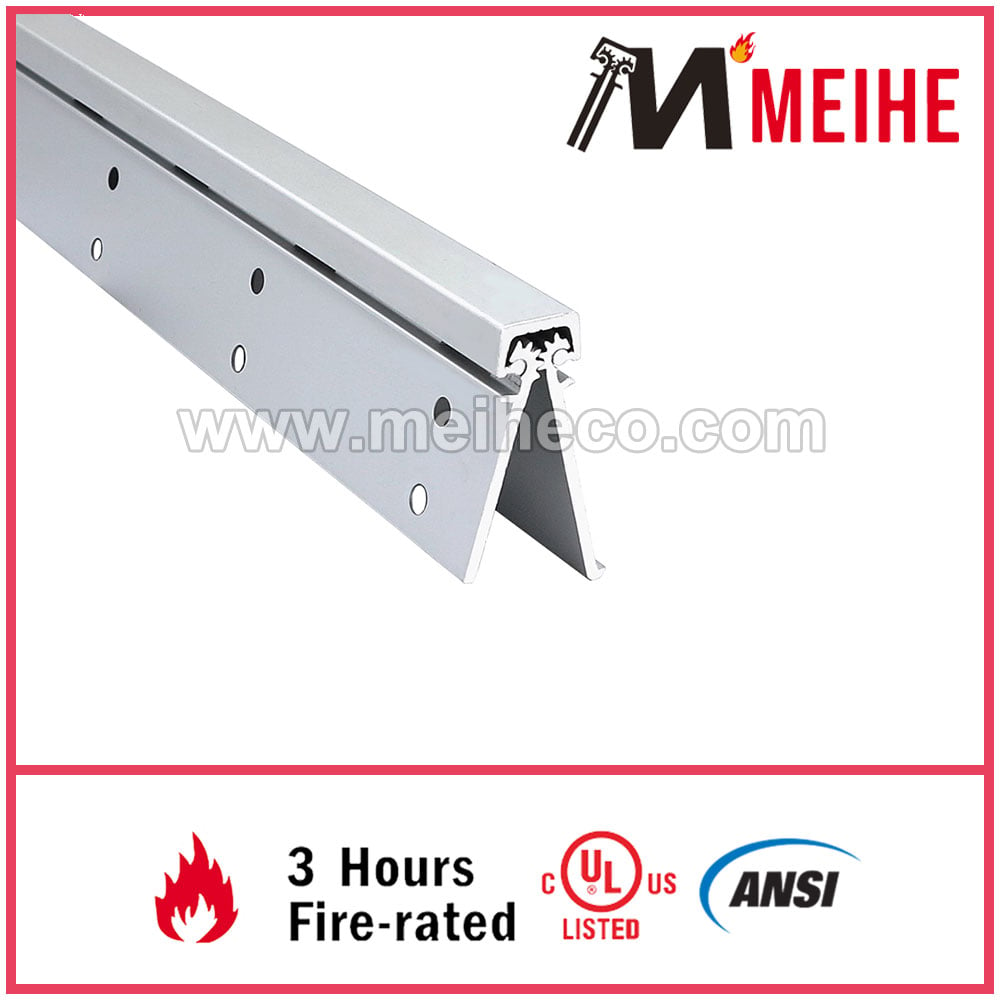
In commercial settings, doors experience exponentially more cycles than residential installations. A busy retail entrance might operate hundreds of times daily, creating stress points that generic hardware cannot withstand. Specialized storefront hardware is engineered with heavier gauges, reinforced joints, and advanced bearing systems that distribute loads evenly across the door frame. This engineering excellence means your storefront hardware performs reliably under conditions that would quickly degrade standard equipment, protecting both your facility infrastructure and your operational budget.
Understanding Door Wear in High-Traffic Environments
The Mechanics of Repetitive Door Stress
Commercial doors face forces that accumulate exponentially with each use cycle. Hinges must support the full weight of heavy glass and metal panels repeatedly. Closers must absorb impact energy as doors swing open and closed hundreds of times daily. Locks and latches undergo constant mechanical stress that eventually causes alignment issues and component failure. Poor quality storefront hardware concentrates these forces on weak points, leading to premature failure. Commercial-grade storefront hardware, by contrast, spreads loads across wider bearing surfaces and uses materials engineered for cycle-life performance that measures in millions of operations rather than thousands.
Hidden Costs of Door Wear Beyond Replacement
Door failure extends far beyond simple replacement expenses. When storefront hardware wears out, doors may not close properly, creating security vulnerabilities and compromising climate control in temperature-sensitive facilities. Misaligned doors jam, slowing traffic flow and frustrating customers. Worn closers may not function safely, creating injury risks. Deteriorating appearance damages brand perception in customer-facing spaces. Emergency repairs disrupt operations and often cost more than preventive maintenance. Quality storefront hardware prevents these cascading problems by maintaining precise alignment and smooth operation throughout its extended service life, ultimately protecting multiple aspects of your business.
How Premium Storefront Hardware Reduces Wear
Advanced Materials and Engineering Design
Premium storefront hardware utilizes materials specifically selected for durability in high-cycle applications. Stainless steel and reinforced aluminum alloys resist corrosion and maintain dimensional stability over years of use. Heavy-duty hinges feature precision ball bearings that enable smooth, effortless movement with minimal friction-induced wear. Commercial-grade closers incorporate advanced hydraulic systems that absorb impact energy smoothly rather than allowing sudden deceleration that stresses frame components. Each element of quality storefront hardware is designed to handle the mechanical realities of busy commercial environments, dramatically reducing the wear that undermines inferior products.
Load Distribution and Structural Integrity
The fundamental advantage of commercial storefront hardware is its ability to distribute mechanical loads across larger surface areas and multiple support points. Heavy-duty hinges spread the door weight along extended bearing surfaces rather than concentrating load on small pivot points. Reinforced frames prevent rack and twist that misaligns doors and accelerates hardware failure. Properly engineered storefront hardware maintains structural integrity even as millions of door cycles accumulate. This load distribution prevents the progressive degradation that occurs with standard hardware, keeping doors operating smoothly and safely throughout their extended service life in high-traffic settings.
Selecting the Right Storefront Hardware for Your Facility
Assessing Your Traffic and Application Requirements
The first step in choosing appropriate storefront hardware is honestly evaluating your facility's traffic volume and door use patterns. A busy retail store, restaurant, or office building experiences vastly different stresses than a warehouse or low-traffic facility. High-traffic environments require heavy-duty closers rated for thousands of daily cycles, commercial-grade hinges designed for extended bearing life, and locking systems engineered for frequent operation. Mid-range facilities may function adequately with commercial-grade storefront hardware rated for moderate to heavy use. Understanding your specific application prevents both over-specification and under-specification, ensuring you select storefront hardware that delivers appropriate durability without unnecessary expense.
Material Selection and Maintenance Considerations
Storefront hardware materials must match your environmental conditions and maintenance capabilities. Coastal or humid environments demand stainless steel storefront hardware that resists corrosion far better than standard materials. Powder-coated finishes provide aesthetic appeal while protecting underlying metal. Interior doors in climate-controlled spaces can often use aluminum or zinc-alloy hardware. Premium storefront hardware typically requires less frequent maintenance than budget alternatives, and scheduled preventive care keeps systems operating at peak performance throughout their service life. Selecting hardware with finishes and materials appropriate to your environment and maintenance program maximizes longevity and minimizes lifecycle costs while reducing the operational disruptions that door failure creates in busy commercial settings.
FAQ
How much can quality storefront hardware reduce maintenance expenses?
Premium storefront hardware typically reduces maintenance costs by forty to sixty percent compared to standard equipment in high-traffic facilities. Fewer component failures mean less emergency service calls, reduced parts replacement, and fewer operational disruptions. The initial investment in quality storefront hardware is recovered quickly through reduced downtime, lower repair costs, and extended replacement intervals. Many commercial facilities find that high-grade storefront hardware pays for its premium cost within three to five years through accumulated maintenance savings.
What is the typical lifespan of commercial-grade storefront hardware?
Commercial-grade storefront hardware is engineered for lifespan of ten to twenty years in typical high-traffic applications. Some premium components rated for heavy-duty use may function reliably for twenty-five years or longer with appropriate maintenance. Standard hardware in the same environments typically fails within three to seven years. The extended lifespan of quality storefront hardware reflects superior engineering, better materials, and design optimized for the mechanical realities of busy commercial environments where doors operate hundreds of times daily.
Can existing doors be retrofitted with better storefront hardware?
Many existing doors can be successfully retrofitted with upgraded storefront hardware to extend their service life and improve performance. Skilled technicians can replace worn hinges, install new heavy-duty closers, and upgrade locking systems to commercial standards. Retrofitting is often more economical than full door replacement while delivering significant performance improvements. Consult with qualified installation professionals to evaluate whether your existing door frames can accommodate commercial-grade storefront hardware and determine the best retrofit strategy for your specific application.