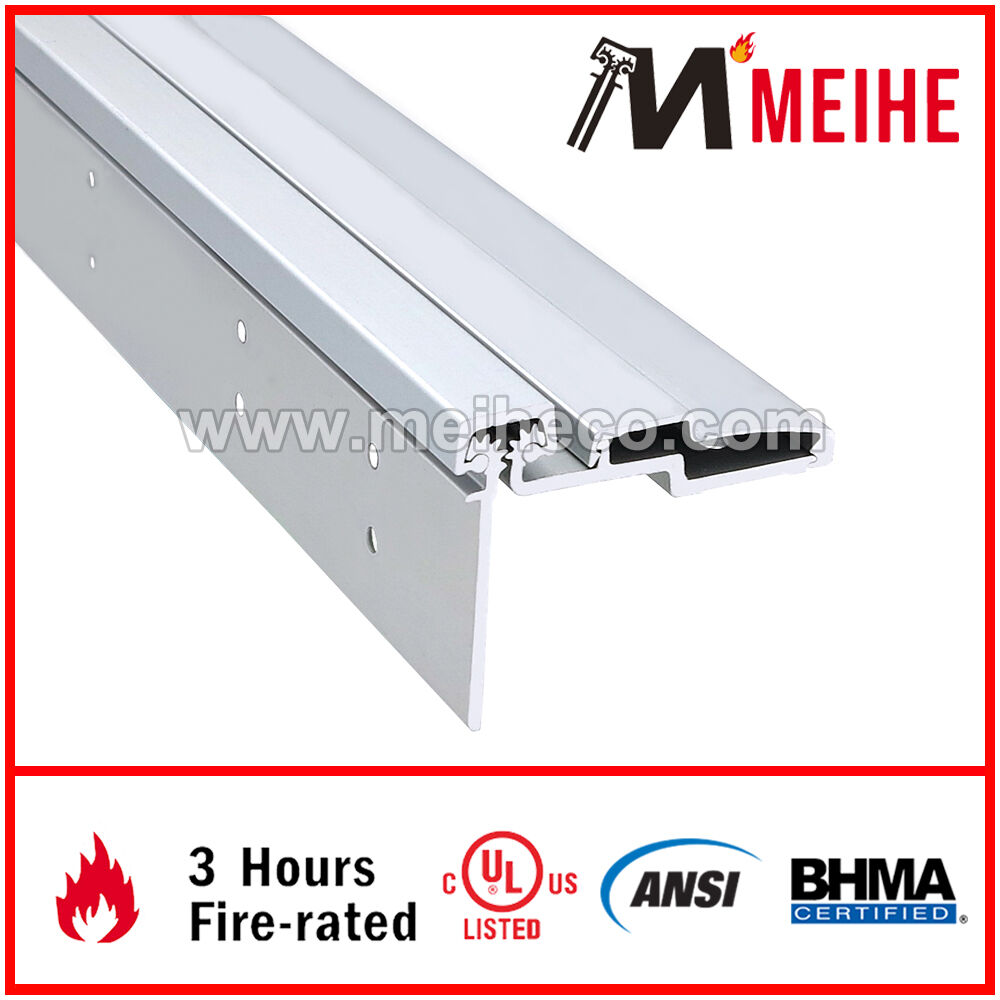
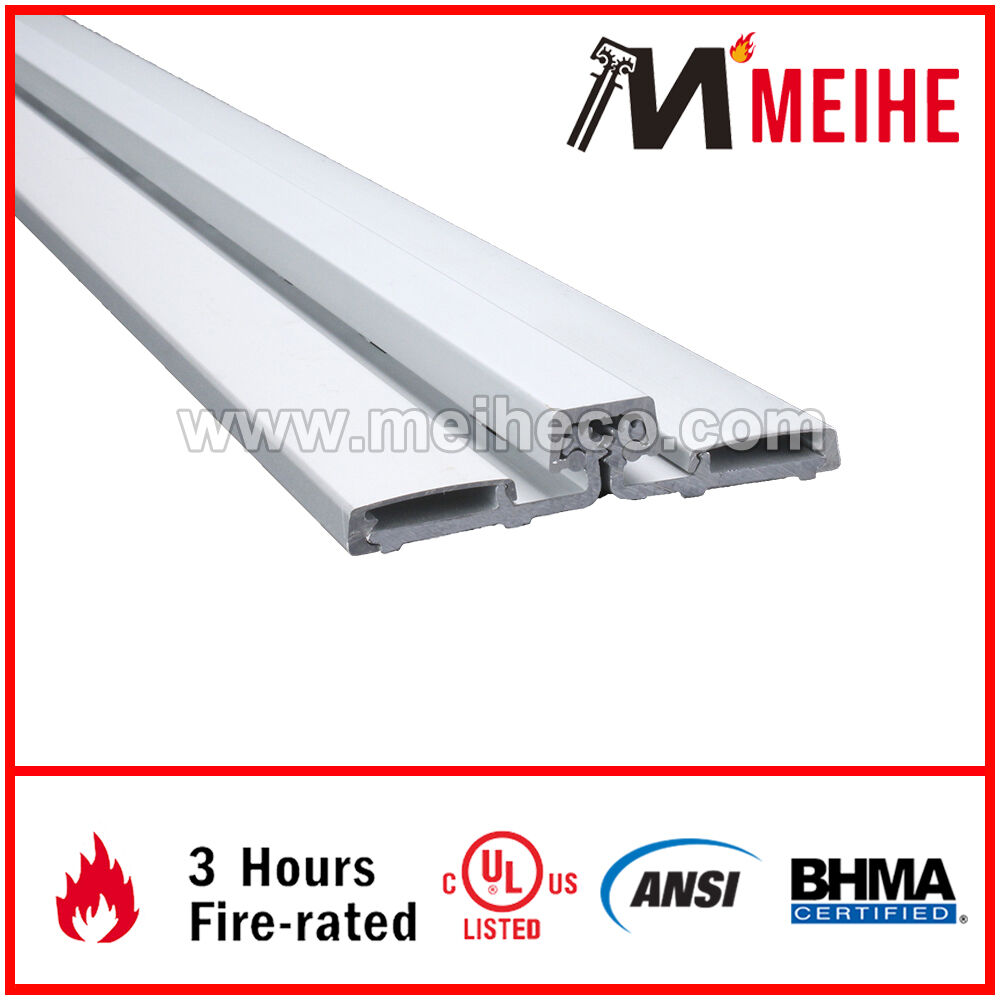
Handicap Push Plate Solutions - Premium Accessibility Door Systems for ADA Compliance

Get a Free Quote

Our representative will contact you soon.
Email
Name
Mobile
Company Name
Message
0/1000

handicap push plate

The handicap push plate represents a crucial accessibility solution designed to enhance independence and mobility for individuals with disabilities. This innovative device serves as an automatic door activation system that eliminates the physical barriers often encountered in public and private buildings. The handicap push plate operates through a simple yet sophisticated mechanism that responds to minimal pressure, making it accessible to users with varying levels of physical ability. The primary function of this accessibility device centers on providing effortless door operation for wheelchair users, individuals with mobility impairments, and those carrying heavy loads. The system typically features a large, clearly marked button that can be activated with minimal force, often requiring just a gentle touch or slight pressure. Once activated, the handicap push plate triggers an automatic door opening sequence, maintaining the door in an open position for a predetermined duration to allow safe passage. The technological features of modern handicap push plates include advanced sensor technology, weather-resistant construction, and energy-efficient operation. Many units incorporate infrared sensors that can detect approaching individuals, while others utilize pressure-sensitive plates or motion detection systems. The control mechanisms often include adjustable timing settings, allowing facility managers to customize the door hold-open duration based on specific traffic patterns and user needs. Contemporary models feature LED indicators that provide visual confirmation of activation, while some advanced systems include audio signals for visually impaired users. The applications for handicap push plates span across numerous environments, including hospitals, schools, office buildings, retail establishments, and residential facilities. These devices prove particularly valuable in healthcare settings where patients may have temporary or permanent mobility limitations. Educational institutions benefit from these systems by ensuring equal access for students and staff with disabilities. Commercial buildings utilize handicap push plates to comply with accessibility regulations while enhancing customer experience. The versatility of these systems allows for installation on various door types, including single and double doors, sliding doors, and revolving door systems.

Popular Products

The handicap push plate offers numerous practical benefits that significantly improve accessibility and user experience across diverse environments. The most immediate advantage lies in its ability to promote independence for individuals with disabilities, eliminating the need for assistance when navigating through doorways. This independence translates directly into improved quality of life, allowing users to move freely through buildings without waiting for help or struggling with heavy doors. The device reduces physical strain on users who might otherwise experience difficulty opening conventional doors, particularly those with arthritis, limited upper body strength, or temporary injuries. From a safety perspective, the handicap push plate minimizes the risk of accidents that can occur when individuals attempt to navigate doorways while using mobility aids. The system prevents doors from closing prematurely, reducing the likelihood of collisions or entrapment situations. Users can pass through doorways at their own pace without the pressure of racing against a closing door. The technology also benefits caregivers and family members by reducing their physical burden when assisting loved ones with mobility challenges. Installation of handicap push plates demonstrates organizational commitment to inclusivity and compliance with accessibility regulations such as the Americans with Disabilities Act. This compliance helps businesses avoid potential legal issues while creating welcoming environments for all customers and employees. The systems require minimal maintenance once properly installed, making them cost-effective long-term solutions. Energy efficiency represents another significant advantage, as modern handicap push plates incorporate smart technology that minimizes unnecessary door operations while maintaining responsive activation. The devices often feature battery backup systems ensuring continued operation during power outages, which proves crucial in emergency situations. User-friendly design elements make these systems intuitive for individuals of all ages and ability levels. The clear visual indicators and standardized symbols help users quickly identify and operate the activation mechanisms. Many facilities report improved traffic flow and reduced congestion around doorways after installing these systems. The technology adapts well to existing door hardware, often requiring minimal modifications to current infrastructure. Professional installation ensures optimal positioning for maximum accessibility while maintaining aesthetic appeal. The durability of quality handicap push plates provides years of reliable service, withstanding frequent use and various weather conditions in outdoor applications.

Latest News

The Unseen Excellence Behind Every Fancy Photo: How Our Photography Reflects Our Manufacturing Precision

05

Dec

The Unseen Excellence Behind Every Fancy Photo: How Our Photography Reflects Our Manufacturing Precision

View More
Beyond Standard Finishes: Unleashing Design Potential with Meihe's Custom Color Solutions for Hardware

05

Dec

Beyond Standard Finishes: Unleashing Design Potential with Meihe's Custom Color Solutions for Hardware

View More
2024 American Hardware Show In Las Vegas

05

Dec

2024 American Hardware Show In Las Vegas

View More
2025 Saudi Build in Riyadh, KSA

30

Dec

2025 Saudi Build in Riyadh, KSA

View More

Get a Free Quote

Our representative will contact you soon.
Email
Name
Mobile
Company Name
Message
0/1000

handicap push plate

Advanced Sensor Technology and Responsive Activation

Advanced Sensor Technology and Responsive Activation

The handicap push plate incorporates cutting-edge sensor technology that revolutionizes accessibility by providing multiple activation methods tailored to diverse user needs. Modern systems feature infrared sensors that can detect approaching individuals from several feet away, automatically triggering door opening sequences before users even reach the activation point. This predictive functionality proves particularly beneficial for wheelchair users who may need additional time to position themselves properly for door passage. The pressure-sensitive activation plates respond to minimal force, often requiring less than five pounds of pressure to trigger the opening mechanism. This low-force requirement accommodates users with limited upper body strength, arthritis, or other conditions that restrict their ability to apply significant pressure. The technology includes adjustable sensitivity settings, allowing facility managers to customize activation thresholds based on their specific user populations and environmental conditions. Motion detection capabilities enable the system to distinguish between intentional activation attempts and incidental contact, reducing false activations while ensuring reliable response to legitimate usage. The sensor arrays often incorporate multiple detection zones, creating redundant activation opportunities that increase reliability and user confidence. Weather-resistant sensor housings protect the electronic components from environmental factors, ensuring consistent performance in outdoor installations and areas exposed to moisture or temperature fluctuations. The integration of multiple sensor types creates a comprehensive detection network that accommodates various user approaches and activation preferences. LED indicator lights provide immediate visual feedback confirming successful activation, helping users understand system status and expected door behavior. Some advanced models include programmable activation sequences that can accommodate different door types and operational requirements. The sensor technology often includes diagnostic capabilities that monitor system performance and alert maintenance personnel to potential issues before they affect user experience. This proactive maintenance approach minimizes downtime and ensures consistent accessibility for all users.
Compliance and Universal Design Benefits

Compliance and Universal Design Benefits

The handicap push plate serves as a cornerstone technology for achieving comprehensive accessibility compliance while embodying universal design principles that benefit all building occupants. These systems directly address Americans with Disabilities Act requirements by providing alternative door operation methods that accommodate individuals who cannot use conventional door hardware due to physical limitations. The universal design philosophy embedded in handicap push plate development creates solutions that prove beneficial for diverse user groups beyond those with permanent disabilities. Parents pushing strollers, delivery personnel carrying packages, and individuals using crutches or canes all benefit from the hands-free door operation capabilities. The strategic placement of activation buttons follows established accessibility guidelines, positioning controls within reach ranges that accommodate both standing and seated users. Height specifications typically place activation points between 15 and 48 inches from the floor, ensuring accessibility for wheelchair users while remaining convenient for pedestrian traffic. The visual design elements incorporate high-contrast colors and internationally recognized symbols that transcend language barriers and assist users with visual impairments. The compliance benefits extend beyond basic accessibility requirements to encompass safety codes and building standards that govern door operation in commercial and institutional facilities. Installation of these systems often qualifies buildings for accessibility certifications and can contribute to LEED points for sustainable building practices. The technology helps facility managers maintain consistent compliance across multiple entrances, reducing the administrative burden of accessibility management. Documentation and testing protocols associated with handicap push plate installations provide clear evidence of accessibility commitment for regulatory inspections and legal compliance verification. The systems contribute to creating inclusive environments that welcome diverse populations while demonstrating organizational values related to equity and accessibility. Regular compliance audits become more straightforward when buildings incorporate standardized accessibility technologies like handicap push plates. The universal design approach reduces the need for specialized accommodations by creating environments that work effectively for all users regardless of their physical capabilities.
Durability and Low-Maintenance Operation

Durability and Low-Maintenance Operation

The exceptional durability and minimal maintenance requirements of quality handicap push plates make them outstanding long-term investments for any facility committed to accessibility. These robust systems undergo rigorous testing to ensure reliable operation under demanding conditions, including frequent daily use, exposure to weather elements, and potential vandalism or abuse. The construction typically features heavy-duty materials such as stainless steel, reinforced plastics, and corrosion-resistant metals that maintain structural integrity and aesthetic appeal over extended operational periods. Weatherproof sealing protects internal components from moisture infiltration, dust accumulation, and temperature fluctuations that could compromise electronic functionality. The electrical systems incorporate surge protection and power conditioning features that safeguard sensitive components from voltage spikes and electrical irregularities common in commercial building environments. Battery backup systems ensure continued operation during power outages, maintaining accessibility even when primary building power fails. These backup systems typically provide several hours of operation, sufficient to maintain accessibility during most emergency situations or planned power interruptions. The mechanical components utilize precision bearings, reinforced mounting hardware, and industrial-grade actuators designed for millions of operational cycles without significant wear or performance degradation. Self-diagnostic capabilities built into modern handicap push plates monitor system health continuously, identifying potential maintenance needs before they result in operational failures. These predictive maintenance features help facility managers schedule servicing during convenient times rather than responding to emergency failures that could temporarily compromise accessibility. The modular design of many systems allows for component replacement without complete system overhaul, reducing maintenance costs and minimizing downtime. Standardized replacement parts and widespread service network availability ensure that maintenance requirements can be addressed quickly and cost-effectively. The simple operational design reduces the likelihood of mechanical failures while providing facility staff with straightforward troubleshooting procedures for minor issues. Professional installation includes comprehensive testing and calibration procedures that optimize system performance and identify potential issues before they affect daily operation. Maintenance schedules typically require only periodic cleaning, battery replacement, and basic functionality testing, making these systems remarkably self-sufficient compared to more complex building automation technologies.

Get a Free Quote

Our representative will contact you soon.
Email
Name
Mobile
Company Name
Message
0/1000