
 EN
EN



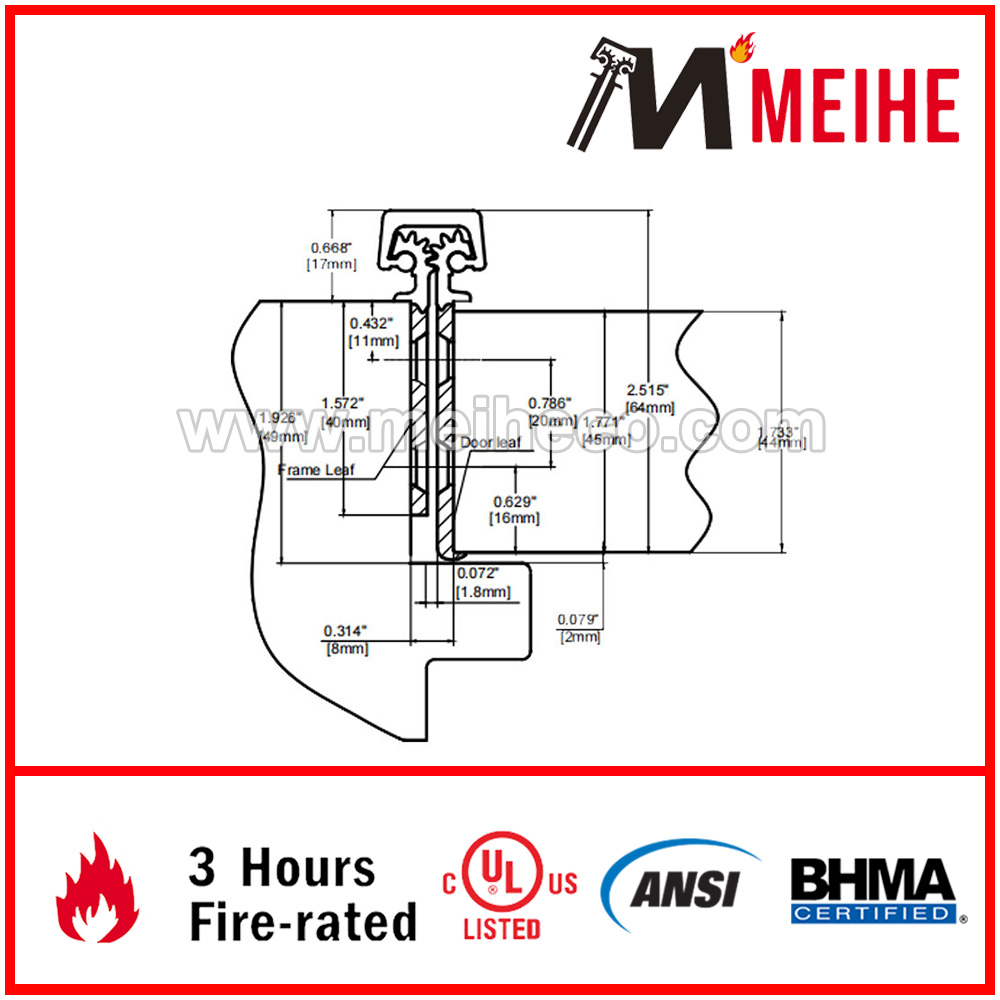
Door alignment problems are among the most common maintenance issues in commercial and industrial facilities. As doors age and experience repeated opening and closing cycles, they naturally drift out of alignment, causing gaps, binding, and operational inefficiency. The continuous geared hinge has emerged as a sophisticated solution to this persistent problem, offering a mechanism that actively maintains proper door positioning rather than simply accepting misalignment as inevitable. Understanding how a continuous geared hinge works and its impact on long-term door alignment requires examining both the mechanical principles and the practical benefits this hardware delivers to building operations.
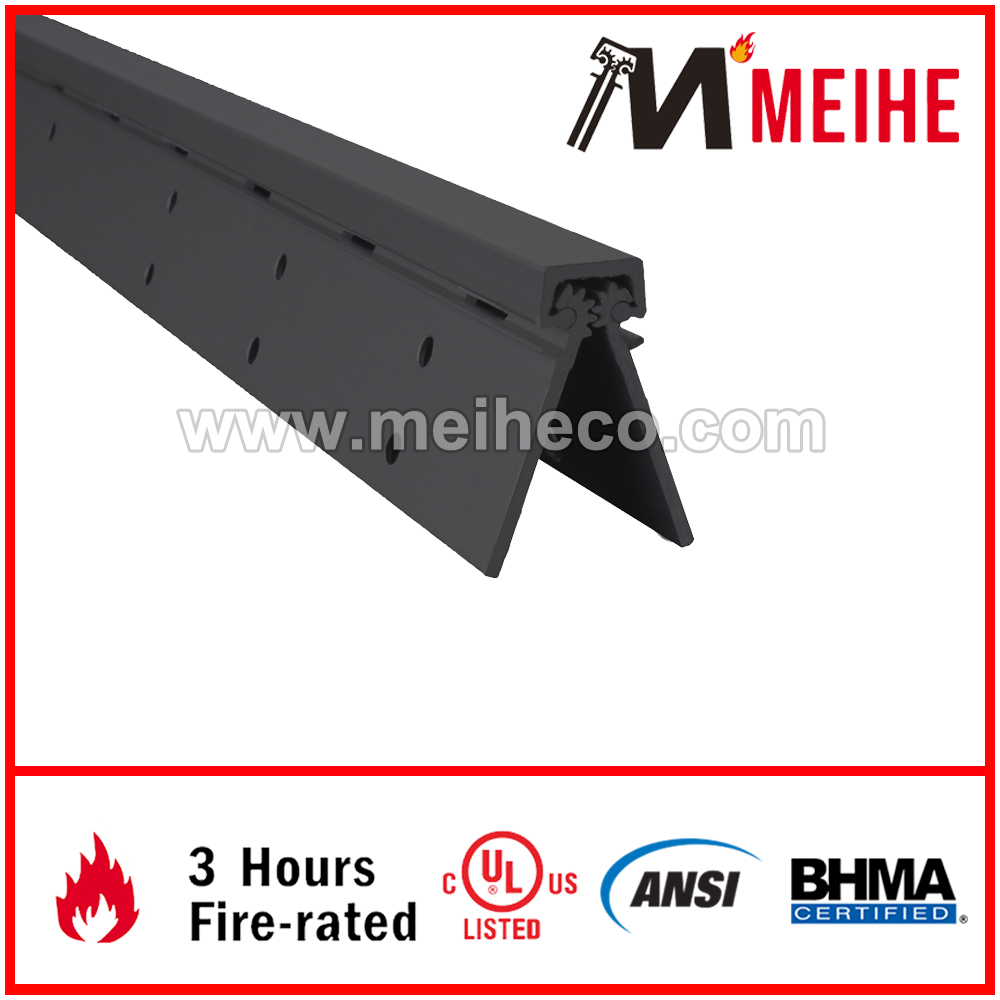
Yes, continuous geared hinges demonstrably improve door alignment over time by using an internal gearing mechanism that compensates for structural settling, frame deflection, and wear-related stress on door hardware. Unlike traditional hinges that passively support a door's weight and allow gradual misalignment to occur unchecked, a continuous geared hinge actively maintains the door's vertical and horizontal position throughout its operational life. This advancement in hinge technology represents a significant shift from reactive door maintenance toward proactive alignment management, making it increasingly valuable in demanding applications where operational precision matters.
How Continuous Geared Hinges Maintain Door Alignment
The Internal Gearing Mechanism
The continuous geared hinge works through a precisely engineered internal gearing system that distributes load forces more evenly across the hinge's full length compared to conventional hinges. Traditional hinges concentrate support at discrete hinge locations, creating stress concentration points that lead to uneven settling and frame deflection. A continuous geared hinge, by contrast, uses micro-gearing that engages progressively along the entire hinge barrel, allowing the hinge to micro-adjust its internal geometry as the door frame shifts. These micro-adjustments occur automatically in response to weight distribution changes, seasonal temperature fluctuations, and structural movement that naturally occurs in building frames over months and years.
Load Distribution and Stress Relief
The engineering advantage of a continuous geared hinge lies in its superior load distribution capability. When a heavy commercial door closes repeatedly, it transmits tremendous force through the hinge hardware into the door frame. Standard hinges create localized pressure zones that accumulate stress, eventually causing the frame to warp or sag. A continuous geared hinge spreads these closure forces across a much larger contact surface through its geared engagement pattern, significantly reducing peak stress concentrations. This distributed approach allows the hinge to tolerate higher door weights and more frequent operational cycles while maintaining consistent alignment, even as surrounding structural materials experience normal expansion, contraction, and settling.
Benefits of Improved Door Alignment Over Extended Service Life
Extended Hardware Lifespan and Reduced Maintenance
When door alignment deteriorates, secondary damage cascades through the entire door assembly. Misaligned doors create binding, which accelerates wear on hinges, closers, latches, and frame components. A continuous geared hinge prevents this binding by maintaining proper alignment, which in turn dramatically extends the service life of all associated hardware. Facilities that deploy a continuous geared hinge report substantially fewer emergency door repairs, reduced maintenance labor costs, and longer intervals between hardware replacement cycles. The proactive alignment capability of a continuous geared hinge essentially prevents the misalignment condition that triggers secondary damage, making it a cost-effective investment in long-term facility reliability.
Operational Consistency and Safety
Misaligned doors create safety risks in high-traffic and emergency-evacuation scenarios. When a door binding or swings unevenly, it poses tripping hazards and slows emergency egress times. A continuous geared hinge maintains consistent door alignment, ensuring smooth operation every time the door opens or closes. This consistency is especially critical in healthcare facilities, data centers, and manufacturing environments where operational precision directly impacts safety and productivity. By maintaining proper door alignment over years of service, a continuous geared hinge reduces unexpected closures, equipment damage from jamming doors, and the liability exposure associated with misaligned access points.
Real-World Performance Implications of Continuous Geared Hinges
Structural Settling and Long-Term Frame Stability
Commercial buildings naturally settle and shift over time as soil compacts, foundations adjust, and structural materials respond to climate variations. These movements inevitably affect door frames, typically causing the top of the frame to drift outward or the bottom to settle inward, which creates misalignment. A continuous geared hinge accommodates this structural movement through its gearing mechanism, which continuously reorients its internal geometry to keep the door hanging vertically. Unlike passive hinges that simply accept the frame movement and allow the door to misalign, a continuous geared hinge actively resists and compensates for these structural changes, effectively isolating the door's alignment from the building's natural movement patterns.
Seasonal Climate Variations and Hardware Compatibility
Temperature and humidity cycles cause wood frames to swell and contract, and they cause metal frames to expand and contract at slightly different rates. These cyclical movements accumulate misalignment stress over months and years. A continuous geared hinge accommodates these seasonal variations through its internal gearing, which has inherent compliance and self-adjusting characteristics. The geared design of a continuous geared hinge allows micro-movements that follow the seasonal expansion and contraction patterns without generating the stress buildup that occurs in rigid traditional hinges. Facilities in climates with significant seasonal temperature swings often experience pronounced benefits from continuous geared hinge technology, as the mechanism continuously adapts to these predictable environmental cycles.
FAQ
How does a continuous geared hinge differ from heavy-duty traditional hinges?
A continuous geared hinge uses internal micro-gearing to actively maintain alignment through load distribution and self-adjustment, whereas traditional heavy-duty hinges passively support the door's weight without compensating for structural movement or frame settling. While heavy-duty hinges are stronger, they remain essentially static once installed. A continuous geared hinge actively responds to building movement, temperature changes, and stress redistribution, making it superior for long-term alignment maintenance. Traditional hinges excel at carrying weight, but continuous geared hinge technology adds intelligent compensation that prevents the misalignment problems that even heavy-duty hinges cannot prevent over extended service periods.
What types of doors benefit most from continuous geared hinges?
Heavy commercial doors, fire-rated doors, healthcare facility doors, and industrial access doors experience the greatest benefits from continuous geared hinge installation. These applications involve high-traffic cycles, significant weight loads, and critical operational requirements where even minor misalignment creates problems. A continuous geared hinge excels in these demanding environments because it actively maintains alignment under stress. Lighter residential or office doors may not justify the investment in continuous geared hinge technology, but any application involving heavy doors, frequent use, or mission-critical access points typically sees measurable performance and reliability improvements from continuous geared hinge systems.
Can a continuous geared hinge be retrofitted to existing doors?
In most cases, a continuous geared hinge can be retrofitted to existing doors, though the installation process requires careful measurement and alignment of the existing frame before hinge replacement. The retrofit process typically involves removing the old hinges and installing the continuous geared hinge in the same mounting locations, though some frame preparation or shimming may be necessary if the existing installation revealed misalignment problems. Facilities considering retrofit installation of a continuous geared hinge should consult with the hardware manufacturer to confirm compatibility with their specific door frame style, material, and current hinge configuration. The retrofit approach allows organizations to upgrade their existing door infrastructure without replacing entire door assemblies, making continuous geared hinge retrofits a cost-effective path to improved long-term alignment performance.