
 EN
EN



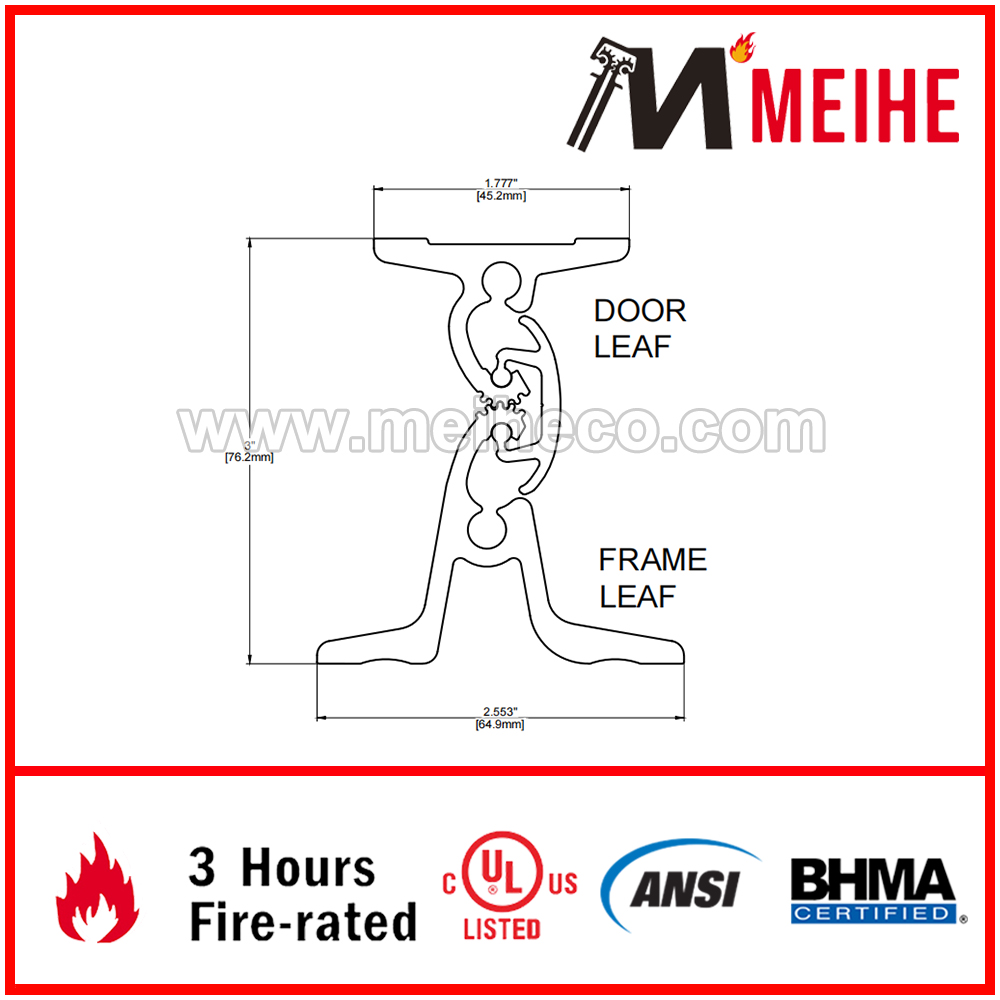
Door squeaking is one of the most persistent and irritating problems in commercial and industrial buildings. When entrance doors, fire doors, or corridor doors squeak repeatedly, it disrupts the environment, creates an unprofessional atmosphere, and often signals underlying mechanical wear. Many facility managers search for practical solutions to eliminate this noise without replacing entire door systems. A continuous geared hinge represents a sophisticated answer to this challenge, offering engineered precision that minimizes friction and eliminates the jerky motion that causes squeaking.
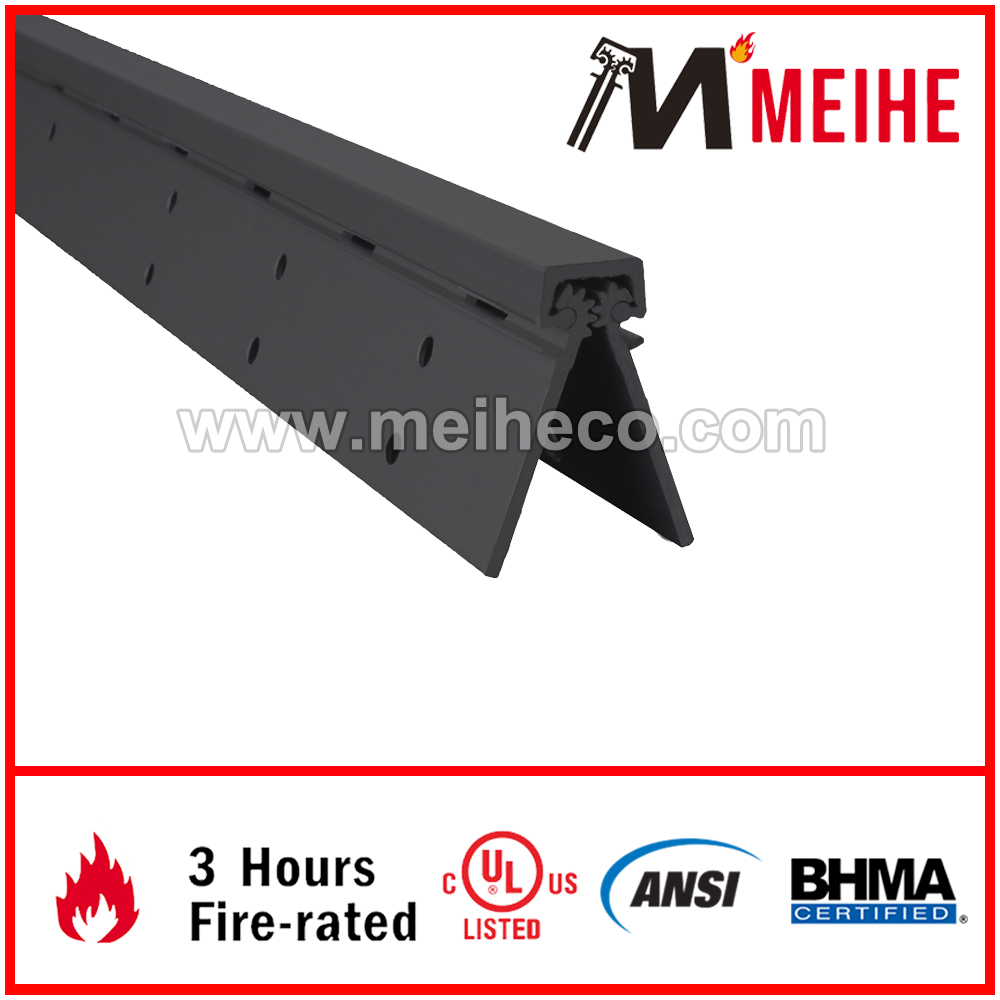
The answer is yes—a continuous geared hinge can significantly reduce door squeaking noise when properly selected and installed. Unlike standard butt hinges or ball bearing hinges, a continuous geared hinge uses internal gearing mechanisms to distribute load evenly across the entire door leaf, ensuring smooth rotation at every angle. This engineered approach addresses the root cause of squeaking: uneven pressure distribution and resistance at specific pivot points. Understanding how a continuous geared hinge works, when to use it, and what performance benefits it delivers is essential for anyone responsible for door maintenance or commercial building operations.
How Continuous Geared Hinges Eliminate Squeaking
The Mechanical Advantage of Geared Design
A continuous geared hinge operates on a fundamentally different principle than conventional hinges. The internal gear teeth engage smoothly throughout the entire rotation range, creating constant contact and load distribution rather than relying on fixed pivot points. This continuous engagement means friction is spread evenly across multiple contact surfaces instead of concentrating stress at a single knuckle or bearing area. When friction is distributed uniformly, the door swings with consistent resistance, preventing the stick-slip motion that generates squeaking sounds.
Standard hinges often experience binding at specific angles because the pin and knuckle arrangement creates a single point of contact under load. As the door opens or closes, this concentrated pressure can cause momentary resistance, triggering vibration and noise. A continuous geared hinge eliminates this problem by replacing that single contact point with multiple meshing gear surfaces. The result is a continuous geared hinge that maintains constant lubrication distribution and eliminates the micro-jolts that cause squeaking.
Material Quality and Lubrication Retention
The construction of a continuous geared hinge typically uses high-grade steel components designed to maintain tight tolerances over years of heavy use. Premium continuous geared hinge models feature internal cavities engineered to retain grease and lubricants more effectively than open-knuckle designs. This sustained lubrication environment is critical because squeaking often occurs when protective grease breaks down or migrates away from pivot areas. A continuous geared hinge keeps lubricants where they are needed, preventing the dry-friction conditions that cause noise.
Additionally, the sealed design of many continuous geared hinge products protects internal gearing from dust, dirt, and environmental contamination that can increase friction over time. In commercial environments where doors experience hundreds or thousands of cycles daily, this protection directly extends the noise-free operational life of the hinge assembly.
Performance Benefits Beyond Noise Reduction
Durability and Reduced Maintenance Requirements
Specifying a continuous geared hinge delivers benefits that extend well beyond simply eliminating squeaking. The even load distribution characteristic of a continuous geared hinge means that wear is distributed across a larger surface area, dramatically extending hinge lifespan. Conventional hinges often fail at the knuckle or pin interface due to concentrated stress, while a continuous geared hinge spreads stress uniformly across gear tooth contact points. This distribution means a continuous geared hinge typically outlasts standard hinges by 50 percent or more in high-traffic applications.
The reduction in squeaking directly correlates with reduced maintenance costs. Facility teams no longer need to repeatedly lubricate hinges or field complaints about noise. A continuous geared hinge installed correctly typically operates silently for years without intervention, making it an economical choice for buildings where maintenance budgets are constrained or where downtime is costly.
Application Suitability Across Building Types
A continuous geared hinge is particularly valuable in healthcare facilities, offices, educational institutions, and hospitality environments where noise control directly impacts occupant satisfaction. In hospitals, squeaking doors can be especially problematic in patient rooms and operating areas where noise must be minimized. A continuous geared hinge addresses this requirement without compromising structural integrity or safety standards. Fire-rated doors in commercial buildings also benefit significantly from continuous geared hinge technology because these doors typically receive heavy use and must operate reliably throughout their service life.
Industrial facilities and manufacturing plants frequently specify a continuous geared hinge for equipment access doors and maintenance hatches where reliable, quiet operation is essential. The engineered precision of a continuous geared hinge makes it suitable for applications requiring both durability and noise control, positioning it as the premium solution across diverse building types.
Selection and Installation Considerations
Load Rating and Door Weight Compatibility
Selecting the correct continuous geared hinge requires careful assessment of door weight and operating conditions. Each continuous geared hinge model carries a specified load rating that must exceed the combined weight of the door leaf plus any hardware or equipment mounted on it. Undersizing a continuous geared hinge compromises both squeaking reduction and hinge longevity, while oversizing is unnecessary and increases material costs. Facility managers should consult load tables provided by hinge manufacturers to ensure the continuous geared hinge selected matches the specific application requirements.
The number of hinges required also impacts performance. A continuous geared hinge operates most effectively when the hinge set is properly distributed along the door height. Typical commercial doors use two or three continuous geared hinge units depending on door weight and frame design. Installing a continuous geared hinge with inadequate support from companion hinges undermines its noise-reduction benefits.
Professional Installation and Alignment
The squeaking-reduction benefits of a continuous geared hinge depend critically on correct installation and frame alignment. Misaligned hinges or frames create binding conditions that a continuous geared hinge cannot completely overcome, potentially resulting in noise despite using premium hardware. Professional installation ensures that the door frame is square, that the continuous geared hinge is mounted precisely, and that the door leaf hangs evenly without binding. Many squeaking problems traced to hinges actually originate in frame deflection, racking, or settlement—issues that proper installation methodology addresses before the continuous geared hinge is mounted.
Maintenance protocols for a continuous geared hinge are minimal but important. Periodic inspection to ensure hinges remain tight and lubrication levels remain adequate protects the noise-free performance that makes a continuous geared hinge valuable. In most cases, a continuous geared hinge requires no additional lubrication beyond the factory fill for the first several years of operation.
FAQ
What makes a continuous geared hinge different from a standard ball bearing hinge?
A continuous geared hinge uses internal meshing gear teeth to distribute load evenly throughout rotation, while a standard ball bearing hinge concentrates force on discrete bearing points. The continuous geared hinge design eliminates the stick-slip motion that causes squeaking, whereas ball bearing hinges can experience noise when bearing surfaces wear or when grease breaks down. A continuous geared hinge also typically offers superior longevity and lower maintenance requirements in heavy-use environments.
Can a continuous geared hinge be retrofitted to existing doors without frame modification?
Yes, a continuous geared hinge can be retrofitted to most existing doors if the frame mounting holes are compatible with the hinge model selected. However, retrofitting a continuous geared hinge requires removing the existing hinge set and ensuring the door frame is properly aligned before installation. Some older door frames may require minor adjustment or reinforcement before a continuous geared hinge can be mounted correctly. A professional assessment is recommended to determine retrofit feasibility before purchasing a continuous geared hinge.
How often should a continuous geared hinge be lubricated?
Most continuous geared hinge products are designed to operate for several years on their factory-applied lubricant without requiring additional maintenance. In normal commercial environments, a continuous geared hinge typically does not need supplemental lubrication for at least 3–5 years. In extremely heavy-use applications or harsh environments, periodic inspection may be warranted. A continuous geared hinge that begins squeaking after years of quiet operation should be inspected for frame movement or hinge wear rather than assuming lubrication depletion.