
 EN



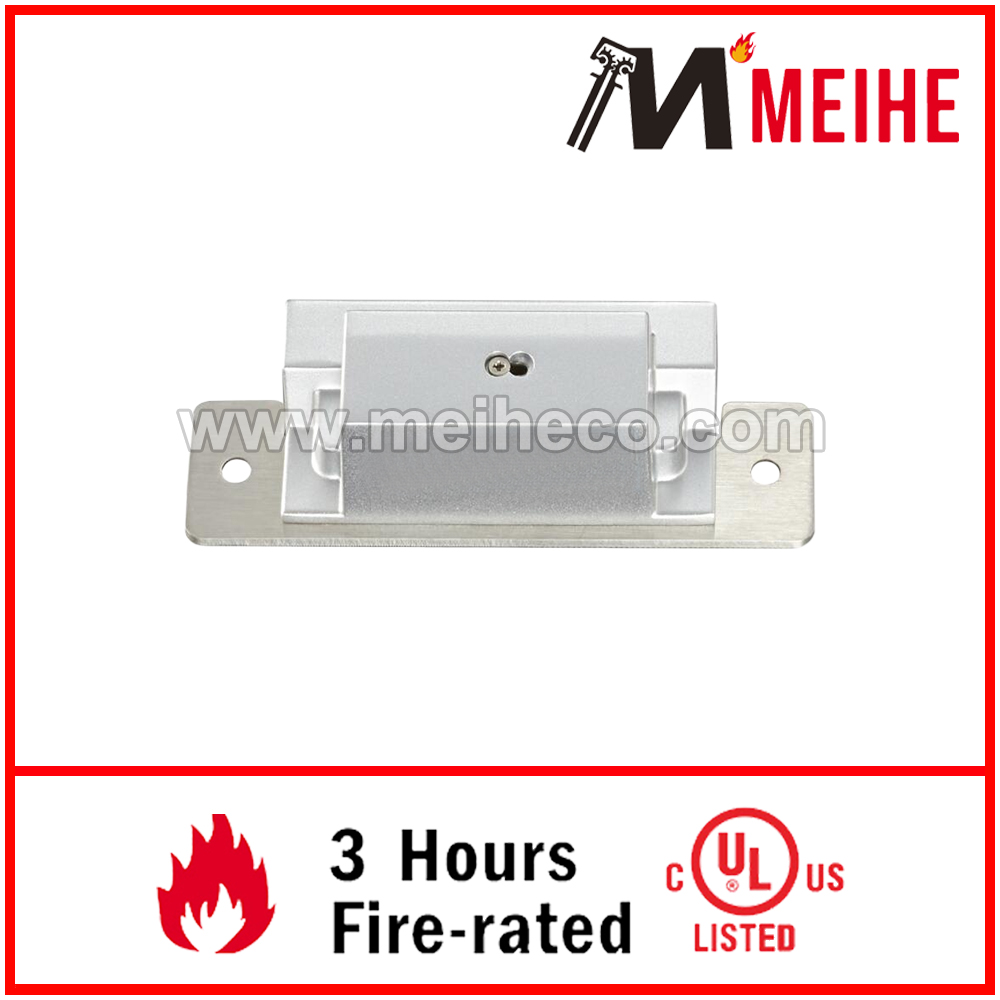
An electric strike represents a critical component in modern access control infrastructure, transforming how facilities manage door security and user authentication. Unlike traditional mechanical locks, an electric strike operates as an electromagnetic device that releases the latch mechanism when an authorized signal is received, creating seamless integration between physical security hardware and digital access management systems. Understanding how an electric strike functions within a broader access ecosystem is essential for security directors, facility managers, and integrators who need to deploy cohesive, reliable door access solutions across buildings and campuses.
The integration of an electric strike with access systems creates a unified security framework that responds to real-time credentials, biometric data, and access rules. When properly integrated, an electric strike eliminates manual key management, reduces unauthorized entry attempts, and provides detailed audit trails for compliance and security investigations. This article explores the technical and operational aspects of how an electric strike synchronizes with access control platforms, the installation considerations that determine success, and the strategic benefits that justify the investment in integrated door access solutions.
Understanding Electric Strike Integration Architecture
Core Components and Signal Flow
An electric strike works by receiving a signal from the access control panel, which interprets credentials from a card reader, keypad, or biometric scanner and determines whether access should be granted. The access control system sends a voltage signal to the electric strike, causing an electromagnetic solenoid to energize and retract the latch keeper, allowing the door to open. This signal flow must be carefully engineered to ensure that an electric strike only unlocks when the access control system explicitly authorizes it, preventing electrical failures or system glitches from creating unintended access. The timing, voltage requirements, and fail-safe mechanisms of an electric strike must align precisely with the access control panel's output specifications to maintain security integrity.
Electrical Power and Failsafe Operation
An electric strike typically requires either 12-volt or 24-volt DC power supplied through a dedicated power supply unit, which must be sized to handle the inrush current demand when an electric strike solenoid energizes. Redundancy and backup power considerations are critical because an electric strike in fail-secure mode locks the door when power is lost, while fail-safe mode releases the lock—a distinction that affects emergency evacuation protocols and building safety compliance. Integrators must specify power supplies that support the total load of all electric strikes in the system, account for wire gauge and run distances, and ensure that an electric strike installation includes properly fused circuits to protect against short circuits and overcurrent conditions that could damage the access control system.
Installation and Compatibility Considerations
Hardware Compatibility and Door Frame Requirements
An electric strike must be selected to match the door frame material, strike hole dimensions, and existing latch configuration to ensure proper installation and reliable operation. Aluminum frames, steel frames, and composite materials require different electric strike models, and an electric strike designed for one frame type may not fit or function correctly in another. Before installation, integrators verify that the existing door hardware accommodates the electric strike form factor, that the frame has adequate depth and width to support the mounting hardware, and that the electric strike latch keeper aligns precisely with the door latch to eliminate binding or improper engagement. Incompatible installations create a point of failure where an electric strike may activate but fail to release the latch, defeating the entire access control system and creating a security liability.
Wiring and Control Integration
The wiring of an electric strike to the access control panel must follow fire code requirements, use appropriate gauge wire rated for the application, and include proper conduit protection where wires pass through walls or exposed areas. An electric strike control wire carries the activation signal from the access control panel to the solenoid, while a separate power supply line delivers the steady voltage required to hold the solenoid in the open position when activated. The access control system's door controller or relay module must provide sufficient current capacity to drive an electric strike without causing voltage drop that would prevent reliable operation, and integrators typically include a surge suppressor or protective diode across the electric strike coil to prevent back-EMF damage to the control electronics. Testing and commissioning verify that an electric strike responds within milliseconds of receiving a valid access authorization and that the solenoid resets cleanly when the authorization signal ends.
Security Benefits and System Advantages
Audit Trail and Access Governance
When an electric strike integrates with an access control system, every access event is logged with timestamp, user identity, and authorization status, creating an immutable record that supports security investigations, compliance audits, and forensic reviews. An electric strike that fails to unlock generates an alarm event flagged in the system, alerting security personnel to potential tampering, equipment malfunction, or unauthorized access attempts. Centralized management of access rights means administrators can revoke access instantly across multiple electric strikes simultaneously without requiring manual key changes, and an electric strike system scales efficiently as facilities grow because new users and devices can be added to the network without hardware modifications to individual doors.
Operational Continuity and Emergency Response
An electric strike integrated with an access control system can support emergency unlock procedures where authorized personnel activate a panic button or alarm to unlock all doors during evacuations, lockdowns, or medical emergencies. The access control system can be configured to automatically release all electric strikes during a fire alarm activation, ensuring that occupants can exit safely regardless of access privileges, while still maintaining strict control during normal operations. Because an electric strike responds to software-level commands, access policies can be updated in real-time to accommodate schedule changes, temporary access grants, or security incidents without requiring physical rekeying or door hardware modification. An electric strike system also provides flexibility to implement time-based access rules where doors unlock only during business hours, grant temporary access to vendors, or enforce multi-factor authentication requirements for high-security areas.
FAQ
What factors determine whether an electric strike is compatible with my existing door hardware?
Compatibility depends on frame material, strike hole dimensions, latch size and throw depth, and the overall door assembly design. An electric strike must match your door frame type (aluminum, steel, or composite), fit within the existing strike hole without modification, and provide proper alignment with the door latch mechanism. Manufacturers provide detailed compatibility matrices and installation guides that identify which electric strike models work with specific door configurations, and integrators verify fit before purchase to avoid costly rework.
Can an electric strike be retrofitted to doors that currently use mechanical locks?
Yes, an electric strike can typically be retrofitted to existing doors if the frame structure allows installation of the strike unit without major modifications to the door or jamb. In many cases, an electric strike installation requires only that the existing latch be compatible and that power and control wiring can be routed to the strike location through conduit or wire trays. However, some older or non-standard door frames may require frame reinforcement or latch replacement, making the retrofit more complex and costly than installing an electric strike in new construction.
What is the difference between fail-secure and fail-safe electric strike operation?
A fail-secure electric strike locks the door when power is lost or the solenoid is de-energized, preventing unauthorized access during system outages but potentially trapping occupants. A fail-safe electric strike releases the latch when power is lost, allowing occupants to exit safely during emergencies but requiring active power and control signals to keep the door locked. Building code and emergency protocols determine which mode is appropriate for each door; egress doors typically require fail-safe operation to comply with life safety regulations, while secure areas may use fail-secure mode to maintain access control during power interruptions.