
 EN
EN



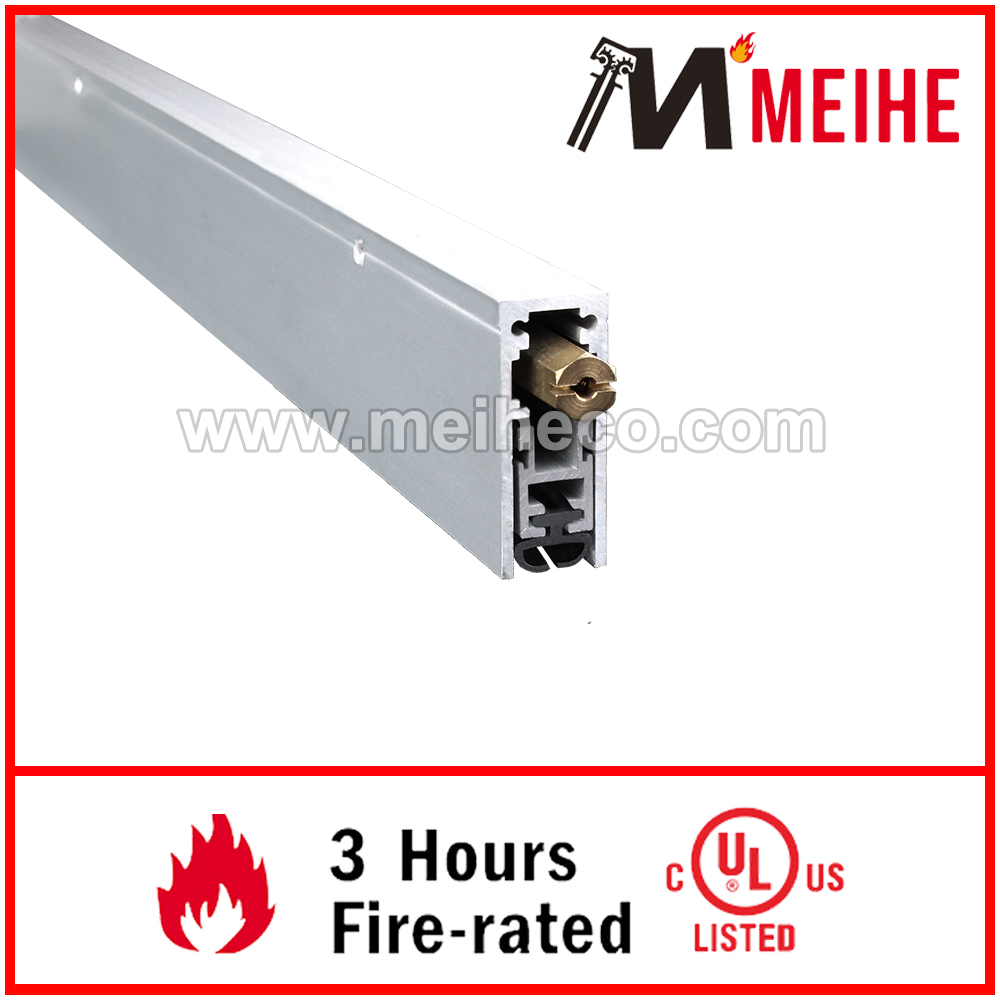
Heavy doors demand specialized hardware solutions that go far beyond standard residential applications. When selecting an automatic door bottom for heavy doors, the design choice directly impacts sealing performance, operational reliability, and long-term maintenance costs. Industrial facilities, commercial buildings, and specialized environments require automatic door bottom systems engineered to withstand constant use, significant weight loads, and demanding operational cycles. Understanding which automatic door bottom designs excel under these conditions ensures your facility maintains proper environmental control, security, and safety standards.
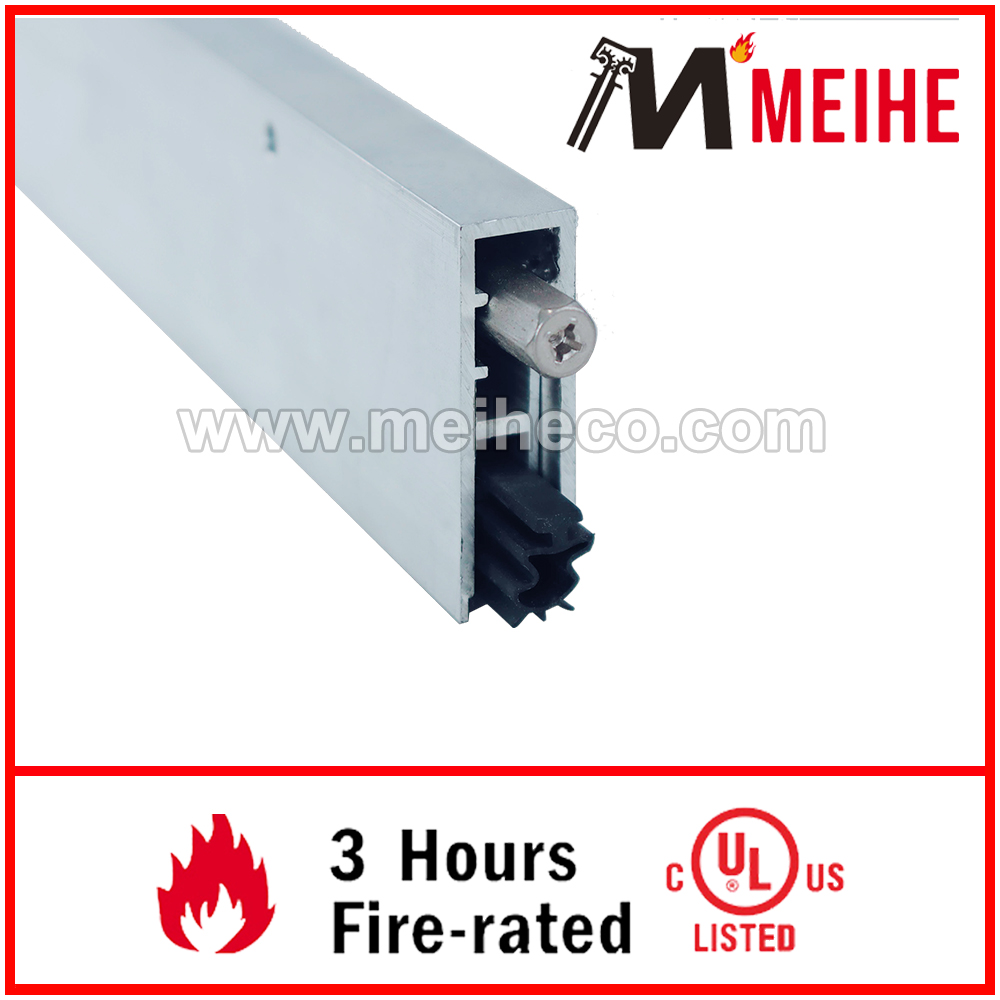
The performance of an automatic door bottom depends on multiple design factors working in concert: seal material composition, actuation mechanism reliability, frame attachment strength, and wear resistance under repetitive cycling. Heavy doors present unique challenges that standard automatic door bottom solutions simply cannot address adequately. This guide examines the design characteristics that distinguish top-performing automatic door bottom systems from inferior alternatives, helping facility managers and specifiers make informed decisions based on technical merit and operational requirements.
Seal Material and Durability in Automatic Door Bottom Systems
Understanding Seal Material Performance for Heavy Doors
The seal material in an automatic door bottom must withstand substantial downward force from heavy door weight while maintaining consistent contact with the floor surface. Premium automatic door bottom designs utilize advanced elastomer compounds engineered for compression resistance, meaning the seal retains its shape and sealing integrity even after years of pressure cycles. Inferior materials deteriorate rapidly, losing their ability to create effective environmental seals and allowing air, water, dust, and sound to bypass the door. When evaluating automatic door bottom options, verify that seal materials are rated for your specific environmental conditions, including temperature ranges, humidity levels, and chemical exposure if applicable.
Compression and Rebound Characteristics
Heavy doors create extreme compression forces on the automatic door bottom seal every time the door closes. A well-designed automatic door bottom must compress under load without developing permanent deformation that compromises future sealing. The rebound property—the seal's ability to return to its original shape after the door opens—directly determines how many operational cycles an automatic door bottom can endure before replacement becomes necessary. Professional-grade automatic door bottom systems use materials with compression set ratings below 25 percent, ensuring durability across hundreds of thousands of cycles. Budget alternatives often fail within months because their seal materials simply cannot recover from the repeated compression-release cycle inherent in heavy door operation.
Actuation Mechanism Design for Reliable Heavy Door Performance
Mechanical Versus Electronic Actuation in Automatic Door Bottom Systems
An automatic door bottom must reliably retract its seal during door opening and lower it smoothly during closing, regardless of whether the door weighs 300 pounds or 800 pounds. Mechanical automatic door bottom designs use springs, followers, and lever mechanisms to actuate the seal movement without requiring external power, making them inherently dependable but requiring precise engineering for heavy door applications. Electronic automatic door bottom solutions integrate motors or solenoids that actively control seal position, offering greater responsiveness but introducing additional failure points and dependency on electrical systems. For heavy doors, hybrid mechanisms often prove most effective, combining mechanical reliability with controlled electronic actuation that responds to door sensors and automation systems. The mechanism design must accommodate the increased inertial forces generated by heavy door movement without creating binding, resistance, or delayed response that could compromise the door's operation or the seal's functionality.
Spring Calibration and Load Handling
Springs within an automatic door bottom must be precisely calibrated to overcome friction from the heavy door's weight while still maintaining smooth, predictable operation. Standard automatic door bottom springs calibrated for typical 50 to 100-pound doors will fail under the sustained resistance created by 400 to 600-pound heavy doors. Professional automatic door bottom designs for heavy doors incorporate reinforced springs with significantly higher spring constants, ensuring the mechanism remains responsive rather than sluggish or stuck. The spring calibration must account for the door's weight distribution, the seal material's friction coefficient, and the environmental temperature variations that affect spring performance. Poorly calibrated springs cause the automatic door bottom seal to stick in the lowered position, creating tripping hazards, or fail to drop fully, compromising environmental sealing and raising operational liability concerns.
Frame Attachment and Structural Integrity for Heavy Door Applications
Mounting Hardware and Load Distribution
An automatic door bottom attached to a heavy door experiences significant horizontal and vertical stresses that standard mounting brackets simply cannot safely manage. The mounting hardware in a professional automatic door bottom system distributes the door's weight and the actuation forces across multiple attachment points using reinforced brackets, heavy-duty fasteners, and engineered load paths. Budget automatic door bottom designs use minimal attachment hardware, creating stress concentration points that eventually crack, bend, or pull away from the door frame. Heavy door installations demand automatic door bottom hardware engineered with safety factors exceeding 4.0, meaning the system can theoretically support four times the maximum expected load without structural failure. Frame preparation, including proper reinforcement around the mounting location, becomes essential when installing an automatic door bottom on heavy doors to ensure the door frame itself does not flex or warp under operational stress.
Material Selection for Brackets and Components
The brackets, screws, and fasteners comprising an automatic door bottom must resist corrosion, maintain dimensional stability, and sustain repeated stress cycling without fatigue failure. Stainless steel and high-strength aluminum alloys are standard in premium automatic door bottom systems because they resist oxidation, maintain strength at temperature extremes, and survive millions of mechanical cycles. Zinc-plated steel components in budget automatic door bottom options corrode quickly in humid or saline environments, leading to bracket failure and seal dysfunction. For heavy doors in challenging environments—such as hospitals, food processing facilities, or coastal installations—the automatic door bottom hardware material selection directly influences maintenance requirements and service life. Corrosion-resistant fasteners and sealed bearing surfaces in an automatic door bottom prevent moisture infiltration that would otherwise seize actuation mechanisms and render the system inoperable.
Environmental Sealing Performance and Long-Term Reliability
Air and Moisture Infiltration Prevention
Heavy doors in conditioned environments—data centers, laboratories, cleanrooms, and controlled storage facilities—require an automatic door bottom that maintains precise sealing under all operational conditions. The automatic door bottom seal must adapt to minor floor irregularities while maintaining consistent contact pressure that prevents air leakage without creating excessive friction that strains door operators. Professional automatic door bottom designs achieve this balance through seal profiles engineered with tapered edges and multiple contact surfaces, allowing the automatic door bottom to accommodate ±1/4 inch floor variations while maintaining seal effectiveness. Inferior automatic door bottom systems provide point contact only, creating gaps where air, moisture, and contaminants bypass the seal entirely. For facilities where environmental separation is critical, verify that your automatic door bottom is tested and certified to specific air infiltration rates, typically measured in cubic feet per minute at standardized pressure differentials.
Maintenance Requirements and Lifecycle Costs
The total cost of an automatic door bottom installation extends far beyond the initial purchase price, encompassing maintenance labor, component replacement, and operational downtime. Heavy-duty automatic door bottom systems designed for industrial applications require minimal maintenance—typically annual inspection and occasional seal replacement after 5 to 10 years of service. Budget automatic door bottom options often require component replacement within 12 to 24 months due to seal material degradation, mechanism jamming from dust infiltration, or bracket corrosion. When calculating the true value of an automatic door bottom investment, facility managers should factor in labor costs for maintenance visits, inventory carrying costs for replacement parts, and the operational impact of door malfunction during critical operations. Professional automatic door bottom designs incorporate sealed bearing surfaces, drain provisions, and corrosion protection that substantially reduce maintenance frequency and associated costs over a 10-year lifecycle.
FAQ
What specifications should I verify when selecting an automatic door bottom for heavy doors?
Verify the automatic door bottom is rated for your specific door weight, measure its seal compression set to ensure durability, confirm the mounting hardware accommodates your door frame material, and review independent test data showing air infiltration rates and cycle life. Request engineering documentation demonstrating that the automatic door bottom has been tested with doors matching your application's weight and frequency of use.
How often should an automatic door bottom be maintained or replaced?
Premium automatic door bottom systems typically require inspection annually and seal replacement every 7 to 10 years depending on usage intensity and environmental conditions. Budget automatic door bottom units often need seal replacement within 2 to 3 years, and mechanism components may require replacement even sooner if exposed to harsh environments. Heavy doors that operate continuously or in demanding conditions may require more frequent maintenance than standard automatic door bottom installations.
Can an automatic door bottom be retrofitted to an existing heavy door?
Yes, professional automatic door bottom retrofit installations are feasible on most heavy doors, but the door frame must be evaluated for adequate structural integrity and attachment surface preparation. The existing door operator, control systems, and power supply must be compatible with the automatic door bottom specifications, and proper installation by qualified technicians is essential to ensure safety and performance. Some heavy doors may require frame reinforcement or power supply upgrades to support an automatic door bottom retrofit.