
 EN



Selecting the right hinge type for a door installation significantly impacts performance, longevity, and safety across diverse applications. A continuous door hinge represents a fundamental choice for many industrial, commercial, and specialized building projects. Understanding which door types benefit most from this hinge design helps facility managers, architects, and installation professionals make informed decisions that enhance door reliability and reduce maintenance costs over the life of the installation.
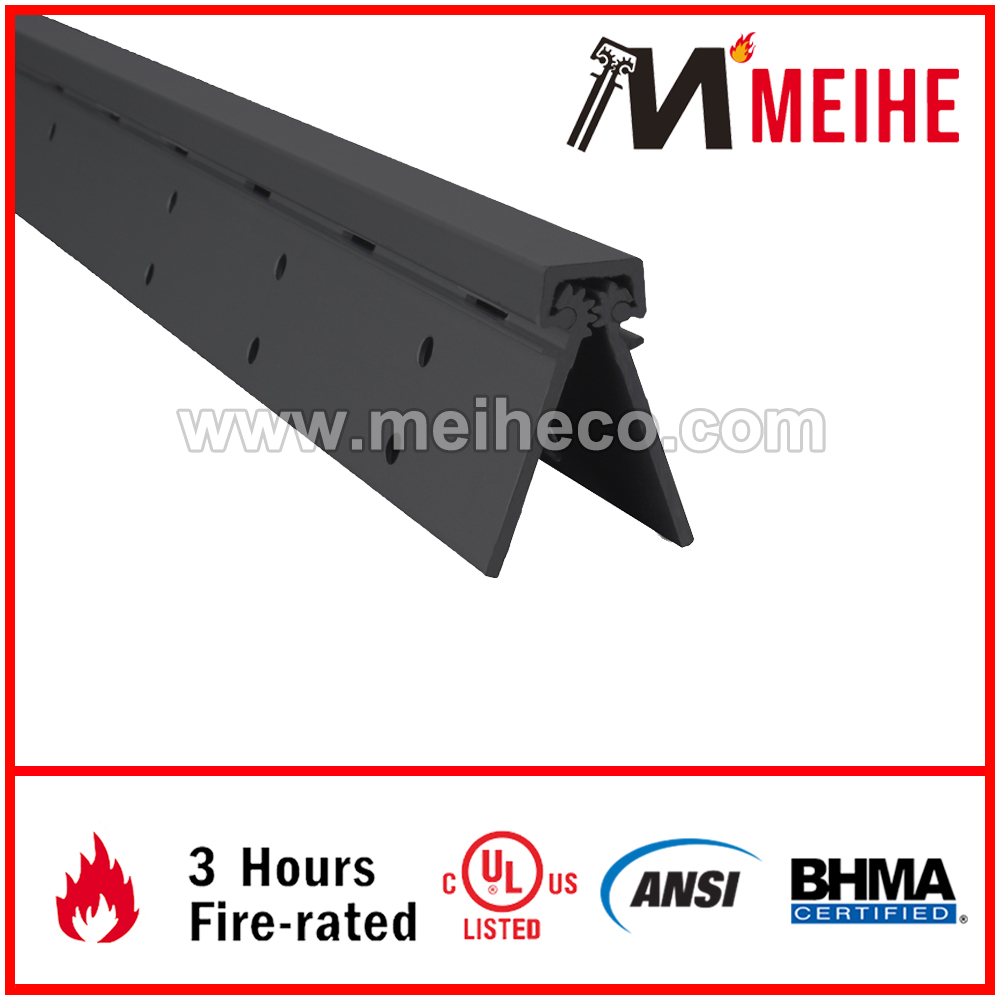
A continuous door hinge spans nearly the entire height of a door, distributing load and stress far more evenly than traditional three-hinge configurations. This design proves particularly valuable when doors face heavy traffic, extreme temperatures, or sustained pressure. The continuous door hinge excels in environments where conventional hinges would fatigue prematurely or fail to maintain proper alignment over time. By recognizing which door types gain the most advantage from this technology, organizations can optimize their infrastructure investments and ensure consistent door performance.
Heavy-Duty Industrial and Warehouse Doors
High-Impact Environments and Continuous Hinges
Industrial warehouse doors and manufacturing facility entrances operate under conditions that demand exceptional hinge performance. These doors frequently experience impact loads from forklifts, heavy carts, and constant daily use that would quickly compromise standard hinges. A continuous door hinge distributes these impact forces along its entire length, preventing the concentration of stress at discrete hinge points that typically fail first. This load distribution capability makes the continuous door hinge the preferred choice for doors exceeding 300 pounds or handling repeated heavy-duty access cycles.
Thermal Cycling and Material Expansion
Manufacturing environments with significant temperature fluctuations create unique challenges for door hardware. Doors in foundries, freezer facilities, and heated production areas expand and contract daily, placing enormous strain on conventional hinges. The continuous door hinge accommodates this thermal movement more effectively because its extended design provides flexibility along the full door height rather than at isolated mounting points. Facilities managing extreme temperature variations report that continuous door hinge installations maintain alignment and function far longer than traditional three-hinge setups, reducing replacement frequency and unplanned maintenance downtime.
Commercial High-Traffic Entrance Doors
Hospital, Retail, and Institutional Access Points
Public buildings with sustained foot traffic derive tremendous benefit from continuous door hinge technology. Hospital corridors, retail storefronts, and institutional entrances operate continuously throughout business hours, with doors experiencing hundreds or thousands of cycles daily. A continuous door hinge ensures these high-traffic doors remain properly aligned and functional without the sagging or binding that develops with conventional hinges. Healthcare facilities particularly value the continuous door hinge because door failures in patient care areas can create safety hazards and operational disruptions. The extended load distribution of a continuous door hinge reduces maintenance calls and ensures doors operate smoothly for patients, staff, and visitors.
ADA Compliance and Accessibility Requirements
Buildings designed to meet accessibility standards benefit significantly from continuous door hinge installations. Doors with heavy closing forces or difficult operation create barriers for individuals with limited strength or mobility. The continuous door hinge reduces operating resistance by distributing load evenly, making doors easier to open and close for all building occupants. This accessibility advantage extends beyond legal compliance to represent genuine inclusive design. Many commercial architects now specify continuous door hinge systems as standard for public buildings because this hinge type simultaneously improves accessibility and reduces long-term maintenance expenses compared to traditional hinges.
Specialized Applications and Extended Durability
Fire-Rated and Security Doors
Fire-rated doors and security installations demand absolute reliability because hinge failure creates life-safety consequences. These doors often require substantial closing forces and precise alignment to meet fire rating certifications and security standards. A continuous door hinge maintains the exact alignment required for proper sealing and latching throughout the door's lifespan. Fire marshals and security professionals recognize that continuous door hinge technology provides the durability assurance necessary for critical safety applications. When fire codes or security protocols mandate specific door performance characteristics, the continuous door hinge delivers the dependability that meets or exceeds regulatory expectations.
Coastal and Corrosive Environments
Doors installed in marine facilities, chemical plants, or coastal regions face accelerated corrosion and material degradation that challenges ordinary hinges. The continuous door hinge design minimizes the number of exposed fastening points where moisture and corrosive agents typically initiate failure. By consolidating hinge hardware into a single continuous mechanism rather than three separate hinge units, the continuous door hinge reduces the total surface area vulnerable to environmental attack. Facilities operators managing corrosive environments report that stainless steel or specially coated continuous door hinge installations maintain function far longer than conventional hinges in the same conditions. This environmental resilience translates directly to extended service intervals and reduced replacement expenses for doors facing harsh exposure.
Custom and Non-Standard Door Sizes
Doors fabricated at unusual heights or with non-standard dimensions gain particular advantage from continuous door hinge technology. Oversized doors, custom architectural installations, and specialized industrial entrances place disproportionate stress on conventional three-hinge systems because the load concentration at discrete points intensifies with increasing door height and weight. A continuous door hinge automatically scales its load distribution across the entire door height, whether the door measures seven feet, ten feet, or even taller. This scalability makes the continuous door hinge the natural choice for any custom door project where standard hinge configurations would represent an engineering compromise or reliability risk.
FAQ
What weight ratings do continuous door hinges typically support compared to standard hinges?
Continuous door hinges commonly support doors weighing 400 to 600 pounds or more, whereas traditional three-hinge systems typically accommodate 150 to 300 pounds depending on hinge quality. The superior load distribution of a continuous door hinge means that door weight alone rarely becomes a limiting factor, as the entire hinge length shares the burden equally. This capacity difference explains why heavy doors, especially those in industrial or commercial high-traffic settings, almost always perform better with continuous door hinge configurations.
Can a continuous door hinge be retrofitted to existing doors?
Retrofitting an existing door with a continuous door hinge requires the door frame to be modified to accommodate the full-height hinge mortise, making retrofit projects significantly more complex and expensive than installing continuous door hinge hardware during initial door fabrication. Most facilities reserve continuous door hinge retrofits for doors where current hinge failures create recurring problems or where operational demands have increased beyond the original three-hinge design capacity. New construction projects benefit from specifying continuous door hinge upfront during the door ordering process rather than attempting retrofit installations later.
What maintenance requirements apply to continuous door hinges?
A continuous door hinge requires periodic lubrication and visual inspection similar to conventional hinges, but the extended design typically requires less frequent adjustment because load distribution prevents the gradual misalignment common in traditional hinge systems. Annual lubrication with appropriate hinge oil maintains smooth operation, and periodic visual checks ensure no corrosion or mechanical damage develops. The continuous door hinge design often extends the total maintenance-free service interval compared to standard hinges in demanding applications, reducing the total cost of ownership over the door's operational lifespan.