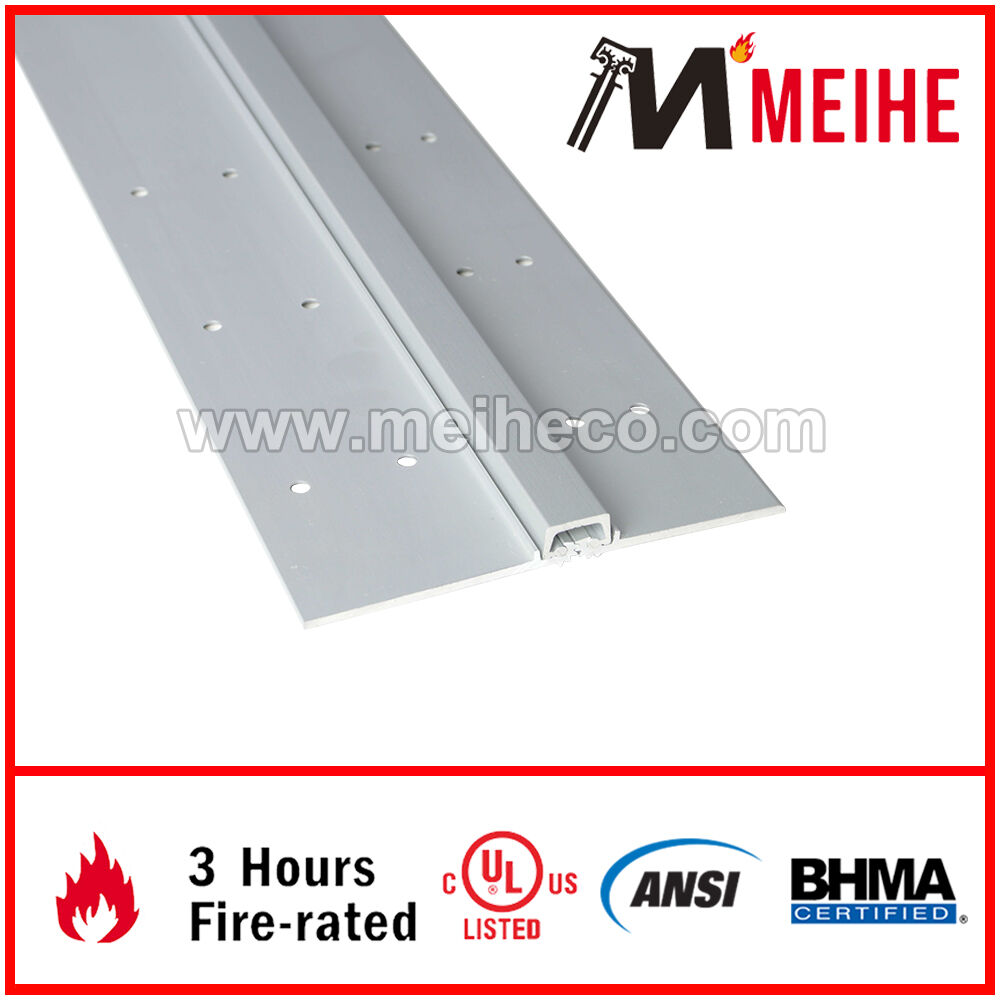
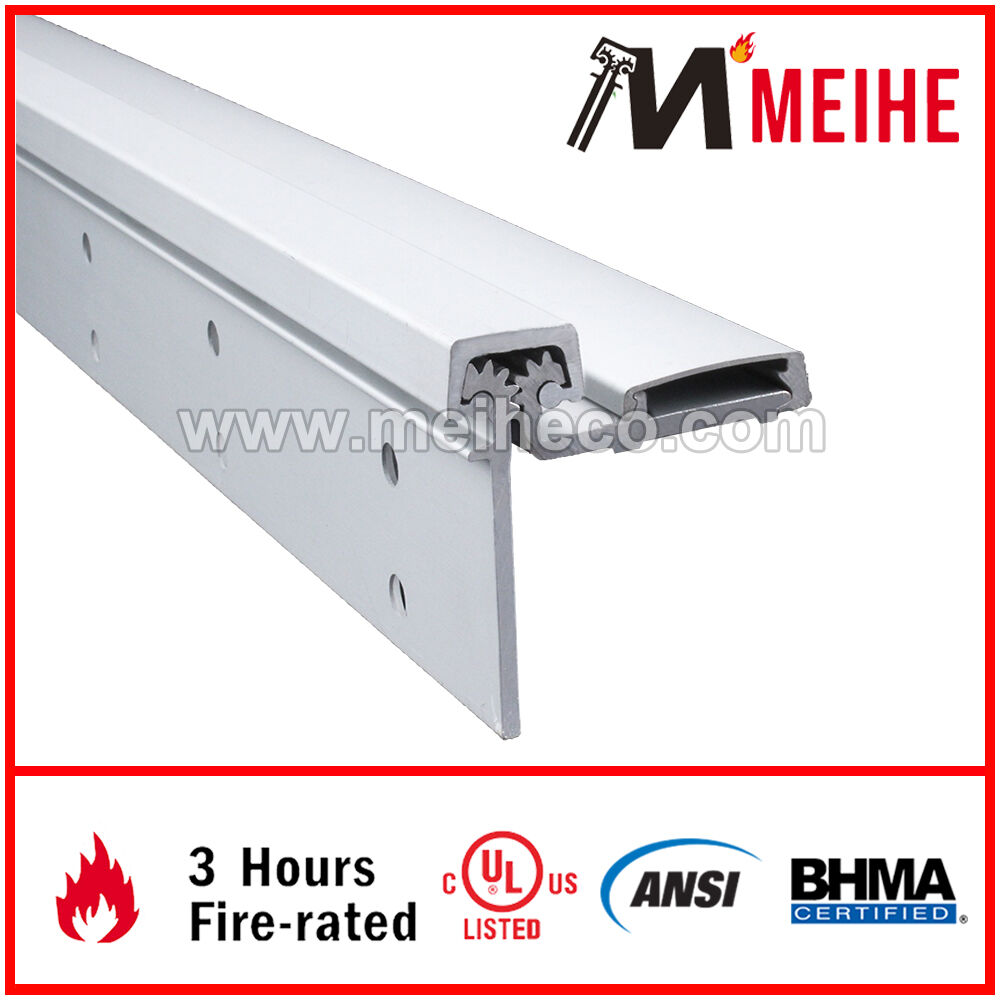
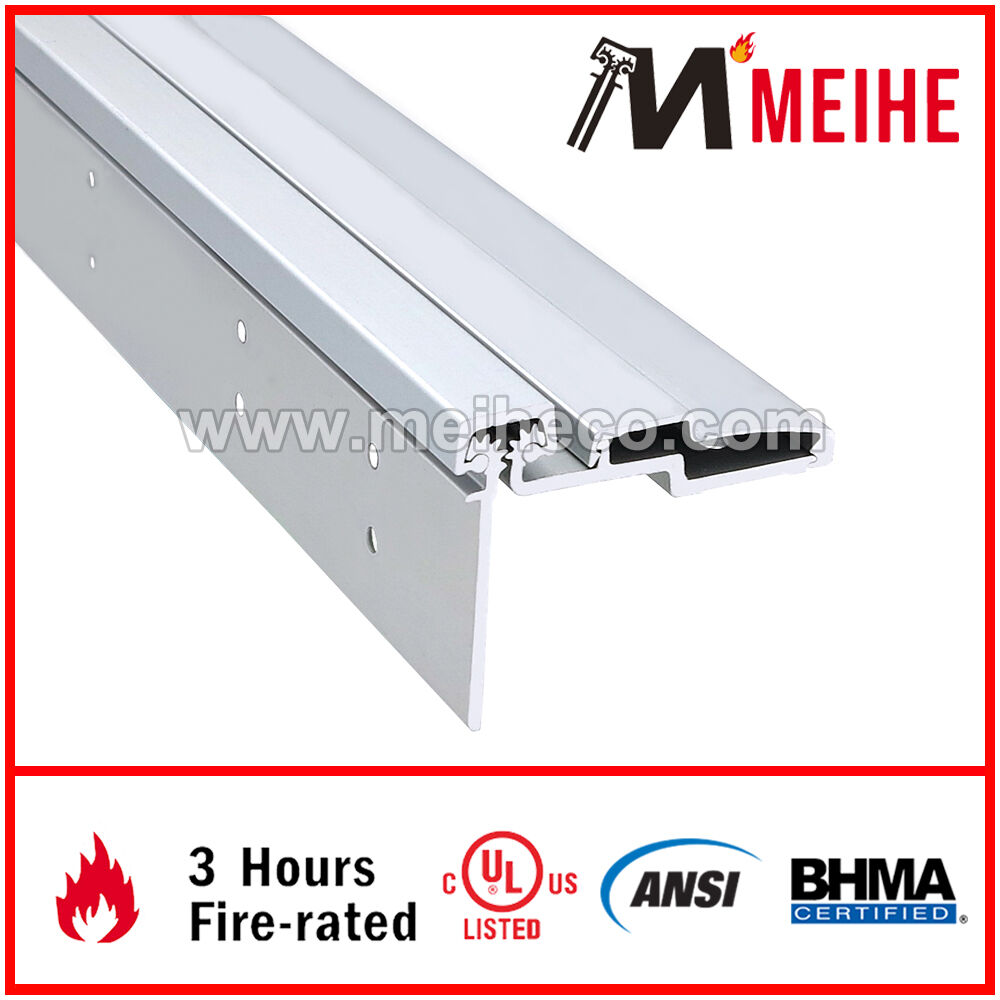
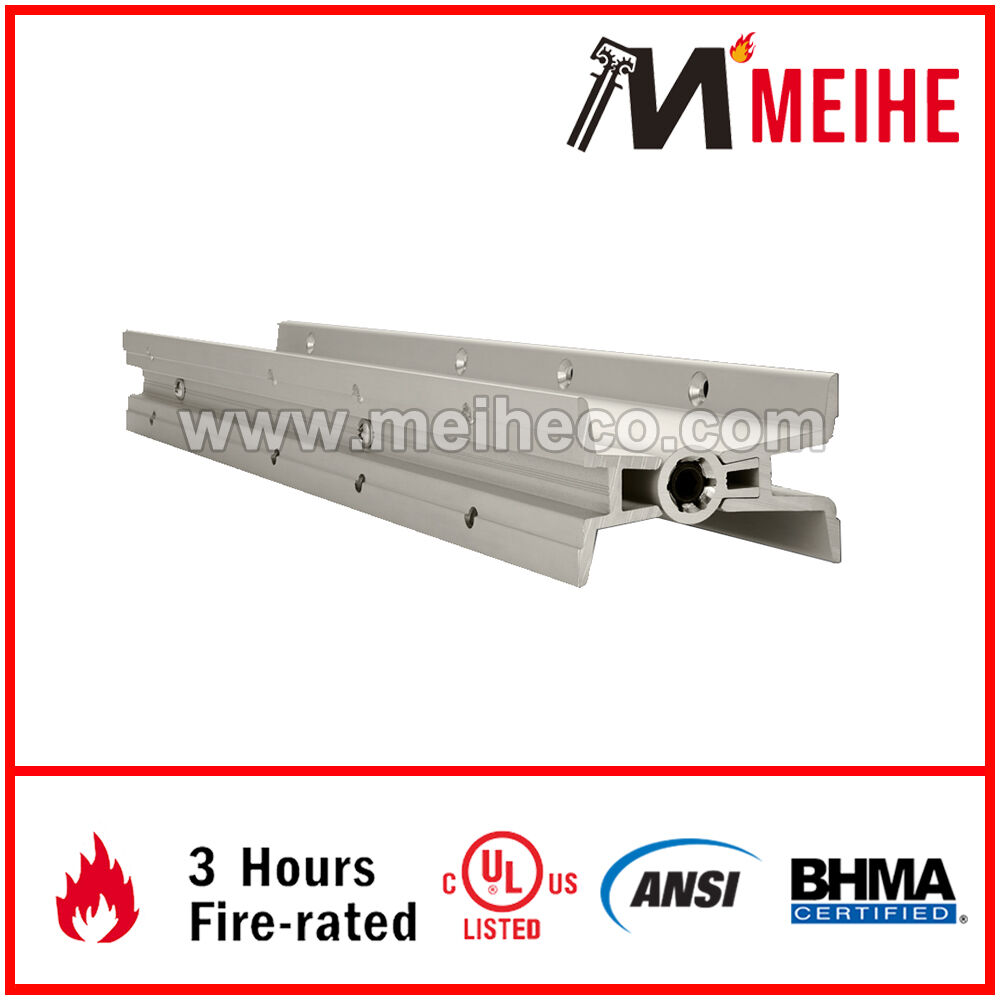
drop seals for fire doors
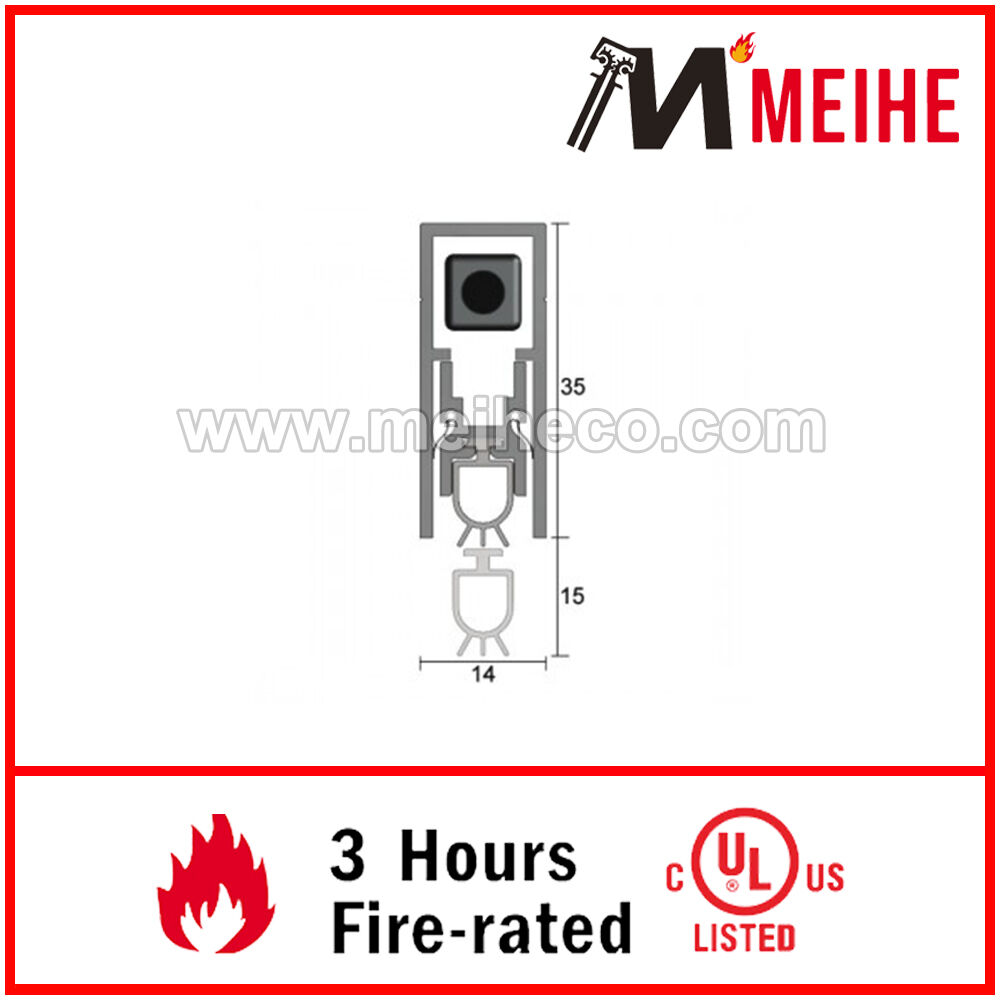
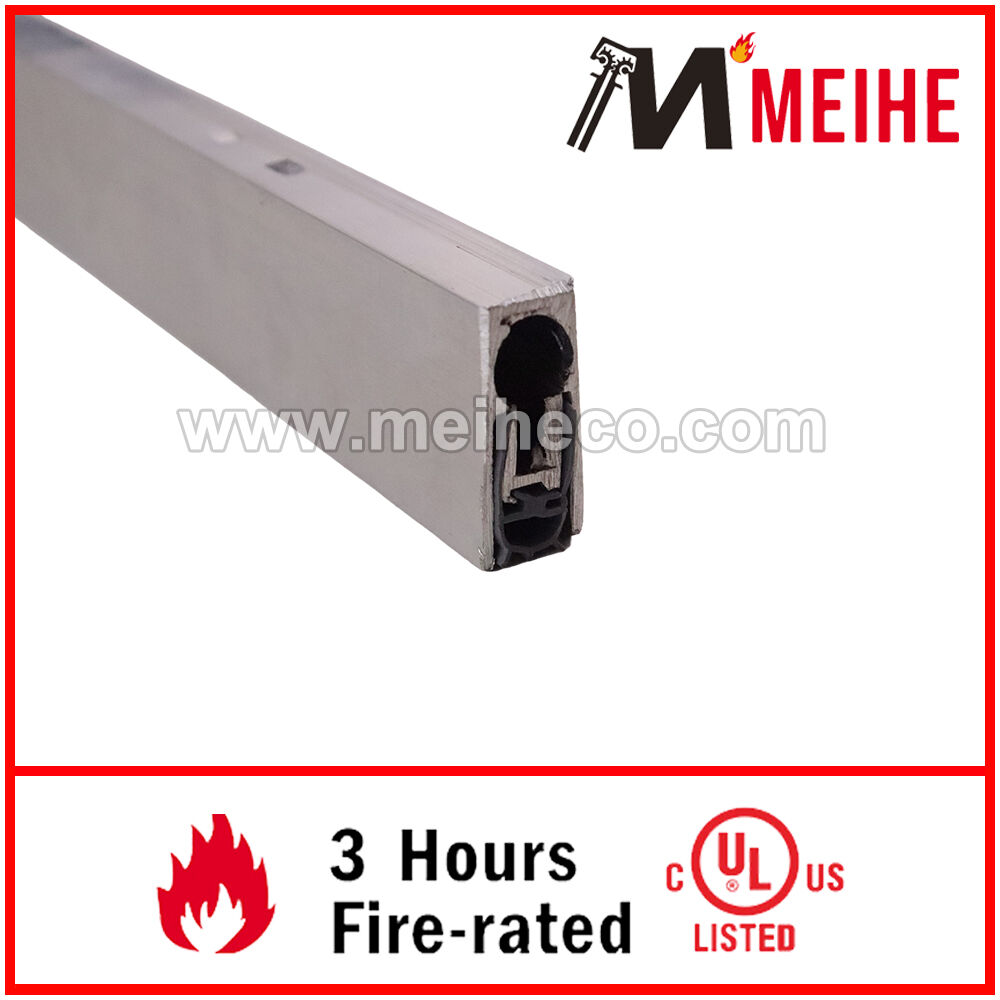
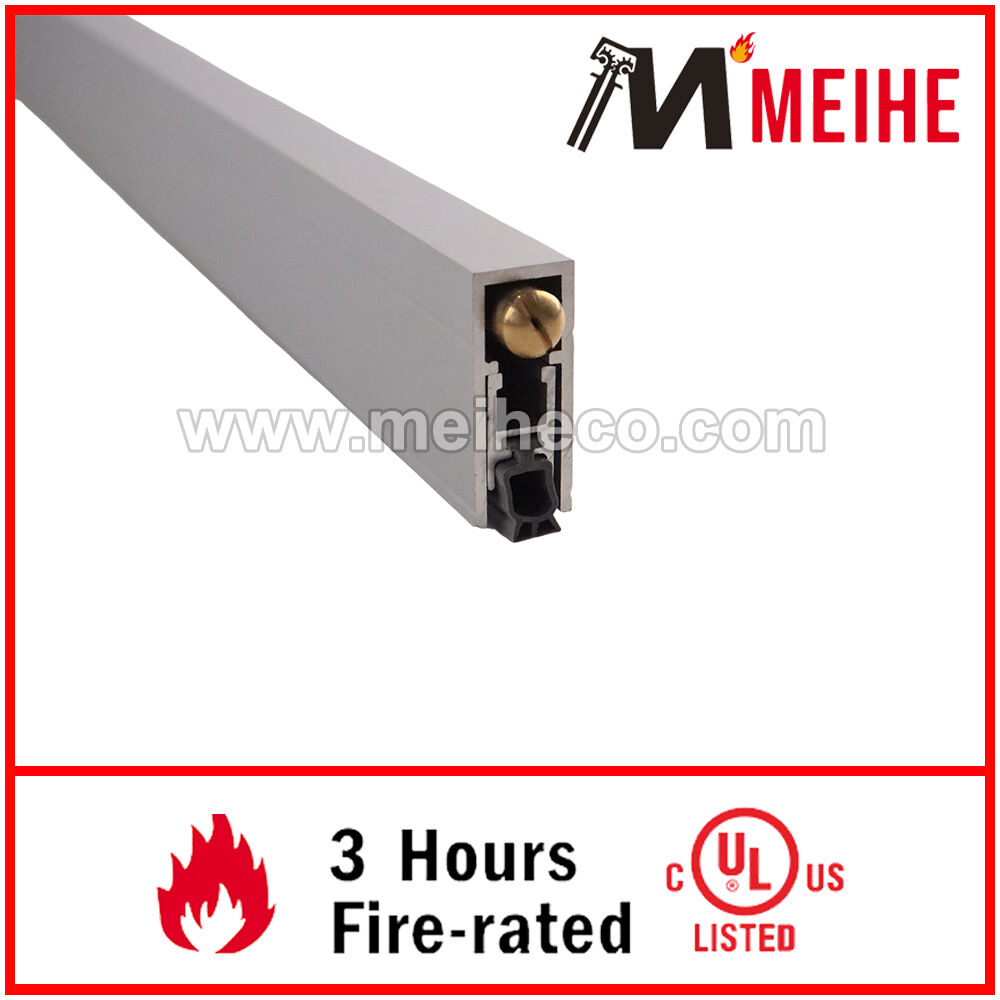
Drop seals for fire doors represent a critical safety component designed to maintain the integrity of fire-rated openings in commercial and residential buildings. These specialized sealing systems automatically deploy when exposed to elevated temperatures, creating an effective barrier against smoke, flames, and toxic gases during fire emergencies. The primary function of drop seals for fire doors centers on their ability to seal the gap between the bottom of the door and the floor threshold, preventing the passage of dangerous elements that could compromise building occupant safety. These innovative devices operate through a temperature-sensitive mechanism that responds to heat by releasing a spring-loaded seal that drops down to close the gap beneath the door. The technological features of drop seals for fire doors include high-grade intumescent materials that expand when heated, creating an even more effective seal. Modern drop seals for fire doors incorporate precision-engineered components such as heat-fusible links, stainless steel springs, and fire-resistant housing materials that ensure reliable performance under extreme conditions. The activation temperature is carefully calibrated to deploy at approximately 165 degrees Fahrenheit, providing early response to fire conditions while avoiding false activation during normal building operations. Applications for drop seals for fire doors span across various building types including hospitals, schools, office complexes, hotels, and residential high-rises where fire safety regulations mandate comprehensive protection systems. These devices prove particularly valuable in buildings with carpeted areas where traditional door sweeps may not provide adequate sealing. The installation process involves mounting the drop seal mechanism within the door frame or directly onto the door itself, depending on the specific model and building requirements. Regular maintenance and inspection of drop seals for fire doors ensure continued reliability and compliance with fire safety standards established by building codes and insurance requirements.
 ×
×




 EN
EN