
 EN
EN



Exterior doors face constant security challenges in both residential and commercial environments. Property owners and facility managers must select hardware that not only functions reliably but also provides genuine protection against unauthorized access. A continuous door hinge represents a significant upgrade from traditional three-point hinges, offering enhanced load capacity, structural integrity, and resistance to tampering. Understanding how this hardware contributes to door security requires examining the mechanical advantages, installation considerations, and real-world performance factors that distinguish continuous hinge systems from conventional alternatives.
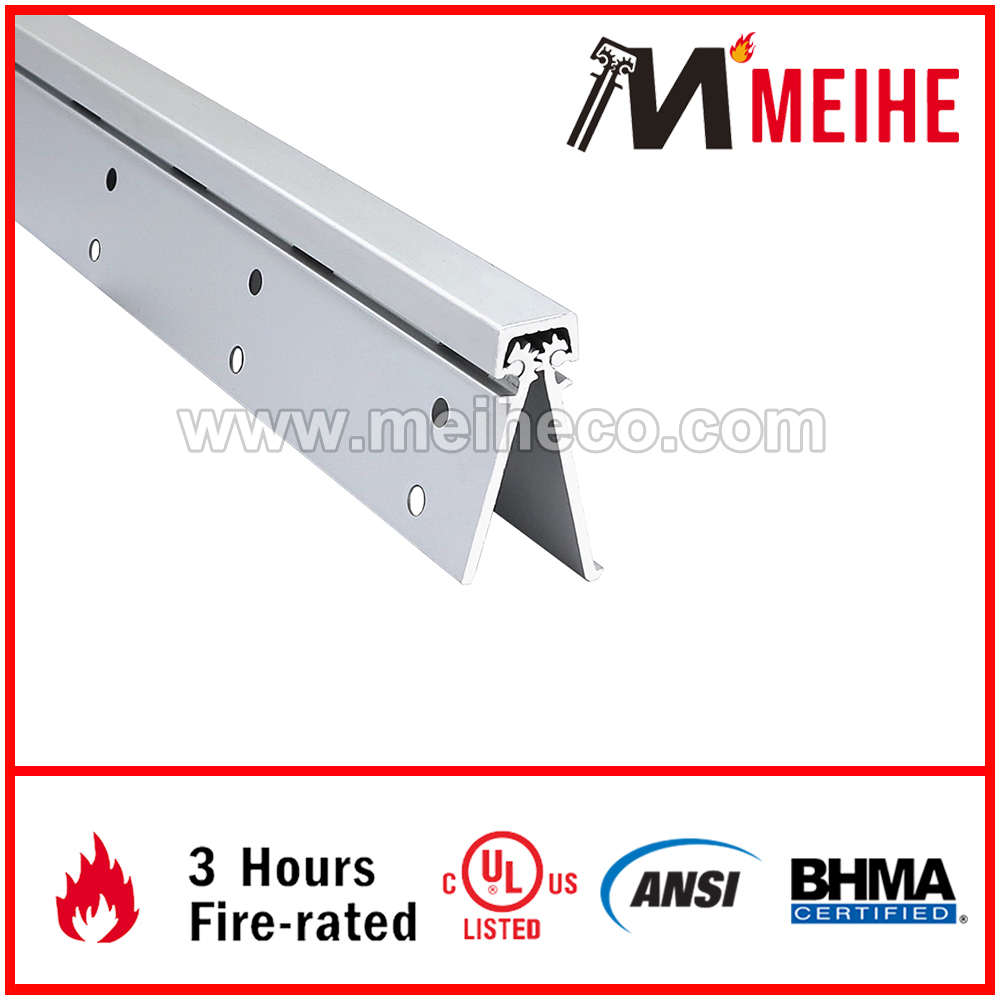
Security begins with the foundation of door hardware, and a continuous door hinge fundamentally changes how weight and stress distribute across the door frame. Unlike traditional hinges that concentrate load at three discrete points, continuous door hinges distribute force along the entire door height, creating a stronger, more stable assembly that resists prying, kicking, and lateral stress. This architectural advantage directly translates to meaningful security improvements for exterior applications where doors must withstand environmental stress, frequent use, and potential intrusion attempts.
Structural Strength and Load Distribution
How Continuous Door Hinges Distribute Weight
The fundamental design of a continuous door hinge spreads the weight of heavy exterior doors across multiple attachment points along the entire leaf length. Standard three-point hinges concentrate structural stress at the top hinge, center hinge, and bottom hinge locations, creating weak points where the door frame can flex or separate under pressure. A continuous door hinge eliminates these vulnerability zones by providing continuous support along the full door height, preventing the frame from warping or the door from sagging over time. This even load distribution significantly improves the door's ability to resist forced entry attempts, especially when combined with proper installation into solid structural backing.
Impact on Door Stability and Security
When exterior doors experience pressure from weather, impact, or deliberate force, a continuous door hinge maintains consistent alignment and prevents the subtle separation that traditional hinges allow. This stability directly affects security because a poorly aligned door creates gaps that weaken frame integrity and make door strikes more vulnerable. A continuous door hinge keeps the door frame square, the latch mechanism properly aligned, and the overall assembly more resistant to tampering. For commercial facilities and high-security residential applications, this structural advantage becomes a critical component of the overall security strategy, working in concert with quality locks, reinforced frames, and professional installation.
Resistance to Tampering and Forced Entry
Advantages Against Prying and Impact
Exterior doors commonly face prying attempts where intruders attempt to separate the door from the frame using leverage tools. A continuous door hinge resists this attack vector because there are no exposed hinge points where a pry bar can gain mechanical advantage. The smooth, continuous surface provides no purchase points for tools, and the distributed load makes it much harder to create the small separation that allows a pry bar to work. Additionally, because a continuous door hinge supports the door across its entire height rather than at three points, impact and kicking forces cannot concentrate at weak spots between hinge locations. The result is a door assembly that stands up to both deliberate and opportunistic intrusion attempts far better than conventionally hinged doors.
Concealed Leaf Design Benefits
Many continuous door hinge models feature concealed leaf construction where one leaf remains hidden when the door closes. This design element adds another security layer by preventing potential intruders from removing hinge pins or identifying the hinge mechanism as a vulnerability. When a continuous door hinge uses concealed leaf technology, even the visible portions provide minimal information about how the door is secured. This combination of mechanical strength and design secrecy makes the assembly inherently more secure because attackers cannot easily assess weaknesses or plan targeted attacks against specific hardware components.
Installation and Application Considerations
Proper Installation for Maximum Security
A continuous door hinge only provides its full security benefits when installed correctly into solid structural components with appropriate fasteners and backing material. If installed into hollow core frames, compromised wood, or inadequate backing, even the strongest continuous door hinge cannot deliver maximum protection. Professional installation into solid wood frames, composite materials, or properly reinforced metal frames ensures the hardware can fully transfer load and resist tampering. Security-focused facility managers must verify that installation specifications call for fasteners rated for the continuous door hinge load capacity and that all attachment points receive fasteners into solid material, not hollow cavities. This attention to installation detail transforms the continuous door hinge from a strong component into an integral part of a genuinely secure door assembly.
Suitability for Exterior Applications
Exterior doors experience weather exposure, thermal cycling, and moisture challenges that demand hardware durability beyond what interior hinges require. A continuous door hinge designed for heavy-duty exterior use typically features corrosion-resistant materials, proper finish protection, and tight tolerances that perform reliably despite environmental stress. Stainless steel or zinc-plated continuous door hinge options resist rust and degradation that could weaken the assembly over time. For commercial buildings, industrial facilities, warehouses, and security-conscious residential applications, selecting a continuous door hinge specifically rated for exterior conditions ensures that security performance remains consistent through seasons and years of operational service. The investment in appropriate materials directly protects the security benefits the hardware architecture provides.
Performance Comparison and Real-World Impact
How Continuous Hinges Compare to Standard Hinges
Testing and field experience consistently demonstrate that doors hung on continuous door hinge systems remain more square, more stable, and more resistant to intrusion attempts than doors using three-point hinges. Load testing shows that continuous door hinge assemblies can support significantly heavier doors and resist greater lateral and impact forces before failing. In security audits, facilities using continuous door hinge hardware on exterior doors consistently receive higher security ratings because the hardware eliminates known vulnerability patterns. This performance difference becomes especially pronounced in high-traffic applications where doors experience thousands of opening and closing cycles annually, yet continuous door hinge assemblies maintain alignment and security where conventional hinges gradually loosen and degrade.
Long-Term Security and Maintenance
Beyond immediate intrusion resistance, a continuous door hinge contributes to long-term security by maintaining door function and alignment with minimal maintenance over decades. Unlike three-point hinges that gradually wear at individual attachment points, continuous door hinge wear distributes so evenly that performance degradation happens more slowly and less noticeably. This means facilities can extend the time between security hardware replacement cycles and maintain consistent protection for longer periods. Facility managers planning long-term security strategies benefit from the durability and consistent performance that continuous door hinge technology provides, knowing that their investment in higher-quality hardware will continue protecting doors and occupants year after year with minimal intervention required.
FAQ
Do all continuous door hinges provide the same level of security improvement?
Not all continuous door hinges deliver identical security benefits. The material quality, load rating, installation backing requirements, and specific design of the continuous door hinge affect its actual security performance. Heavy-duty continuous door hinge systems designed specifically for security applications generally provide superior protection compared to lighter-duty continuous door hinges intended for general commercial use. Verify that any continuous door hinge selected for security-critical applications carries appropriate load ratings and is specifically designed for exterior or security service. Installation quality and structural backing matter equally, meaning a premium continuous door hinge installed into inadequate backing delivers less security than the same hardware properly installed into solid framing.
Can a continuous door hinge alone secure an exterior door?
A continuous door hinge significantly enhances door security but must work as part of a complete security system that includes quality locks, reinforced frames, solid door construction, and proper installation. A continuous door hinge eliminates hinge-based vulnerabilities and improves structural stability, but security ultimately depends on the entire assembly functioning together. Doors also require quality deadbolts, reinforced strike plates, solid frames, and appropriate fasteners. Treating the continuous door hinge as one component of a layered security strategy rather than as a standalone solution ensures that exterior doors receive comprehensive protection against the various intrusion methods potential attackers might attempt.
What maintenance does a continuous door hinge require for ongoing security?
A continuous door hinge requires minimal routine maintenance beyond occasional inspection and lubrication to maintain smooth operation and prevent corrosion. For exterior applications, periodic visual inspection confirms that fasteners remain tight and the continuous door hinge shows no signs of rust, damage, or degradation. Applying appropriate lubricant to the knuckle area ensures smooth operation and prevents binding that could strain the hardware. In harsh coastal or industrial environments with salt air or chemical exposure, more frequent inspection and protective coating reapplication may extend the continuous door hinge service life. These simple maintenance practices preserve the security benefits and structural integrity that the continuous door hinge provides throughout its operational life.