
 EN



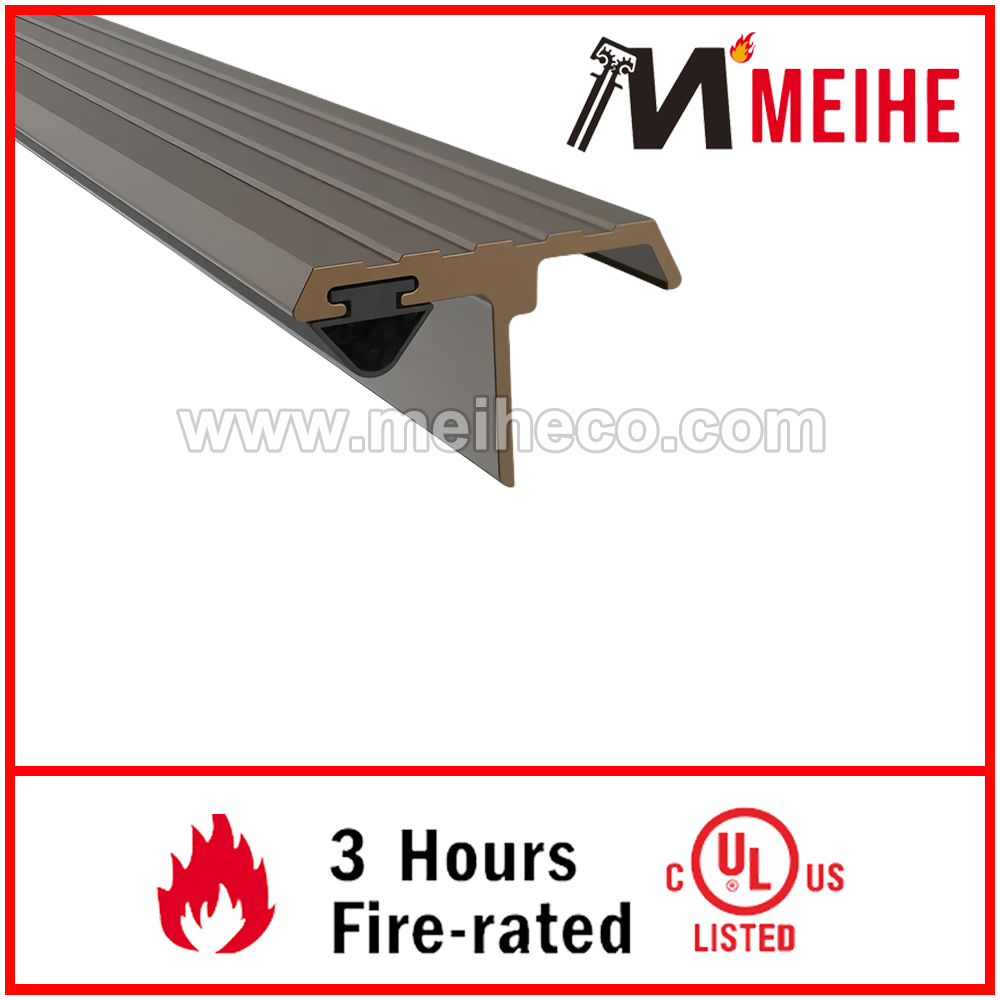
Double doors present unique security and performance challenges that standard single-door configurations simply cannot address. One of the most effective solutions to enhance double door security involves installing an astragal. An astragal is a specialized vertical sealing component that bridges the gap between two adjacent door leaves, creating a secure barrier that prevents unauthorized access, reduces air leakage, and improves overall building performance. Understanding how an astragal functions and whether it represents the right investment for your facility is essential for facility managers, architects, and building owners who prioritize both security and operational efficiency.
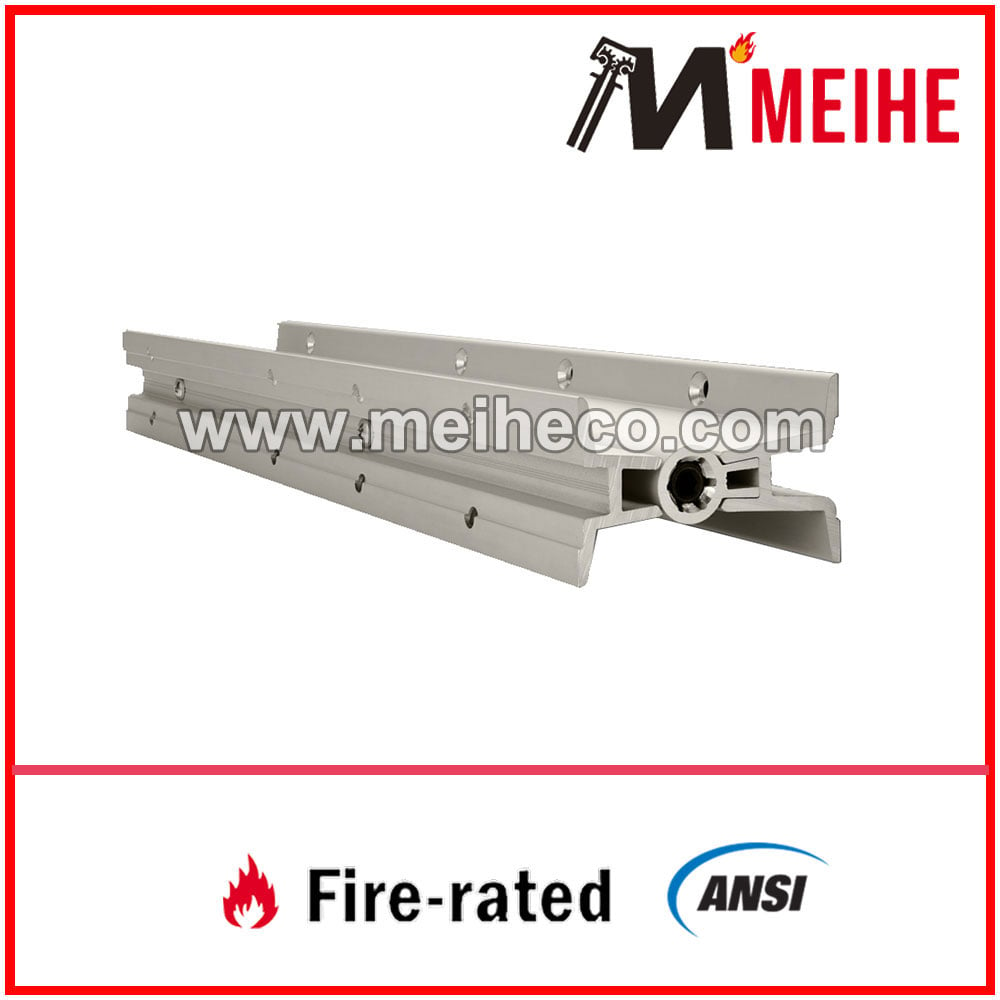
Double doors have become standard in commercial, institutional, and industrial facilities because they accommodate high-traffic volumes, allow equipment movement, and provide architectural flexibility. However, the central meeting point between the two door leaves creates vulnerabilities. Without proper sealing, this gap becomes a security liability, energy efficiency weakness, and potential compliance issue. An astragal directly addresses these concerns by providing a robust, integrated solution that maintains door functionality while strengthening the building envelope.
How Astragal Technology Enhances Double Door Security
The Core Security Function of an Astragal
An astragal works by eliminating the space between two adjacent door leaves where they meet in the center. This gap, if left unprotected, allows visibility into restricted areas, creates opportunities for forced entry, and provides pathways for prying tools. When a continuous astragal is installed, it creates an impenetrable seal that prevents these security breaches. The astragal extends the full height of the door frame and is typically beveled or contoured to fit the door profile precisely. This design means that even under attempted forced entry, the astragal remains flush with the door surface, preventing separation or manipulation.
The physical presence of an astragal also serves as a visual deterrent. Security professionals recognize that well-maintained, properly installed astragals signal that a facility takes security seriously and has invested in perimeter protection. This psychological element, combined with the actual barrier function, makes astragals an essential component of comprehensive double door security strategies in banks, government offices, data centers, and other high-security environments.
Material Composition and Durability in Security Applications
Astragals are typically manufactured from heavy-gauge aluminum, stainless steel, or reinforced composite materials designed to resist tampering and withstand years of operational stress. Stainless steel astragals offer superior corrosion resistance and are ideal for facilities in coastal regions or environments with chemical exposure. Aluminum astragals provide a balance of strength and cost-effectiveness, making them popular in commercial office buildings and healthcare facilities. The material selection for your astragal directly impacts its security performance and longevity. High-quality astragals undergo rigorous testing to ensure they meet industry standards for structural integrity, fire rating, and security classification.
Operational Benefits Beyond Security Alone
Air Leakage Reduction and Environmental Control
When an astragal properly seals the gap between double doors, it dramatically reduces unwanted air infiltration. In climate-controlled facilities, this air leakage represents wasted energy and increased HVAC strain. An astragal can reduce air leakage by up to 80 percent compared to unsealed double doors, translating to measurable energy savings and improved thermal control. Healthcare facilities, laboratories, and clean rooms particularly benefit from astragal installation because maintaining precise environmental conditions is critical to operations. The astragal ensures that conditioned air remains inside the building envelope rather than escaping through the center gap.
Beyond energy efficiency, reduced air leakage also improves indoor air quality by preventing unfiltered outside air from entering through the door gap. This benefit becomes significant in facilities managing contamination control, allergen sensitivity, or maintaining specific humidity levels for equipment or product storage.
Noise Reduction and Acoustic Performance
An astragal serves as an acoustic barrier that reduces sound transmission between spaces. When installed with appropriate sealing materials, the astragal absorbs and dampens sound vibrations traveling through the gap between door leaves. This capability makes astragals valuable in office environments, educational facilities, recording studios, and hospitals where acoustic privacy is essential. The noise reduction performance of an astragal depends on its construction, the sealing materials integrated into the design, and the overall quality of door installation. Continuous astragals consistently outperform segmented designs because they eliminate multiple small gaps that sound waves can exploit.
Installation Considerations and Security Integration
Proper Installation as a Security Foundation
An astragal's security effectiveness depends entirely on proper installation by qualified personnel. Misaligned or poorly fitted astragals leave security vulnerabilities and compromise performance benefits. The installation process begins with precise measurement of the door frame and door leaf geometry to ensure the astragal fits flush without binding during operation. Professional installers verify that the astragal remains properly seated after repeated door cycles and that no gaps develop over time. They also ensure that the astragal does not interfere with the door closing mechanism or create binding that could damage the door hardware.
Facility managers should specify installation by experienced professionals who understand astragal requirements for their specific door configuration. Installation standards vary depending on whether the doors are manual swing, automatic swing, or geared hinged systems. An astragal designed for manual swing doors may not perform adequately on automatic or high-traffic doors, so matching the astragal to your specific door type is critical for maintaining security performance.
Compatibility with Advanced Door Hardware
Modern double door installations often incorporate geared hinges, continuous hinges, or other advanced hardware systems that demand compatible astragal designs. An astragal must coordinate seamlessly with your door's closing mechanisms, automatic operators, and security hardware to function effectively. When facilities upgrade to geared hinge systems for improved weight distribution and security performance, the astragal selection process becomes even more critical. Advanced continuous astragals designed for geared hinge applications provide superior security integration because they account for the specific operating dynamics of these systems.
FAQ
What makes an astragal different from a standard door sweep or seal?
An astragal is a permanent, structural component integrated into the door frame meeting point, whereas door sweeps and seals attach to individual door leaves. Astragals provide superior security because they eliminate the central gap entirely and cannot be bypassed by separating the doors. A quality astragal remains fixed and cannot be removed or defeated from the outside, making it fundamentally more secure than adjustable sealing components.
How does an astragal perform in high-traffic double door environments?
Astragals are specifically engineered for high-traffic applications in commercial and institutional facilities. Continuous astragals with reinforced construction handle thousands of door cycles without performance degradation. When properly installed and maintained, an astragal in a high-traffic entrance will remain effective for the life of the door system. Regular inspection ensures that the astragal remains properly seated and that any accumulated debris does not compromise the seal.
Can an existing double door be retrofitted with an astragal?
Yes, existing double doors can be retrofitted with an astragal, though the process requires professional assessment to ensure compatibility with the existing frame and door hardware. Retrofit astragals are available for standard frame configurations and can often be installed without removing the doors. The feasibility and cost of retrofitting depend on your specific door frame type, condition, and current hardware setup. Consultation with a qualified door specialist will determine whether your existing installation supports astragal retrofitting.