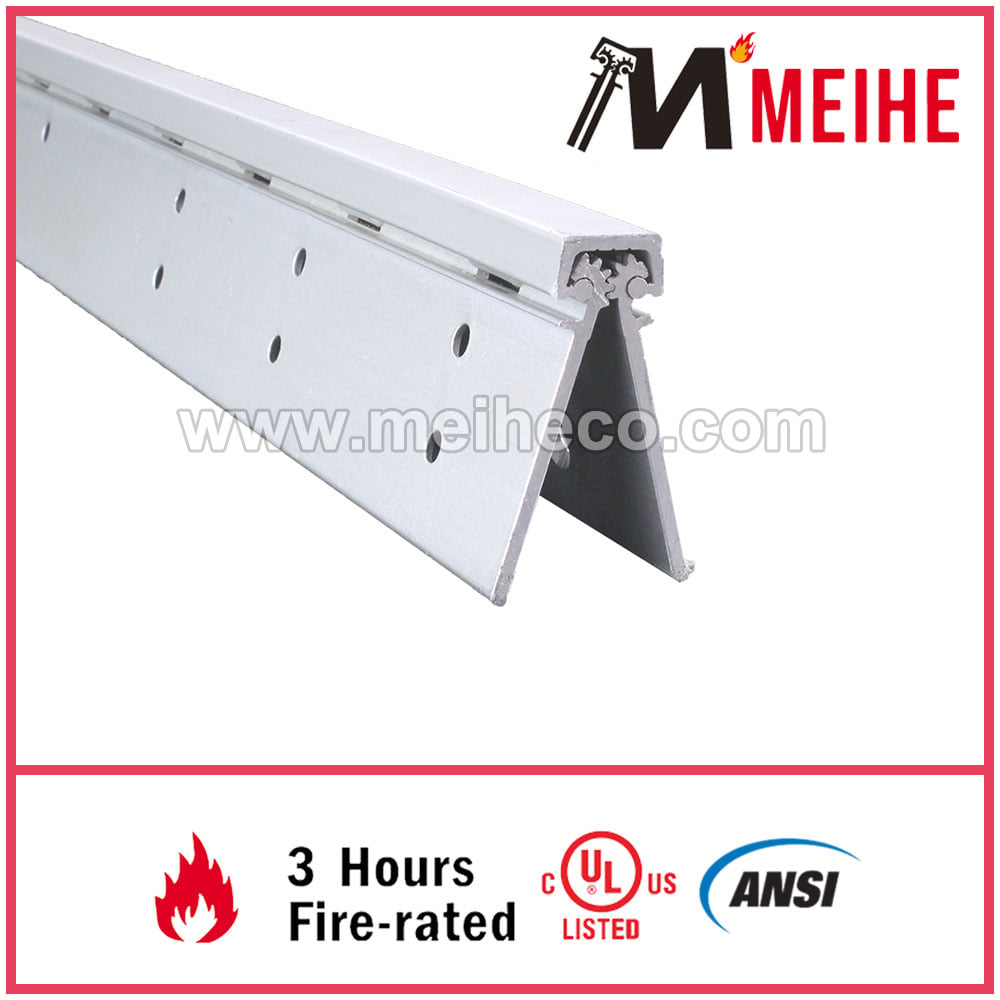
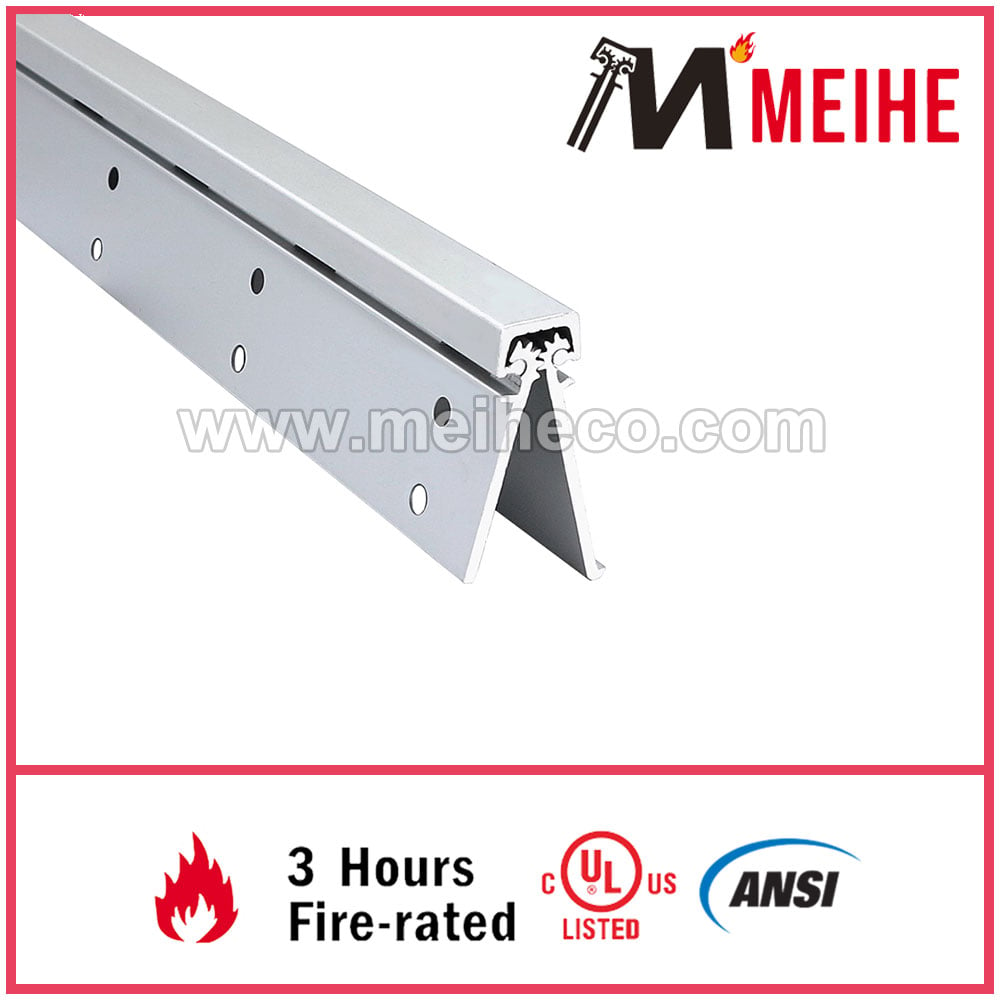
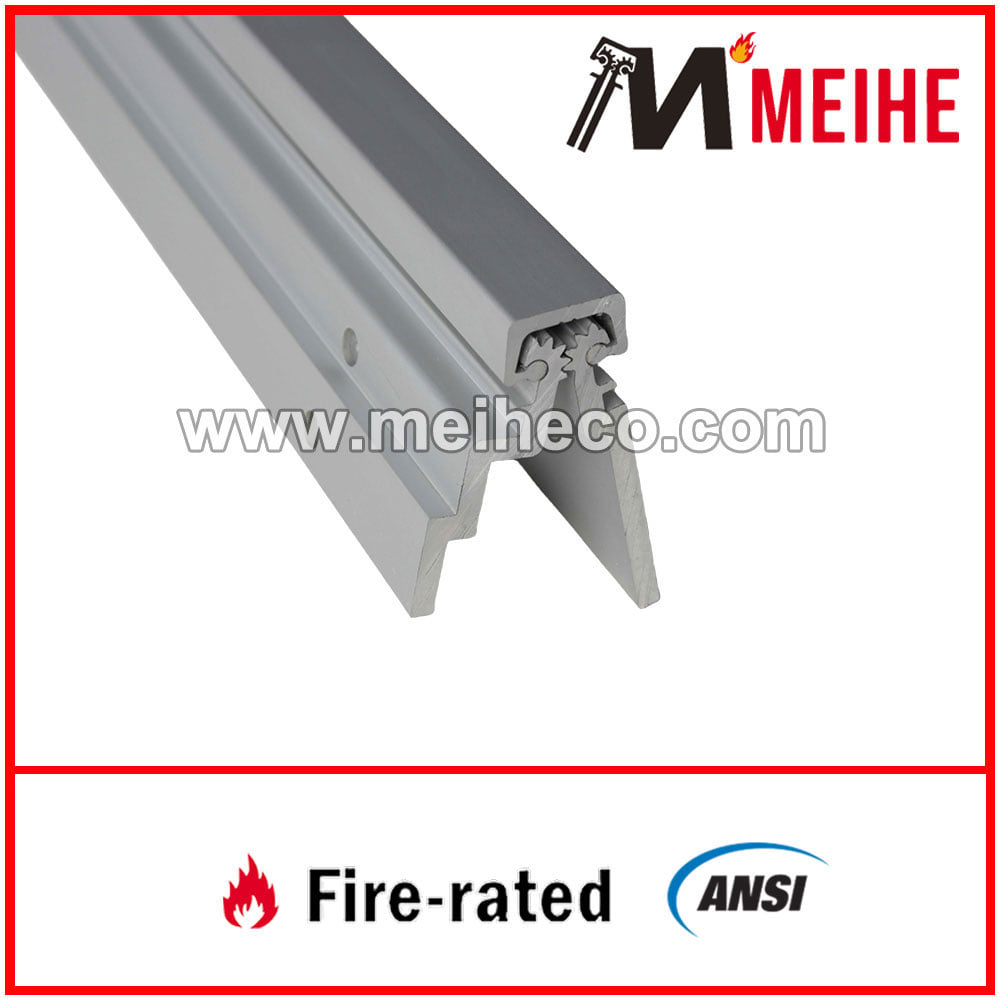
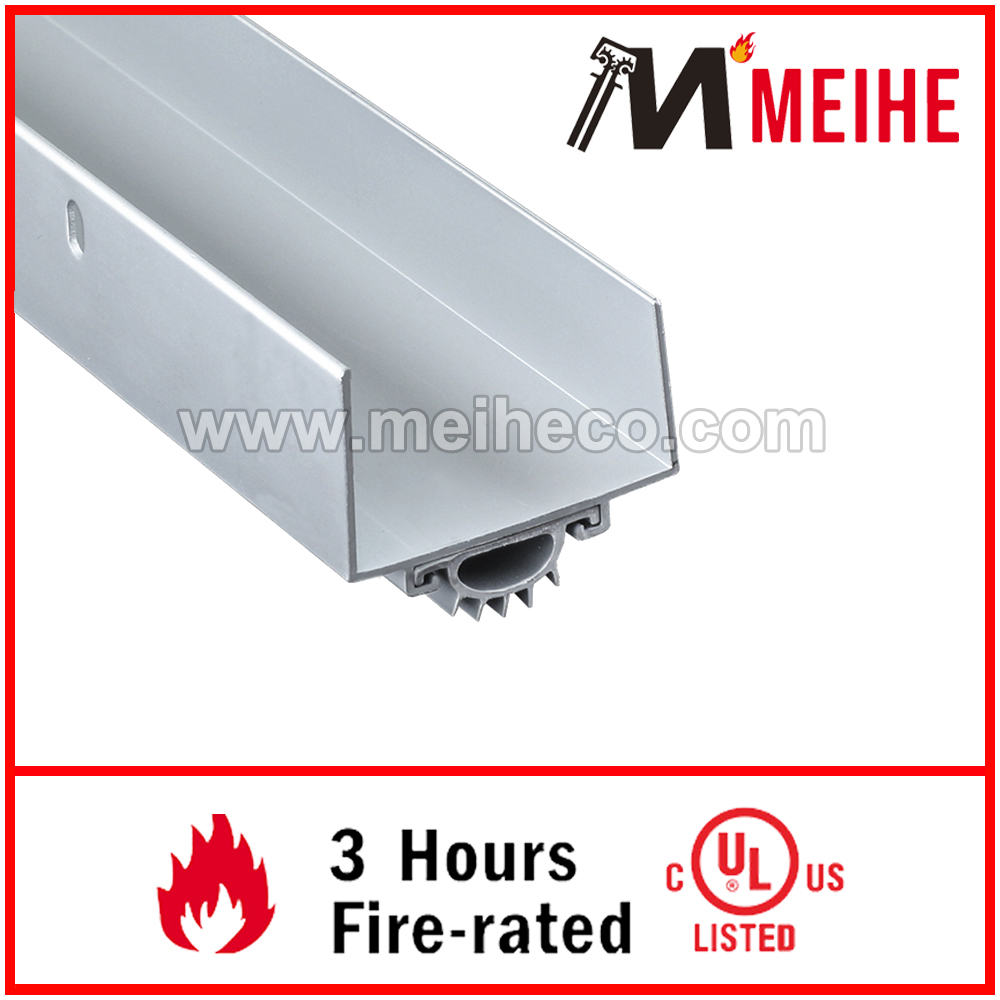
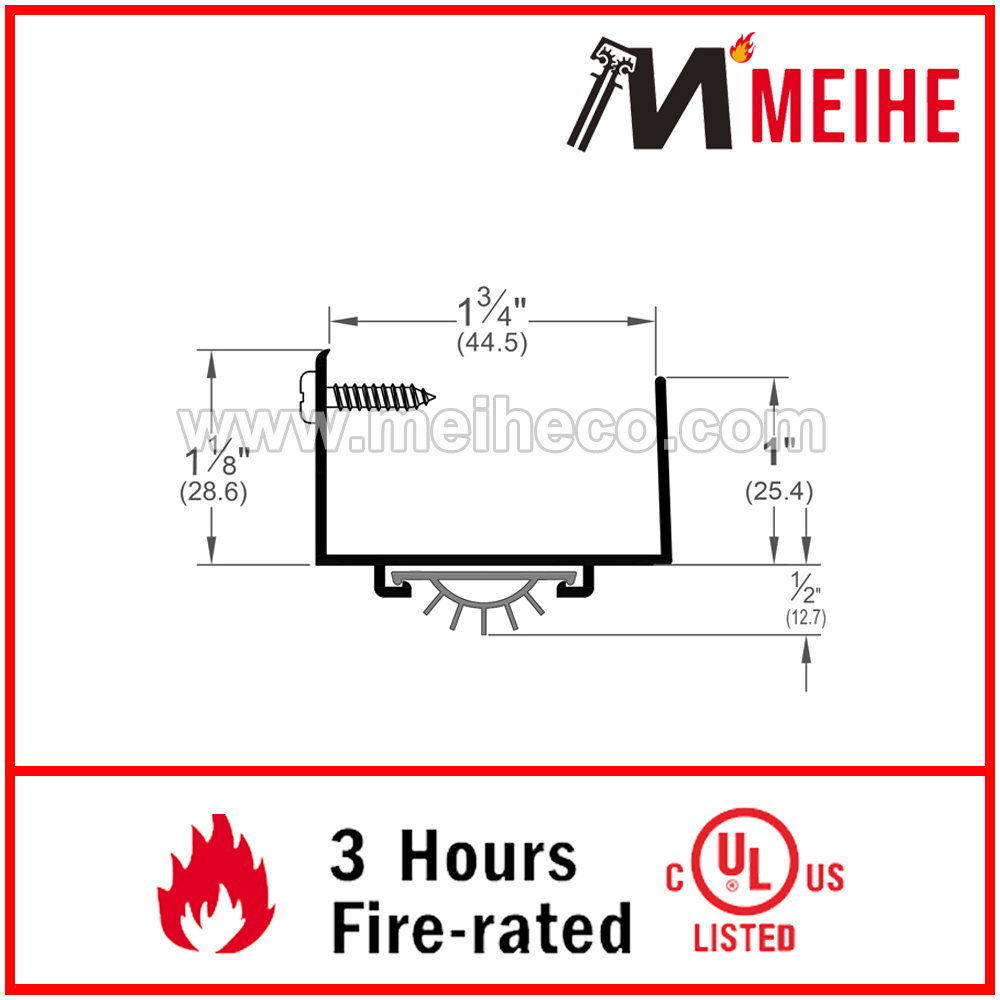
Door Bottom Shoe for Sealed, Durable Doors

Get a Free Quote

Our representative will contact you soon.
Email
Name
Mobile
Company Name
Message
0/1000

door bottom shoe

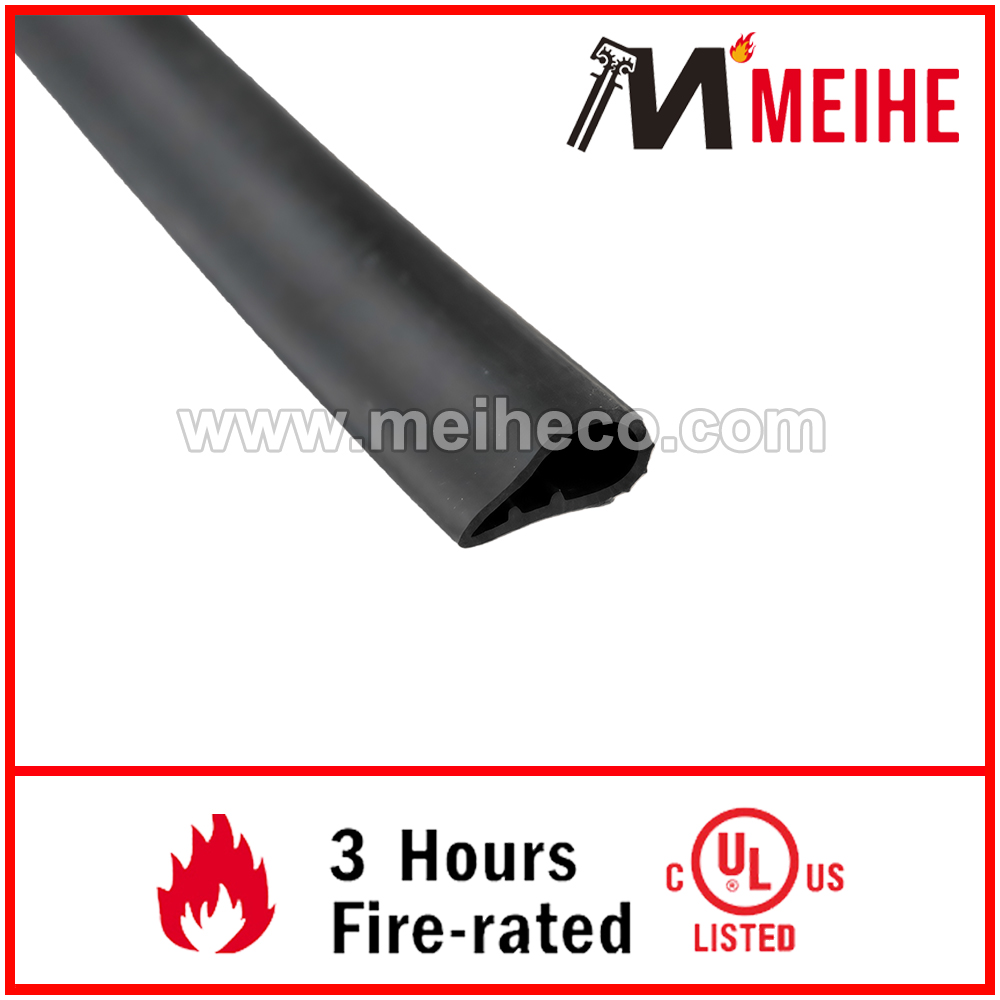
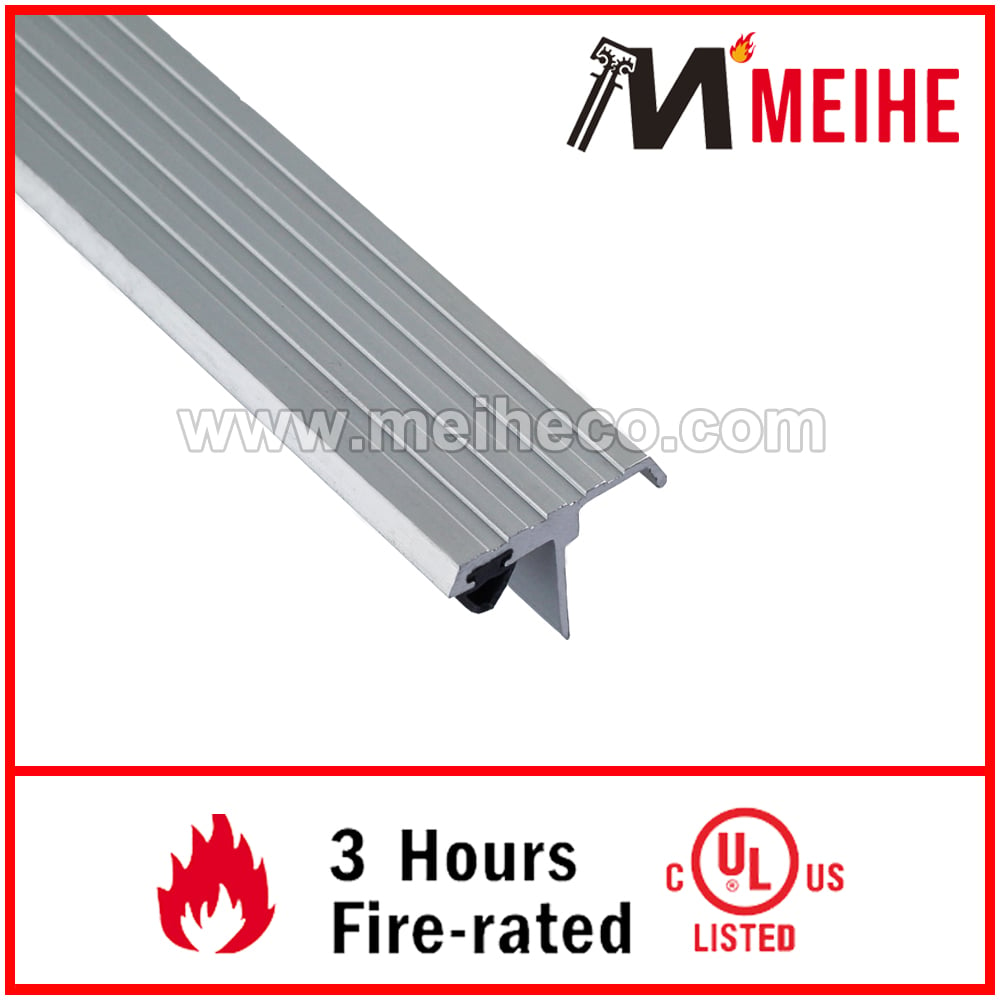
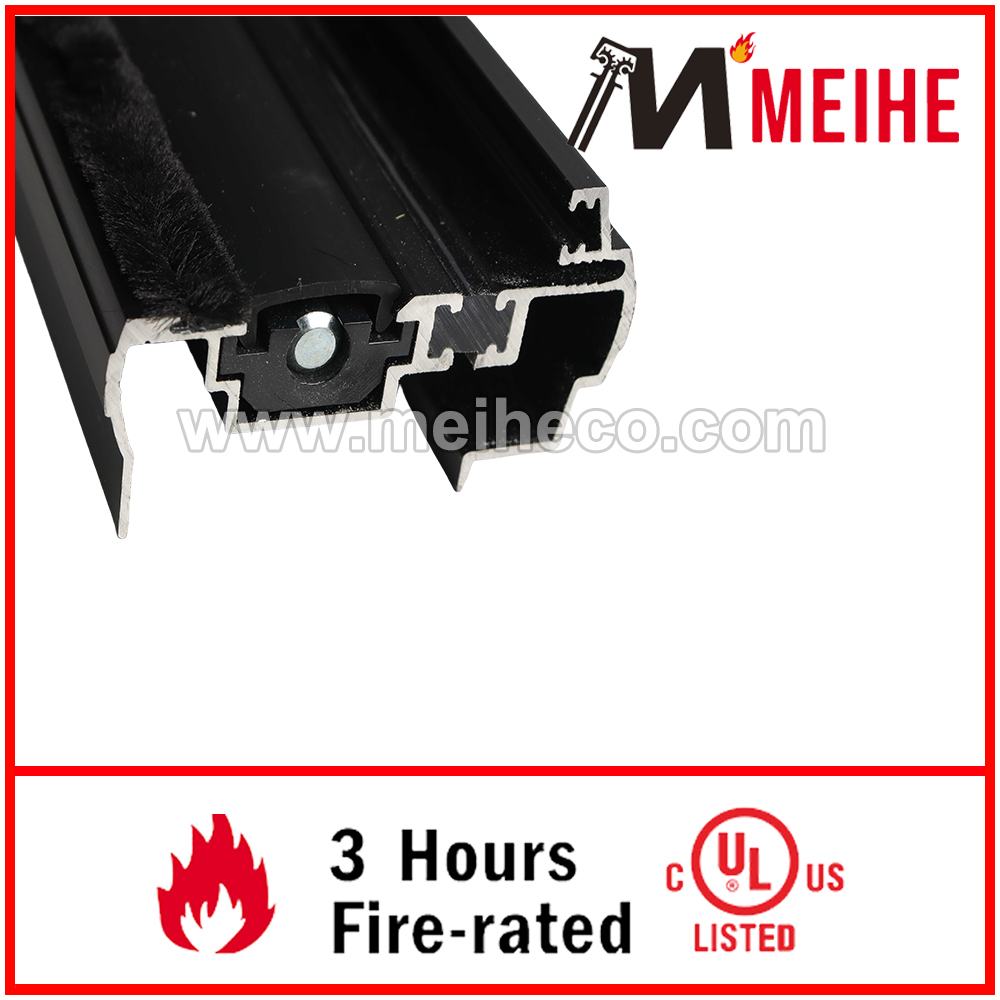
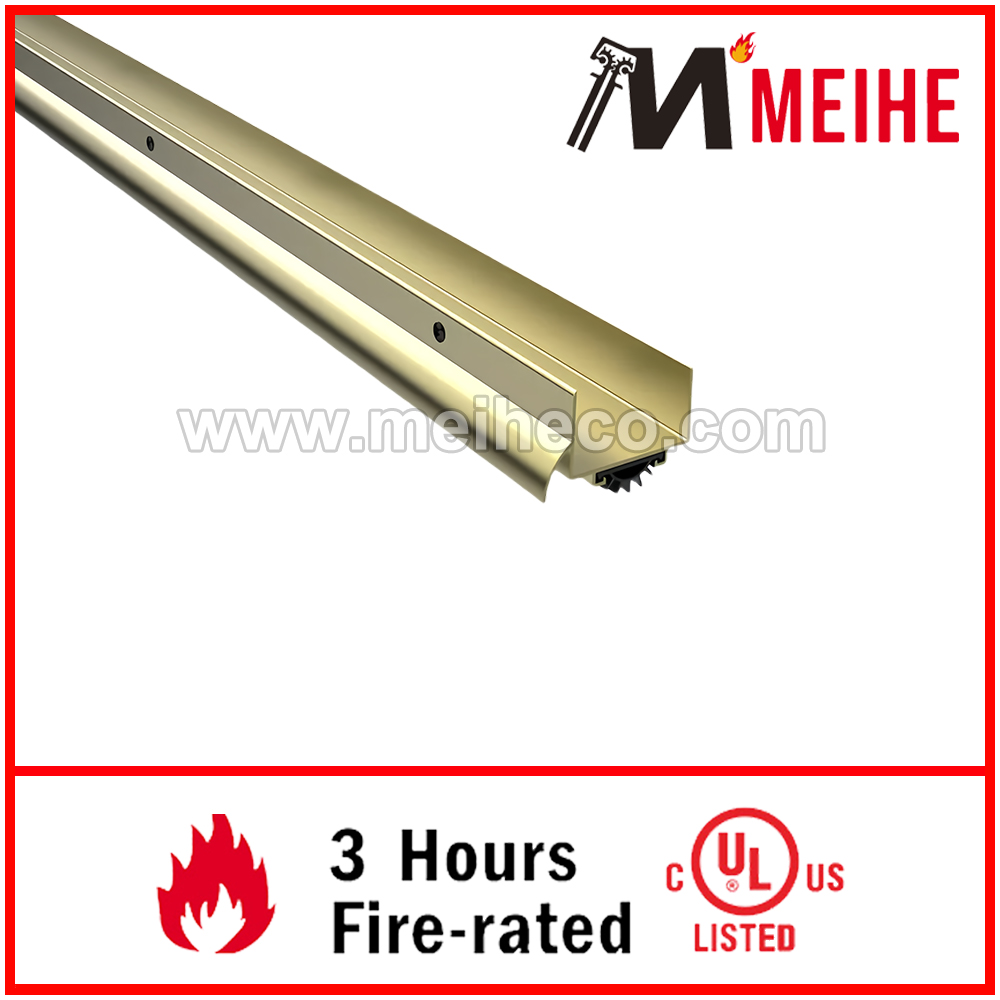
A door bottom shoe is a protective profile fitted along the lower edge of a door to close the gap between the door and the floor. It combines sealing, protection, and appearance in one practical component. A door bottom shoe can help block drafts, dust, light, insects, smoke, and unwanted sound while supporting smoother temperature control inside a room. It also protects the door edge from impact, moisture, cleaning equipment, and daily wear. Many door bottom shoe models use aluminum, stainless steel, or durable coated metal for strength and long service. Flexible rubber, silicone, brush, or vinyl inserts create contact with the threshold without making the door difficult to operate. This design lets a door bottom shoe work across different floor surfaces and gap sizes. Depending on the product, the shoe may include a replaceable seal, screw channels, concealed fasteners, adjustable inserts, or automatic drop-down action. These features improve fit, simplify maintenance, and support a cleaner finished look. A door bottom shoe suits exterior, interior, fire-rated, acoustic, commercial, and industrial doors when the specification matches the opening. It can be installed on wood, metal, aluminum, and composite door panels. Common applications include offices, apartments, hotels, hospitals, schools, retail units, warehouses, and plant rooms. Buyers can select a door bottom shoe based on door width, clearance, material, seal type, exposure level, and installation method. A correctly selected door bottom shoe supports energy efficiency, hygiene, privacy, and long-term door performance without requiring complex changes to the door system. Its compact format makes it useful for upgrades, new construction, and replacement work where a reliable lower seal is needed.

Popular Products

The main advantage of a door bottom shoe is simple: it helps close the lower gap without replacing the entire door. That can reduce drafts and heat loss, helping rooms stay more comfortable and potentially lowering heating or cooling demand. In busy buildings, a door bottom shoe also limits dust, insects, odors, and cleaning water from passing under the panel. This makes it useful for kitchens, healthcare areas, workshops, storage rooms, and service corridors. A door bottom shoe can improve privacy by reducing air movement and some sound leakage. It will not replace a complete acoustic system, but it can remove one common weak point around the threshold. It also protects the door edge from knocks, damp floors, carts, and repeated cleaning. That protection may reduce repairs and extend the useful life of the door. For operations teams, a door bottom shoe with a replaceable insert makes maintenance faster and less disruptive. Staff can renew the sealing element instead of removing the whole assembly. Adjustable or automatic designs accommodate minor floor changes and help prevent excess rubbing. This supports easier opening, safer passage, and better accessibility for users, carts, and equipment. Buyers can choose a door bottom shoe in a finish that matches the hardware and supports a neat appearance. Aluminum offers a light, clean option, while stainless steel suits demanding areas where corrosion resistance matters. Brush and flexible seals work well where surfaces are uneven; rigid profiles suit accurate, smooth thresholds. Before purchase, confirm the door material, width, gap, traffic level, fire or smoke requirements, and exposure to moisture. A correctly matched door bottom shoe provides dependable value, straightforward installation, and practical performance across residential, commercial, institutional, and industrial applications. It also gives project managers a clear way to improve sealing during renovation without changing the complete opening.

Tips And Tricks

Can Continuous Door Hinges Reduce Maintenance Needs for Heavy Doors

28

Sep

Can Continuous Door Hinges Reduce Maintenance Needs for Heavy Doors

Heavy doors present unique operational challenges across industrial, commercial, and institutional facilities. Standard pivot hinges and barrel hinges often fail prematurely under constant use, requiring frequent repairs and replacement that disrupt ...
View More
How Astragals Interact With Door Hardware

29

Oct

How Astragals Interact With Door Hardware

Understanding how an astragal interacts with door hardware is essential for architects, builders, and facility managers who design and maintain door systems. An astragal is a specialized component that bridges the gap between two door leaves or betwe...
View More
What Signs Show Astragals Need Replacement

29

Oct

What Signs Show Astragals Need Replacement

An astragal is a critical sealing component found on double doors and sliding door systems, designed to reduce air and water infiltration while minimizing sound transmission. Over time, your astragal will experience wear and degradation from constant...
View More
How Installation Mistakes Affect Astragal Performance

29

Oct

How Installation Mistakes Affect Astragal Performance

An astragal is a critical component in building design that many professionals underestimate during installation. When an astragal is not installed correctly, it fails to perform its primary function of sealing gaps and providing weathertightness bet...
View More

Get a Free Quote

Our representative will contact you soon.
Email
Name
Mobile
Company Name
Message
0/1000

door bottom shoe

Reliable Gap Sealing for Better Comfort

Reliable Gap Sealing for Better Comfort

A well-designed door bottom shoe closes the space that often allows air, dust, light, and pests to enter. Its flexible insert follows the threshold and maintains contact as the door moves, helping create a more consistent seal than an unprotected door edge. This makes the door bottom shoe valuable in offices, bedrooms, meeting rooms, and temperature-controlled areas where comfort and cleanliness matter. By limiting uncontrolled airflow, the component can support more stable indoor conditions and reduce pressure on heating or cooling equipment. The seal also helps reduce drafts around exterior entries and service doors. For privacy-focused rooms, a door bottom shoe can reduce some sound and light transfer through the lower gap. Customers gain a practical improvement without changing the complete door assembly. Selecting the right insert for the floor condition is important: soft materials suit regular thresholds, while brush designs can handle uneven surfaces. The result is a durable, low-profile solution that supports daily performance.
Strong Materials and Easy Maintenance

Strong Materials and Easy Maintenance

A door bottom shoe protects the lower door edge from impacts, moisture, dirt, and repeated contact with cleaning tools. Aluminum provides a lightweight, corrosion-resistant option for many indoor and commercial settings, while stainless steel offers extra durability in wet, busy, or demanding environments. Coated finishes can coordinate with existing hardware and help maintain a professional appearance. The door bottom shoe may also use replaceable rubber, silicone, vinyl, or brush inserts. This modular design gives owners a clear maintenance advantage. When the seal wears, technicians can replace the insert rather than remove the full profile or replace the door. That reduces service time, material waste, and disruption to building users. Secure screw channels and simple fixing methods support efficient installation on wood, metal, and composite doors. Buyers should check the product length, mounting position, clearance, and fastener type before ordering. With suitable material selection and periodic inspection, the door bottom shoe can deliver dependable protection for years in homes, offices, retail spaces, and industrial facilities.
Flexible Fit for Many Door Applications

Flexible Fit for Many Door Applications

The door bottom shoe adapts to a wide range of building needs because it is available in different sizes, seal types, finishes, and operating styles. A standard fixed profile can provide a simple lower seal for interior doors, while an automatic drop-down design retracts when the door opens and lowers when it closes. This helps protect the seal from unnecessary wear and supports smoother movement over the threshold. Adjustable versions are useful when floor levels vary slightly or when accurate contact is difficult to achieve. The door bottom shoe can support exterior entrances, fire and smoke control assemblies, acoustic doors, cold rooms, healthcare spaces, and warehouse openings when the selected model meets the required rating. It also works for new construction and retrofit projects. This flexibility helps buyers select performance instead of accepting a one-size-fits-all solution. Before installation, review door weight, opening width, floor clearance, traffic frequency, moisture exposure, and compliance needs. A properly specified door bottom shoe improves sealing while preserving practical access and long-term usability.

Get a Free Quote

Our representative will contact you soon.
Email
Name
Mobile
Company Name
Message
0/1000