Door Shoe Bottom: Features, Uses and Benefits

Get a Free Quote

Our representative will contact you soon.
Email
Name
Mobile
Company Name
Message
0/1000

door shoe bottom

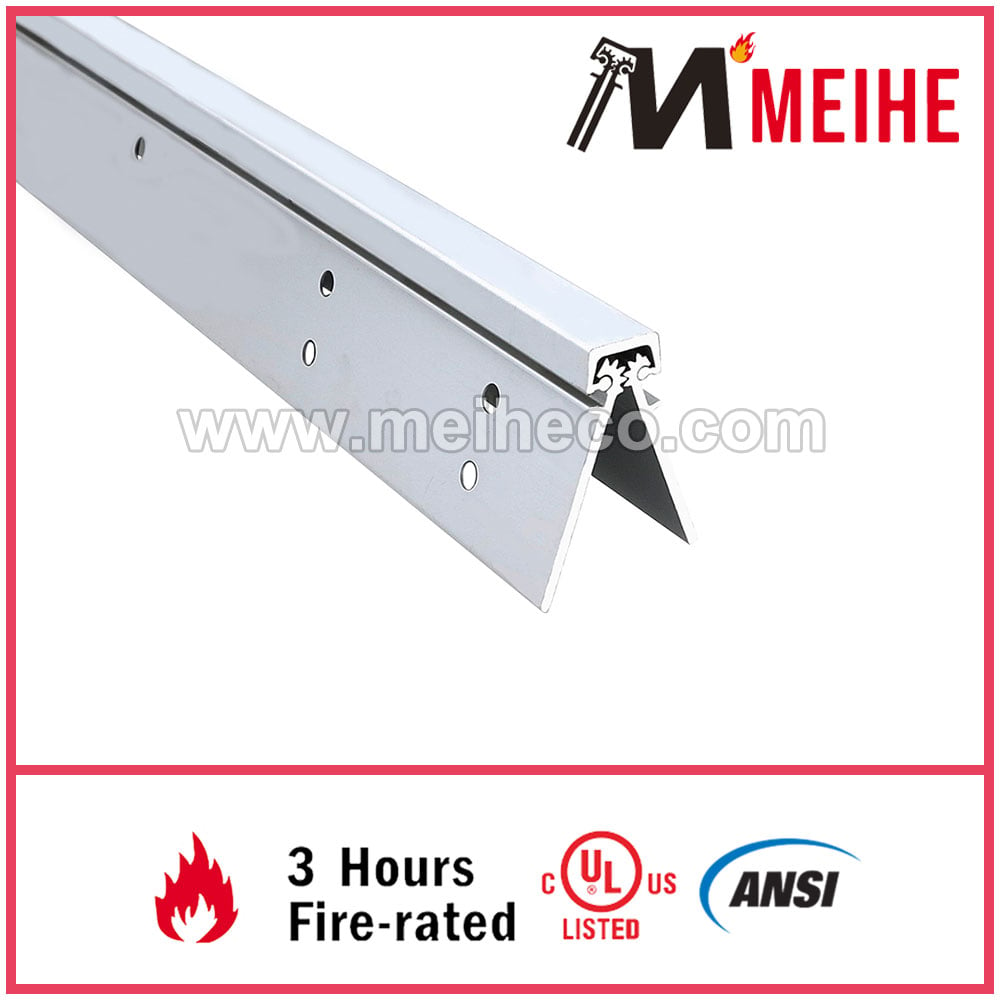
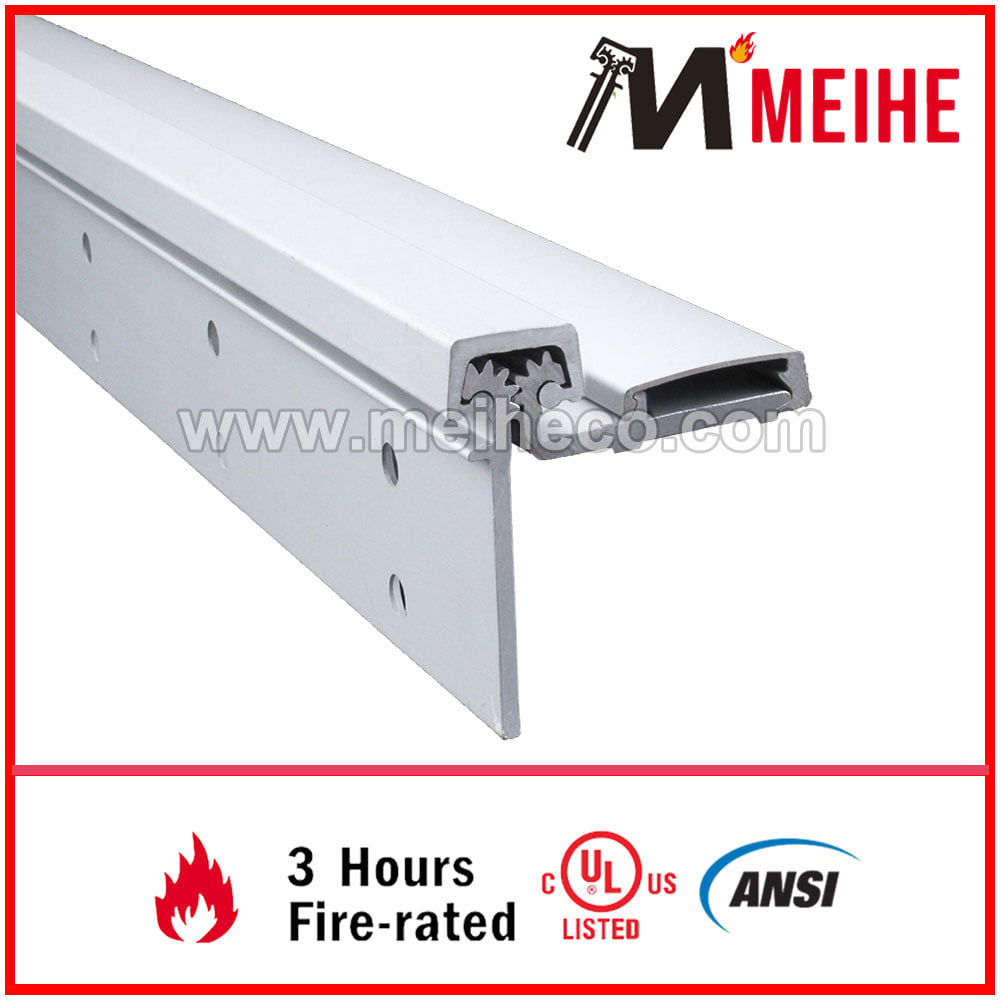
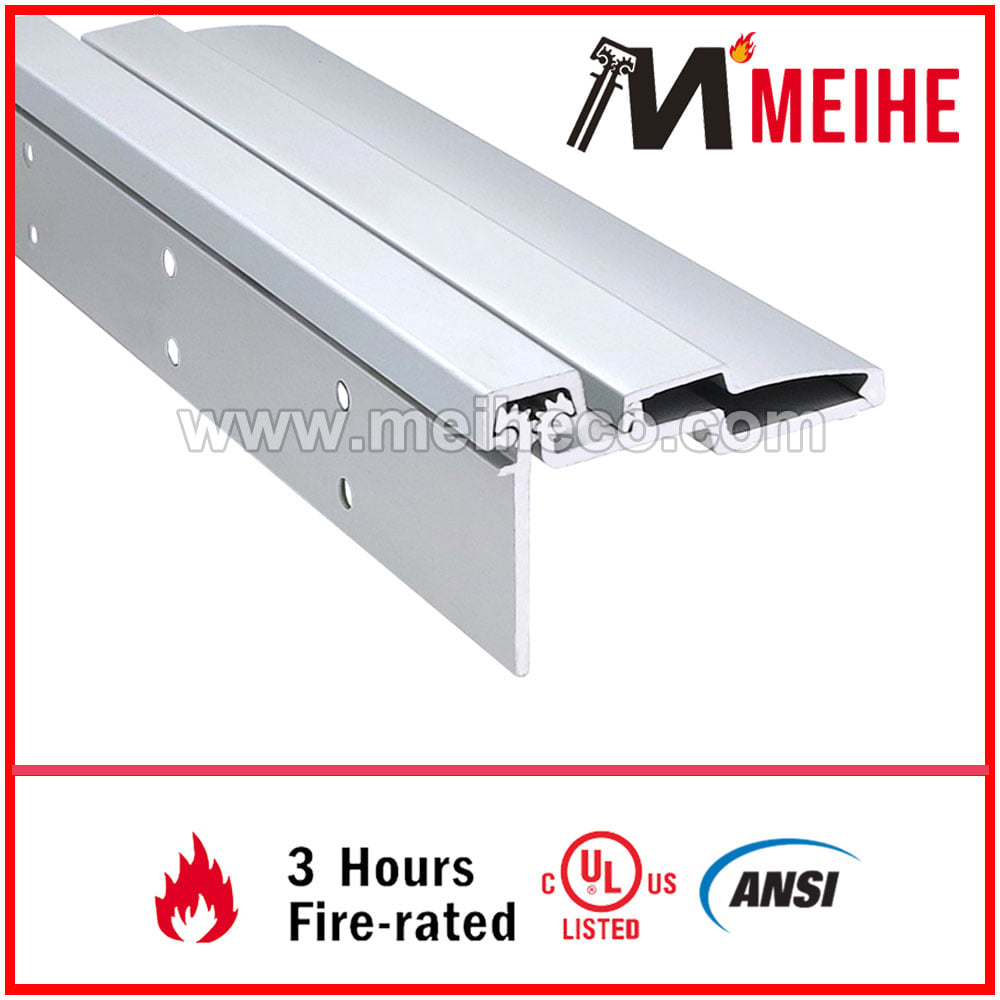
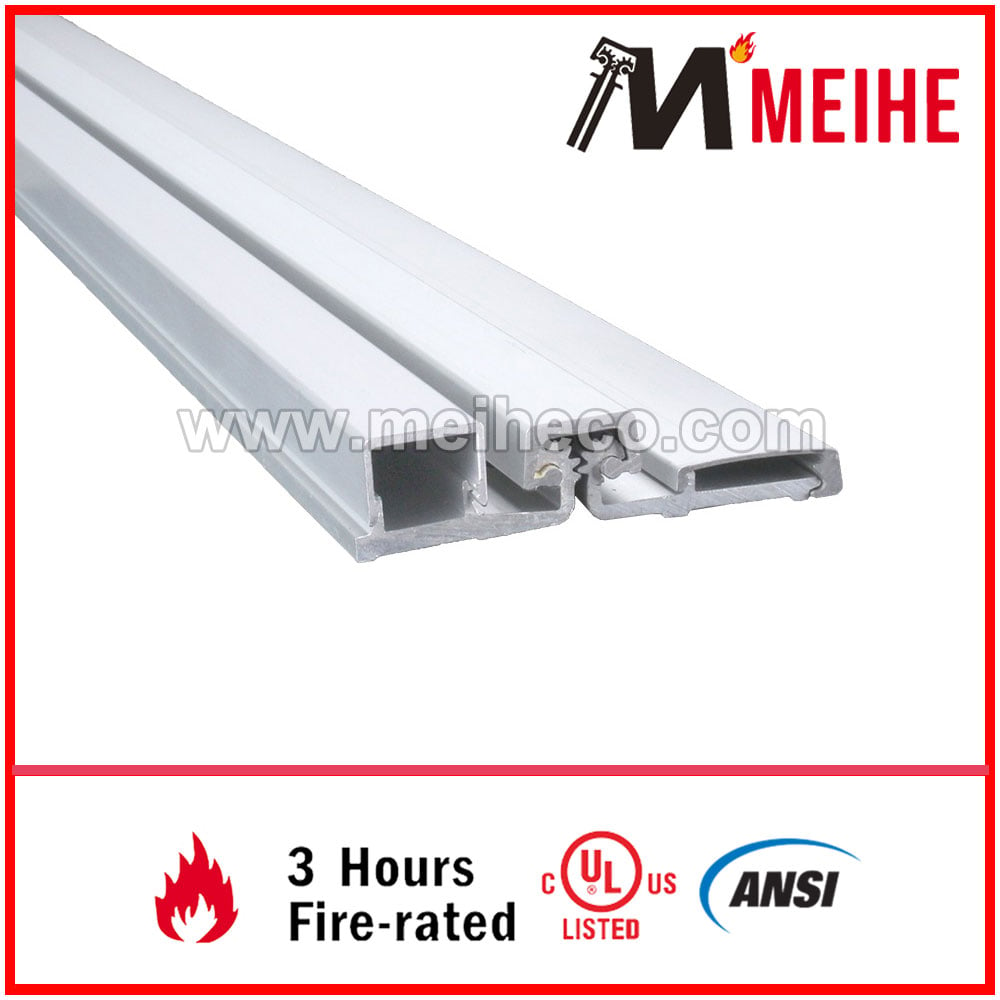
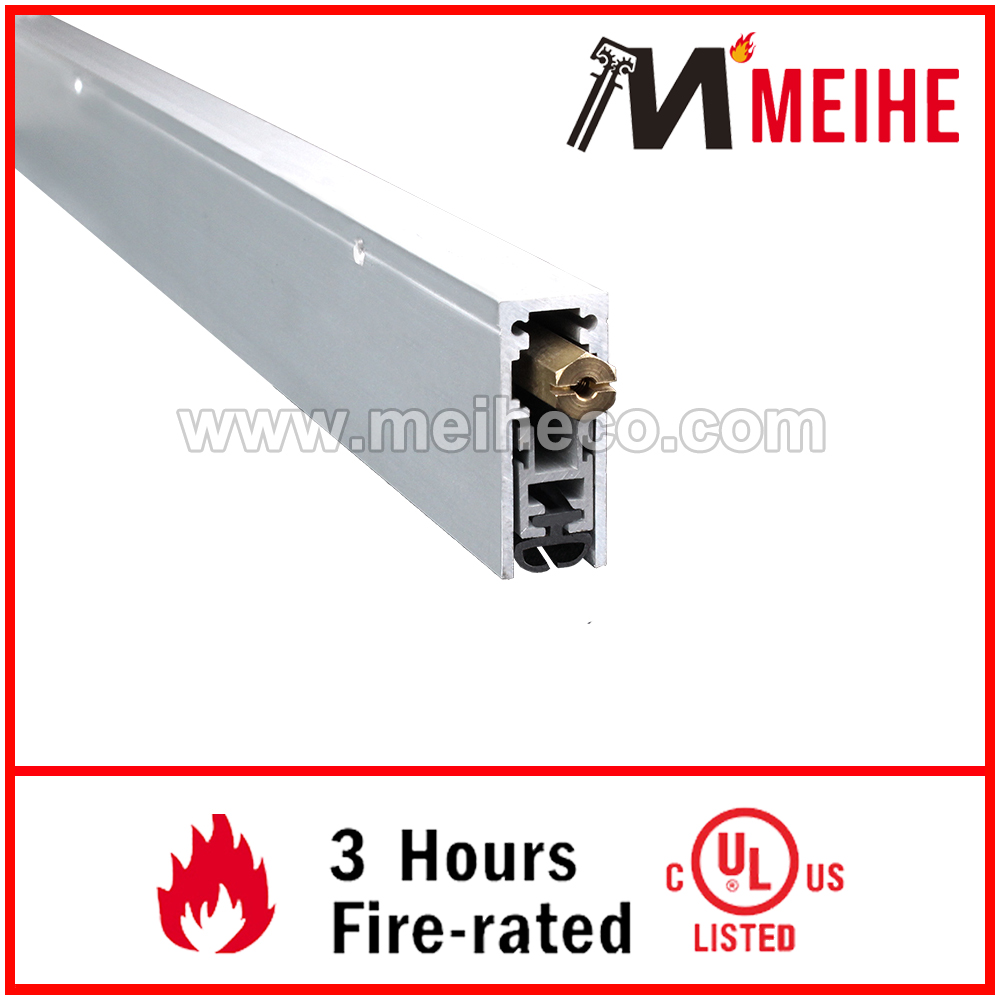
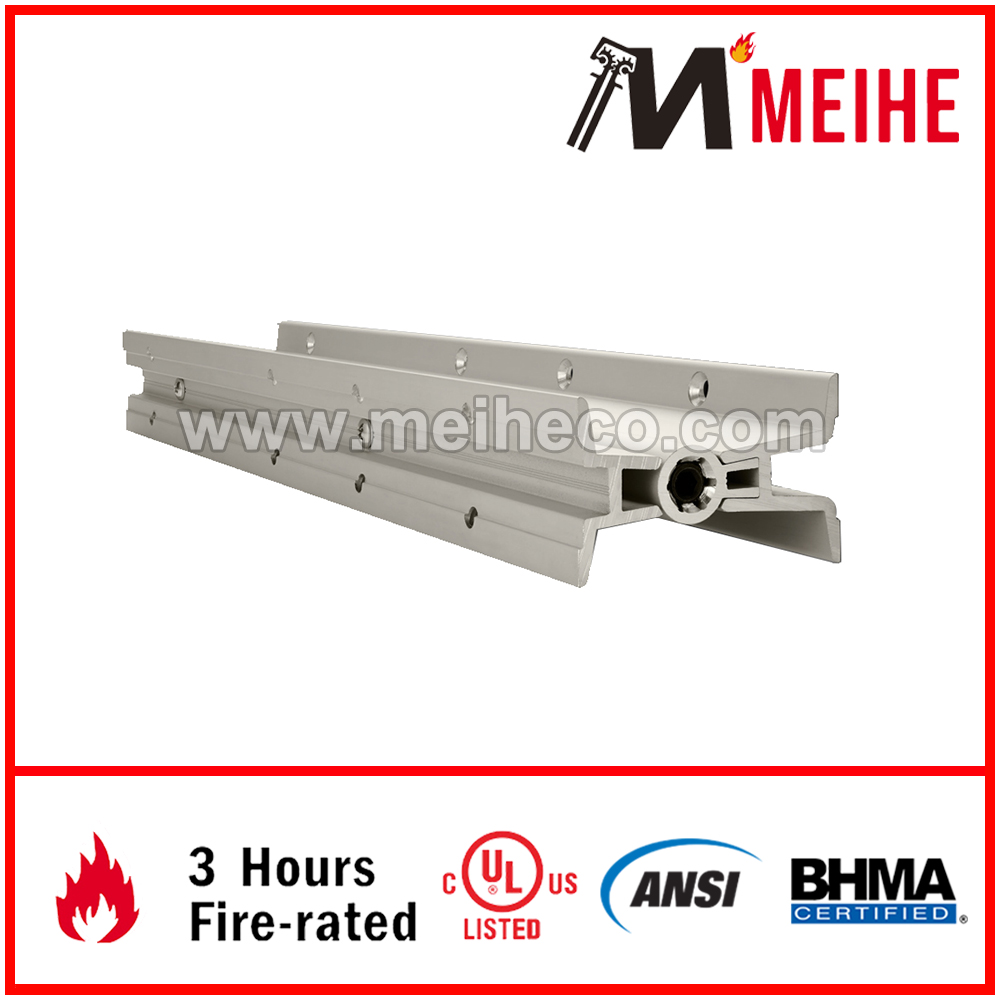
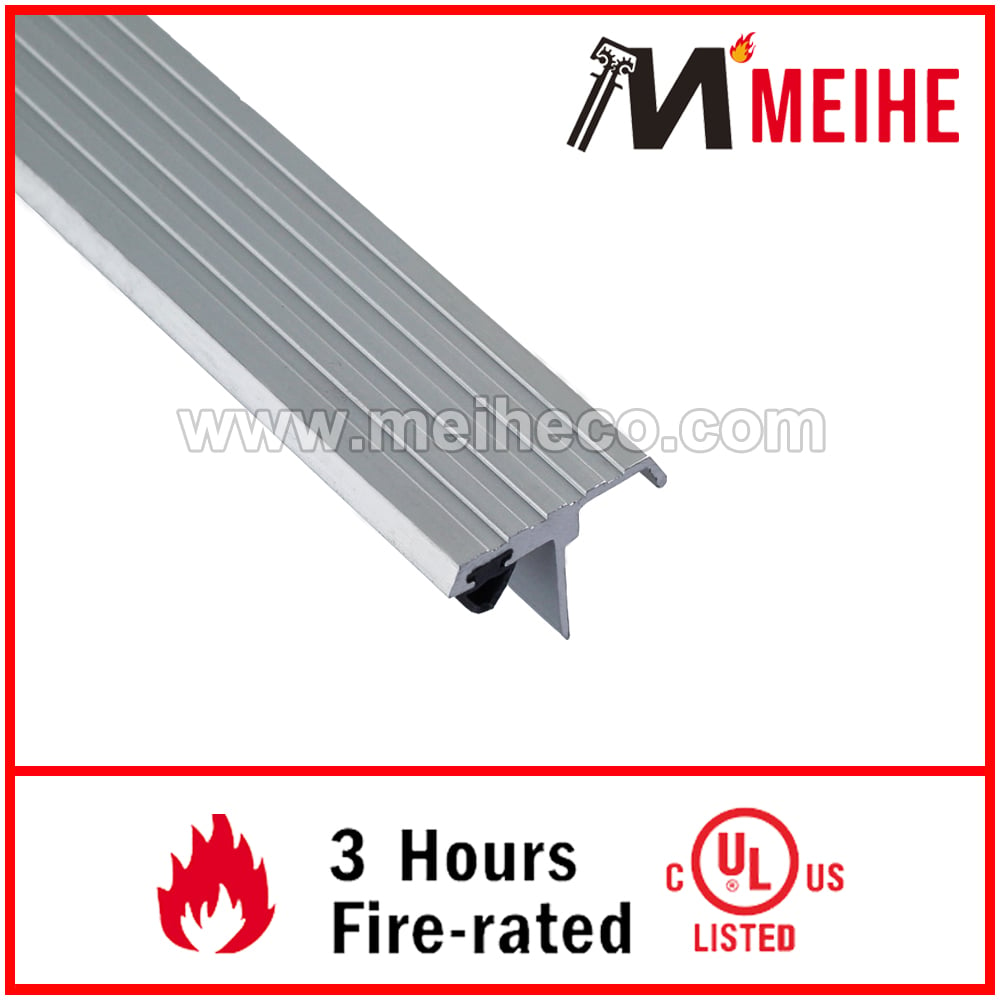
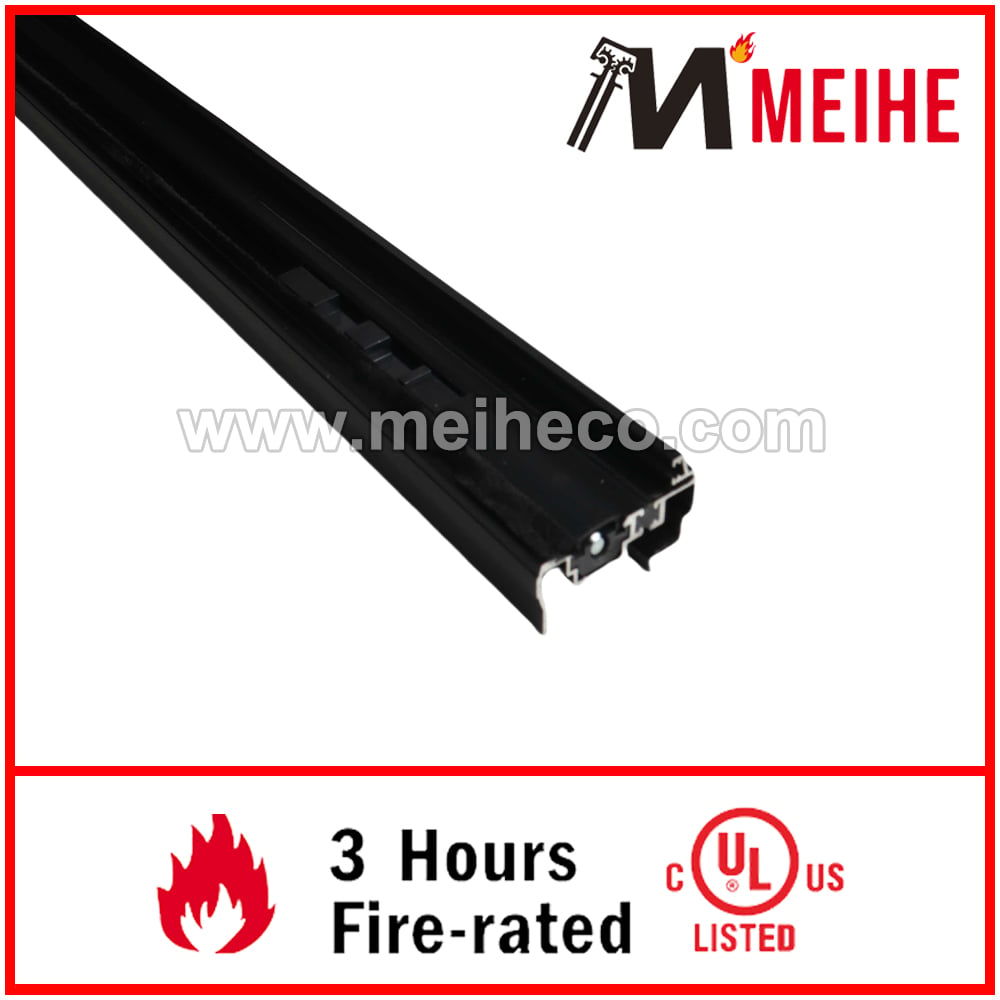
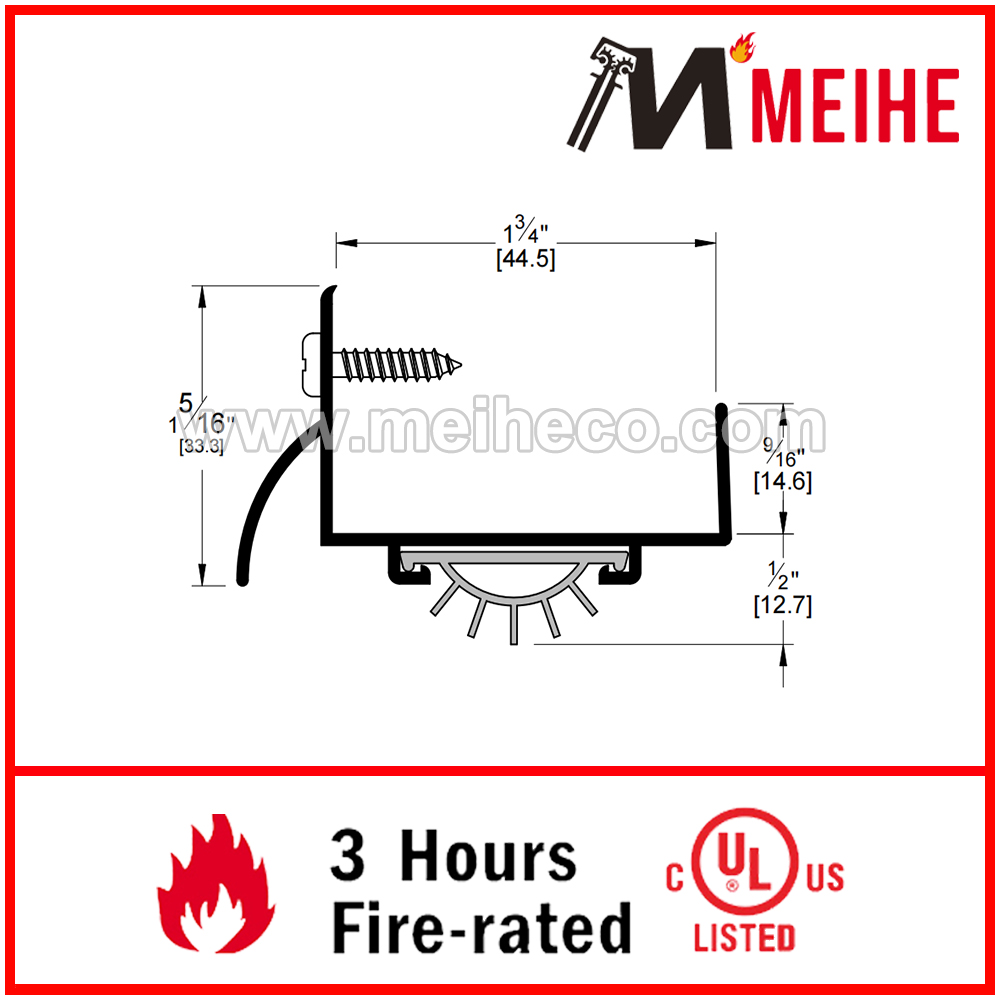
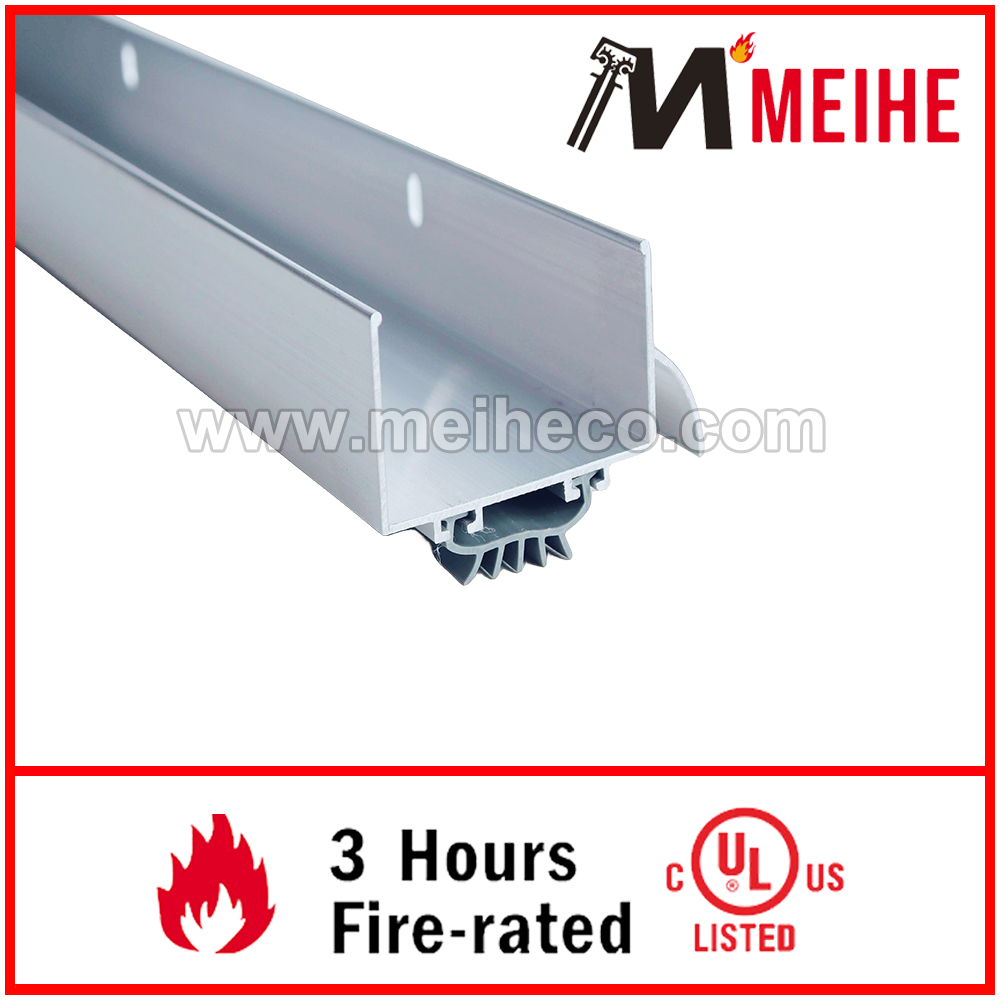
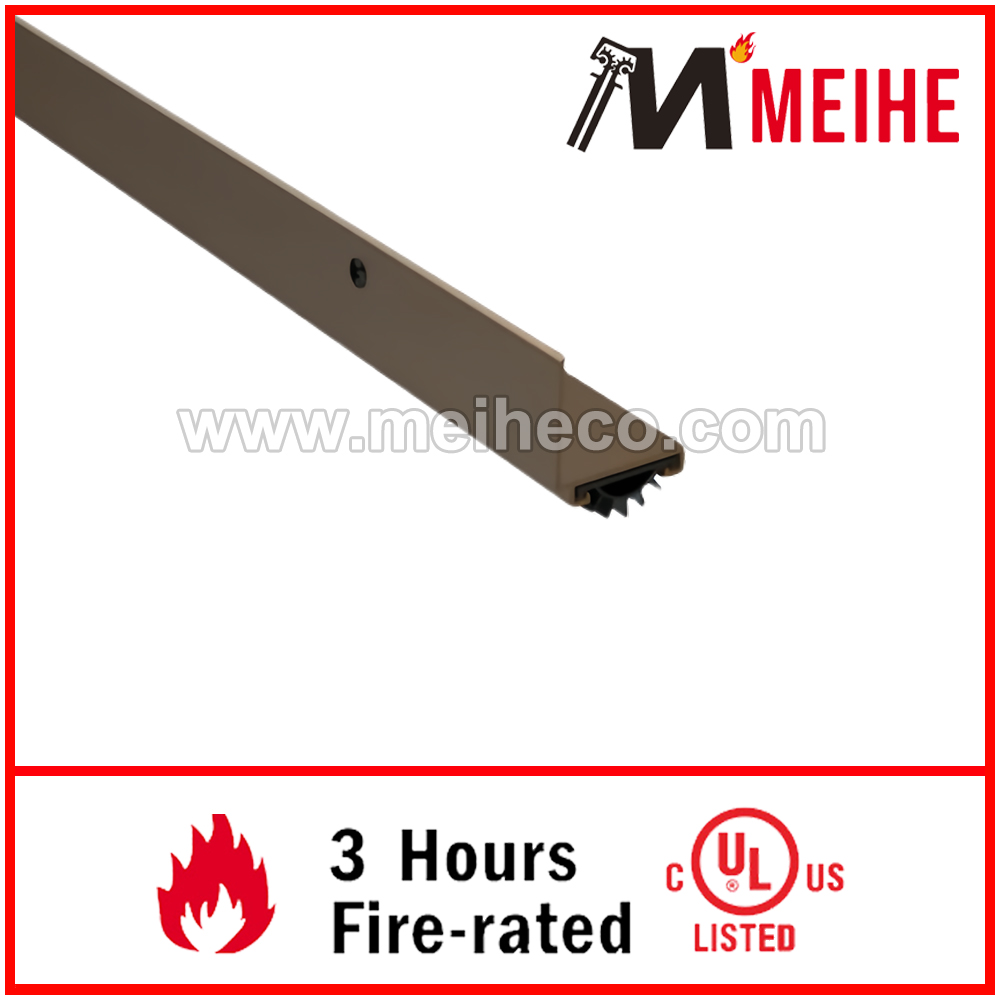
A door shoe bottom is the lower component fitted to a door leaf, frame, or sliding panel to support movement, protect the edge, and improve the seal between the door and floor. The door shoe bottom can be made from aluminum, stainless steel, steel, rubber, silicone, or a blended material, depending on the required strength and environment. Its main function is to close the lower gap, helping reduce drafts, dust, light, smoke, noise, and unwanted airflow. A door shoe bottom may also guide the door, protect the lower edge from impact, or provide a neat base for automatic or manual sealing systems. Many designs include a flexible fin, brush, gasket, or drop-down mechanism. These parts adapt to uneven floors while keeping the door easy to operate. A door shoe bottom with a concealed fixing channel creates a clean appearance, while a surface-mounted version supports faster installation and maintenance. Some models include adjustable screws, spring-loaded movement, fire-resistant materials, or sound-control seals. The door shoe bottom suits hinged doors, sliding doors, acoustic doors, fire doors, exterior entrances, and commercial partitions. It is useful in homes, offices, hotels, hospitals, schools, factories, warehouses, and public buildings. Selecting the right door shoe bottom requires attention to door thickness, floor clearance, opening direction, wear level, moisture exposure, and local safety requirements. With the correct size and material, a door shoe bottom delivers reliable lower-edge protection and consistent daily performance.

New Products

Choosing a door shoe bottom gives buyers a practical way to improve door performance without replacing the complete door. A well-made door shoe bottom reduces the gap beneath the panel, which helps keep conditioned air inside and outside air out. This can support comfort and may reduce heating or cooling waste. The door shoe bottom also limits the entry of dust, insects, light, and hallway noise, creating a cleaner and quieter room. For busy entrances, the door shoe bottom protects the lower door edge against repeated contact with floors, carts, shoes, and cleaning equipment. That protection can extend service life and lower repair costs. A flexible door shoe bottom can follow minor floor variations, so the door maintains contact without dragging heavily. This supports smoother opening and closing for staff, residents, and visitors. Buyers can select a door shoe bottom with a brush, rubber seal, drop-down action, or rigid threshold profile according to the application. Surface-mounted options save installation time, while concealed options provide a more refined finish. Models made from corrosion-resistant metal suit humid rooms, coastal sites, kitchens, and exterior access points. A door shoe bottom designed for fire or smoke control can support a broader door safety package when installed with compatible components. For sound-sensitive rooms, a door shoe bottom helps reduce the lower leakage path that often weakens acoustic performance. Maintenance is also straightforward: users can inspect the seal, clean the contact edge, and replace worn inserts instead of changing the entire assembly. Before purchase, compare dimensions, compression range, material, fixing method, door weight, and clearance. This context helps customers choose a door shoe bottom that fits the building, budget, traffic level, and expected service life.

Latest News

Which Automatic Door Bottom Designs Work Best for Heavy Doors

28

Aug

Which Automatic Door Bottom Designs Work Best for Heavy Doors

Heavy doors demand specialized hardware solutions that go far beyond standard residential applications. When selecting an automatic door bottom for heavy doors, the design choice directly impacts sealing performance, operational reliability, and long...
View More
Can Continuous Geared Hinges Reduce Door Squeaking Noise

22

Sep

Can Continuous Geared Hinges Reduce Door Squeaking Noise

Door squeaking is one of the most persistent and irritating problems in commercial and industrial buildings. When entrance doors, fire doors, or corridor doors squeak repeatedly, it disrupts the environment, creates an unprofessional atmosphere, and ...
View More
How Astragals Interact With Door Hardware

29

Oct

How Astragals Interact With Door Hardware

Understanding how an astragal interacts with door hardware is essential for architects, builders, and facility managers who design and maintain door systems. An astragal is a specialized component that bridges the gap between two door leaves or betwe...
View More
Can Astragals Improve Sound Insulation Between Rooms

29

Oct

Can Astragals Improve Sound Insulation Between Rooms

Sound transmission between adjacent rooms remains one of the most persistent challenges in commercial and residential building design. Whether you're managing a busy office environment, residential multifamily complex, or specialized facility requiri...
View More

Get a Free Quote

Our representative will contact you soon.
Email
Name
Mobile
Company Name
Message
0/1000

door shoe bottom

Reliable Gap Control for Better Comfort

Reliable Gap Control for Better Comfort

A door shoe bottom closes the vulnerable space below a door, where air, dust, light, and sound can easily pass. Its sealing element presses gently against the floor or threshold and maintains contact as the door moves. This makes the door shoe bottom especially useful for offices, bedrooms, meeting rooms, clinics, and other areas that need a more controlled indoor environment. Unlike a rigid strip that may catch on an uneven surface, a flexible door shoe bottom can accommodate small changes in floor height. The result is better comfort without making the door difficult to operate. A door shoe bottom can also help limit drafts around exterior doors and reduce the transfer of hallway noise. Customers gain a simple improvement that supports room privacy, temperature stability, and cleanliness. By reducing air leakage at the lower edge, the door shoe bottom helps the wider door assembly perform more effectively. It is a practical choice when a small gap creates a noticeable daily problem.
Durable Materials for Demanding Locations

Durable Materials for Demanding Locations

A strong door shoe bottom is built to handle frequent movement, contact, cleaning, and changing site conditions. Aluminum offers a lightweight structure with good corrosion resistance, while stainless steel provides added strength for busy or damp locations. Rubber and silicone sealing parts remain flexible and can maintain contact through repeated cycles. This material choice allows the door shoe bottom to work in hotels, hospitals, factories, schools, retail stores, and apartment buildings. A durable door shoe bottom reduces the need for frequent adjustment or replacement, which helps facility teams control maintenance time and costs. Smooth surfaces are easier to wipe clean, and protected fixing points help prevent loosening during daily use. Buyers can match the product to traffic level, moisture exposure, cleaning chemicals, and required appearance. When a door shoe bottom combines a rigid carrier with a replaceable seal, users can renew the working part without removing the entire assembly. That design supports longer service life and simpler upkeep.
Flexible Installation and Broad Compatibility

Flexible Installation and Broad Compatibility

A door shoe bottom can support many door types and installation preferences, making it easier to solve lower-edge problems across one building or several projects. Surface-mounted models attach quickly to the door face and suit repairs, upgrades, and retrofit work. Concealed versions sit within the lower section for a cleaner architectural finish. An adjustable door shoe bottom allows installers to set the contact height, helping accommodate different floor clearances and seal pressures. The product can be used on timber, metal, glass-frame, hinged, and sliding doors when the dimensions and fixing method match. A door shoe bottom may also combine with an automatic drop-down seal, threshold, brush, or smoke-control system. This flexibility gives buyers more freedom during specification and reduces the risk of selecting a product that cannot fit the existing door. Clear measurements remain essential, including door width, thickness, available depth, floor condition, and opening movement. With proper selection, a door shoe bottom delivers a neat upgrade without major structural changes.

Get a Free Quote

Our representative will contact you soon.
Email
Name
Mobile
Company Name
Message
0/1000