
 EN



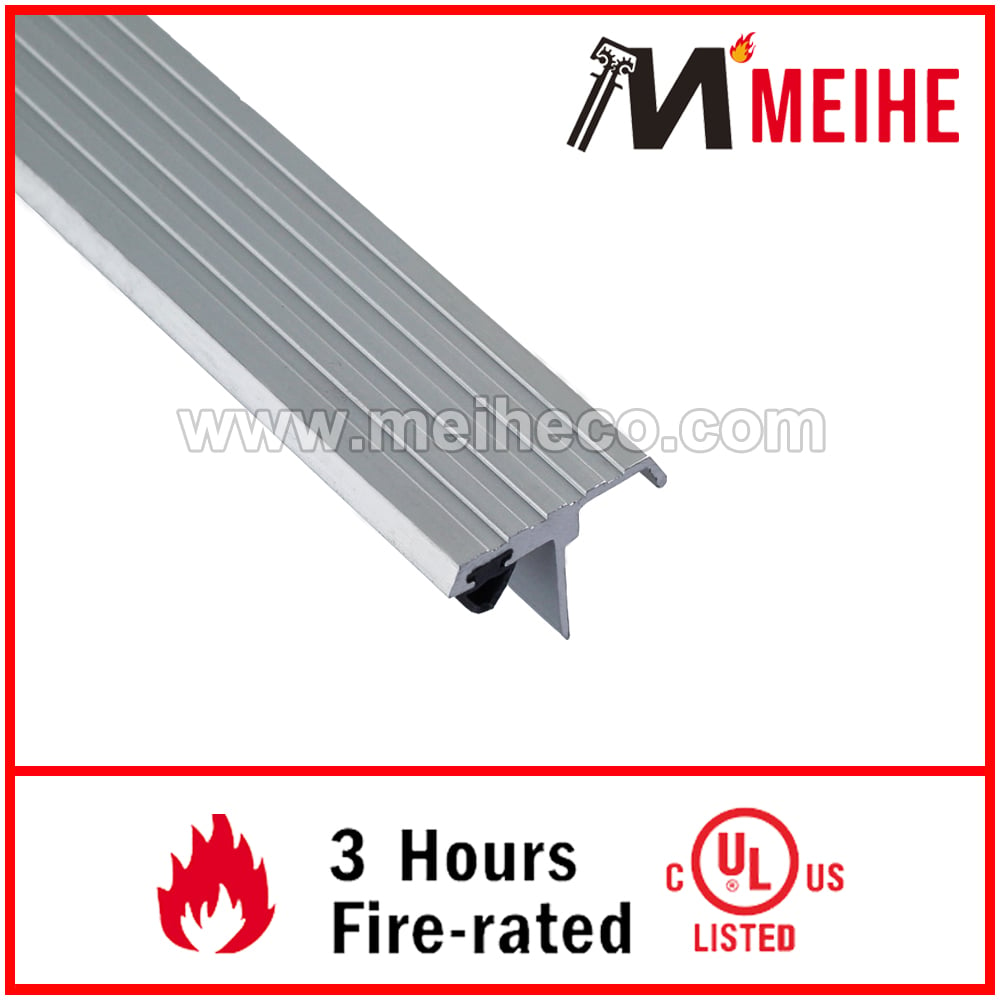
An astragal is a critical component in building design that many professionals underestimate during installation. When an astragal is not installed correctly, it fails to perform its primary function of sealing gaps and providing weathertightness between adjacent surfaces. The astragal serves as both a functional barrier and an aesthetic element, making proper installation essential for long-term performance. Installation mistakes compromise the astragal's ability to prevent air leakage, water infiltration, and noise transmission, ultimately affecting the overall quality of any architectural project.
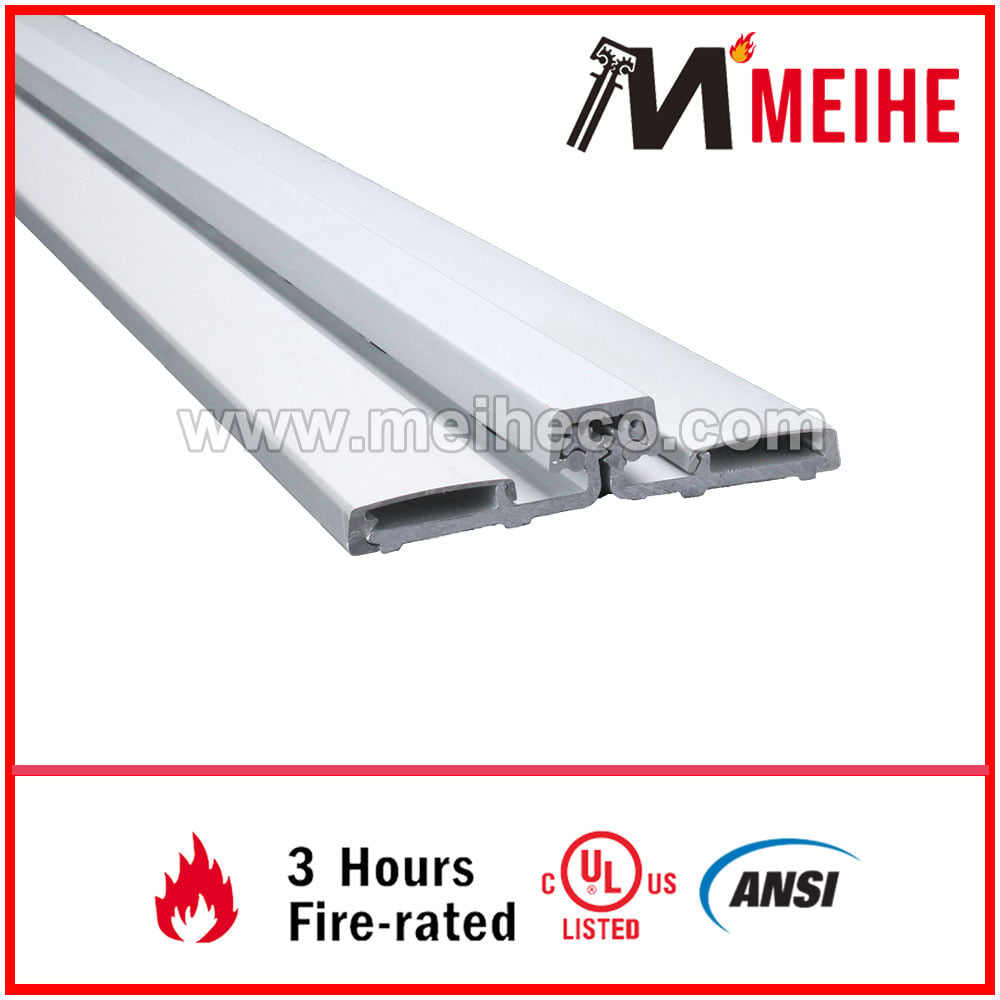
Understanding how installation mistakes affect astragal performance is essential for architects, builders, and facility managers. An improperly installed astragal creates immediate problems that often become apparent only after the building is occupied. These performance issues range from visible gaps and misalignment to more subtle problems like thermal bridging and compromised sealing efficiency. By recognizing the most common installation errors, professionals can implement preventative measures and ensure that their astragal installation meets both performance standards and design specifications.
Common Installation Mistakes That Compromise Astragal Function
Misalignment and Improper Positioning
Misalignment is one of the most frequent causes of poor astragal performance. When an astragal is not positioned flush with the adjacent door or panel surface, gaps emerge that undermine the entire sealing function. An improperly aligned astragal cannot maintain consistent contact with the weatherstripping or gasket materials, creating weak points where air and moisture can penetrate. This misalignment often occurs because installers fail to account for slight variations in frame geometry or door thickness during the initial measurement phase. The astragal must be installed with precision using proper shimming techniques and level checks at multiple points along its length to ensure that performance remains consistent throughout the installation.
Inadequate Fastening and Loose Hardware
An astragal that is not securely fastened will shift over time, causing the seal to degrade and performance to decline. Many installation mistakes stem from using incorrect fastener types or spacing them too far apart. When an astragal fastener spacing exceeds manufacturer recommendations, the material flexes between anchor points, creating visible waves and reducing the ability to maintain proper compression against seals. Additionally, using fasteners that are too short or installing them at incorrect angles compromises the integrity of the connection. Professional installation requires that every astragal fastener be driven perpendicular to the surface with proper torque specifications, and fastener spacing should typically not exceed 12 inches for optimal astragal performance and longevity.
Material and Surface Preparation Issues
Improper Surface Cleaning and Preparation
Surface preparation directly impacts how well an astragal adheres and performs in its installed position. An astragal installed over dirty, painted, or contaminated surfaces will not bond properly, leading to separation and performance failure. Many installers rush through the preparation phase, failing to remove dust, old sealant, paint, or oxidation that prevents proper adhesion. This mistake is particularly common when retrofitting an astragal to an existing frame where previous maintenance or repairs have left residual materials on the surface. The astragal surface and the mounting substrate must be cleaned thoroughly with appropriate solvents and allowed to dry completely before installation begins. Skipping this step may save time initially, but it almost always results in compromised astragal performance within months of occupancy.
Temperature and Humidity Neglect
Environmental conditions during astragal installation directly affect how the material settles and performs long-term. An astragal installed in extreme temperatures or excessive humidity may expand or contract after installation is complete, creating gaps that compromise its sealing function. Most professional-grade astragal materials have specific installation temperature ranges, typically between 60 and 85 degrees Fahrenheit, that should never be exceeded. Humidity levels above 85 percent can prevent proper adhesive curing if adhesive-mounted astragals are used, resulting in premature separation. Seasonal expansion and contraction of the astragal frame structure itself can also create stress that degrades performance if installation was not planned with these material movements in mind. Installers must check weather forecasts, control job site conditions with temporary heating or ventilation, and verify that astragal materials have acclimated to the installation environment for at least 24 hours before work begins.
Sealing and Compression Problems
Incorrect Gasket or Weatherstripping Installation
An astragal performs effectively only when properly compressed against compatible gasket or weatherstripping materials. Many installation mistakes occur when installers use incorrect gasket types or fail to ensure adequate compression depth. If the astragal is installed too far from the mating surface, the weatherstripping cannot achieve the compression depth needed for effective sealing, and the astragal performance suffers immediately. Conversely, over-compressing the weatherstripping can cause it to extrude sideways and eventually fail. The astragal must be installed at a distance from the mating surface that matches the gasket or weatherstripping manufacturer's specifications precisely. This distance is critical to astragal performance because even a variance of 1/8 inch can reduce sealing effectiveness by 20 percent or more. Installers must use spacer blocks and measurement guides to maintain consistent compression across the entire length of the astragal.
Failure to Account for Building Movement
Structures naturally move due to wind loads, thermal expansion, settlement, and seismic activity. An astragal installed as a rigid, non-flexible component cannot tolerate this building movement, and performance degrades as stress concentrates at fastener points. The astragal must be installed with sufficient clearance at movement joints and expansion points to allow for structural motion without binding or pulling away from seals. Many installers treat the astragal as a static element and fail to verify whether the installation plan accommodates known building movement patterns in that specific location. In buildings taller than four stories or in areas with extreme temperature swings, the astragal must include flexible connectors or allow for slight movement in the fastening system. Without this flexibility, the astragal performance will degrade as cracks propagate from stress concentration points, and the weathertightness benefit of the astragal will be lost within the first heating or cooling season.
FAQ
What are the most visible signs that an astragal installation was done incorrectly?
Visible signs of poor astragal installation include visible gaps between the astragal and the adjacent surface, misalignment along the length of the door or panel, separation of the astragal from the mounting surface, water stains or moisture intrusion around the astragal, and difficulty opening or closing doors due to the astragal rubbing against the frame. If the astragal appears wavy or rippled rather than perfectly straight, this indicates fastener spacing problems or inadequate substrate support that will compromise astragal performance over time.
Can astragal performance be recovered after an incorrect installation?
In many cases, astragal performance can be partially recovered through remediation, but complete reinstallation is often the most cost-effective solution. If the astragal is misaligned by less than 1/4 inch, minor adjustments to gasket compression may restore adequate performance. However, if the astragal has separated from the mounting surface or if fasteners have loosened significantly, the astragal must be removed, the substrate cleaned, and the astragal reinstalled correctly. Attempting to patch or seal around a poorly installed astragal typically fails within a few seasons and does not address the underlying installation errors that caused the problem.
How often should astragal installation be inspected to verify performance?
Professional facilities typically inspect astragal installation during the first occupancy season and then annually during preventive maintenance cycles. The first inspection should occur within 30 days of installation to catch any fastener loosening or settling before significant performance loss occurs. After that, annual inspections should focus on checking for separation, compression loss, visible gaps, and any signs of water infiltration around the astragal. If an astragal is located in a high-traffic area or a region with extreme weather, more frequent inspections may be warranted to ensure that astragal performance remains consistent.