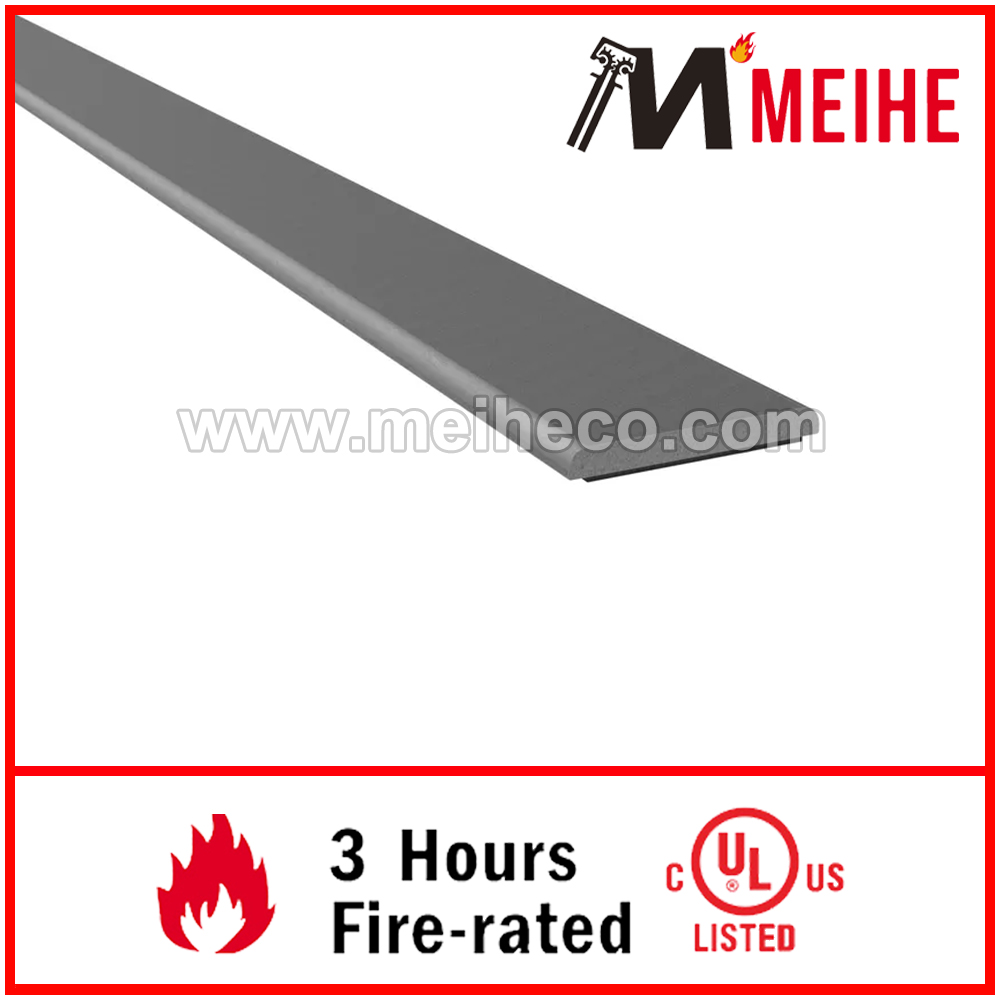
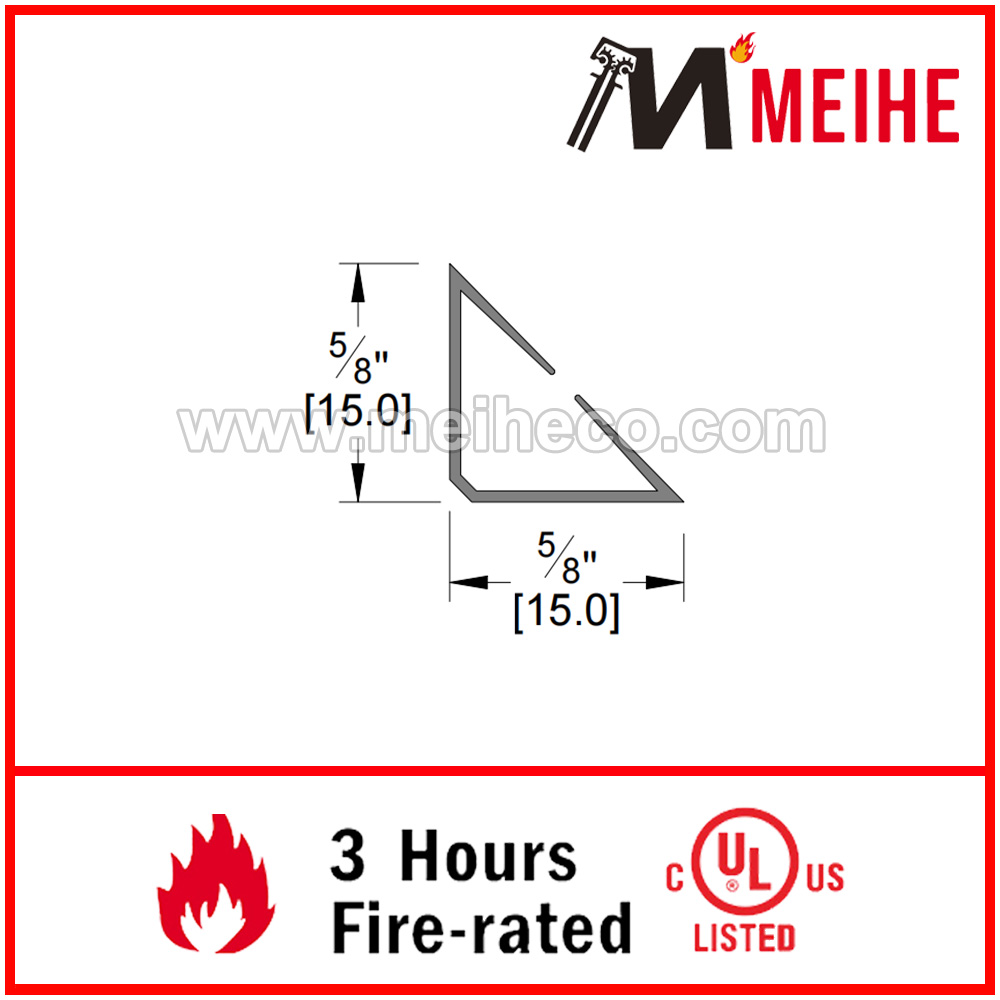
Adhesive Weather Seal for Reliable Protection

Get a Free Quote

Our representative will contact you soon.
Email
Name
Mobile
Company Name
Message
0/1000

adhesive weather seal

An adhesive weather seal is a flexible strip, tape, or molded profile with a pressure-sensitive backing that closes small gaps around doors, windows, panels, cabinets, vehicles, and equipment. Its main function is to block drafts, rain, dust, insects, light, and outside noise while helping maintain a more stable indoor environment. By creating a close contact barrier, an adhesive weather seal can also reduce rattling, vibration, and heat loss. The product suits repair, maintenance, manufacturing, and home improvement work because it installs without screws, clips, or special tools. Most adhesive weather seal products use foam, rubber, silicone, EPDM, or a similar flexible material. The material compresses when a door or panel closes, then returns toward its original shape to maintain contact. A strong adhesive layer supports quick fitting on clean, smooth, and dry surfaces. Some versions resist sunlight, moisture, temperature changes, oils, and repeated opening and closing. This makes an adhesive weather seal useful indoors and outdoors, depending on the selected material and rating. Available shapes include flat tape, D-profile, P-profile, V-profile, bulb seal, and custom-cut sections. Thickness, width, density, and flexibility determine how well the seal fills a gap without making closure difficult. An adhesive weather seal may also feature a release liner that protects the bonding surface before use and allows accurate placement. Customers can choose rolls for long runs or pre-cut pieces for faster assembly. Whether the goal is energy saving, water control, noise reduction, surface protection, or a cleaner finish, an adhesive weather seal provides a practical sealing solution with minimal installation effort.

New Products

The biggest advantage of an adhesive weather seal is simple installation. Users measure the gap, clean the surface, remove the liner, and press the product into place. This process saves time and avoids drilling, fasteners, and permanent modification. A homeowner can complete a basic repair with ordinary household tools, while a maintenance team can restore several doors or panels during one service visit. The adhesive weather seal also reduces labor cost when compared with more complex sealing systems. A properly selected adhesive weather seal improves comfort by limiting cold drafts in winter and hot air entry in summer. It can help heating and cooling equipment work more efficiently, which may support lower energy use over time. The barrier also helps keep rain, dust, smoke, and insects away from protected areas. In offices, workshops, vehicles, and enclosures, an adhesive weather seal can reduce unwanted noise, vibration, and movement. These benefits protect contents and create a more pleasant working or living space. Material choice gives buyers useful application flexibility. Foam offers easy compression and economical gap filling. Rubber and EPDM provide stronger resistance for demanding indoor or outdoor conditions, while silicone handles wider temperature ranges in suitable designs. A weather seal with adhesive backing works well on metal, glass, painted wood, plastic, and many finished surfaces when the surface is compatible and prepared correctly. Buyers should check gap size, surface texture, exposure, temperature, and expected movement before ordering. An adhesive weather seal that matches these conditions will bond more reliably and last longer. Roll formats reduce waste on long edges, and pre-cut sections help speed repeat installations. The clean appearance suits visible doors, display cases, cabinets, and vehicle interiors. Replacement is also straightforward when wear eventually occurs. For buyers comparing products, an adhesive weather seal offers a strong balance of price, convenience, protection, and versatility without requiring specialist installation.

Tips And Tricks

Can Continuous Geared Hinges Reduce Door Squeaking Noise

22

Sep

Can Continuous Geared Hinges Reduce Door Squeaking Noise

Door squeaking is one of the most persistent and irritating problems in commercial and industrial buildings. When entrance doors, fire doors, or corridor doors squeak repeatedly, it disrupts the environment, creates an unprofessional atmosphere, and ...
View More
How Continuous Geared Hinges Support Heavy Commercial Doors

22

Sep

How Continuous Geared Hinges Support Heavy Commercial Doors

Heavy commercial doors face unique mechanical demands that standard hinges simply cannot meet. From hospital corridors to industrial facilities, the pressure to maintain reliable door operation under constant use requires specialized hardware designe...
View More
How Astragals Interact With Door Hardware

29

Oct

How Astragals Interact With Door Hardware

Understanding how an astragal interacts with door hardware is essential for architects, builders, and facility managers who design and maintain door systems. An astragal is a specialized component that bridges the gap between two door leaves or betwe...
View More
How Seasonal Expansion Impacts Astragal Fit

29

Oct

How Seasonal Expansion Impacts Astragal Fit

Seasonal temperature fluctuations pose one of the most overlooked challenges in industrial door and window design. As materials expand and contract throughout the year, the precise fit of an astragal—the vertical seal or gasket that bridges the gap b...
View More

Get a Free Quote

Our representative will contact you soon.
Email
Name
Mobile
Company Name
Message
0/1000

adhesive weather seal

Fast, Tool-Free Installation

Fast, Tool-Free Installation

An adhesive weather seal helps turn a time-consuming sealing task into a quick, controlled installation. The backing arrives ready for application, so users do not need screws, staples, clips, or wet sealants for many common jobs. After measuring and cleaning the target surface, the installer can peel away the liner, align the strip, and apply firm pressure. This adhesive weather seal reduces disruption in homes, stores, workshops, and production areas. It also supports consistent results because the flexible strip follows straight edges and moderate curves without complicated cutting. For maintenance teams, the adhesive weather seal allows small gaps to be repaired during routine inspections rather than waiting for a major shutdown. For consumers, it offers a practical do-it-yourself option. The adhesive weather seal can be cut with a knife or scissors, helping users match corners, short sections, and irregular layouts. Faster work, fewer tools, and simple replacement create measurable value for both occasional and repeated applications.
Reliable Protection Against the Elements

Reliable Protection Against the Elements

A well-chosen adhesive weather seal creates a continuous contact barrier around a closure. Its flexible body compresses when the door, window, hatch, or panel shuts, helping block drafts, splash water, dust, insects, and outside air. This makes an adhesive weather seal useful for entry doors, garage doors, vehicle doors, outdoor cabinets, and electrical enclosures. Depending on its material and construction, it can also tolerate sunlight, moisture, temperature shifts, and repeated movement. The adhesive weather seal supports comfort by helping rooms hold conditioned air and can protect stored goods from dirt and damp exposure. In equipment applications, the adhesive weather seal helps keep contaminants away from internal components. Buyers should select a profile that matches the gap rather than forcing an oversized strip, because correct compression improves both closure and service life. When surface preparation and product selection are correct, an adhesive weather seal provides dependable everyday protection with little maintenance.
Flexible Fit for Many Applications

Flexible Fit for Many Applications

One adhesive weather seal can serve many projects when users select the right profile, thickness, and material. Flat tape works well for narrow gaps and simple edges, while D, P, V, and bulb profiles provide different levels of compression for doors, windows, hatches, and cabinets. Foam versions suit light-duty indoor use, whereas rubber, EPDM, or silicone options can offer stronger resistance in demanding conditions. This range lets buyers choose an adhesive weather seal based on gap size, movement, temperature, moisture, and surface type rather than settling for one universal product. The adhesive weather seal can also improve appearance by covering uneven edges and producing a neat, continuous line. Roll lengths support long installations with fewer joints, and cut pieces help with repairs or small assemblies. From residential renovations to vehicles, machinery guards, display cases, and storage units, the adhesive weather seal gives users a flexible way to address drafts, rattles, dirt entry, and minor water exposure.

Get a Free Quote

Our representative will contact you soon.
Email
Name
Mobile
Company Name
Message
0/1000