storefront pull handle
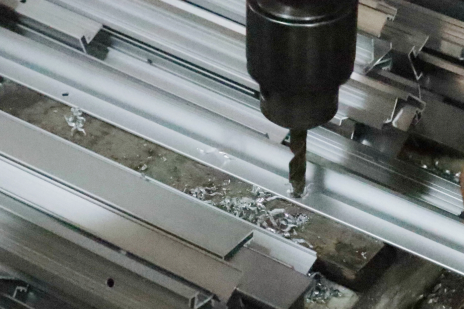
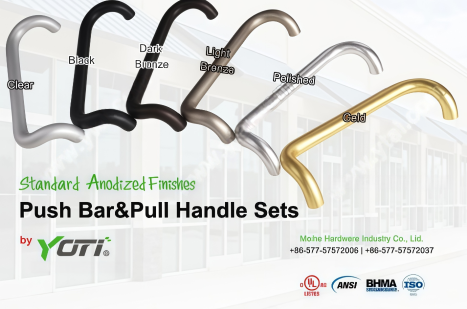
The storefront pull handle represents an essential architectural hardware component that serves as the primary interface between customers and commercial establishments. This critical element combines functionality with aesthetic appeal, creating the first tactile impression visitors experience when entering retail spaces, restaurants, offices, and various commercial buildings. The storefront pull handle operates through a straightforward mechanical principle, utilizing leverage and grip dynamics to facilitate smooth door operation while maintaining structural integrity under constant daily use. Modern storefront pull handles incorporate advanced engineering solutions that address both form and function, featuring precision-manufactured components designed to withstand heavy traffic environments. These handles typically measure between 12 to 48 inches in length, accommodating different door sizes and architectural requirements. The construction process involves careful material selection, with manufacturers often utilizing high-grade aluminum, stainless steel, or brass alloys that provide exceptional durability and corrosion resistance. Surface treatments such as anodizing, powder coating, or brushed finishes enhance both appearance and longevity, ensuring the storefront pull handle maintains its professional appearance despite exposure to weather elements and frequent handling. Installation systems feature standardized mounting configurations that accommodate various door thicknesses and frame materials, making the storefront pull handle compatible with glass doors, wooden frames, and metal assemblies. The ergonomic design principles integrated into contemporary storefront pull handles consider human factors engineering, ensuring comfortable grip dimensions that reduce hand fatigue during operation. Advanced models incorporate antimicrobial coatings and easy-clean surfaces that support hygiene requirements in commercial environments. The storefront pull handle market continues evolving with smart technology integration, including electronic access control systems and sensor-activated mechanisms that enhance security while maintaining the traditional aesthetic appeal of conventional hardware designs.
 ×
×


 EN
EN