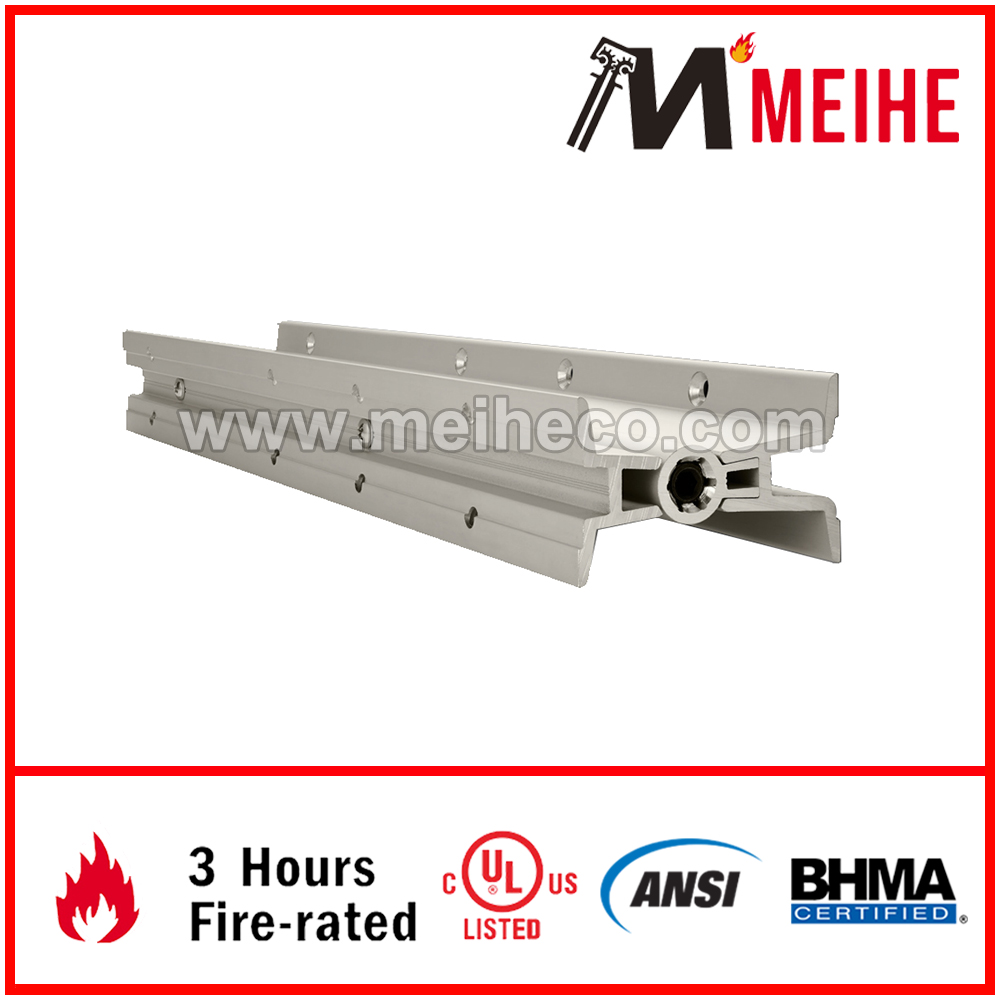
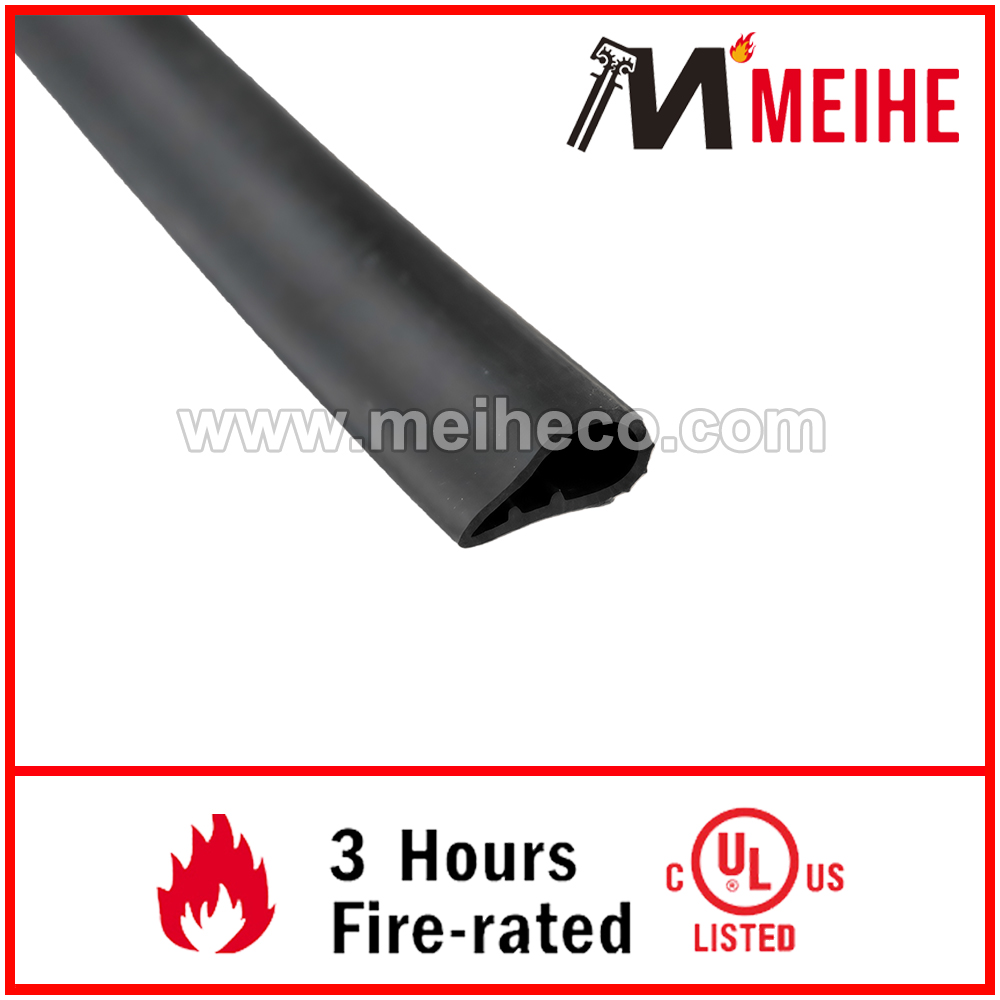
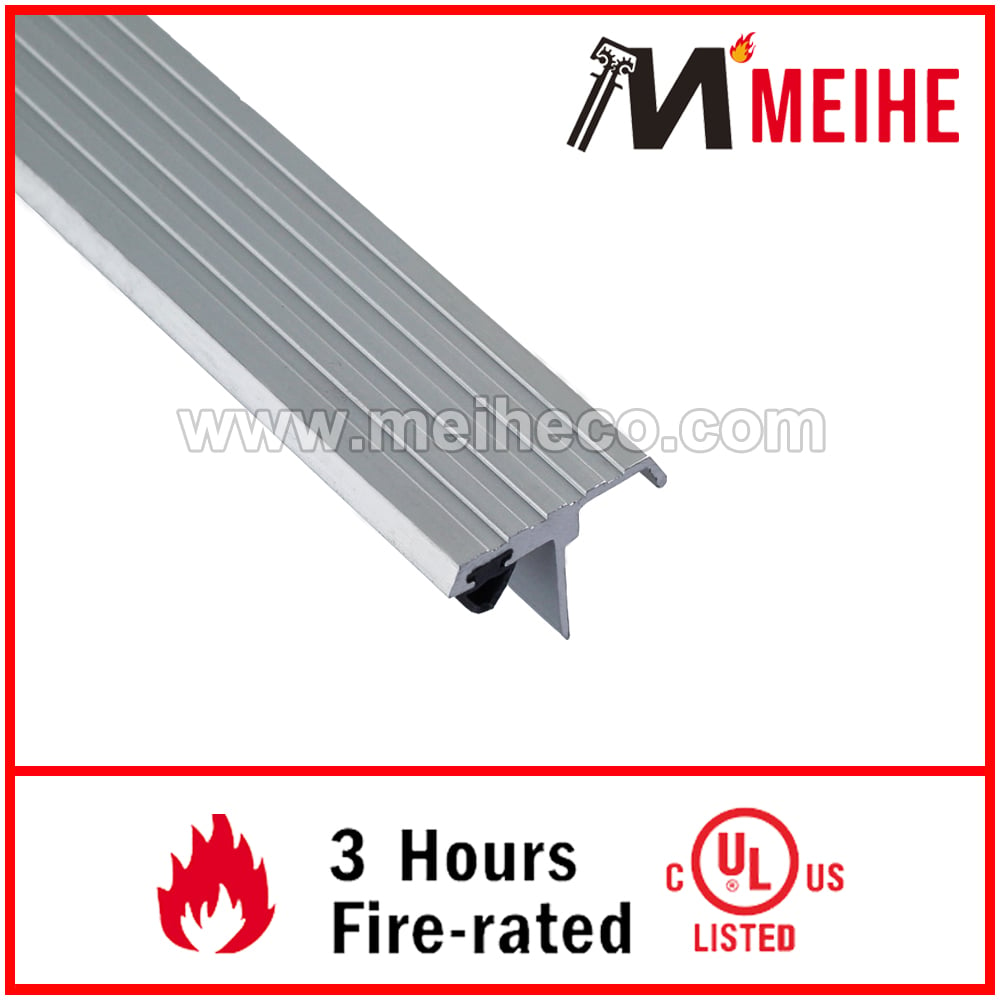
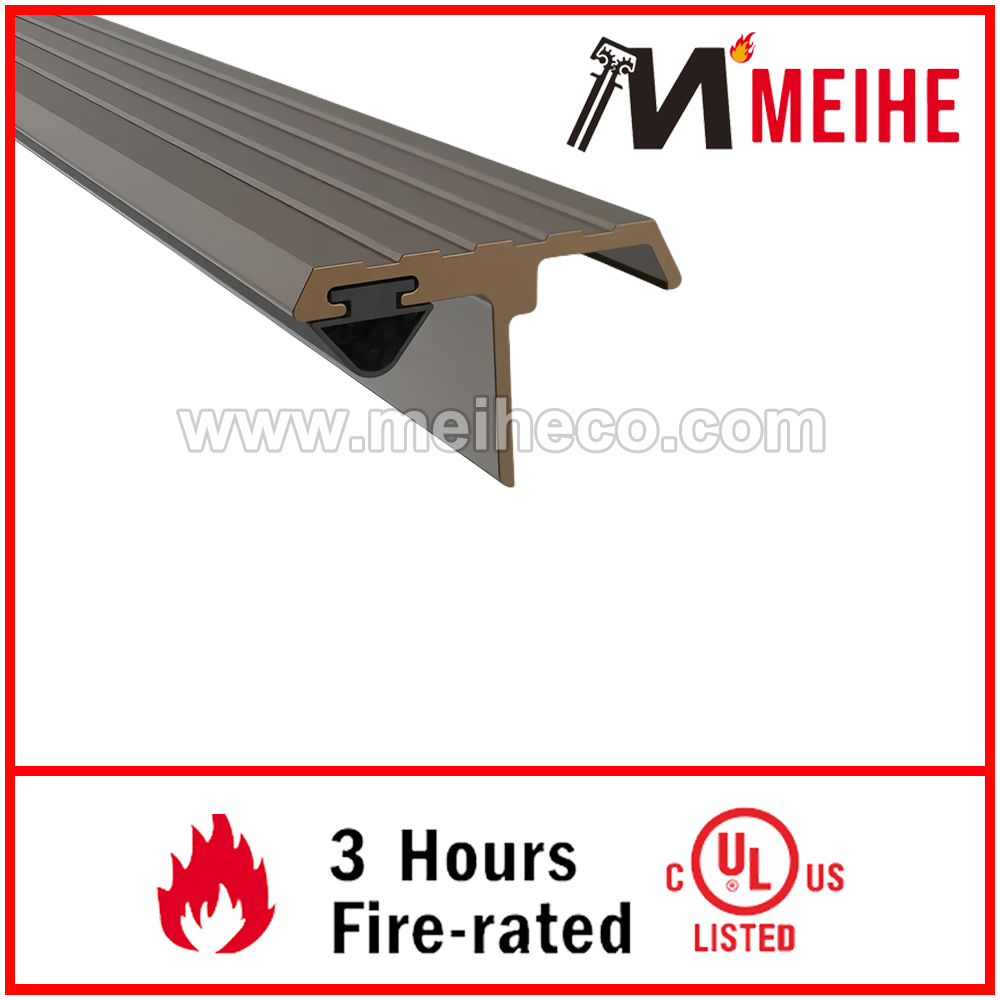
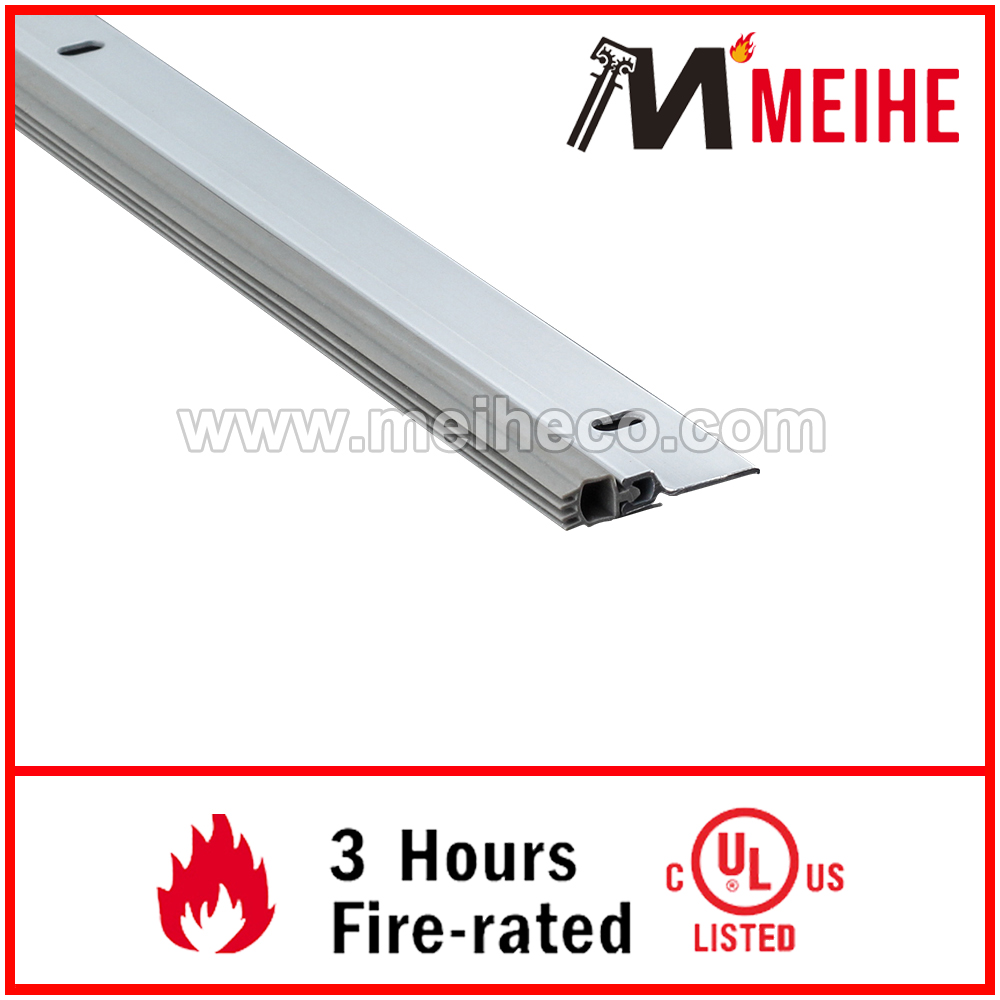
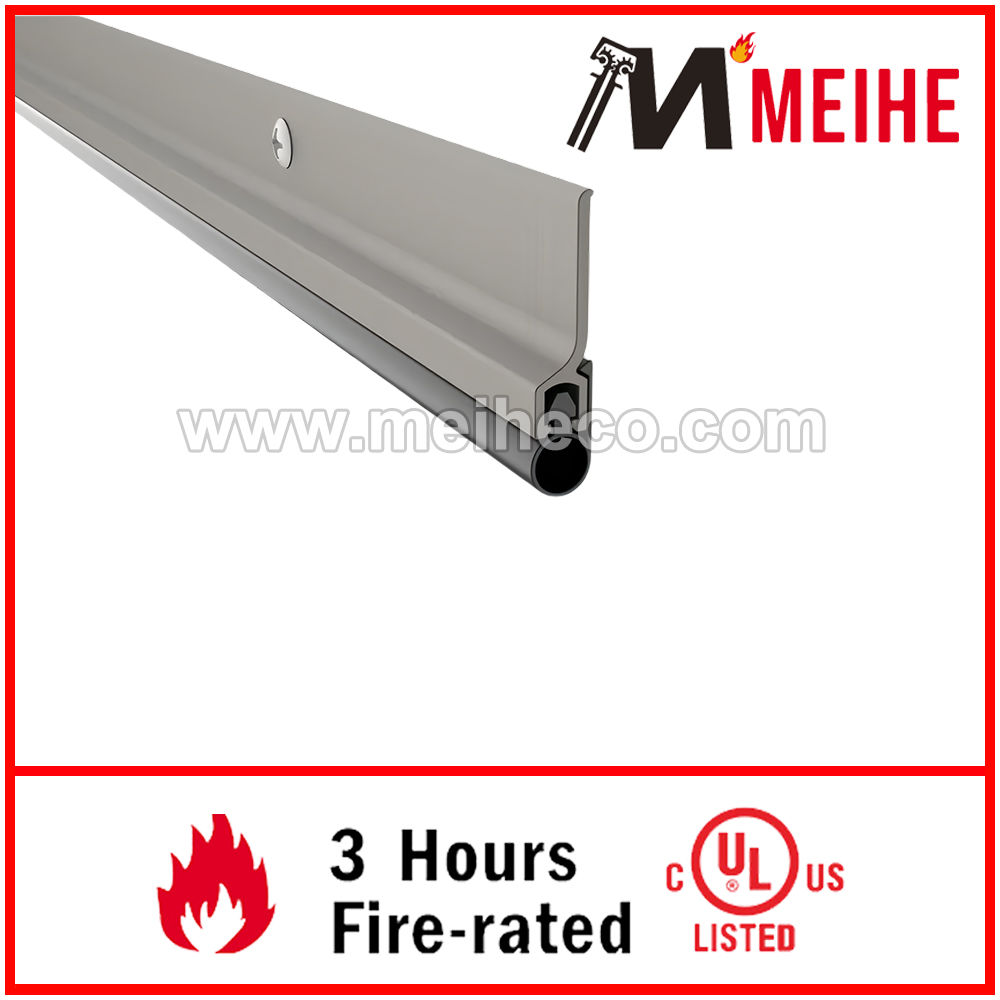
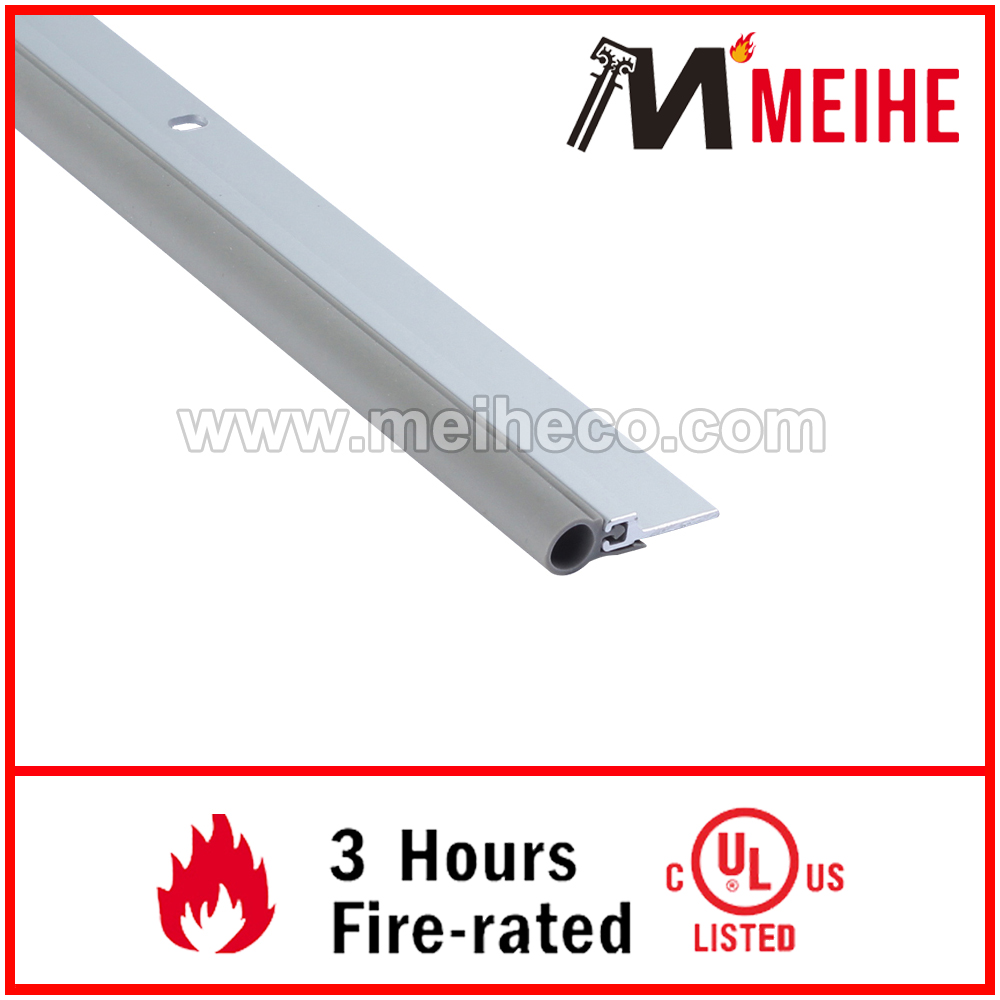
perimeter door seal
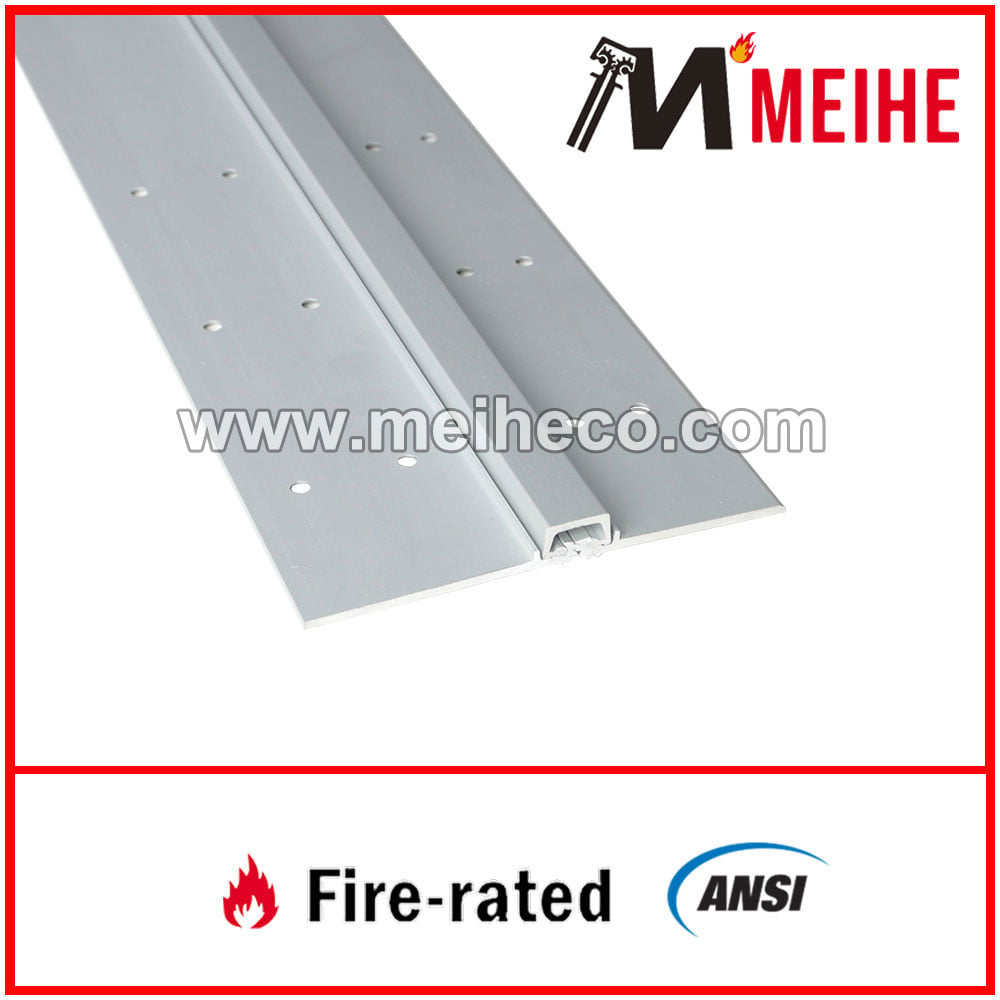
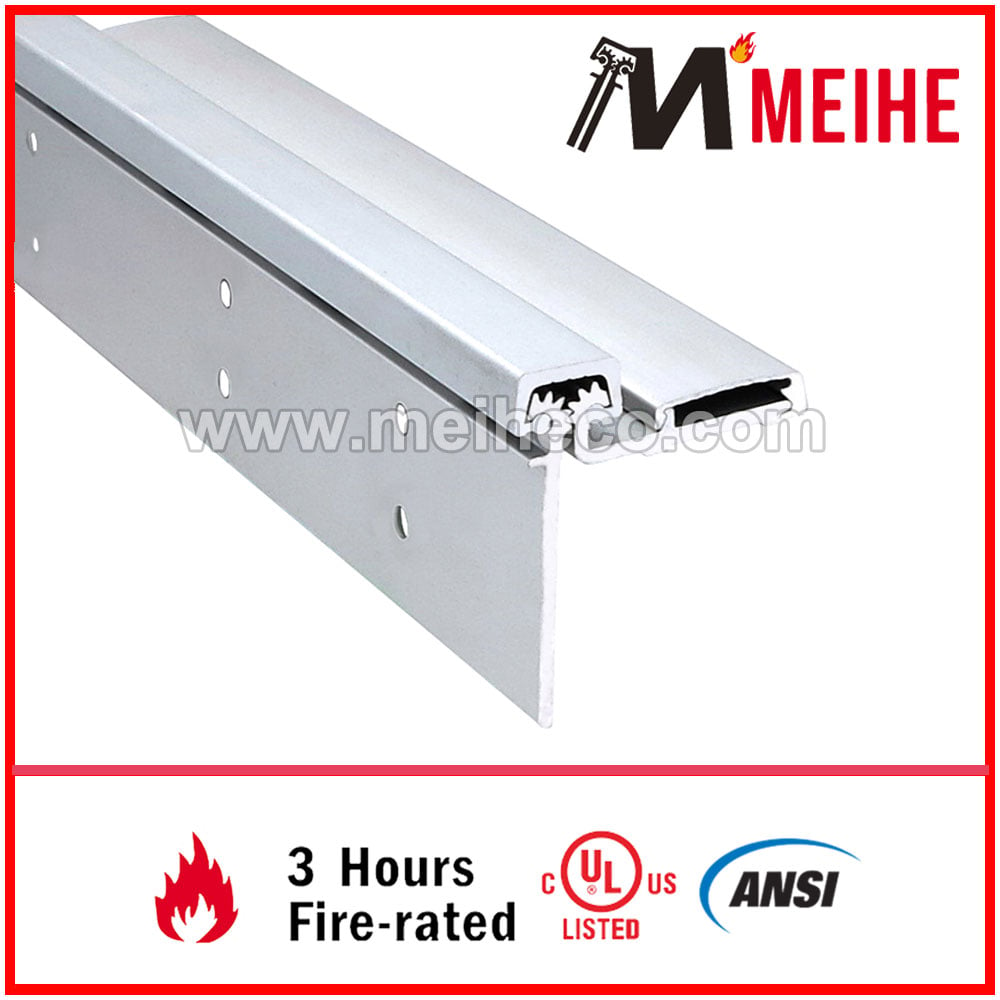
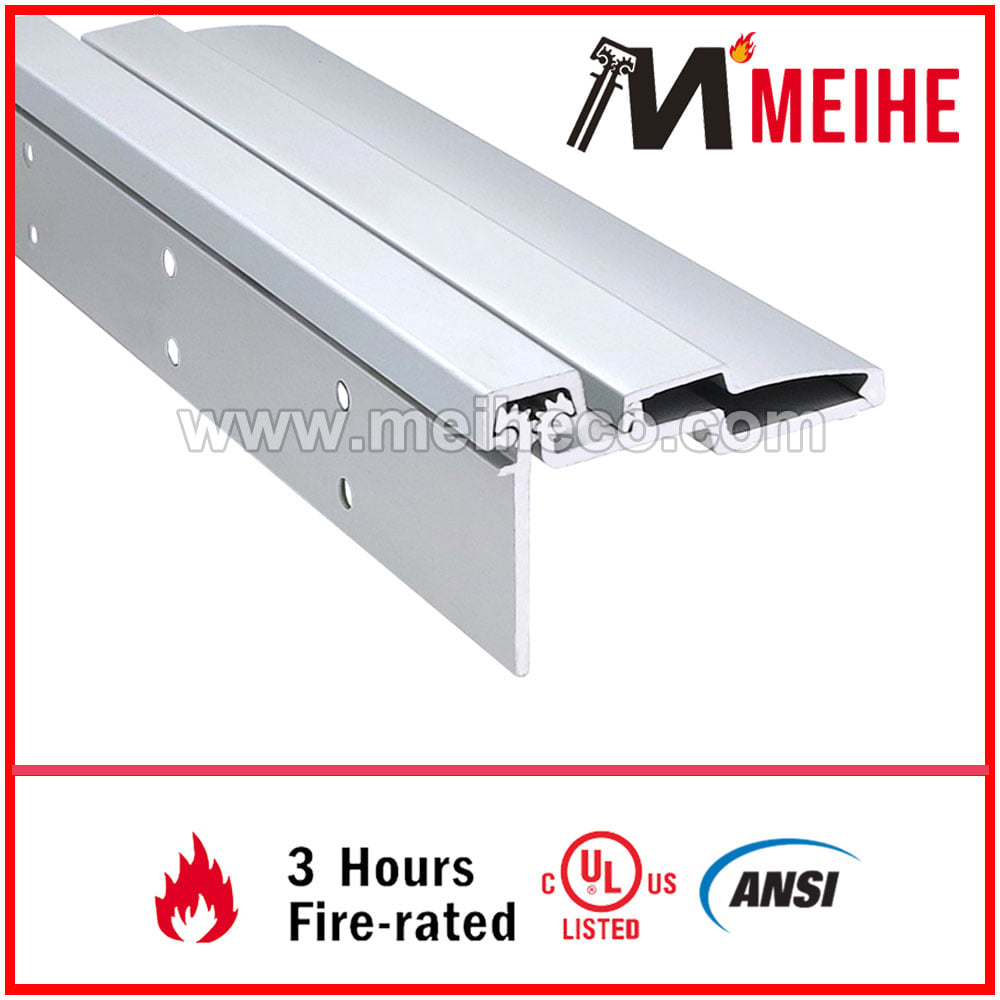
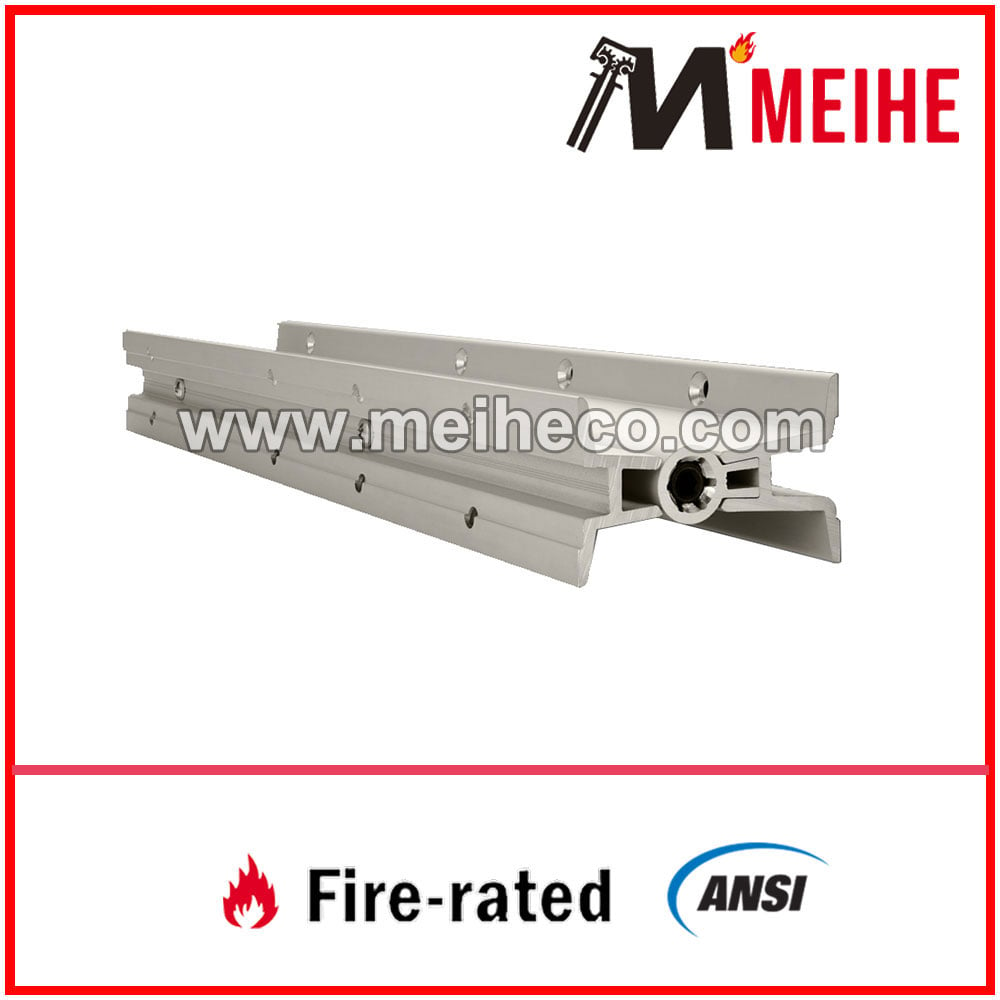
A perimeter door seal is a fitted barrier that closes the gap around a door leaf, frame, or opening. It helps block unwanted air, water, dust, smoke, noise, light, insects, and temperature transfer. By creating a more complete contact line, a perimeter door seal supports a cleaner, safer, and more comfortable indoor environment. It is suitable for homes, offices, factories, warehouses, hospitals, hotels, transport facilities, and commercial buildings. A perimeter door seal can be installed on hinged, sliding, security, fire-rated, acoustic, and service doors, depending on the selected material and certification. Common designs use flexible rubber, silicone, EPDM, brush, foam, or thermoplastic elements. These materials compress or flex when the door closes, then return to shape when it opens. A quality perimeter door seal maintains reliable contact without making the door difficult to operate. Many models include an aluminum, stainless steel, or reinforced carrier that protects the sealing element and simplifies mounting. Screw-fixed, adhesive, snap-fit, and concealed options support different frame types and installation conditions. Some products include adjustable channels, replaceable inserts, self-extinguishing materials, or tested smoke and fire performance. The right perimeter door seal depends on the gap size, door movement, exposure level, operating temperature, and required protection. A perimeter door seal also helps reduce energy loss by limiting drafts around the frame. For sound-sensitive rooms, it reduces sound paths and improves privacy. In demanding areas, a perimeter door seal can resist cleaning chemicals, moisture, abrasion, and repeated opening cycles. Buyers should review dimensions, material compatibility, certifications, and maintenance needs before choosing a model.

 EN