door perimeter gasketing
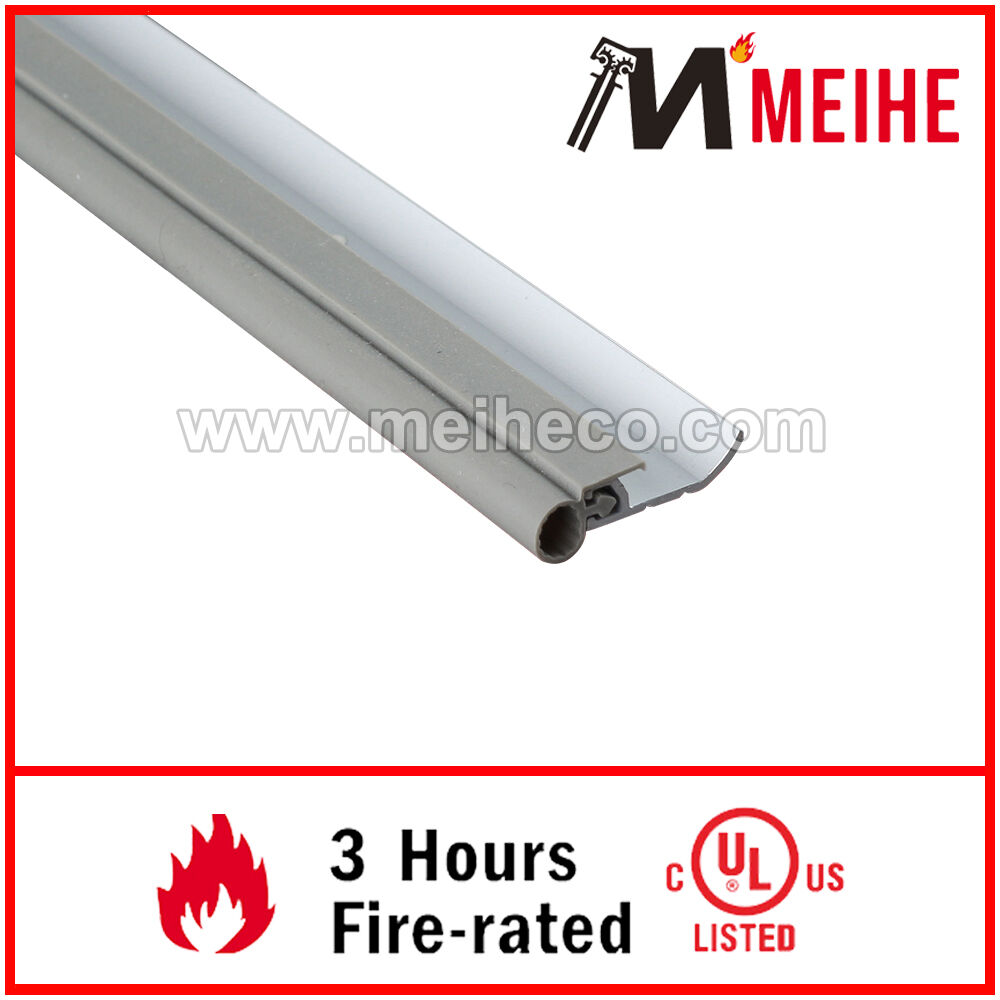
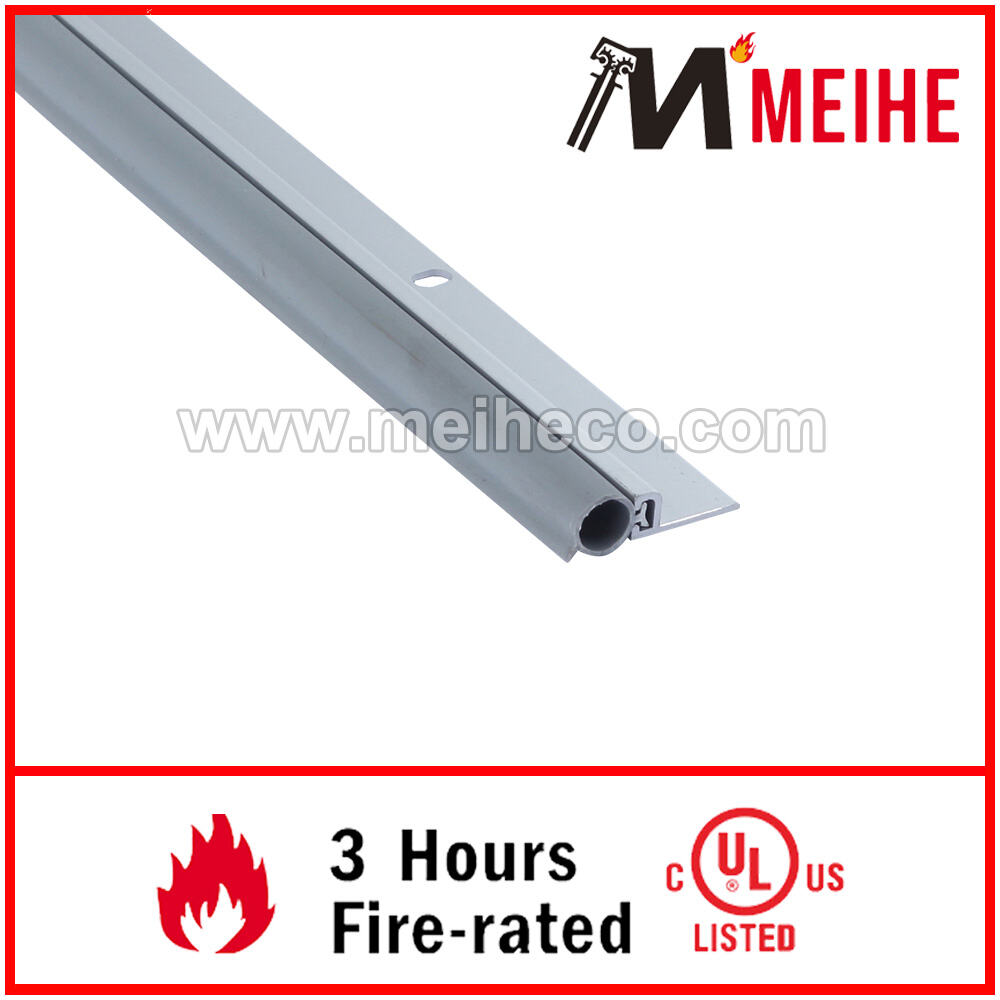
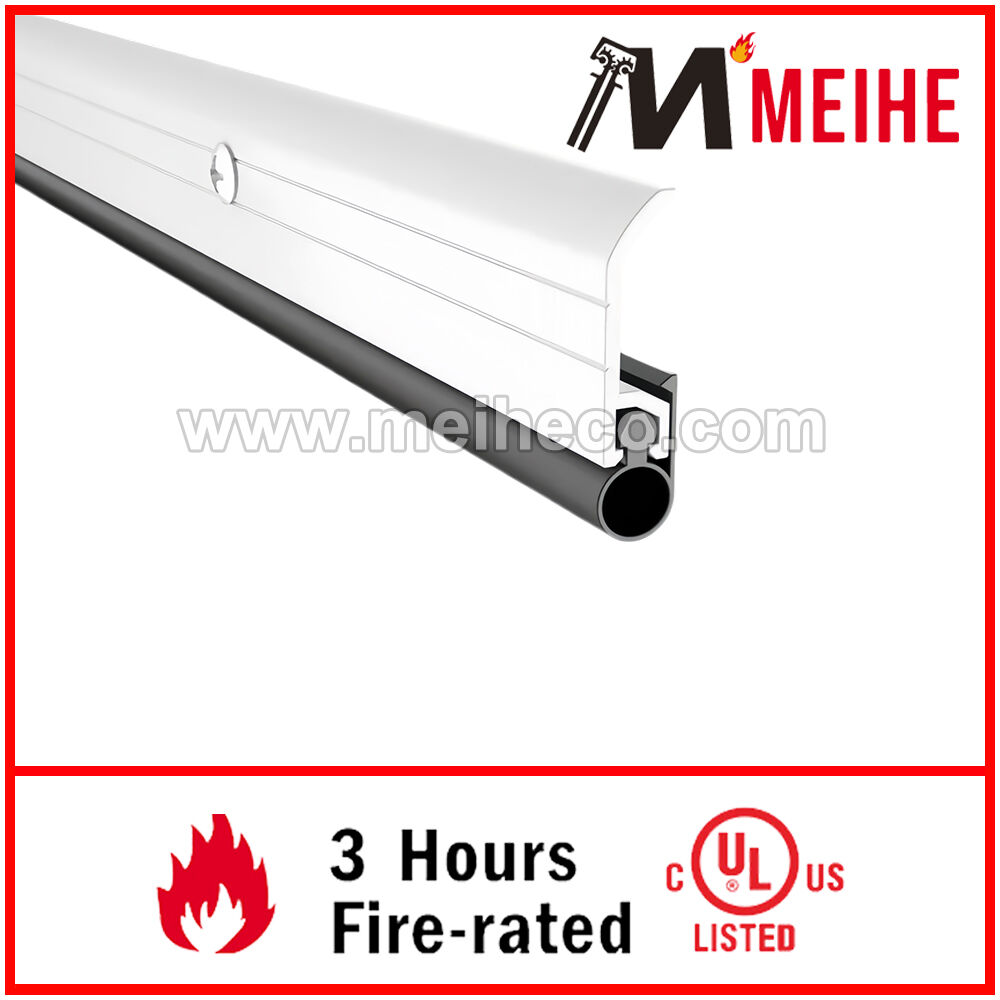
Door perimeter gasketing represents a crucial sealing technology that forms a protective barrier around the entire edge of doors, windows, and various access points in residential, commercial, and industrial applications. This specialized sealing system consists of flexible materials strategically positioned along door frames to create an airtight and watertight seal when the door closes. The primary function of door perimeter gasketing involves preventing unwanted air infiltration, moisture penetration, dust accumulation, and noise transmission between interior and exterior environments. Modern door perimeter gasketing systems utilize advanced materials including EPDM rubber, silicone compounds, thermoplastic elastomers, and hybrid polymer formulations that deliver exceptional durability and performance across diverse operating conditions. The technological features of contemporary door perimeter gasketing include compression-resistant designs that maintain sealing integrity over millions of operating cycles, temperature-stable formulations that perform effectively from -40°F to 200°F, and UV-resistant compounds that prevent degradation from prolonged sun exposure. Installation mechanisms vary from adhesive-backed strips and magnetic attachment systems to mechanical compression fittings and snap-in configurations, allowing seamless integration with existing door hardware and architectural designs. Applications for door perimeter gasketing span numerous industries including automotive manufacturing, aerospace engineering, marine construction, pharmaceutical facilities, cleanroom environments, refrigeration systems, and residential construction projects. The versatility of door perimeter gasketing makes it essential for maintaining environmental control, energy efficiency, and occupant comfort in buildings ranging from high-performance laboratories to everyday household applications. Quality door perimeter gasketing systems contribute significantly to HVAC efficiency by reducing air leakage, lowering energy consumption, and maintaining consistent indoor climate conditions while protecting against environmental contamination and improving overall building performance standards.
 ×
×



 EN
EN