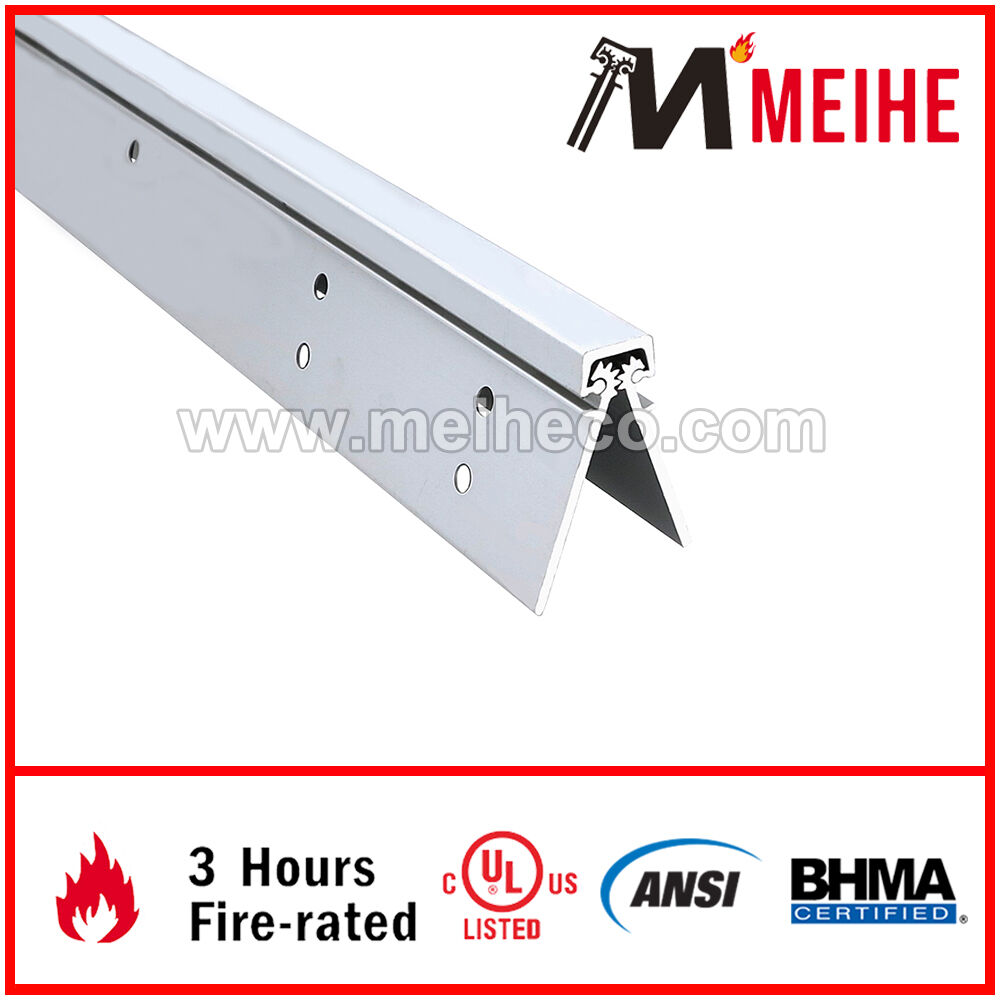
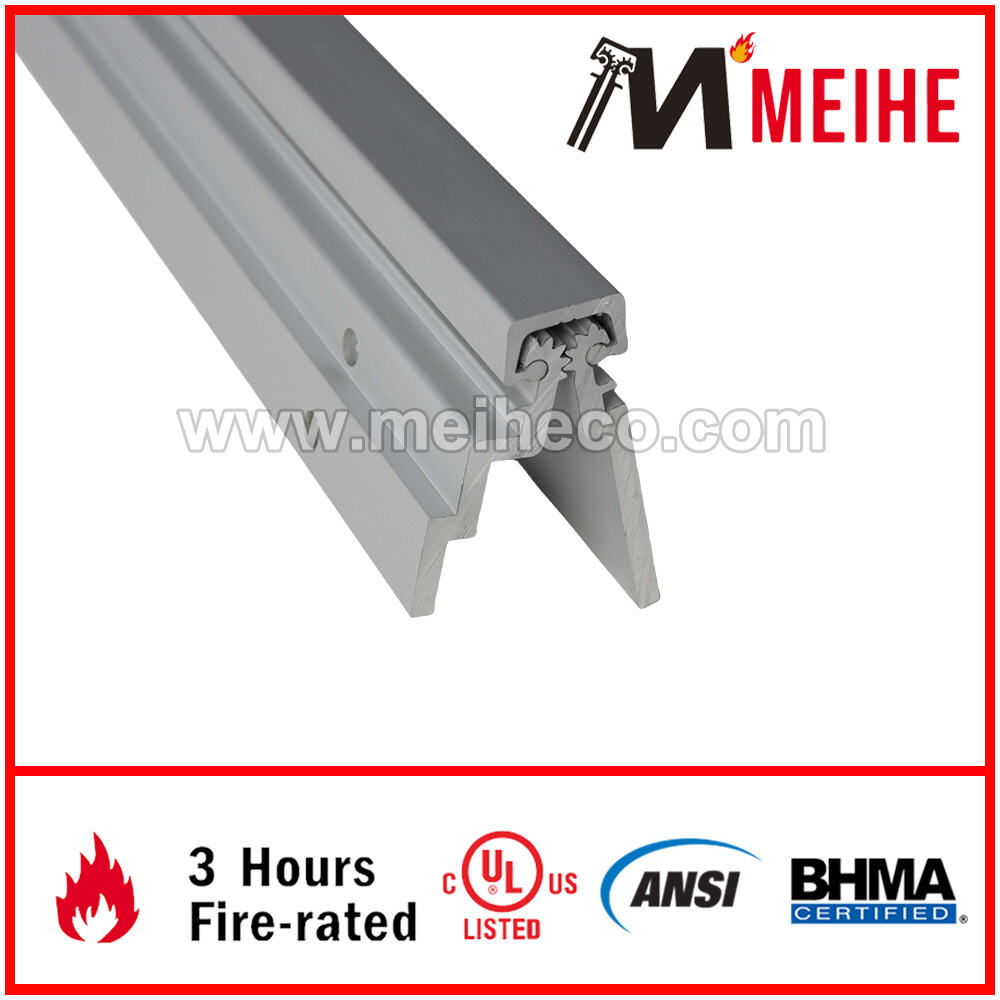
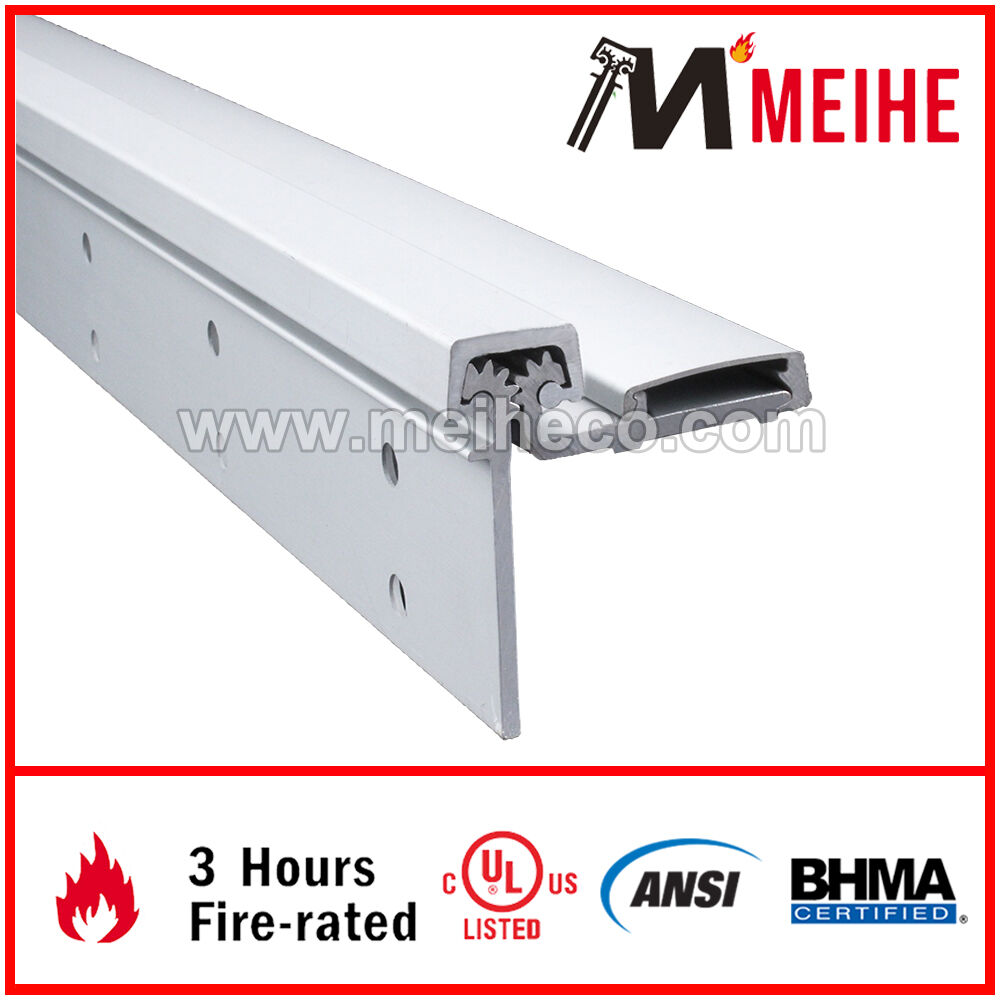
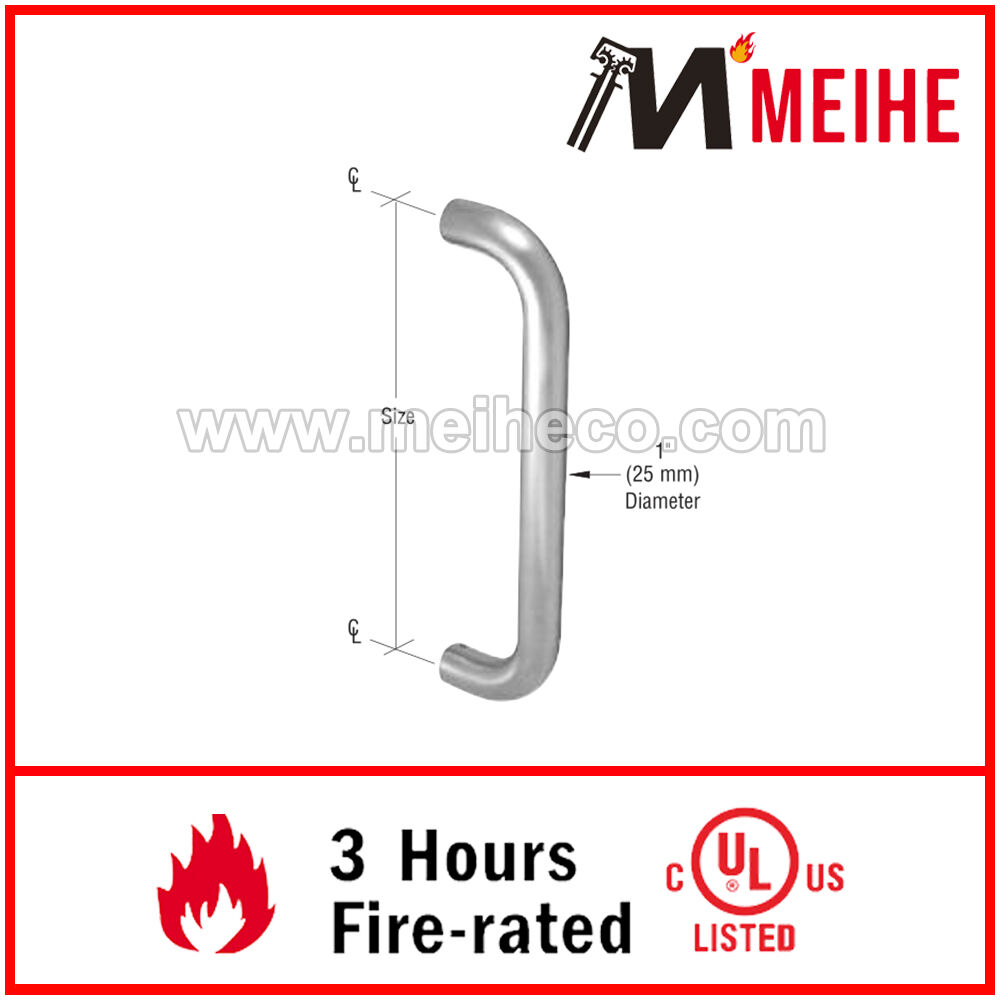
fire door drop down seals
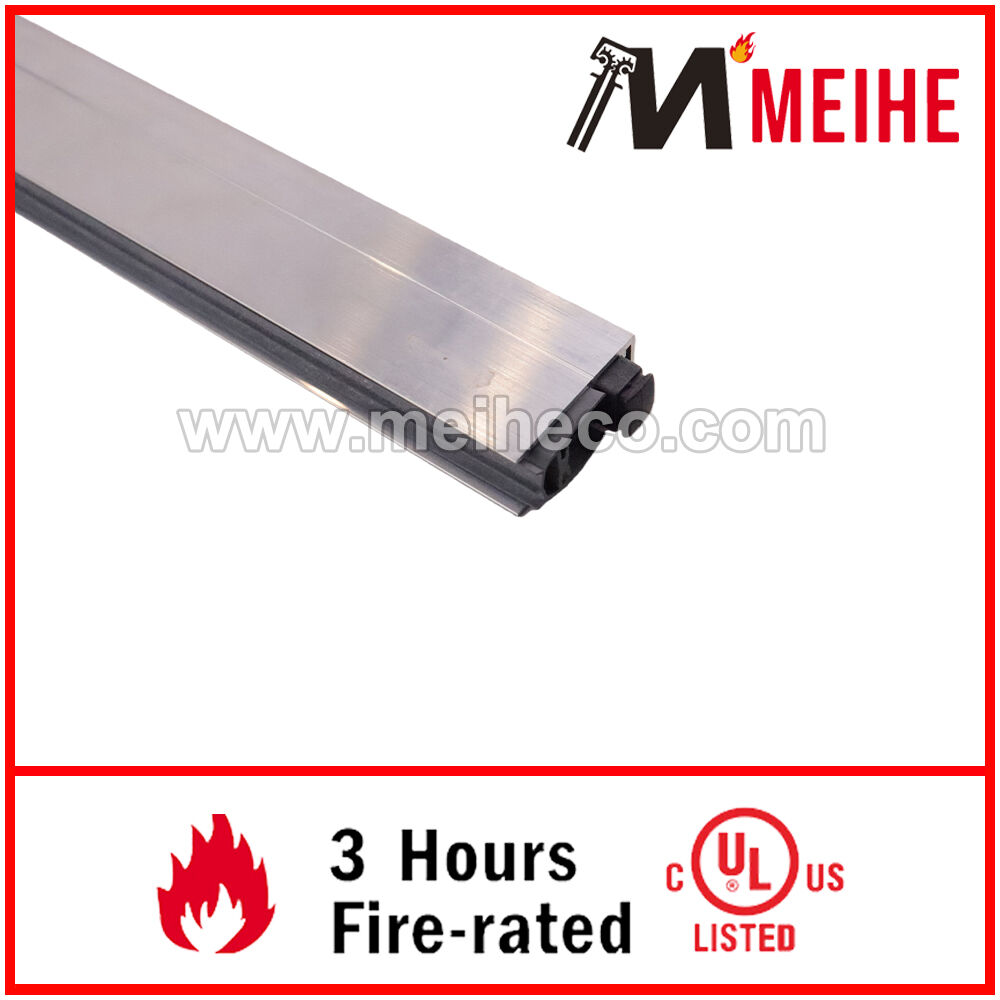
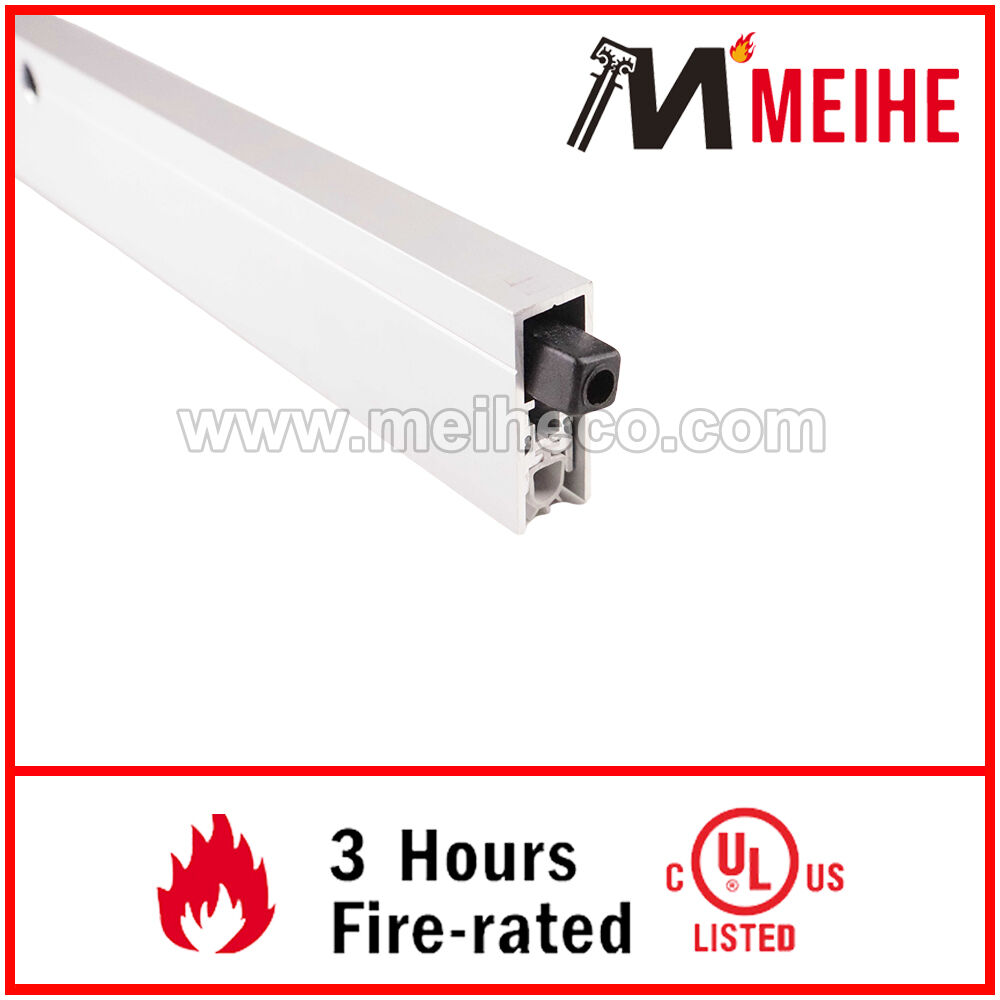
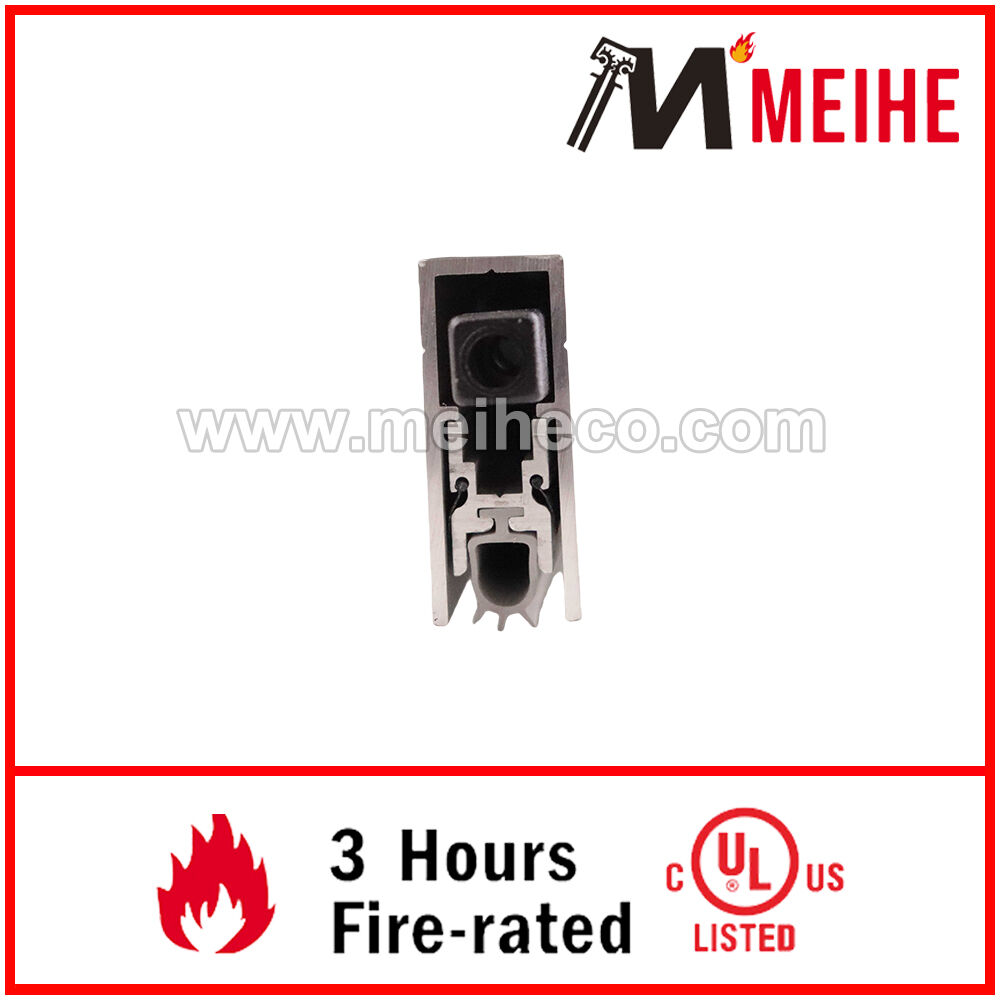
Fire door drop down seals represent a critical component in modern fire safety systems, designed to provide automatic protection against smoke and fire spread when doors close during emergencies. These specialized sealing mechanisms are engineered to deploy downward from the bottom of fire doors, creating an effective barrier that prevents dangerous gases, smoke, and flames from passing through door gaps. The primary function of fire door drop down seals involves maintaining the integrity of fire compartments within buildings, ensuring that escape routes remain clear and safe during evacuation procedures. These systems operate through heat-sensitive elements that trigger automatic deployment when temperatures reach predetermined thresholds, typically between 68°C to 72°C. The technological features include spring-loaded mechanisms housed within robust aluminum or steel casings that protect internal components from environmental damage. Advanced models incorporate adjustable compression settings, allowing installation teams to customize sealing pressure according to specific door requirements and floor irregularities. The sealing blade, manufactured from high-temperature resistant materials such as intumescent compounds or specialized rubber formulations, expands when exposed to heat, creating an even more effective barrier. Modern fire door drop down seals utilize precision engineering to ensure consistent performance across thousands of activation cycles, with many units tested to exceed 200,000 operations without failure. Applications span across commercial buildings, residential complexes, healthcare facilities, educational institutions, and industrial environments where fire safety regulations demand comprehensive protection systems. These seals integrate seamlessly with existing door hardware, requiring minimal modification to door frames or surrounding structures. Installation versatility allows mounting on both timber and steel doors, accommodating various architectural designs and building codes. The systems contribute significantly to achieving required fire resistance ratings, often helping buildings meet stringent safety certifications and insurance requirements while providing occupants with enhanced protection and peace of mind.
 ×
×



 EN
EN