
 EN
EN



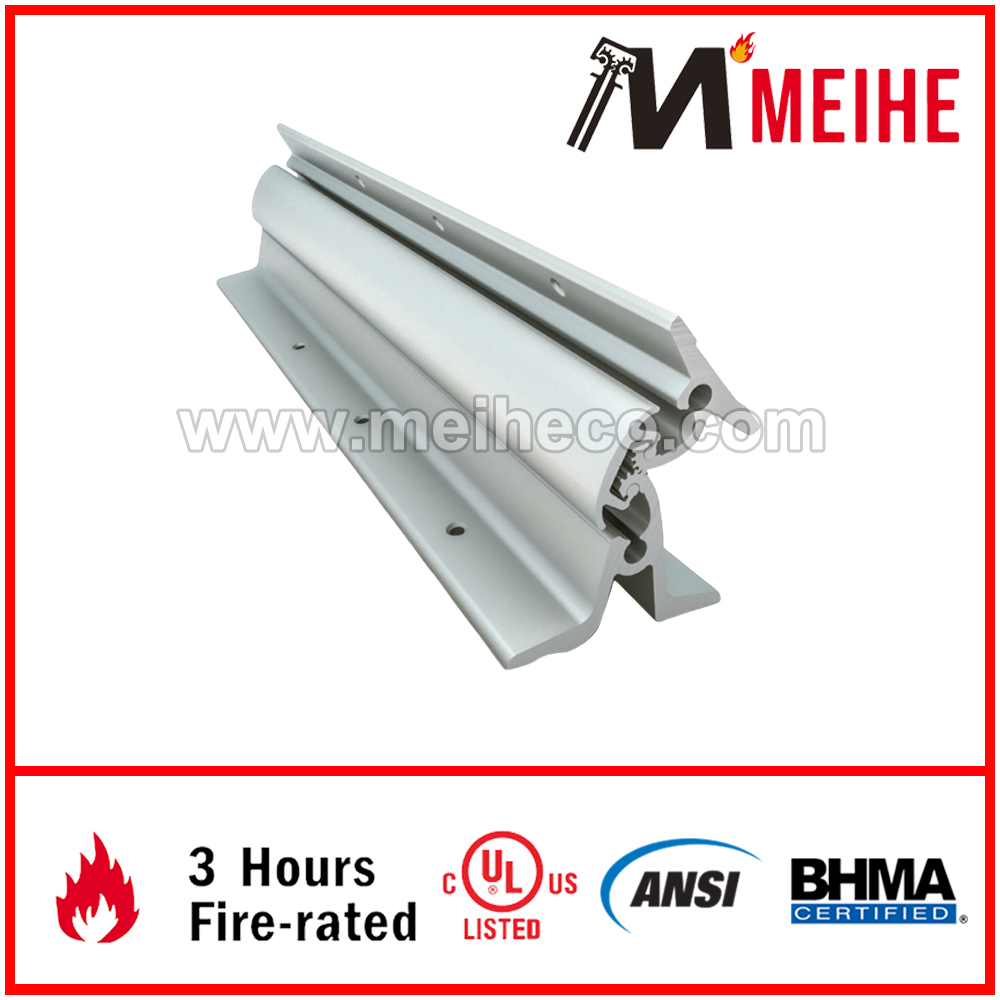
When selecting hinges for doors and panels in industrial, commercial, or specialized applications, understanding the differences between a continuous geared hinge and a standard hinge becomes essential to project success. A continuous geared hinge represents a significant advancement in hinge engineering, offering superior load-bearing capacity, smoother operation, and extended durability compared to traditional hinge designs. While standard hinges have served countless applications effectively for decades, a continuous geared hinge delivers distinct advantages that make it the preferred choice in demanding environments. This comprehensive guide explores how a continuous geared hinge compares with standard hinges, examining their construction, performance characteristics, and ideal use cases.
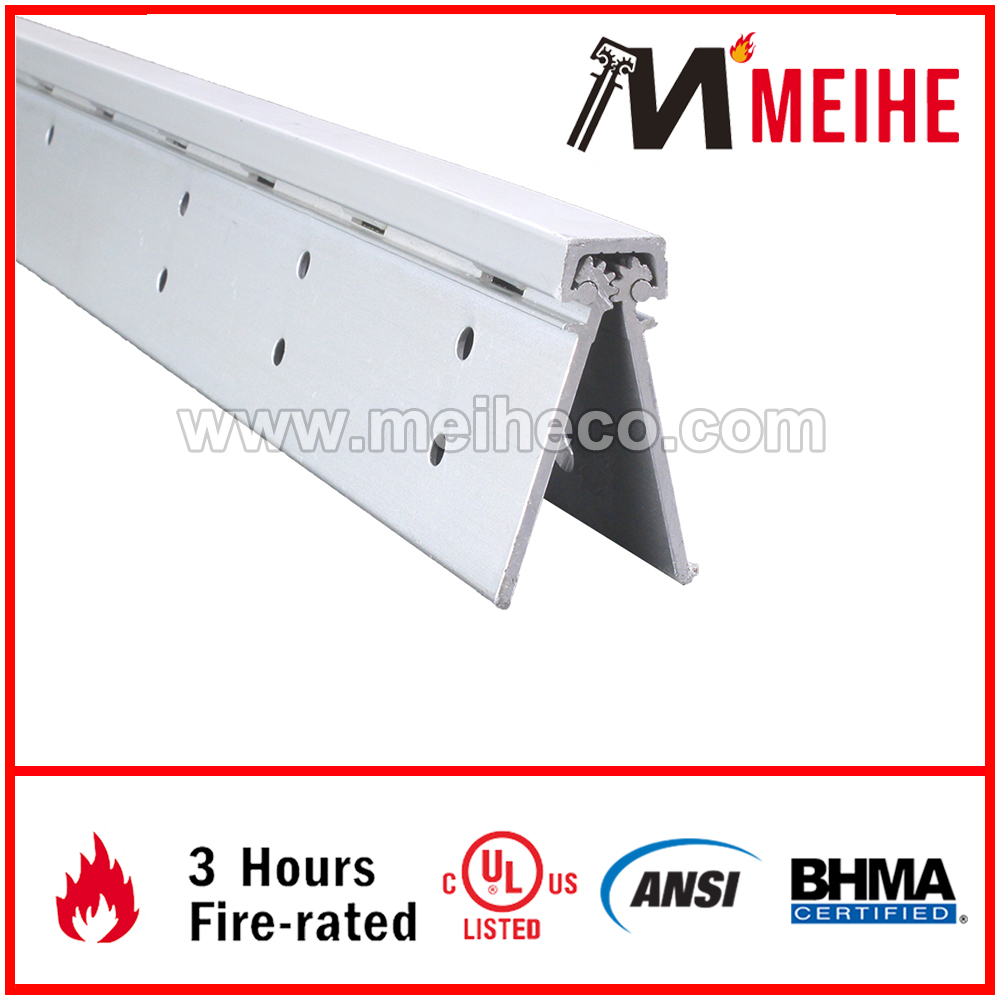
The choice between a continuous geared hinge and a standard hinge depends on multiple factors including load requirements, frequency of use, environmental conditions, and budget constraints. Understanding these distinctions empowers facility managers, architects, and engineers to make informed decisions that optimize door performance, safety, and operational efficiency. Whether you manage high-traffic facilities, specialized industrial environments, or standard commercial spaces, this comparison will clarify which hinge solution best aligns with your specific requirements.
Understanding the Structural Design Differences
The Architecture of a Continuous Geared Hinge
A continuous geared hinge features an extended leaf that runs the full height or length of the door, incorporating precision-engineered gear mechanisms along its interior surface. Unlike traditional designs that concentrate load at discrete bearing points, a continuous geared hinge distributes weight uniformly across the entire hinge length. This architectural innovation means a continuous geared hinge can support significantly heavier doors and panels while maintaining smooth, consistent operation throughout the door's swing cycle. The gear mechanism within a continuous geared hinge creates a self-supporting structure that resists sagging, binding, and misalignment even under extreme loads.
Standard Hinge Construction and Limitations
Standard hinges employ a simpler pin-and-knuckle design that relies on bearing capacity concentrated at the knuckle interface. Multiple discrete hinges must be installed along the door height to distribute load, yet each individual hinge functions independently without coordinated load-sharing. Standard hinges work effectively for lighter applications but begin showing performance degradation when doors exceed modest weight thresholds. A continuous geared hinge outperforms standard hinges precisely because its integrated design eliminates the weak points inherent in multi-hinge assemblies, whereas standard hinges depend on proper spacing and balanced installation to prevent premature wear.
Performance and Durability Advantages
Load Capacity and Structural Integrity
The most dramatic distinction between a continuous geared hinge and standard hinges involves maximum load capacity. A continuous geared hinge can support doors weighing 1000 pounds or more, with some industrial models handling even greater weights. Standard hinges rarely exceed 500 pounds per hinge, requiring multiple hinges to support comparable loads, which complicates installation and increases material costs. When you specify a continuous geared hinge for heavy-duty applications, you invest in a solution engineered specifically for demanding loads, whereas relying on standard hinges for similar applications often results in inadequate performance, door sag, and potential safety hazards.
Operational Smoothness and Consistency
A continuous geared hinge delivers remarkably smooth operation throughout the entire swing arc because the integrated gear mechanism provides uniform resistance and support. This mechanical design means a continuous geared hinge maintains predictable performance regardless of door position, temperature fluctuations, or environmental stresses. Standard hinges, by contrast, often exhibit variable resistance, potential binding, and inconsistent feel as doors age and component tolerances degrade. The engineering precision embedded in a continuous geared hinge translates to noticeably better user experience, reduced maintenance interventions, and extended product lifespan in demanding applications.
Cost, Application Scope, and Implementation Considerations
Budget and Installation Economics
While a continuous geared hinge typically carries a higher upfront cost than standard hinges, total cost of ownership often favors the continuous solution in high-traffic or heavy-load scenarios. Standard hinges require purchasing multiple units, coordinating proper spacing, managing alignment during installation, and performing frequent maintenance as wear develops. A continuous geared hinge installation involves fewer components, simpler mounting procedures, and minimal ongoing maintenance requirements. For facilities prioritizing reliability and reduced lifecycle costs, a continuous geared hinge represents a superior investment despite the higher initial purchase price.
Ideal Application Scenarios for Each Hinge Type
Standard hinges remain excellent choices for lightweight doors, cabinet applications, residential settings, and interior partitions where loads remain modest and operating cycles are limited. A continuous geared hinge shines in environments demanding superior performance: hospital operating rooms, clean rooms, secured facilities, industrial warehouses, and commercial kitchens where doors experience frequent use and must withstand substantial weight. Specification engineers choose a continuous geared hinge when applications demand consistent performance, minimal downtime, and compliance with stringent building standards. Understanding your specific application's load profile, usage frequency, and performance requirements determines whether a continuous geared hinge or standard hinges provide optimal value and reliability.
Maintenance, Safety, and Long-Term Performance
Longevity and Reduced Maintenance Burden
A continuous geared hinge's integrated design minimizes maintenance requirements compared to standard hinge assemblies, which demand regular inspection, lubrication, and component adjustment. The enclosed gear mechanism within a continuous geared hinge protects internal components from environmental contamination, dust accumulation, and corrosive elements. Standard hinges expose their bearing surfaces to ambient conditions, accelerating wear in challenging environments. When you deploy a continuous geared hinge in industrial settings, you benefit from reduced maintenance protocols, lower operational costs, and greater system reliability. Facilities operating under strict maintenance schedules find that continuous geared hinge performance remains consistent across extended service intervals.
Safety Standards and Compliance Implications
A continuous geared hinge typically meets or exceeds stringent building codes and safety standards required in healthcare, institutional, and industrial facilities. Standard hinges may not satisfy the performance requirements outlined in specialized building codes applicable to high-traffic areas or heavy doors. Specification documents often call specifically for a continuous geared hinge when compliance with ADA requirements, fire-safety standards, or institutional building codes becomes mandatory. Selecting a continuous geared hinge ensures your installation achieves regulatory compliance while delivering the performance reliability these standards implicitly demand.
FAQ
What weight capacity does a continuous geared hinge provide compared to standard hinges?
A continuous geared hinge typically supports doors weighing 1000 pounds or more depending on the specific model and bearing design, while standard hinges usually handle 300 to 500 pounds maximum. The continuous geared hinge achieves this superior capacity through distributed load support along the entire hinge length, whereas standard hinges concentrate load at discrete bearing points. For heavy doors requiring reliability and consistent performance, a continuous geared hinge provides substantially greater capacity and structural safety margins.
Are continuous geared hinges suitable for residential applications?
While a continuous geared hinge can certainly be installed in residential settings, most homes do not require the load capacity and durability features that justify the higher cost. Standard hinges adequately serve residential interior doors, cabinets, and lightweight applications where doors seldom exceed 200 pounds. However, if you maintain large, heavy wooden entry doors or specialty applications requiring frequent operation, a continuous geared hinge delivers superior performance and longevity despite the additional investment.
How do maintenance requirements differ between continuous geared and standard hinges?
A continuous geared hinge requires minimal maintenance due to its sealed gear mechanism protecting internal components from dust and environmental contamination. Standard hinges demand periodic lubrication, alignment verification, and component inspection to maintain smooth operation. Facilities deploying a continuous geared hinge enjoy reduced maintenance budgets, fewer service calls, and greater system uptime compared to installations relying on multiple standard hinges requiring ongoing attention and adjustment.