
 EN



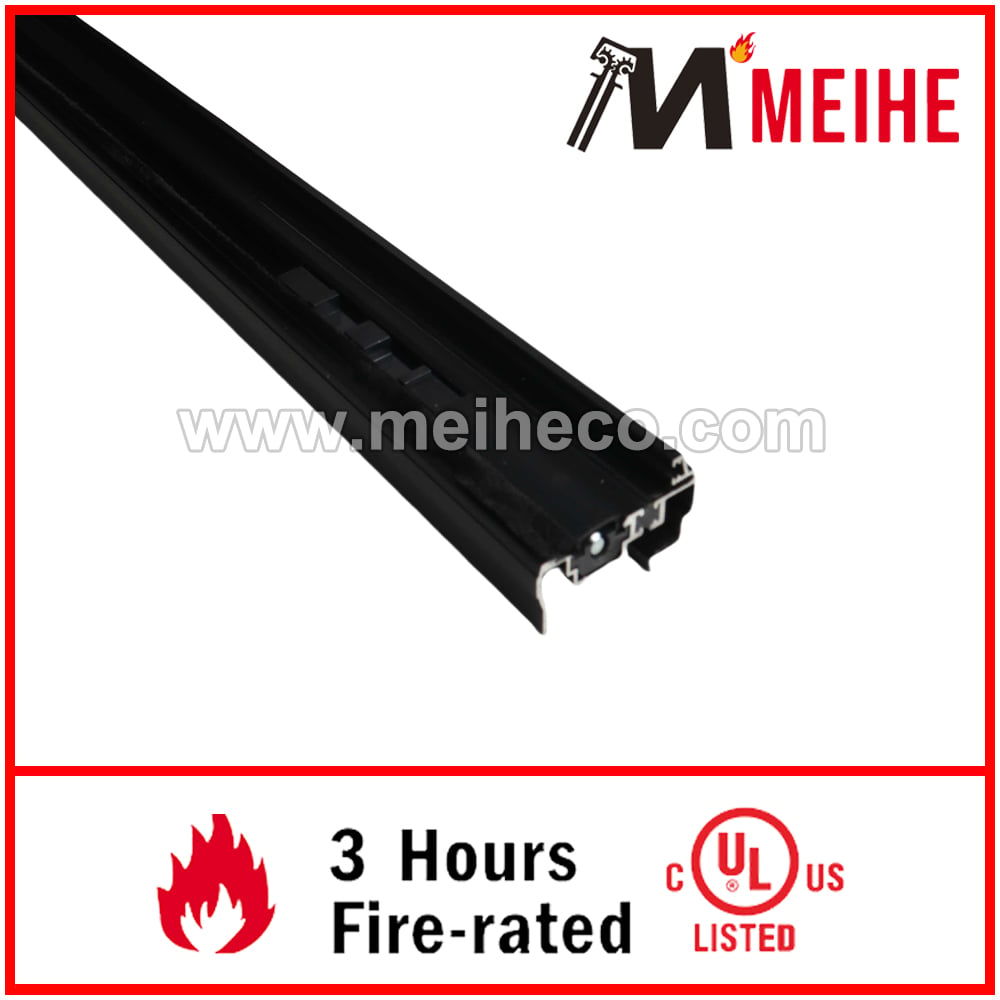
Sound transmission between adjacent rooms remains one of the most persistent challenges in commercial and residential building design. Whether you're managing a busy office environment, residential multifamily complex, or specialized facility requiring acoustic privacy, unwanted noise infiltration directly impacts productivity, comfort, and satisfaction. An astragal represents a proven acoustic solution that significantly reduces sound transfer through door openings and frame gaps. Understanding how this simple yet effective component works is essential for anyone evaluating sound insulation improvements.
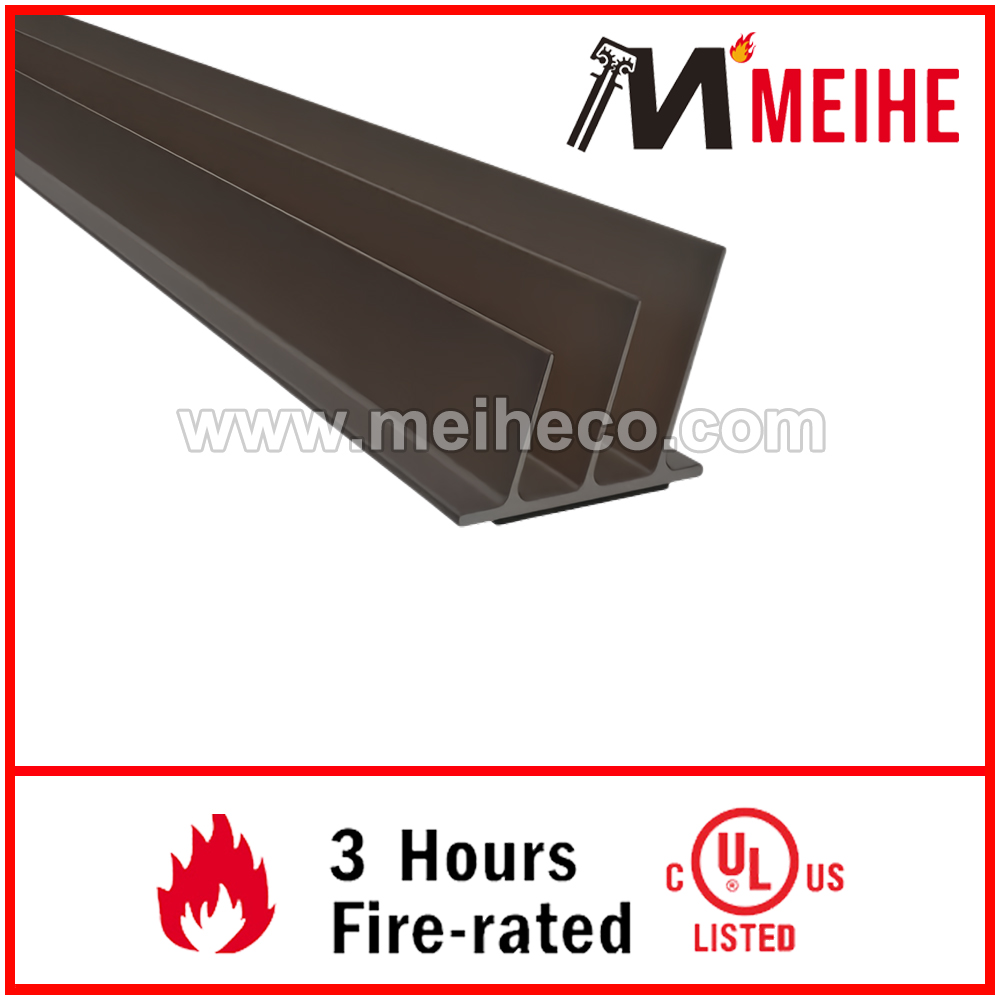
An astragal is a specialized weather stripping or gasket component installed vertically along the center where two door panels meet, or along the perimeter of door frames and window assemblies. By creating an acoustic seal that blocks sound pathways through gaps and cracks, an astragal forms a critical barrier in comprehensive acoustic design strategies. The effectiveness of an astragal depends on proper installation, material composition, and integration with the broader building envelope system.
How Astragals Create Acoustic Barriers
Sound Transmission Mechanisms Through Doors
Sound travels through multiple pathways in building assemblies. Direct transmission through solid materials, flanking transmission around edges, and airborne transmission through tiny gaps all contribute to overall noise infiltration. Standard door frames and panels, even when solid, leave microscopic and visible gaps where sound frequencies escape. An astragal blocks these escape routes by sealing the space between door panels or between a door frame and the wall perimeter. This acoustic seal creates a continuous barrier that prevents low-frequency rumble, mid-range speech patterns, and high-frequency noise from passing through.
Material Science Behind Astragal Performance
An effective astragal combines density, flexibility, and adhesive properties to absorb and dampen sound vibration. Gasket materials used in modern astragal designs often include closed-cell foam, rubber composites, or specialized polymers that excel at sound dampening. The density of an astragal material determines how much sound energy it can absorb before transmitting to the opposite side. Flexibility ensures an astragal maintains consistent contact along the entire seal, even as temperature and humidity fluctuations cause minor frame movement. Superior adhesive formulations ensure an astragal remains bonded to door frames, thresholds, and panels throughout the acoustic system's operational life.
Installation Methods and Best Practices
Selecting the Right Astragal Type
Different applications require different astragal configurations. A double-door astragal seals the junction where two door leaves meet, typically featuring a meeting stile design that accommodates traffic patterns. A perimeter astragal runs around the entire door frame opening, sealing gaps between frame and wall to prevent sound flanking. Threshold-mounted astragals address noise transmission through floor-to-frame gaps. Choosing the appropriate astragal type depends on your specific sound insulation goals, existing door configuration, and budget parameters. An astragal selected for one application may not perform equally in a different opening type.
Critical Installation Considerations
Proper installation of an astragal directly determines its acoustic performance and longevity. The surface where an astragal adheres must be clean, dry, and free from dust, paint, or contaminants that would compromise bonding. Most modern astragal products use self-adhesive backing that requires careful positioning during initial placement. Pressure application ensures complete contact between the astragal and the door frame surface. Installations must account for door operation—an astragal cannot impede opening and closing cycles. Professional installation or careful DIY application following manufacturer specifications produces superior acoustic results compared to careless mounting.
Acoustic Performance and Real-World Effectiveness
Measurable Sound Reduction Outcomes
An astragal typically reduces sound transmission by 6 to 12 decibels, depending on material specifications and installation quality. This improvement translates to meaningful acoustic benefits in practical environments. While not as comprehensive as structural wall modifications or double-door systems, an astragal represents a cost-effective upgrade that significantly improves existing door assembly performance. The actual noise reduction achieved depends on the frequency range being transmitted—an astragal performs particularly well against mid-range speech frequencies and street traffic sounds. Lower-frequency bass rumble may require combined approaches using multiple acoustic strategies alongside astragal installation.
Integration with Broader Acoustic Strategies
An astragal functions most effectively as part of a comprehensive acoustic design rather than as a standalone solution. Pairing astragal sealing with mass-loaded door panels, proper frame construction, and acoustic insulation in adjacent walls creates superior sound insulation outcomes. Building code compliance increasingly recognizes astragal installation as a standard acoustic design element in commercial spaces, healthcare facilities, and multifamily residential construction. Understanding how an astragal contributes to your overall acoustic performance helps inform investment priorities and design decisions. Effective sound insulation rarely depends on a single component but rather on strategic combinations of complementary technologies.
FAQ
Does an astragal really make a noticeable difference in sound insulation?
Yes, an astragal provides measurable acoustic improvement by sealing gaps that are primary pathways for sound transmission. Most people notice reduced speech clarity and lower overall noise levels within days of astragal installation. The actual effectiveness depends on current gaps in your door assembly and whether an astragal is the missing component in your overall acoustic system. If walls, structural elements, and other frame components are already providing significant acoustic performance, then an astragal adds the finishing touch. If your entire acoustic strategy is compromised by open gaps and poor sealing, then an astragal becomes the foundation upon which other improvements build.
Can I install an astragal on existing doors without replacement?
Most astragal products are designed for retrofit installation on existing doors, making acoustic upgrades possible without full door replacement. Self-adhesive astragal gaskets require only cleaning the frame surface and careful positioning, making professional installation unnecessary in many cases. The primary limitation is ensuring your astragal choice matches your door configuration—double doors require different astragal styles than single doors. Some doors with irregular surfaces or damage may require frame refinishing before astragal installation. Budget-conscious building managers often choose astragal retrofit upgrades as a practical acoustic improvement strategy.
What maintenance does an astragal require after installation?
An astragal requires minimal maintenance beyond occasional visual inspection to ensure proper adhesion and surface cleanliness. Accumulated dust or debris around the astragal edge can be gently wiped away with a dry or slightly damp cloth. Most quality astragal materials resist degradation from normal exposure to indoor temperature and humidity ranges. If an astragal shows signs of deterioration, peeling adhesion, or visible damage, replacement is typically straightforward and involves removing the old component and installing a new one. Routine facility maintenance protocols rarely need modification to accommodate astragal components.