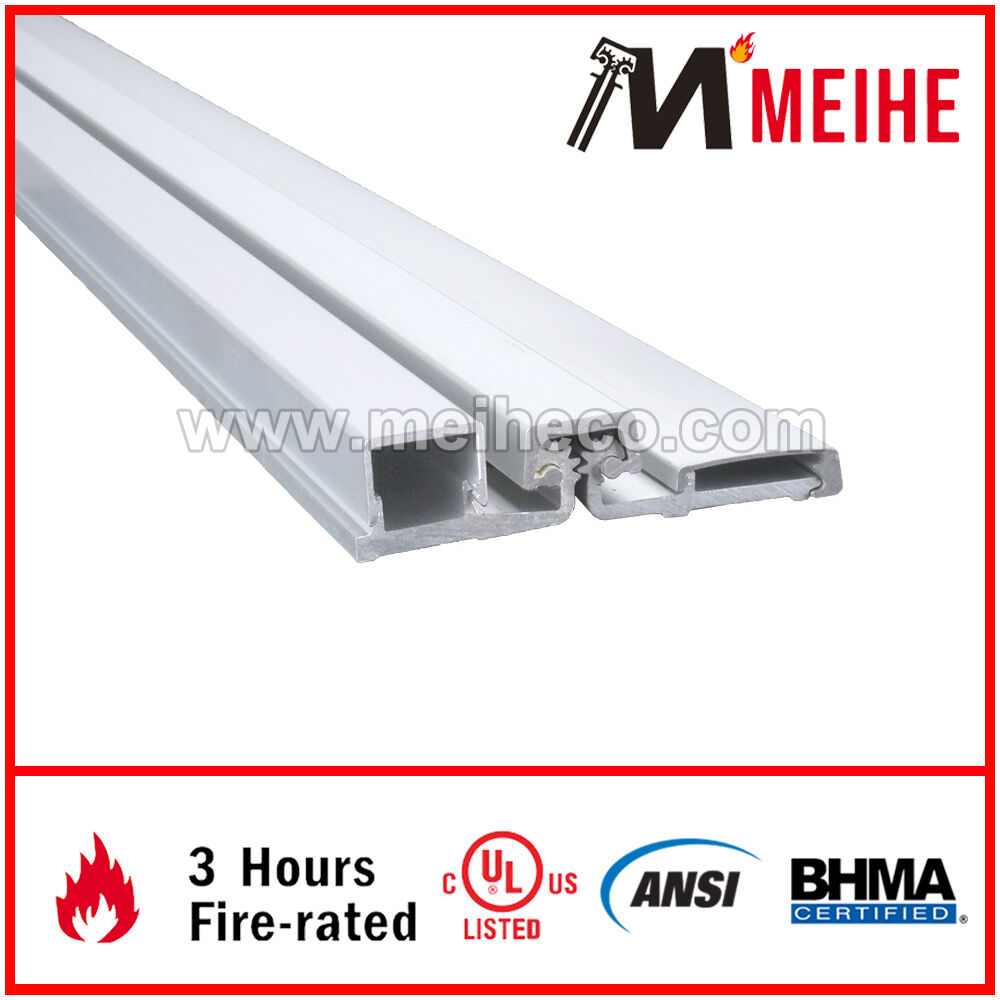
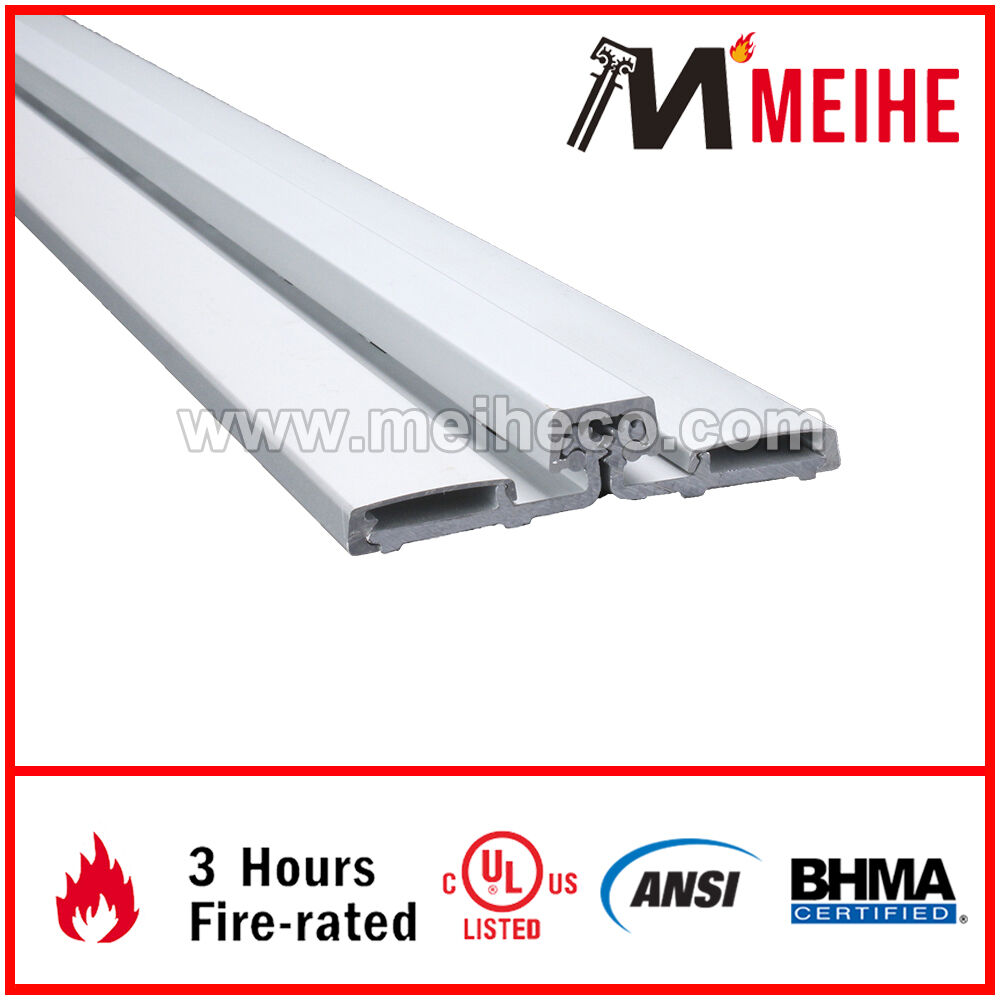
Long-Term Durability and Maintenance-Free Operation
The door finger pinch guard delivers exceptional long-term durability through advanced material selection and engineering design that withstands years of continuous use without requiring maintenance, replacement, or performance adjustments. This maintenance-free operation represents a significant advantage over alternative safety solutions that demand regular inspections, part replacements, or mechanical adjustments to maintain effectiveness. The construction utilizes industrial-grade materials specifically selected for their resistance to wear, compression set, and environmental degradation factors that typically affect safety equipment over time. The outer housing incorporates UV-resistant polymers that prevent color fading, brittleness, and material breakdown when exposed to sunlight in applications near windows or exterior doors. The internal shock-absorbing components feature closed-cell foam technology that resists moisture absorption, preventing mold growth, odor development, and structural weakening that could compromise protection capabilities. The door finger pinch guard undergoes accelerated aging tests that simulate years of normal usage, demonstrating consistent performance characteristics across extended periods that exceed typical product replacement cycles. The chemical resistance properties protect against common household cleaners, disinfectants, and maintenance products that might contact the device during routine cleaning operations, ensuring longevity in environments where hygiene protocols require frequent sanitization. The mechanical attachment system incorporates corrosion-resistant fasteners and adhesive formulations that maintain bond strength despite humidity fluctuations, temperature cycling, and mechanical stress from door operations. The design eliminates moving parts, springs, or mechanisms that typically require lubrication or adjustment, creating a passive safety system that continues operating effectively without user intervention or scheduled maintenance procedures. This durability advantage translates into long-term cost savings as property owners avoid replacement expenses, service calls, and the inconvenience of safety system failures that could expose occupants to injury risks during repair periods.
 ×
×


 EN
EN