Automatic Door Bottom: Features and Benefits

Get a Free Quote

Our representative will contact you soon.
Email
Name
Mobile
Company Name
Message
0/1000

automatic door bottom

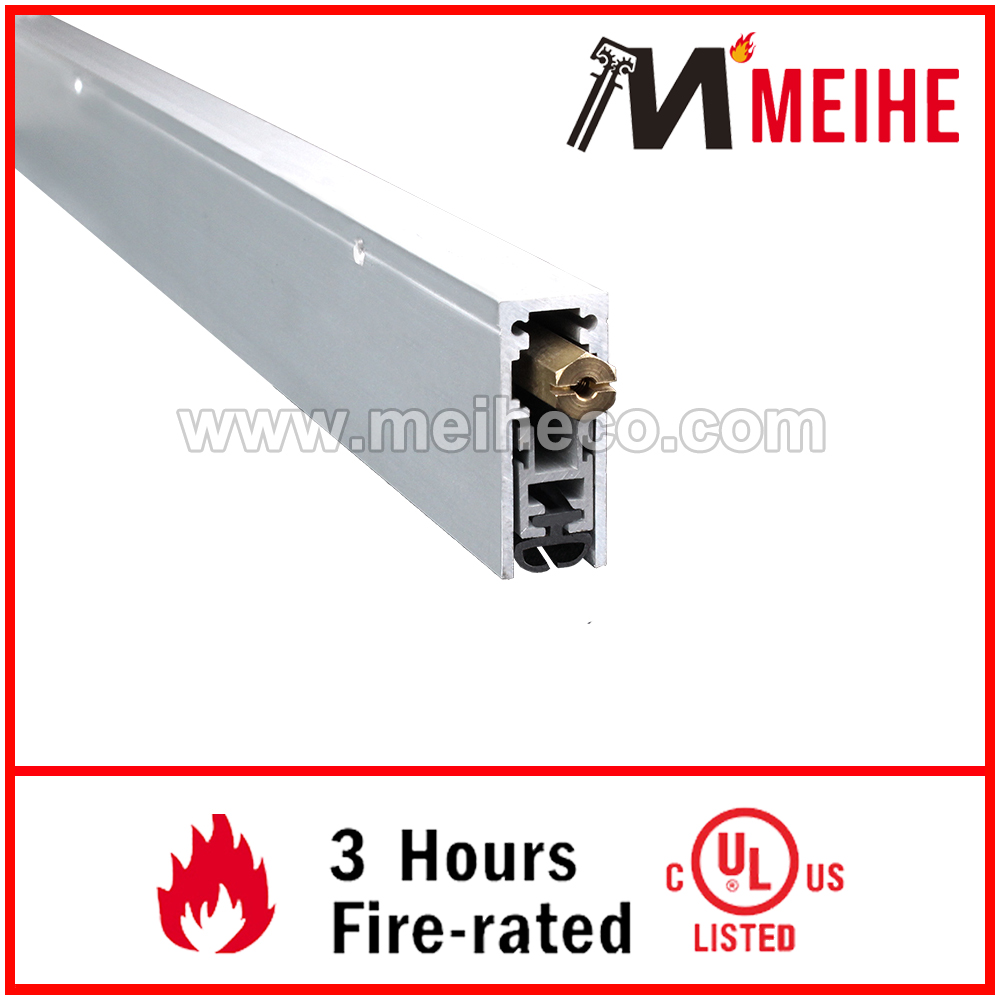
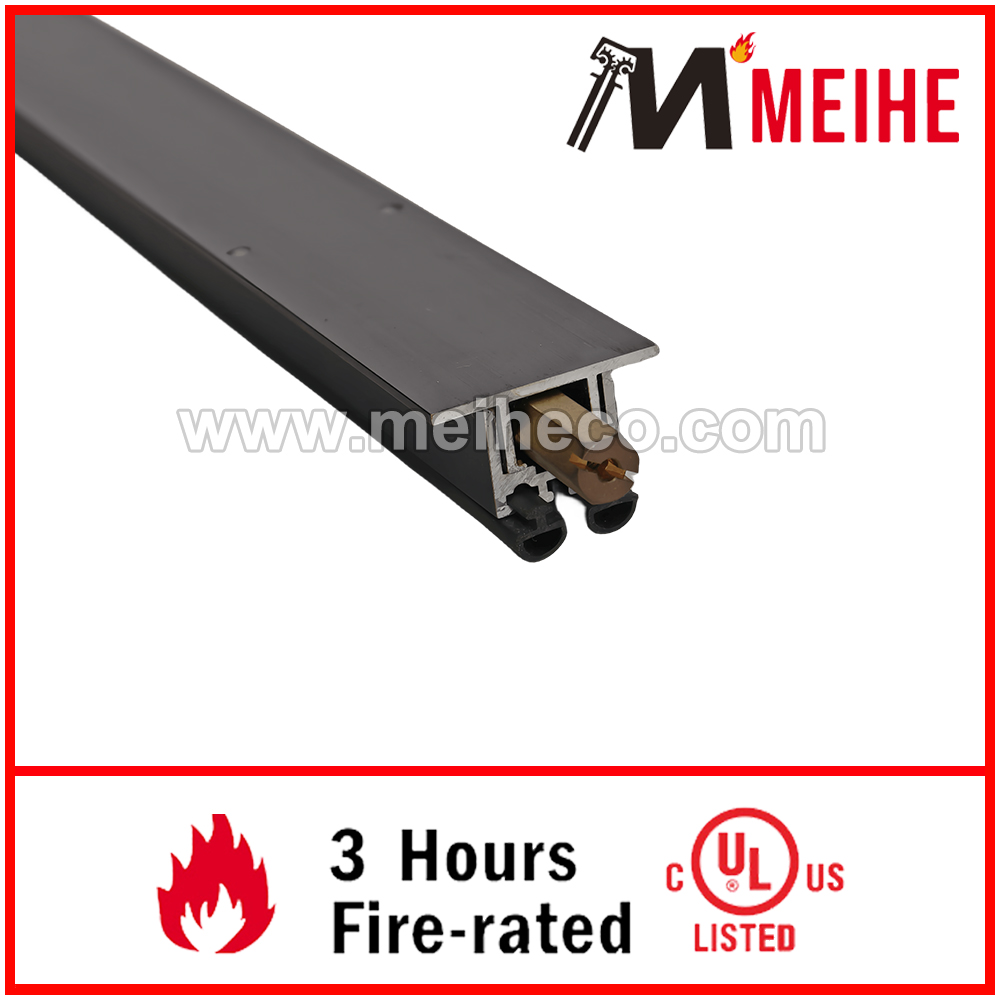
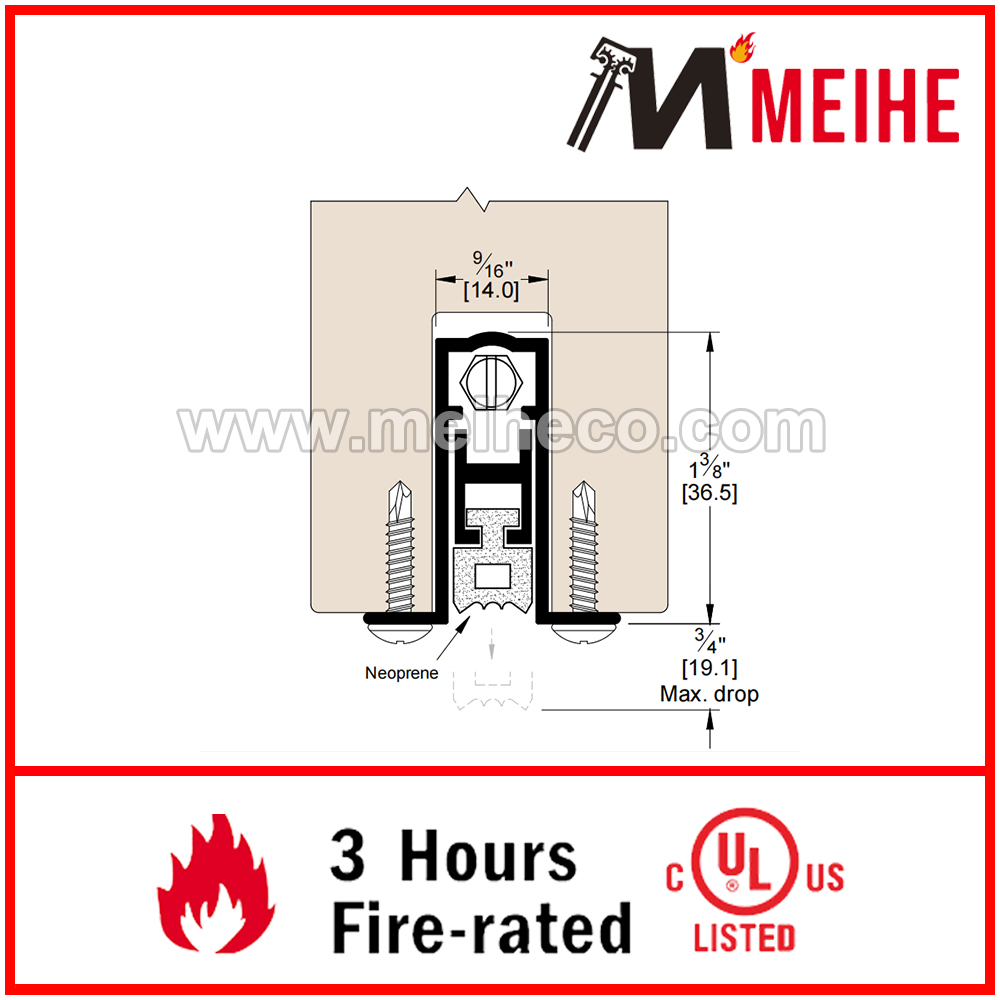
An automatic door bottom is a concealed sealing device fitted to the lower edge of a door. It drops a flexible seal when the door closes and lifts it when the door opens. This automatic door bottom blocks unwanted gaps without dragging across the floor, so the door remains easy to operate. An automatic door bottom can reduce drafts, outside noise, smoke movement, dust, light leakage, and pest entry, depending on the selected model and surrounding door construction. The automatic door bottom usually uses a spring-loaded mechanism, a trigger button, or an adjustable actuator that contacts the frame as the door shuts. Some models include a ramp, while others use a side-mounted release system for smoother, quieter movement. Because an automatic door bottom works only when needed, it creates less friction and wear than a fixed threshold seal. Many automatic door bottom designs fit timber, metal, glass, fire-rated, acoustic, and interior doors. A properly selected automatic door bottom can also support accessibility because it does not create a permanent raised barrier under the leaf. Unlike a brush strip or adhesive gasket, the automatic door bottom stays protected inside its housing during normal use. When the automatic door bottom is closed, its seal presses evenly against the floor or threshold to improve coverage. For renovation work, an automatic door bottom can often be routed into an existing door or installed in a prepared channel. Buyers should check door thickness, seal length, operating clearance, floor level, fire requirements, and acoustic goals before choosing a model. The right automatic door bottom provides discreet protection while preserving a clean door appearance.

New Product Releases

The main advantage of an automatic door bottom is practical gap control without making the door difficult to use. When the door opens, the seal retracts, so it does not scrape over carpet, tile, wood, or uneven flooring. When the door closes, the automatic door bottom forms a consistent contact line that helps improve comfort and room separation. This action can lower cold drafts in offices, bedrooms, hotels, hospitals, and commercial interiors. It may also help contain conditioned air, allowing heating and cooling systems to work more efficiently. In noisy settings, an automatic door bottom supports privacy by reducing the path through which sound travels. It can also limit light around dark rooms and help slow smoke transfer when the complete door assembly meets the required standard. Unlike a loose draft stopper, an automatic door bottom stays attached to the door and operates without daily adjustment. That gives customers a neater appearance and fewer parts to replace or reposition. The product suits new construction, door upgrades, accessibility projects, and repair programs. Installers can select surface-mounted versions for quick fitting or concealed versions for a cleaner finish. A quality automatic door bottom also offers useful adjustment, allowing the seal to match small changes in floor height. This feature matters in buildings where settlement, new flooring, or renovation has changed the gap. Buyers should confirm material quality, release direction, seal durability, size, and installation method before ordering. For frequent-use entrances, a robust automatic door bottom can reduce service interruptions because the sealing element remains protected while the door moves. For low-use rooms, a simpler model may deliver adequate value at a lower cost. Choosing the right automatic door bottom therefore balances performance, appearance, door type, installation effort, and budget rather than relying on price alone.

Practical Tips

How Automatic Door Bottoms Improve Thermal Barrier for Entrances

28

Aug

How Automatic Door Bottoms Improve Thermal Barrier for Entrances

Building entrances represent a critical point where thermal control directly impacts operational efficiency and occupant comfort. An automatic door bottom serves as an essential component that bridges the gap between the door frame and floor, creatin...
View More
Can Continuous Geared Hinges Reduce Door Squeaking Noise

22

Sep

Can Continuous Geared Hinges Reduce Door Squeaking Noise

Door squeaking is one of the most persistent and irritating problems in commercial and industrial buildings. When entrance doors, fire doors, or corridor doors squeak repeatedly, it disrupts the environment, creates an unprofessional atmosphere, and ...
View More
How Continuous Door Hinges Handle Heavy Traffic in Commercial Spaces

22

Sep

How Continuous Door Hinges Handle Heavy Traffic in Commercial Spaces

Commercial spaces demand door hardware that can withstand relentless daily use without compromising safety or functionality. A continuous door hinge represents one of the most effective solutions for managing high-traffic environments, from hospitals...
View More
What Signs Show Astragals Need Replacement

29

Oct

What Signs Show Astragals Need Replacement

An astragal is a critical sealing component found on double doors and sliding door systems, designed to reduce air and water infiltration while minimizing sound transmission. Over time, your astragal will experience wear and degradation from constant...
View More

Get a Free Quote

Our representative will contact you soon.
Email
Name
Mobile
Company Name
Message
0/1000

automatic door bottom

Reliable Draft and Sound Control

Reliable Draft and Sound Control

A strong automatic door bottom closes one of the most common weak points in a room: the gap beneath the door. As the leaf reaches its closed position, the automatic door bottom lowers its flexible seal and follows the floor with steady pressure. This design helps reduce cold air, corridor noise, cooking odors, dust, and unwanted light moving between spaces. The result is a more comfortable room and better privacy without adding a bulky threshold. For offices, meeting rooms, bedrooms, studios, and treatment areas, this automatic door bottom can make separation more noticeable during everyday use. Buyers should match the seal material and compression range to the expected gap. A model with a durable silicone or rubber seal may suit frequent operation, while a softer option can provide gentle contact on finished floors. The automatic door bottom retracts when open, protecting the seal from constant abrasion and helping preserve its performance over time.
Smooth, Protected Door Operation

Smooth, Protected Door Operation

A key selling point is the way an automatic door bottom combines sealing performance with effortless movement. A fixed strip can catch on rugs, scrape hard flooring, or become damaged when a door swings. By contrast, an automatic door bottom remains inside its channel while the door is open. The seal extends only during the final closing movement, then retracts as soon as the door moves away. This arrangement protects the sealing edge and helps users open the door with less resistance. It works well in homes, hotels, schools, healthcare rooms, and busy commercial spaces where people operate doors many times each day. An automatic door bottom also supports a clean visual design because the mechanism can sit inside the lower rail or behind a discreet cover. Adjustable activation lets installers set the release point for different frames and floor conditions. Customers gain dependable function without sacrificing appearance, access, or normal door speed.
Flexible Fit for New and Existing Doors

Flexible Fit for New and Existing Doors

An automatic door bottom can support both planned construction and practical renovation. Concealed versions fit into a routed channel in timber or composite doors, while surface models attach to the lower face when faster installation matters. This range gives buyers more freedom when upgrading existing rooms or specifying doors for a new project. The automatic door bottom can be ordered in different lengths, finishes, seal profiles, and operating directions, helping it suit single doors, paired leaves, fire doors, acoustic doors, and interior partitions. Before purchase, measure the door width, thickness, bottom clearance, frame position, and floor variation. Correct sizing prevents weak contact or excessive compression. In a fire or smoke application, the automatic door bottom must be part of a tested and approved door assembly; it should not be treated as a standalone safety solution. With proper selection, the automatic door bottom delivers a discreet upgrade that improves comfort, privacy, and room control while minimizing changes to the surrounding structure.

Get a Free Quote

Our representative will contact you soon.
Email
Name
Mobile
Company Name
Message
0/1000