
 EN
EN



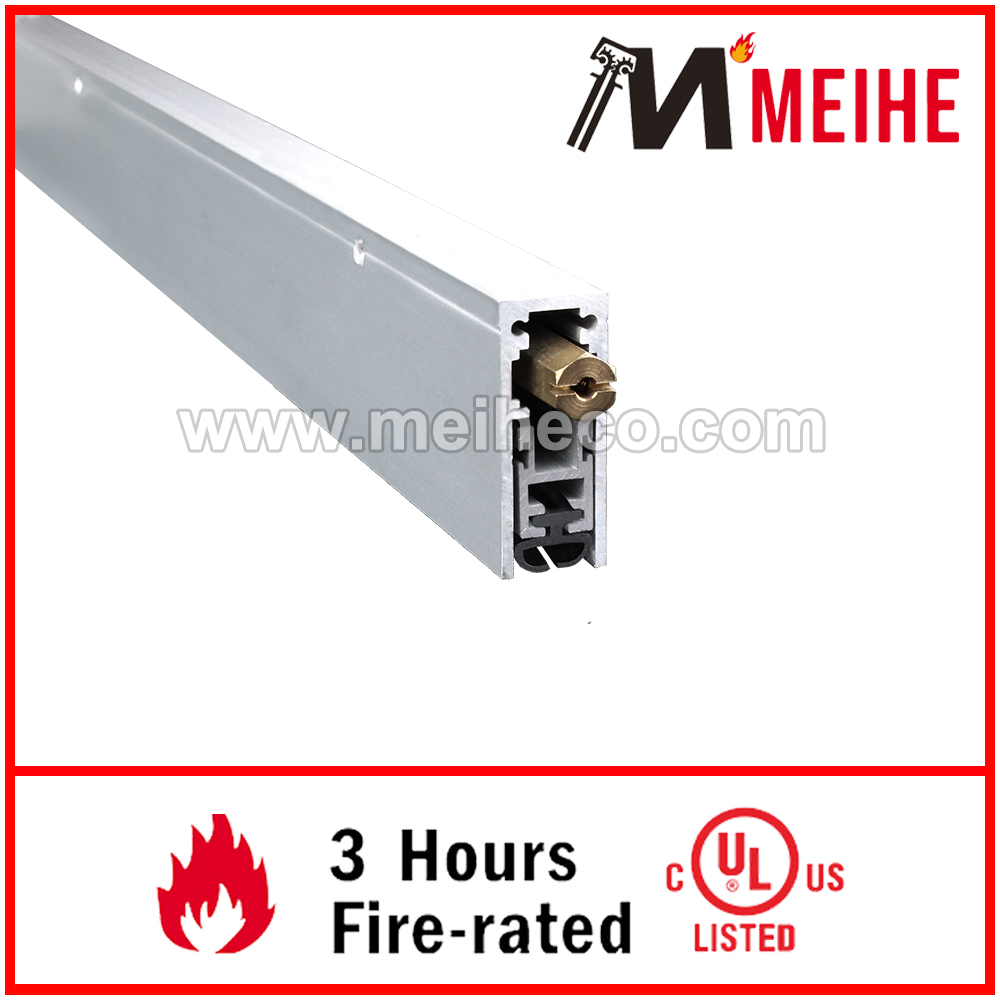
Building entrances represent a critical point where thermal control directly impacts operational efficiency and occupant comfort. An automatic door bottom serves as an essential component that bridges the gap between the door frame and floor, creating a continuous thermal barrier that prevents unwanted heat transfer and air infiltration. This specialized hardware automatically seals the gap when the door closes and retracts when the door opens, maintaining consistent thermal performance without requiring manual adjustment.
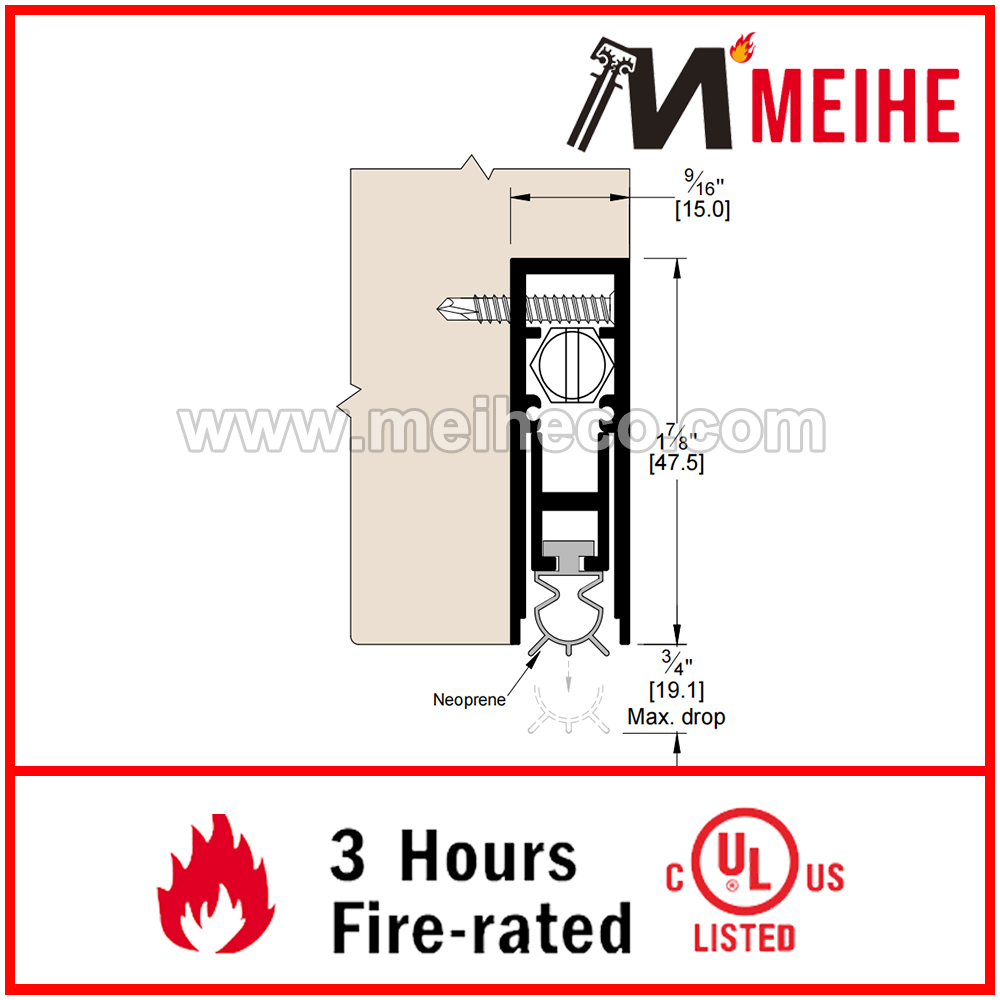
The thermal barrier function of an automatic door bottom extends far beyond simple weatherproofing. When properly installed, this component actively reduces the convective currents that normally occur at entry points, lowering heating and cooling loads while maintaining the building's thermal envelope integrity. For facility managers and building owners focused on energy efficiency, understanding how an automatic door bottom improves thermal barriers can lead to measurable cost savings and enhanced building performance.
How Automatic Door Bottoms Create Thermal Barriers
The Mechanical Sealing Function
An automatic door bottom operates through a simple yet effective mechanical principle. When a door is in the closed position, the automatic mechanism lowers a seal or brush strip to fill the gap between the door and the threshold. This seal compresses tightly against the floor surface, effectively eliminating the pathway through which outdoor air and temperature gradients can penetrate the building envelope. The automatic door bottom maintains consistent contact pressure throughout its length, preventing weak spots where thermal bypass could occur.
The efficiency of the thermal barrier depends on the quality of the sealing material used in the automatic door bottom. High-performance gasket materials and brush seals provide superior compression resistance and durability, ensuring that the thermal barrier remains effective throughout the product's lifespan. Unlike static weatherstripping that can compress over time and lose effectiveness, an automatic door bottom actively maintains seal compression through its mechanical system.
Energy Impact and Air Infiltration Reduction
Air infiltration through door openings represents one of the largest sources of uncontrolled thermal loss in commercial and institutional buildings. An automatic door bottom can reduce air infiltration by up to 90 percent compared to doors equipped only with passive seals or no seals at all. This dramatic reduction in air leakage directly translates to lower heating and cooling demands, particularly in facilities that experience frequent door openings or maintain significant indoor-outdoor temperature differentials.
The thermal barrier created by an automatic door bottom prevents the formation of thermal bridges at the door threshold. Without effective sealing, cold air sinking near the entry point creates drafts and comfort issues while forcing HVAC systems to work harder to maintain temperature setpoints. By deploying an automatic door bottom, facilities eliminate this thermal pathway, stabilizing indoor conditions and reducing the seasonal energy penalty associated with entry door operation.
Installation and Material Considerations for Maximum Thermal Performance
Threshold Design and Seal Compatibility
The effectiveness of an automatic door bottom thermal barrier depends significantly on compatible threshold design. The floor surface must be smooth and level to allow the seal component of the automatic door bottom to make full contact across its entire width. Uneven thresholds or damaged floor surfaces create gaps that compromise the thermal barrier function, allowing air infiltration to bypass the automatic mechanism.
Material selection for the automatic door bottom seal component directly influences thermal performance longevity. Premium gasket materials such as EPDM rubber or closed-cell foam maintain their compressive properties through extended temperature cycles and mechanical cycling. These materials resist deterioration from UV exposure, moisture, and oxidation, ensuring that the automatic door bottom continues delivering consistent thermal barrier protection for fifteen years or longer in well-maintained installations.
Maintenance and Long-Term Thermal Effectiveness
Proper maintenance of an automatic door bottom preserves its thermal barrier capabilities throughout its service life. Regular inspection of the seal component ensures that debris, dirt, or accumulated material has not compromised the sealing surface. When the automatic door bottom mechanism is kept clean and the seal material remains flexible and undamaged, thermal performance remains stable and reliable.
The mechanical components of an automatic door bottom require periodic lubrication and adjustment to maintain proper seal engagement. When the lift mechanism becomes stiff or the seal mounting bracket shifts out of alignment, the automatic door bottom may fail to achieve complete contact with the floor, weakening the thermal barrier. Scheduling annual maintenance inspections prevents these performance degradation issues and extends the thermal barrier lifespan significantly.
Commercial and Institutional Building Applications
Climate Control in High-Traffic Facilities
Hospitals, laboratories, and data centers depend on precise climate control to maintain operational requirements and protect sensitive materials or equipment. An automatic door bottom serves these facilities by preventing uncontrolled air mixing between climate-controlled interior spaces and variable external conditions. In pharmaceutical production areas where environmental specifications are critical, the thermal barrier created by an automatic door bottom helps maintain compliance with regulatory standards for temperature and humidity control.
Educational and government facilities with multiple entry points benefit substantially from implementing automatic door bottom technology. When a facility maintains dozens of entry doors with high daily usage, the cumulative thermal loss from uncontrolled infiltration becomes a major operational cost driver. Installing an automatic door bottom at each entry point creates a systematic approach to thermal barrier improvement, reducing annual HVAC energy consumption by measurable percentages across the entire facility.
Cold Storage and Specialized Environments
Cold storage facilities and refrigerated warehouses face extreme thermal challenges where any gap in the building envelope directly impacts product quality and operational costs. An automatic door bottom designed specifically for cold environment application must withstand repeated thermal cycling and maintain seal flexibility at subzero temperatures. The automatic mechanism prevents the manual door operator error that often occurs when staff fail to properly engage conventional seals in fast-paced warehouse operations.
Loading dock doors and shipping entrances represent critical thermal barrier points in distribution facilities. An automatic door bottom integrated into high-speed or roll-up door systems creates an active seal that adapts to door movement patterns and maintains thermal integrity despite frequent opening and closing cycles. This continuous thermal barrier function protects inventory from temperature fluctuations and maintains efficient HVAC operation in surrounding facility areas.
FAQ
What is the primary thermal benefit of an automatic door bottom?
The primary thermal benefit of an automatic door bottom is reducing air infiltration through the door-to-floor gap, which can account for significant heating and cooling losses. By automatically sealing this gap when the door closes, an automatic door bottom creates a continuous thermal barrier that prevents convective air movement and maintains building interior temperature stability. This thermal barrier function typically reduces uncontrolled air infiltration by 80 to 90 percent compared to unsealed or passively sealed doors.
How long does an automatic door bottom maintain its thermal barrier effectiveness?
A properly maintained automatic door bottom continues providing consistent thermal barrier performance for 15 to 20 years in typical commercial applications. The lifespan depends on seal material quality, environmental conditions, and maintenance frequency. Regular inspection and cleaning of the automatic door bottom seal component helps prevent premature degradation and extends thermal barrier effectiveness throughout the product's service life.
Can an automatic door bottom be retrofitted to existing doors?
Yes, an automatic door bottom can typically be retrofitted to existing doors when the door and frame structure are compatible with the automatic door bottom installation requirements. The retrofit process involves removing the existing weatherstrip or seal, installing the automatic mechanism on the door bottom edge, and adjusting the mechanism to ensure proper seal engagement with the threshold. Retrofitting an automatic door bottom provides existing facilities with thermal barrier improvements without requiring complete door replacement.