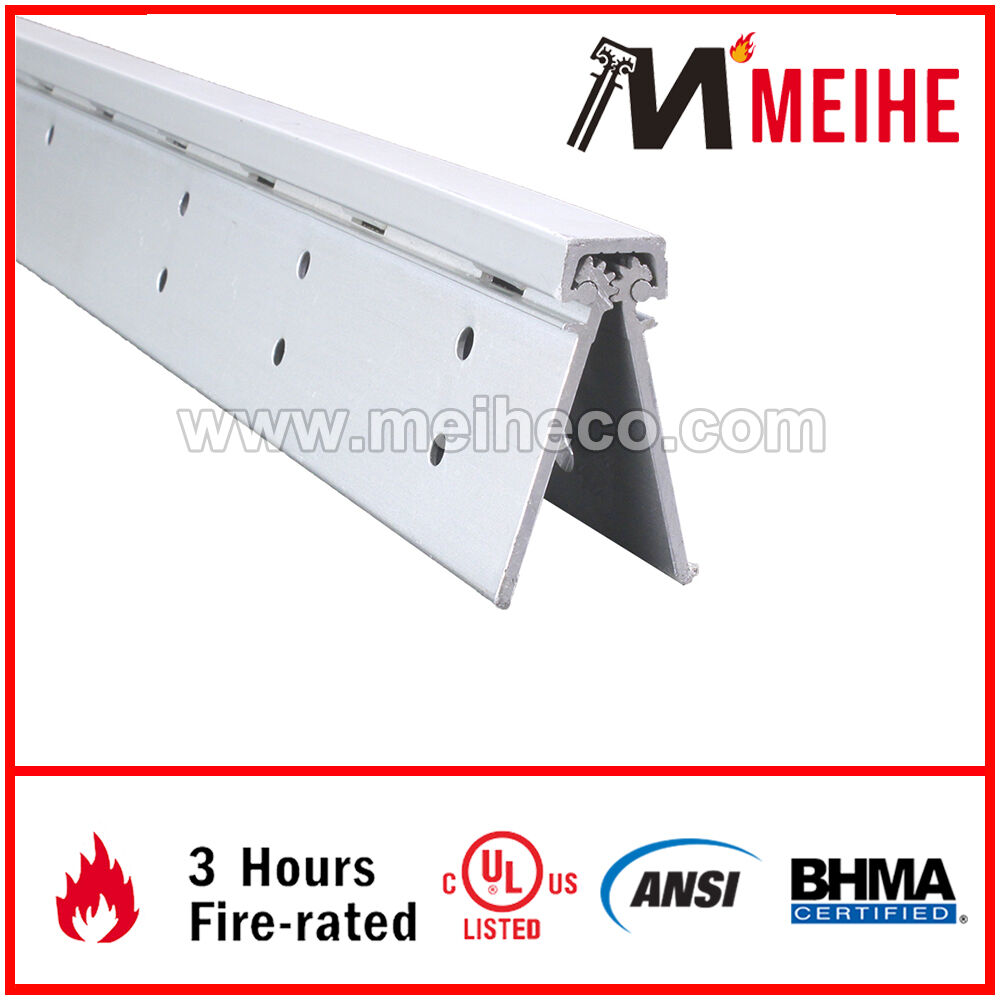
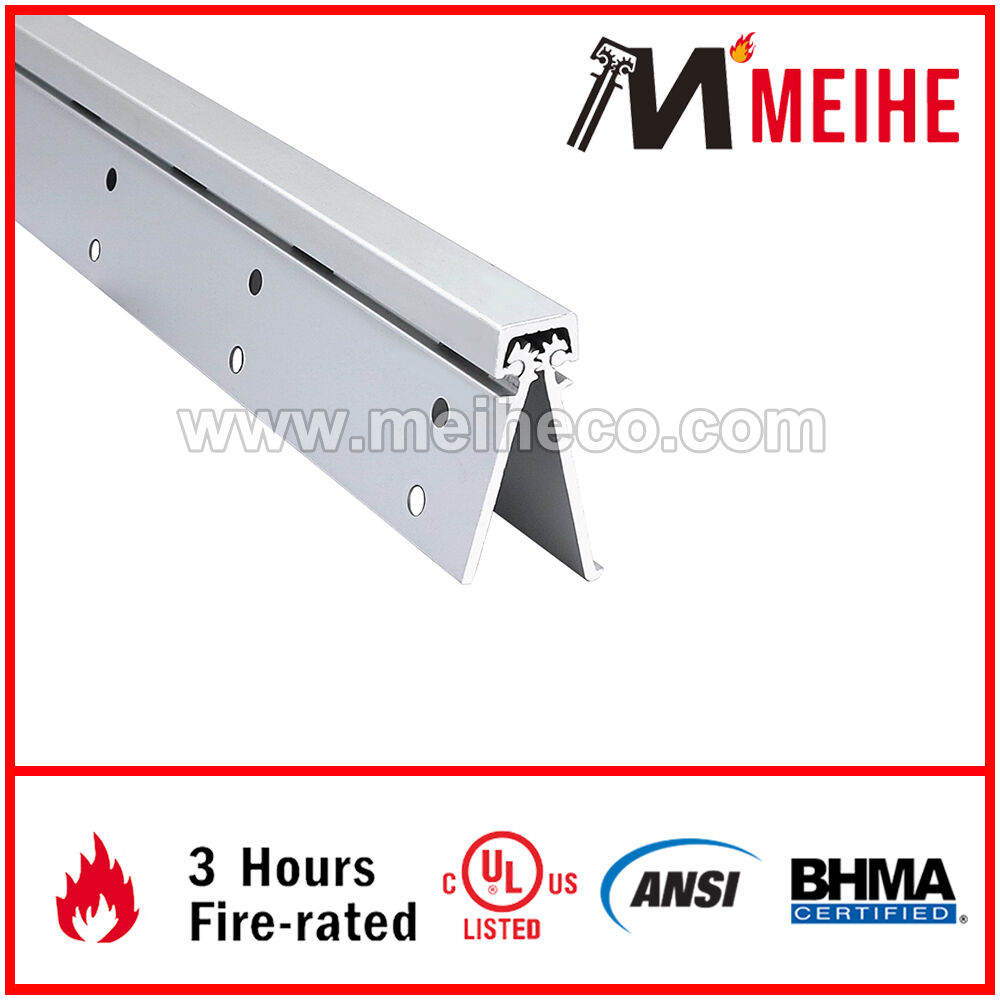
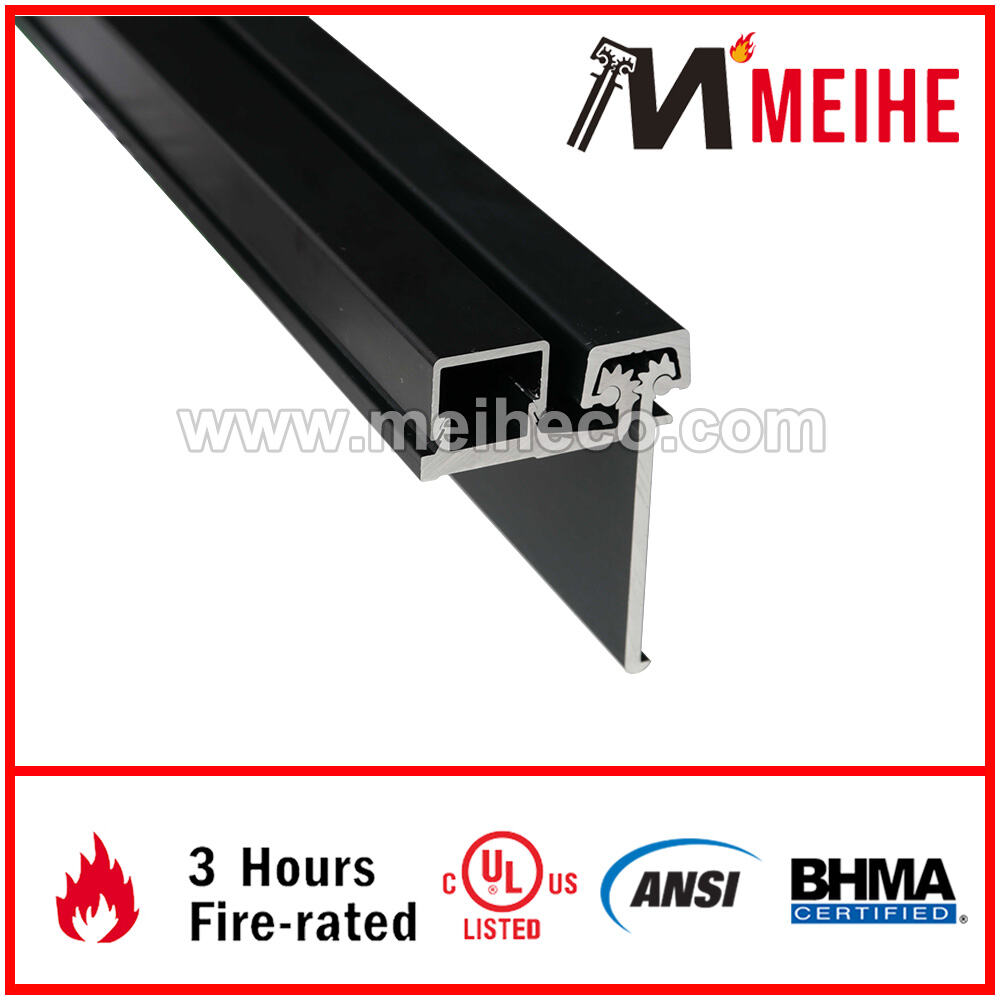
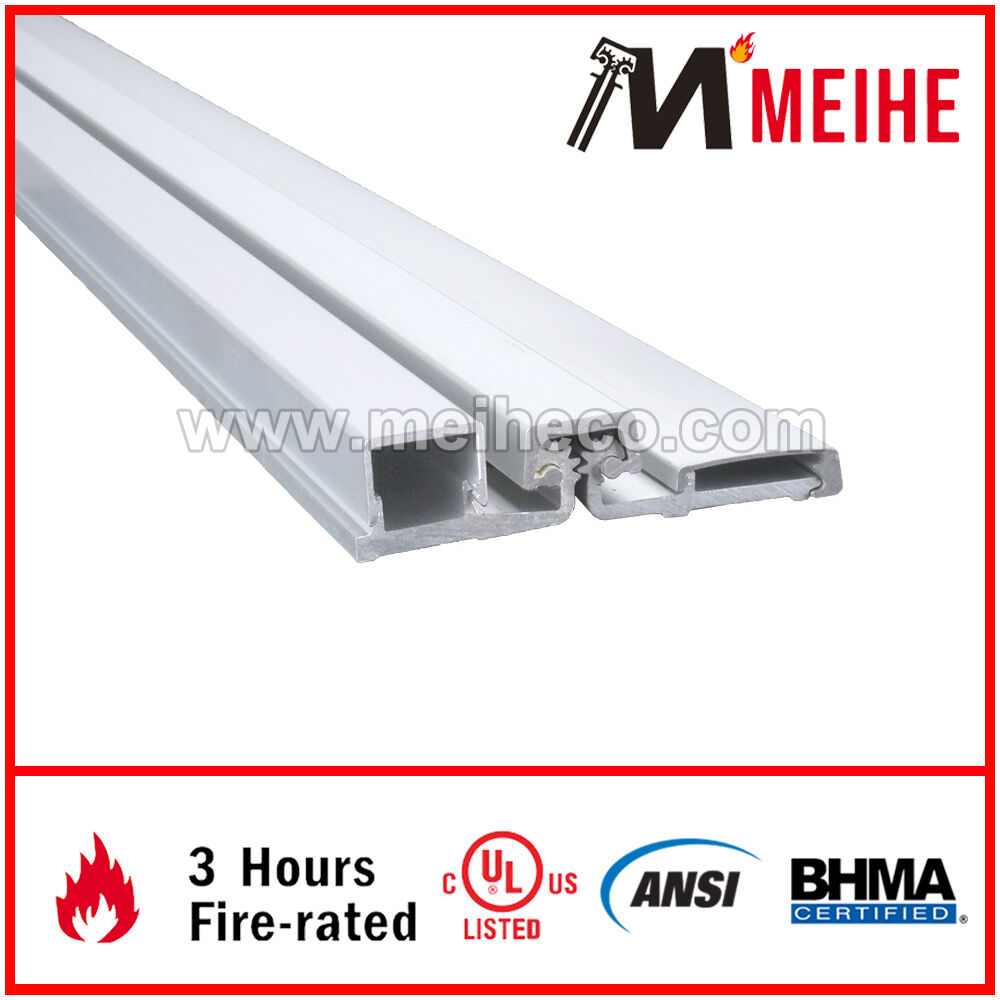
aluminium threshold
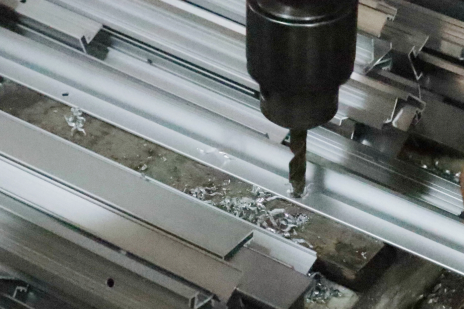
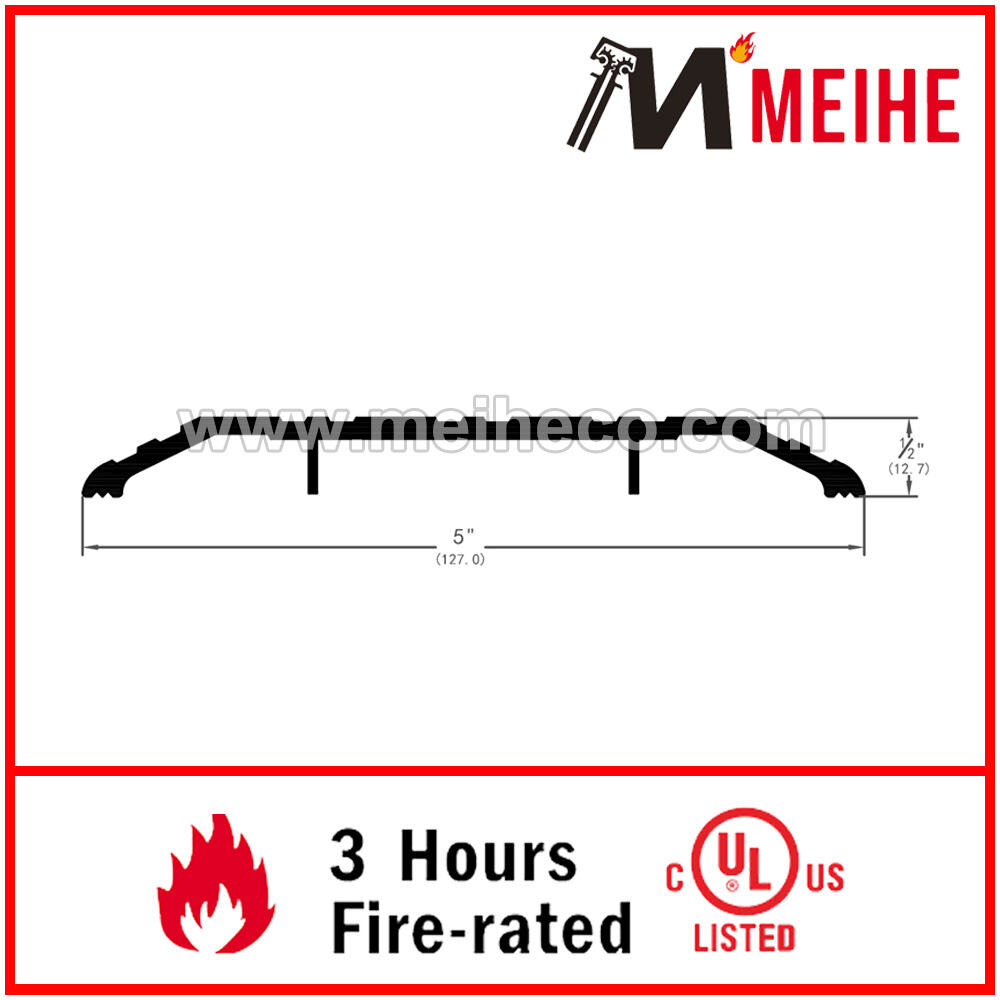
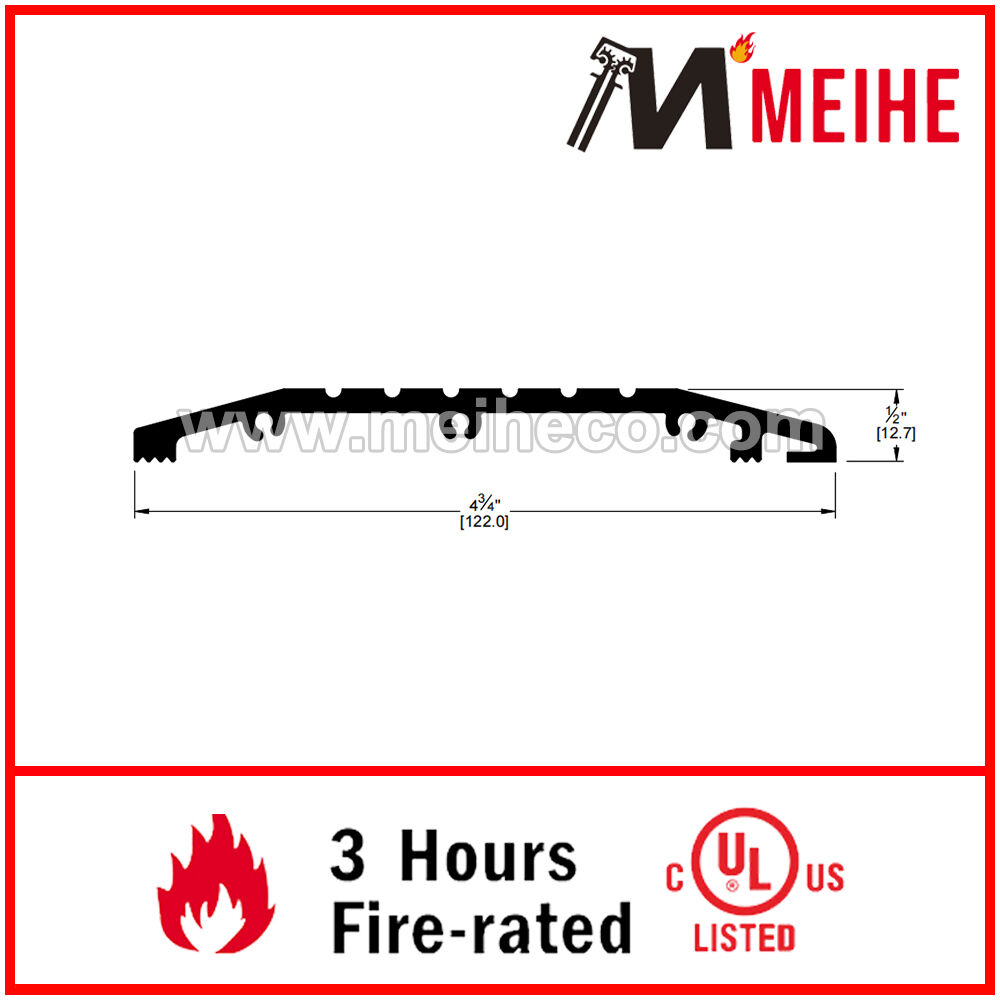
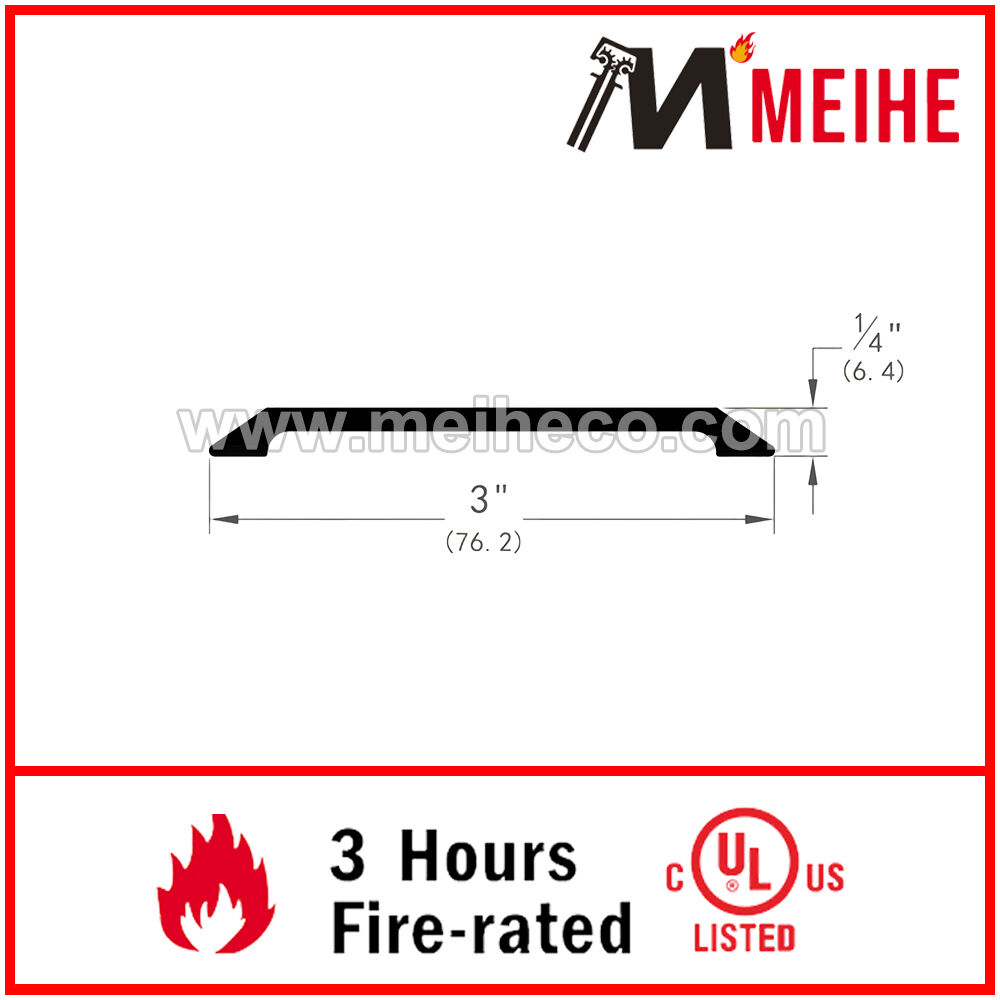
The aluminium threshold represents a critical architectural component that serves as the transition element between different flooring surfaces, room areas, or indoor and outdoor spaces. This essential building element combines structural integrity with aesthetic appeal, making it an indispensable part of modern construction and renovation projects. The aluminium threshold functions primarily as a protective barrier that covers the joint between two floor surfaces, preventing moisture infiltration, dust accumulation, and structural damage while providing a smooth, safe transition for foot traffic. Its strategic placement at doorways, room entrances, and exterior access points ensures seamless movement between spaces while maintaining the building's weatherproofing capabilities. The technological features of the aluminium threshold include precision-engineered profiles that accommodate various flooring heights and materials. Advanced manufacturing processes create profiles with integrated drainage channels, thermal breaks, and adjustable height mechanisms. The aluminium construction utilizes high-grade alloys that resist corrosion, weathering, and mechanical stress while maintaining dimensional stability across temperature variations. Surface treatments such as anodizing, powder coating, and mill finishing enhance both durability and visual appearance. The aluminium threshold applications span residential, commercial, and industrial sectors. In residential settings, these thresholds serve entryways, patio doors, bathroom transitions, and room-to-room connections. Commercial applications include office buildings, retail spaces, hospitals, and educational facilities where heavy foot traffic demands robust performance. Industrial environments utilize specialized aluminium threshold designs that withstand chemical exposure, extreme temperatures, and heavy equipment movement. The versatility of aluminium threshold systems accommodates diverse architectural styles, from contemporary minimalist designs to traditional decorative profiles. Installation flexibility allows for surface mounting, recessed installation, or integrated construction methods, adapting to various construction requirements and existing building conditions.
 ×
×


 EN
EN