aluminum threshold
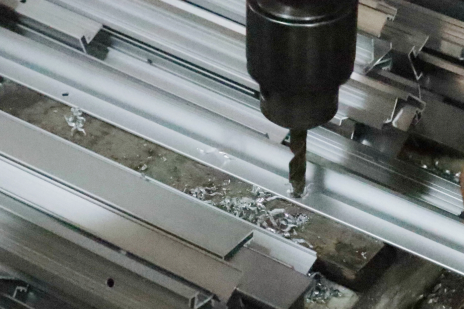
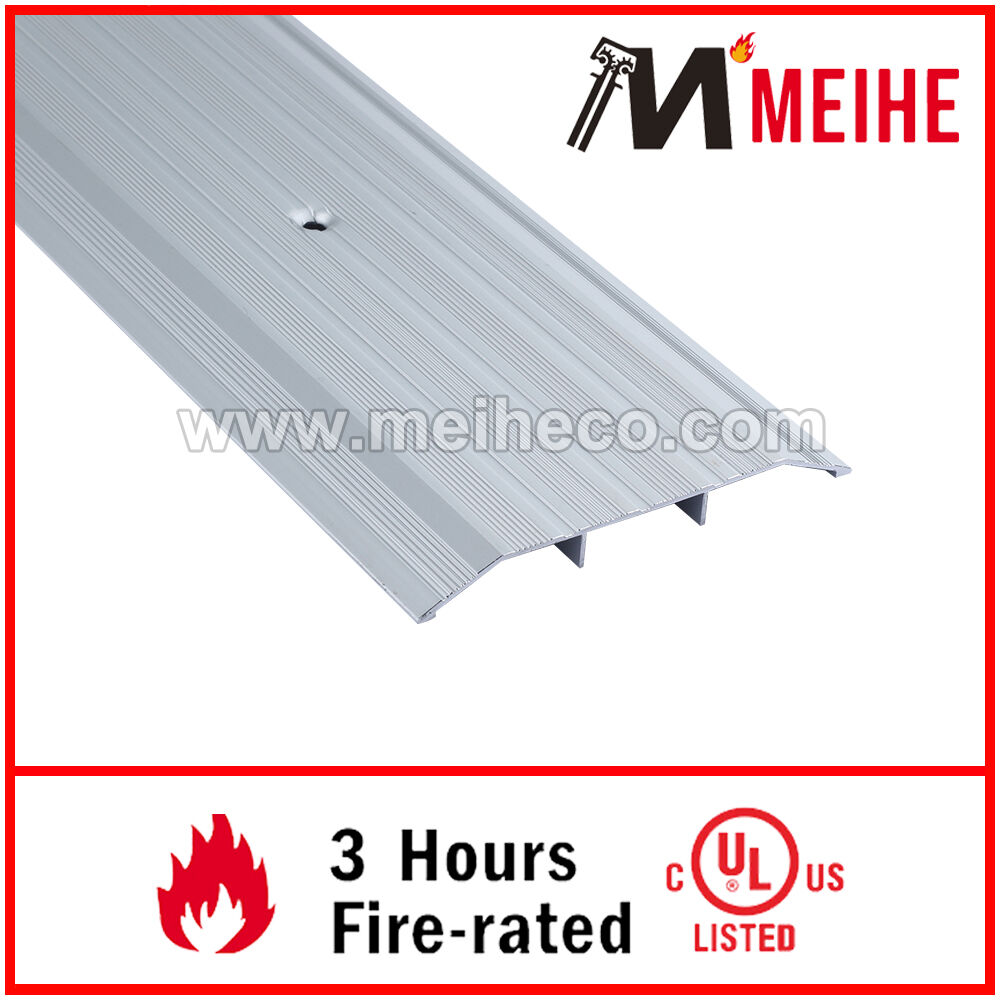
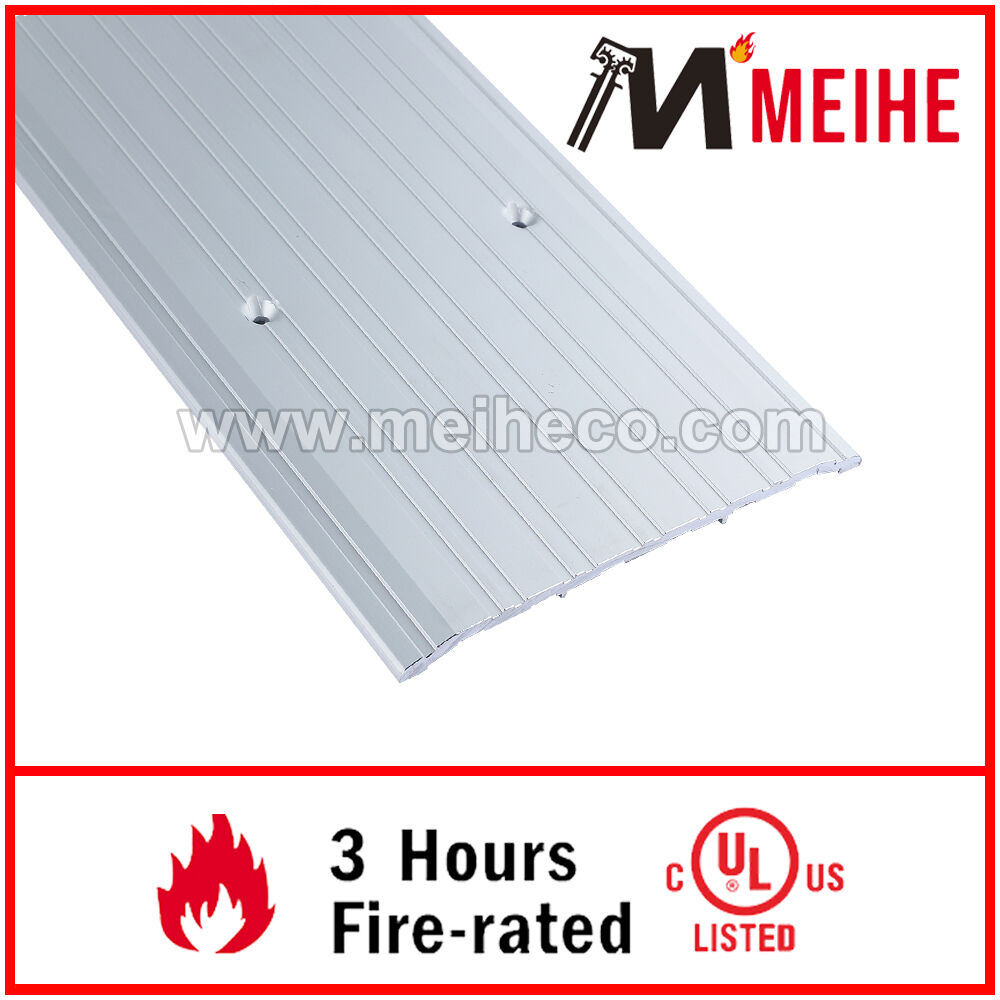
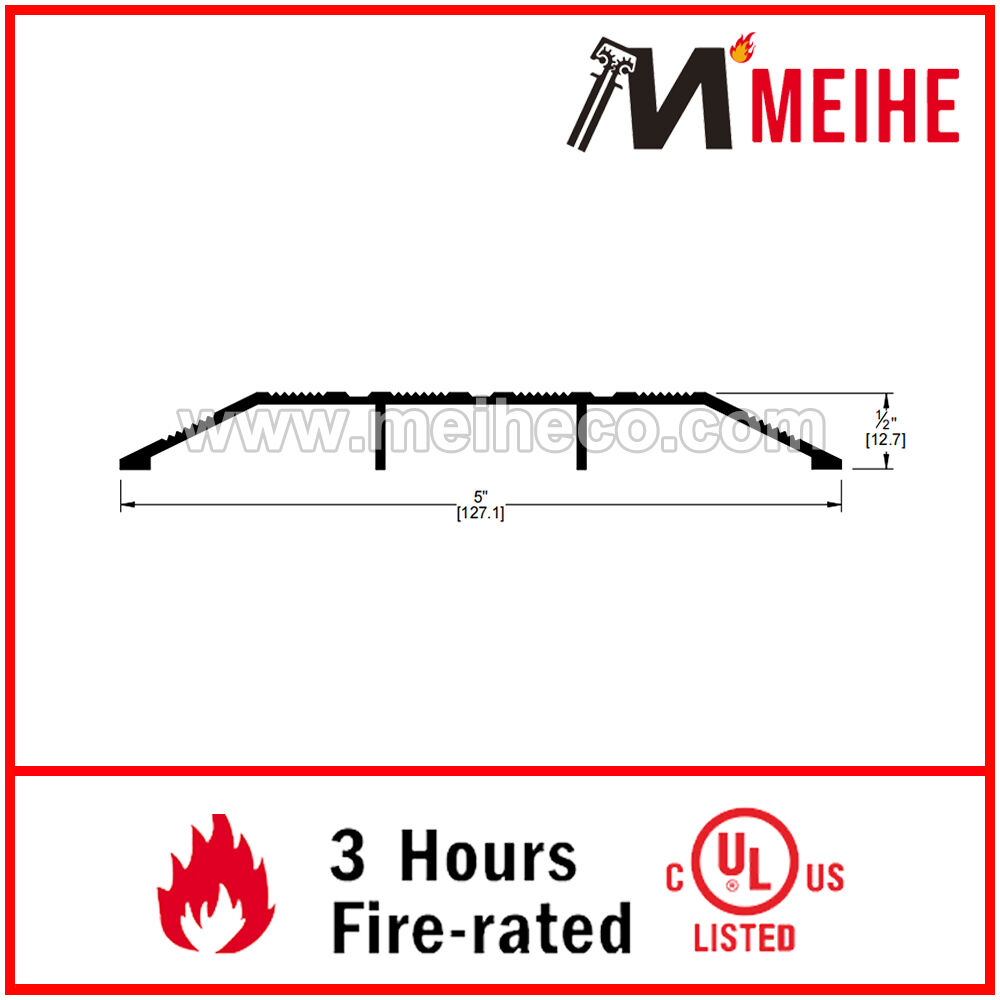
An aluminum threshold serves as a crucial transitional component in construction and architecture, designed to bridge the gap between different flooring materials or create a seamless connection between interior and exterior spaces. This essential building element combines functionality with aesthetic appeal, making it an indispensable part of modern construction projects. The aluminum threshold primarily functions as a weatherproofing barrier, preventing water infiltration, air leaks, and debris from entering interior spaces through door openings. Its strategic placement at doorways and transitions ensures structural integrity while maintaining visual continuity throughout a building. Technologically, the aluminum threshold incorporates advanced manufacturing processes that create precise profiles designed for optimal performance. The extrusion process allows for complex geometries that accommodate various installation requirements, including different floor heights, expansion joints, and weatherproofing needs. Modern aluminum thresholds feature integrated drainage systems, thermal breaks, and compression seals that enhance their protective capabilities. The surface treatments applied to aluminum thresholds include anodizing, powder coating, and specialized finishes that resist corrosion, scratches, and UV degradation. These treatments ensure long-term performance in diverse environmental conditions. The applications of aluminum thresholds span residential, commercial, and industrial sectors. In residential settings, they provide elegant transitions between rooms, patios, and entry points while offering superior weather protection. Commercial buildings utilize aluminum thresholds for high-traffic areas where durability and low maintenance are essential. Industrial applications benefit from their chemical resistance and structural strength. The versatility of aluminum thresholds makes them suitable for various door types, including sliding doors, hinged doors, folding doors, and specialized entrance systems. Their compatibility with different architectural styles and building codes makes them a preferred choice among architects, contractors, and building owners seeking reliable, attractive, and functional threshold solutions.
 ×
×


 EN
EN