
 EN
EN



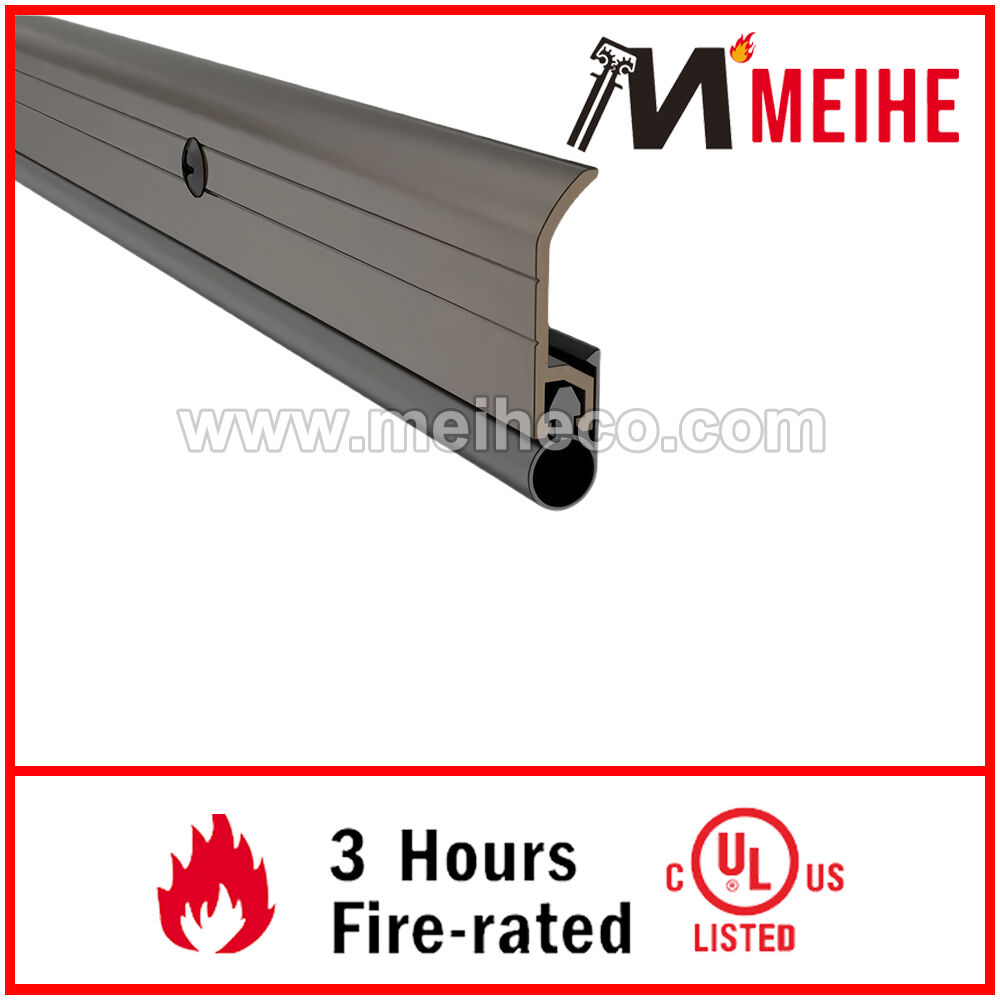
High humidity environments present unique challenges for weather stripping materials, demanding careful consideration of material properties and environmental resistance. In coastal regions, tropical climates, and areas with consistently elevated moisture levels, standard weather stripping can deteriorate rapidly, leading to compromised sealing performance and increased energy costs. Understanding which materials excel in humid conditions is essential for property owners, facility managers, and construction professionals seeking long-term sealing solutions.
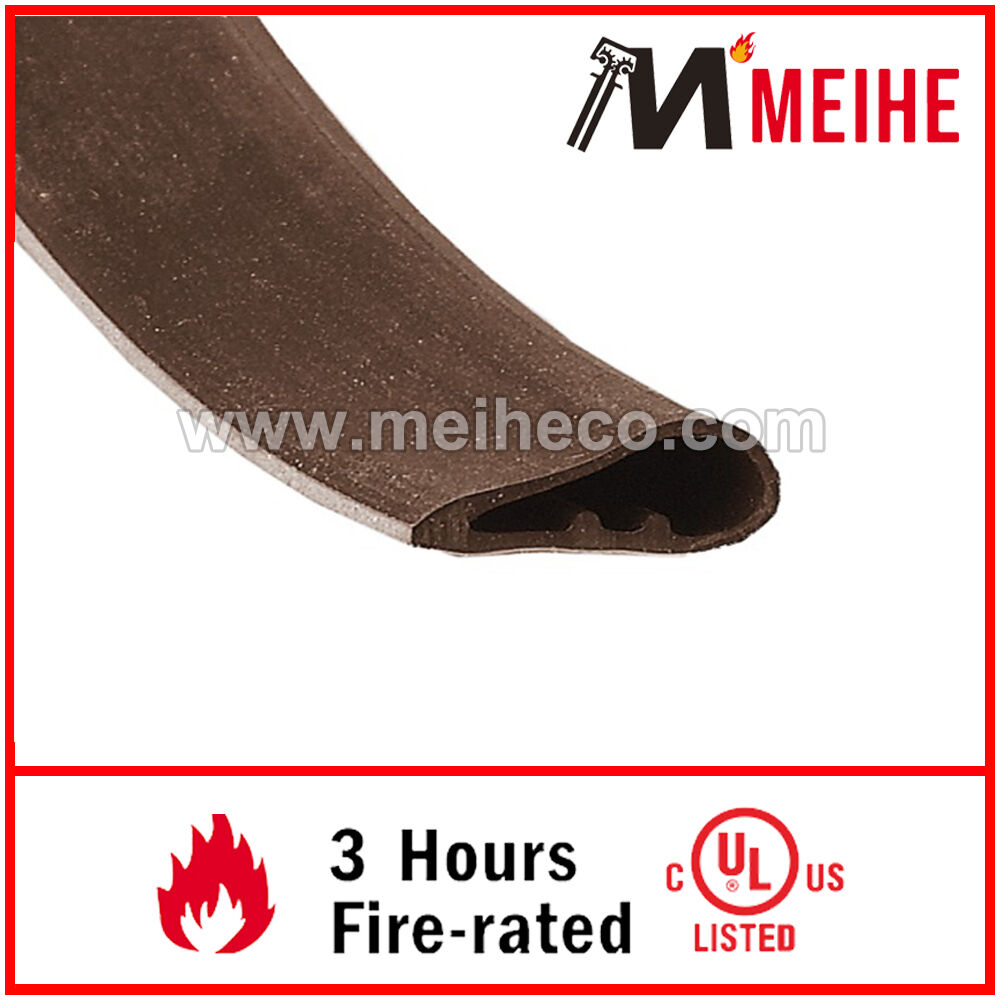
The selection of appropriate weather stripping materials requires analyzing moisture resistance, dimensional stability, and chemical inertness under prolonged humidity exposure. Materials that maintain their sealing integrity despite constant moisture exposure provide superior value through extended service life and consistent performance. This comprehensive analysis examines the most effective weather stripping options for humid environments, evaluating their durability characteristics and practical applications.
Material Performance in High Humidity Environments
Silicone Weather Stripping Advantages
Silicone-based weather stripping demonstrates exceptional performance in humid climates due to its inherent chemical structure and molecular composition. The siloxane backbone provides outstanding resistance to moisture absorption, preventing dimensional changes that commonly affect other materials. Silicone weather stripping maintains its flexibility and sealing properties across wide temperature ranges while resisting degradation from UV exposure and atmospheric moisture.
The non-porous nature of quality silicone formulations prevents water infiltration and bacterial growth, making it ideal for applications where hygiene and longevity are paramount. Industrial-grade silicone weather stripping often incorporates additives that enhance tear resistance and improve adhesion properties, ensuring reliable performance in demanding humid environments. These materials typically maintain their original dimensions and sealing force for decades when properly installed and maintained.
EPDM Rubber Performance Characteristics
Ethylene Propylene Diene Monomer (EPDM) rubber represents another superior choice for humid climate applications, offering excellent resistance to ozone, weathering, and moisture exposure. EPDM weather stripping maintains its elasticity and compression set resistance even after prolonged exposure to high humidity conditions. The saturated polymer backbone prevents oxidative degradation while providing exceptional durability against environmental stressors.
This synthetic rubber material exhibits minimal water absorption rates, typically less than 1% by weight, ensuring dimensional stability throughout humid seasons. EPDM weather stripping demonstrates superior aging characteristics compared to natural rubber alternatives, maintaining its sealing effectiveness for extended periods without significant property degradation. The material's resistance to thermal cycling combined with humidity exposure makes it particularly suitable for regions experiencing both high moisture and temperature fluctuations.
Synthetic Material Solutions for Moisture Resistance
Thermoplastic Elastomer Applications
Thermoplastic elastomers (TPE) provide advanced weather stripping solutions that combine the processability of plastics with the performance characteristics of rubber. These materials offer excellent resistance to moisture, chemicals, and environmental aging while maintaining consistent sealing force throughout their service life. TPE weather stripping can be formulated with specific additives to enhance performance in high-humidity applications, including antimicrobial agents and UV stabilizers.
The versatility of TPE formulations allows manufacturers to optimize material properties for specific humid climate requirements. Shore hardness, compression set resistance, and moisture permeability can be tailored to meet precise application demands. Many TPE weather stripping products incorporate recycled content while maintaining superior environmental resistance, supporting sustainability initiatives without compromising performance in challenging humid conditions.
Polyurethane Weather Stripping Benefits
High-quality polyurethane weather stripping offers exceptional durability in humid environments through its unique cellular structure and chemical composition. Closed-cell polyurethane formulations provide excellent moisture resistance while maintaining superior compression recovery properties. This material demonstrates outstanding resistance to fungal and bacterial growth, making it particularly suitable for healthcare facilities and food processing environments in humid climates.
The inherent flexibility of polyurethane weather stripping allows it to conform to irregular surfaces while maintaining effective sealing performance. Advanced polyurethane formulations incorporate hydrophobic additives that actively repel moisture, preventing water accumulation and associated degradation mechanisms. These materials typically exhibit service lives exceeding 20 years in properly designed applications, even under continuous high-humidity exposure.
Installation Considerations for Humid Environments
Surface Preparation and Adhesion Methods
Proper surface preparation becomes critical when installing weather stripping in humid environments, as moisture can interfere with adhesive bonding and mechanical attachment systems. Surfaces must be thoroughly cleaned, degreased, and completely dried before weather stripping installation to ensure optimal adhesion performance. Primer applications may be necessary for certain substrate materials to enhance bond strength and moisture resistance.
Mechanical fastening methods often provide superior long-term reliability compared to adhesive-only installations in high-humidity applications. Stainless steel fasteners resist corrosion while providing consistent retention force throughout the weather stripping service life. Combination attachment systems utilizing both mechanical fasteners and structural adhesives offer redundant retention methods, ensuring continued performance even if one attachment method experiences degradation.
Drainage and Ventilation Integration
Effective drainage design prevents water accumulation around weather stripping installations, significantly extending material service life in humid climates. Properly designed drainage channels and weep holes allow moisture to escape rather than pooling against sealing materials. Ventilation provisions help maintain air circulation, reducing localized humidity levels that could accelerate material degradation.
The integration of weather stripping with building envelope moisture management systems requires careful attention to vapor barrier continuity and thermal bridging prevention. Proper installation techniques ensure that weather stripping enhances rather than compromises overall moisture control strategies. Regular inspection and maintenance schedules help identify potential issues before they compromise sealing performance or material integrity.
Maintenance Strategies for Extended Service Life
Routine Inspection Protocols
Implementing systematic inspection protocols maximizes weather stripping service life in humid environments by identifying degradation early and addressing maintenance needs promptly. Visual inspections should focus on signs of material swelling, cracking, or dimensional changes that indicate moisture-related degradation. Functional testing of sealing effectiveness helps identify performance deterioration before complete failure occurs.
Documentation of inspection findings enables trend analysis and predictive maintenance scheduling, optimizing replacement timing and minimizing unexpected failures. Digital inspection records can incorporate environmental data such as humidity levels and temperature fluctuations to correlate material performance with exposure conditions. This data-driven approach supports informed decision-making regarding material selection for future projects and maintenance interval optimization.
Cleaning and Preservation Techniques
Regular cleaning removes accumulated moisture, debris, and biological growth that can accelerate weather stripping degradation in humid environments. Mild detergent solutions followed by thorough rinsing and drying help maintain material properties and appearance. Avoid harsh chemicals or solvents that could compromise material integrity or reduce service life.
Protective treatments such as silicone-based conditioners can enhance moisture resistance and extend service life for certain weather stripping materials. These treatments should be compatible with the base material and applied according to manufacturer recommendations. Regular application of appropriate protective treatments can significantly extend weather stripping performance in challenging humid conditions while maintaining optimal sealing effectiveness.
FAQ
How often should weather stripping be replaced in humid climates
The replacement frequency for weather stripping in humid climates depends primarily on material type, installation quality, and environmental severity. High-quality silicone and EPDM materials typically require replacement every 15-20 years, while lower-grade materials may need replacement every 5-8 years. Regular inspections every 6 months help identify when replacement becomes necessary based on actual condition rather than arbitrary timeframes. Proper installation and maintenance can significantly extend service life regardless of material choice.
What signs indicate weather stripping failure in humid environments
Key failure indicators include visible cracking, permanent compression set, dimensional swelling, or hardening of the material. Functional signs include increased air leakage, water infiltration, or difficulty closing doors and windows properly. Biological growth such as mold or mildew on or around the weather stripping indicates moisture problems that may accelerate material degradation. Any noticeable changes in material texture, color, or flexibility should prompt closer evaluation and potential replacement.
Can weather stripping performance be improved through installation modifications
Installation modifications can significantly improve weather stripping performance in humid climates through proper drainage integration, surface preparation enhancement, and mechanical fastening optimization. Adding drainage channels and weep holes prevents water accumulation while improving substrate adhesion through primer application enhances long-term bond strength. Using stainless steel mechanical fasteners provides redundant retention that maintains performance even if adhesive bonds weaken due to moisture exposure.
Which weather stripping materials should be avoided in high humidity applications
Natural rubber materials, basic foam tapes, and wood-based weather stripping should generally be avoided in high-humidity applications due to their susceptibility to moisture absorption, biological degradation, and dimensional instability. Felt weather stripping absorbs moisture readily and provides breeding grounds for mold and bacteria. Basic PVC materials without UV stabilizers may become brittle and crack prematurely under combined humidity and solar exposure. Paper-backed adhesive tapes typically fail quickly when exposed to moisture, making them unsuitable for humid climate applications.