
 EN
EN



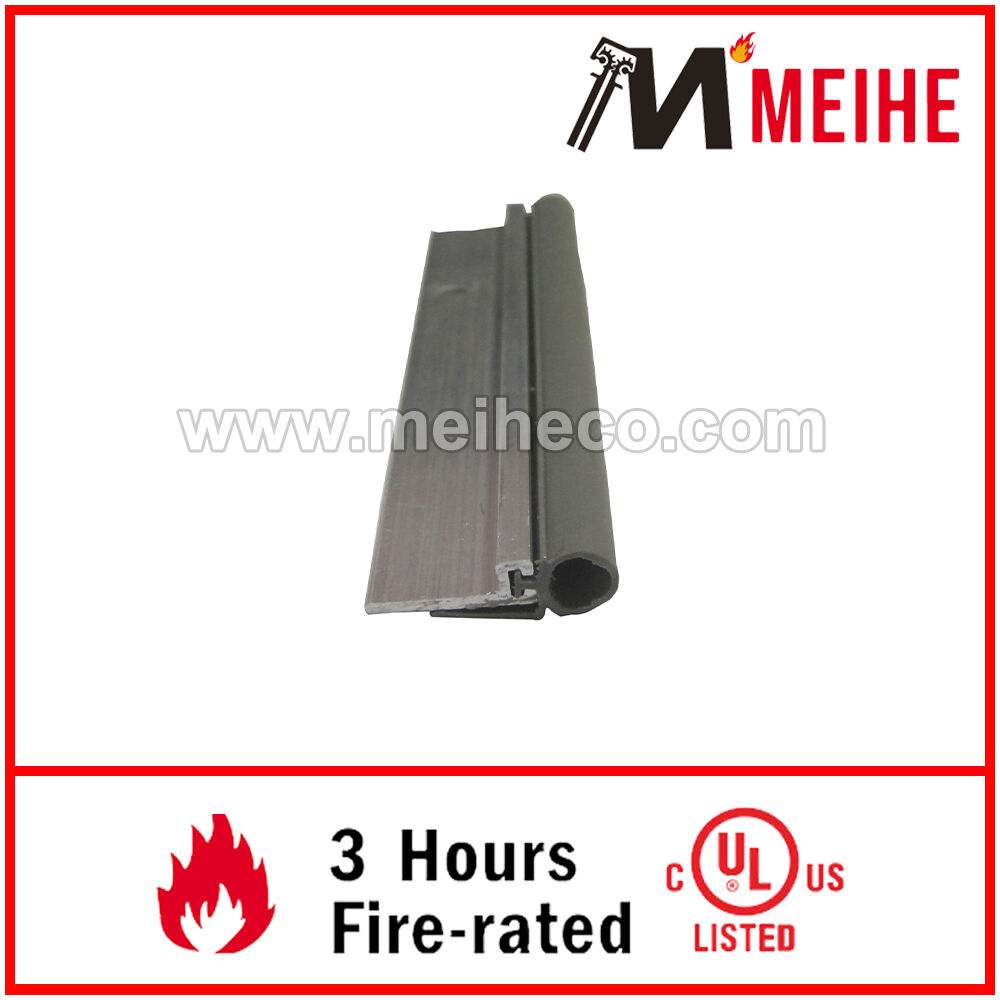
Weather stripping plays a crucial role in maintaining energy efficiency and comfort in residential and commercial buildings. When properly installed, weather stripping creates an effective seal that prevents air infiltration, reduces energy costs, and improves indoor climate control. However, installation mistakes can create gaps that compromise the entire sealing system, leading to significant energy losses and comfort issues. Understanding these common installation errors helps building professionals, contractors, and property owners achieve optimal performance from their weather stripping systems.
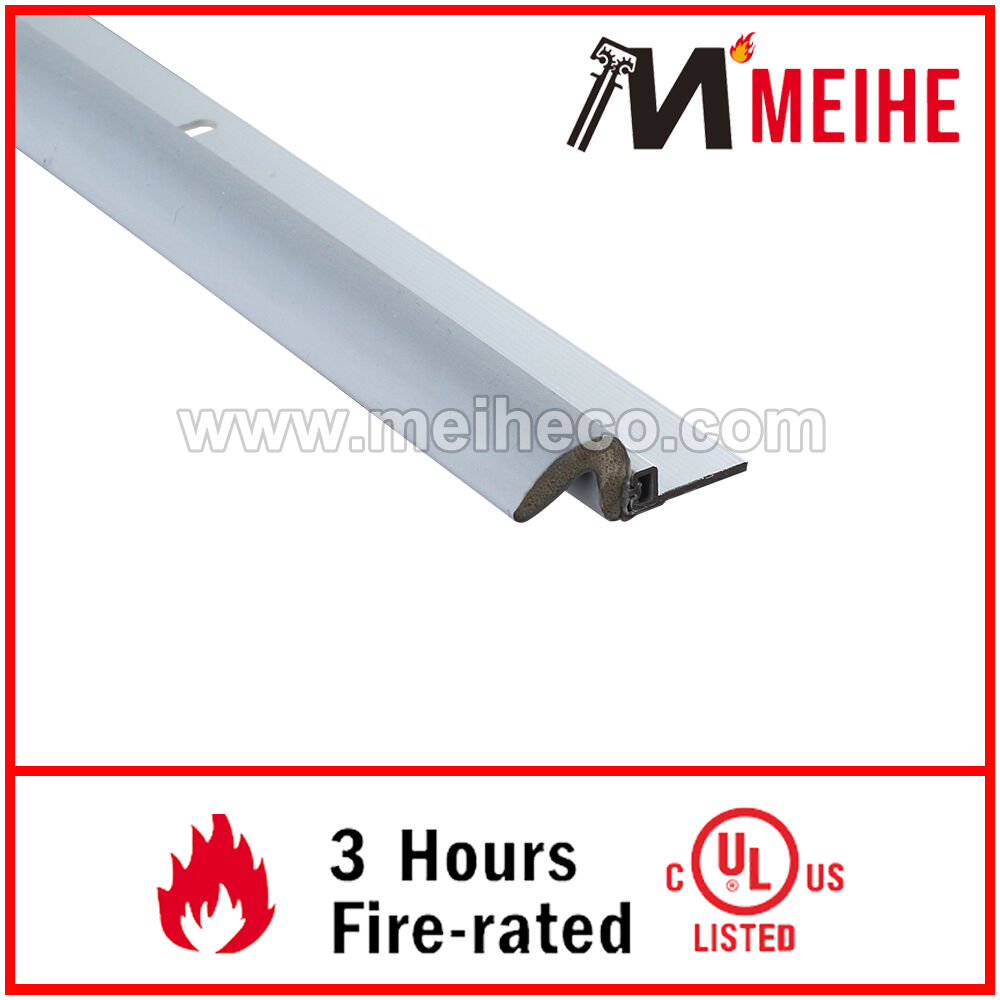
Professional installation requires attention to detail and understanding of material properties. Many building professionals underestimate the precision required for effective weather stripping installation. Small gaps that appear insignificant during installation can expand over time due to thermal cycling, settling, and material degradation. These seemingly minor issues can result in substantial energy penalties and occupant discomfort throughout the building's operational life.
Measurement and Planning Errors
Inadequate Dimensional Assessment
Accurate measurement forms the foundation of successful weather stripping installation. Many installers rush through the measurement phase, leading to gaps that compromise sealing performance. Door and window frames often have slight variations in dimensions, even within the same building project. Professional installers must measure multiple points along each opening to identify potential variations that could affect weather stripping performance.
Frame irregularities present particular challenges for weather stripping applications. Older buildings frequently have settled frames that are no longer perfectly square or plumb. These conditions require careful assessment and potential shimming or adjustment before weather stripping installation. Without proper dimensional analysis, even high-quality weather stripping materials will fail to create effective seals.
Temperature considerations during measurement also impact final installation quality. Building materials expand and contract with temperature changes, affecting frame dimensions and weather stripping fit. Measurements taken during extreme weather conditions may not reflect normal operating dimensions, leading to gaps during typical usage periods.
Material Selection Miscalculations
Choosing inappropriate weather stripping materials for specific applications creates gaps and premature failure. Different materials have varying compression characteristics, temperature ranges, and durability properties. EPDM rubber weather stripping performs differently than foam alternatives, requiring specific installation techniques and gap tolerances. Understanding material properties helps prevent selection errors that lead to sealing gaps.
Compression ratios play a critical role in weather stripping effectiveness. Materials that compress too easily may not maintain adequate pressure against moving components, while materials that resist compression may prevent proper door or window operation. Professional installers must balance compression requirements with operational functionality to achieve optimal sealing performance without operational issues.
Environmental factors influence material selection and installation approaches. UV exposure, moisture levels, temperature extremes, and chemical exposure all affect weather stripping longevity and performance. Selecting materials inappropriate for specific environmental conditions leads to premature degradation and gap formation over time.
Surface Preparation Deficiencies
Contamination and Cleaning Issues
Proper surface preparation ensures optimal adhesion and sealing performance for weather stripping installations. Contaminated surfaces prevent proper bonding between weather stripping materials and substrate surfaces. Oil, dust, moisture, and old adhesive residues interfere with new installations, creating weak points where gaps can develop over time.
Cleaning protocols vary depending on substrate materials and contamination types. Metal frames require different cleaning approaches than wood or composite materials. Alkaline cleaners may damage certain finishes, while solvent-based cleaners could affect some weather stripping adhesives. Professional installers must understand compatibility between cleaning products, substrates, and weather stripping materials.
Moisture content in substrate materials affects weather stripping adhesion and performance. Wet or high-moisture surfaces prevent proper bonding and can lead to mold growth beneath weather stripping materials. Adequate drying time and moisture testing ensure optimal installation conditions and long-term sealing performance.
Surface Irregularity Problems
Uneven surfaces create gaps that compromise weather stripping effectiveness regardless of material quality or installation technique. Frame warping, surface damage, and manufacturing irregularities all contribute to sealing challenges. Identifying and addressing surface irregularities before weather stripping installation prevents future gap formation and performance issues.
Filling and smoothing techniques help create uniform surfaces for weather stripping installation. Appropriate filler materials must be compatible with both substrate and weather stripping materials. Some fillers may outgas chemicals that degrade weather stripping materials over time, while others may not provide adequate bonding surfaces for adhesive applications.
Priming requirements depend on substrate materials and weather stripping adhesive systems. Porous materials often require primers to achieve proper adhesion, while non-porous surfaces may need surface treatment to improve bonding. Understanding primer requirements prevents adhesion failures that lead to weather stripping displacement and gap formation.
Installation Technique Mistakes
Compression and Alignment Errors
Proper compression ensures weather stripping maintains contact with sealing surfaces while allowing normal operation of doors and windows. Over-compression can damage weather stripping materials and create excessive operating forces, while under-compression allows air infiltration through gaps. Achieving optimal compression requires understanding material properties and application requirements.
Alignment accuracy affects both sealing performance and operational functionality. Misaligned weather stripping creates uneven compression patterns, leading to gaps in some areas and excessive compression in others. These conditions accelerate wear and reduce overall system effectiveness. Professional installation requires precise alignment techniques and verification procedures.
Corner treatments present particular challenges for weather stripping installations. Standard materials often cannot navigate tight corners without gaps or bunching. Specialized corner pieces or custom fitting techniques ensure continuous sealing around frame perimeters. Improper corner treatments create significant leakage paths that compromise entire sealing systems.
Fastening and Adhesion Issues
Mechanical fastening and adhesive bonding both require specific techniques to ensure long-term weather stripping performance. Mechanical fasteners must penetrate substrate materials adequately without damaging weather stripping components. Fastener spacing and type affect both holding power and weather stripping flexibility along the installation length.
Adhesive applications require proper surface preparation, appropriate material selection, and correct curing conditions. Different adhesives have varying working times, curing requirements, and performance characteristics. Temperature and humidity during installation affect adhesive performance and final bond strength. Understanding these variables prevents installation failures that lead to weather stripping displacement.
Combination fastening systems using both mechanical and adhesive attachment provide enhanced security for demanding applications. However, these systems require careful coordination to prevent conflicts between fastening methods. Thermal expansion differences between materials can stress combination fastening systems, potentially creating failure points over time.
Environmental and Operational Factors
Temperature and Humidity Considerations
Installation conditions significantly impact weather stripping performance and longevity. Extreme temperatures affect material flexibility, adhesive curing, and dimensional stability during installation. Cold weather can make materials brittle and difficult to handle, while hot conditions may cause premature adhesive curing or material degradation.
Humidity levels influence both installation conditions and long-term performance. High humidity can prevent proper adhesive curing, while low humidity may cause materials to shrink and create gaps. Monitoring environmental conditions during installation helps ensure optimal results and prevents moisture-related performance issues.
Seasonal considerations affect weather stripping selection and installation timing. Materials installed during extreme seasons may not perform optimally during moderate conditions due to thermal cycling effects. Understanding seasonal impact helps plan installation timing and material selection for optimal year-round performance.
Building Movement and Settling Effects
New buildings undergo settling and movement that can affect weather stripping installations. Frame dimensions change as buildings settle, potentially creating gaps or excessive compression in weather stripping systems. Professional installers must account for anticipated building movement when designing weather stripping installations.
Thermal expansion and contraction create cyclical stress on weather stripping installations. Materials with different expansion coefficients may separate or buckle under thermal cycling. Selecting compatible materials and allowing for thermal movement prevents stress-related failures and maintains sealing effectiveness.
Wind loads and operational forces stress weather stripping systems beyond static sealing requirements. High-traffic doors and frequently operated windows subject weather stripping to repeated compression and extension cycles. Understanding operational demands helps select appropriate materials and installation techniques for specific applications.
Quality Control and Inspection Methods
Testing and Verification Procedures
Systematic testing procedures help identify installation defects before they compromise building performance. Visual inspection provides initial assessment of weather stripping alignment, compression, and continuity. However, visual inspection alone cannot detect all potential sealing issues, particularly small gaps that may not be immediately apparent.
Smoke testing reveals air infiltration paths that indicate weather stripping gaps or installation defects. This non-destructive testing method helps identify problem areas that require attention before building occupancy. Professional smoke testing equipment provides more accurate results than simple visual methods for detecting air leakage.
Pressure differential testing quantifies air infiltration rates and helps assess overall weather stripping system performance. These tests provide objective data about sealing effectiveness and help identify specific areas requiring improvement. Regular testing during installation phases prevents minor issues from becoming major performance problems.
Documentation and Maintenance Planning
Comprehensive installation documentation helps building owners maintain weather stripping systems effectively. Recording material specifications, installation dates, and inspection results creates valuable maintenance planning information. This documentation becomes particularly important for warranty claims and system troubleshooting.
Maintenance schedules based on material properties and environmental conditions help prevent premature weather stripping failure. Different materials have varying service lives and maintenance requirements. Establishing appropriate inspection and replacement schedules maximizes system performance and building energy efficiency over time.
Training building maintenance staff in proper weather stripping inspection and minor repair techniques extends system life and maintains performance. Simple maintenance tasks like cleaning and minor adjustments can prevent major system failures and extend replacement intervals significantly.
FAQ
How often should weather stripping be inspected for gaps
Weather stripping should be inspected at least twice annually, typically during spring and fall maintenance periods. High-traffic areas and exterior applications may require more frequent inspection, especially in harsh environmental conditions. Regular inspection helps identify developing issues before they compromise building energy efficiency or occupant comfort.
What tools help detect weather stripping gaps during installation
Professional installers use various tools including gap gauges, smoke pencils, infrared thermometers, and pressure testing equipment to detect weather stripping gaps. Digital calipers help verify compression measurements, while infrared cameras can identify thermal bridging through gaps. Simple tools like flashlights and mirrors also help identify visible gaps during installation verification.
Can weather stripping gaps be repaired without complete replacement
Minor weather stripping gaps can often be repaired using appropriate sealants, additional material sections, or adjustment techniques. However, extensive gaps or damaged materials typically require complete replacement to ensure proper sealing performance. Professional assessment helps determine whether repair or replacement provides the most cost-effective solution for specific gap issues.
How do building codes address weather stripping installation requirements
Building codes typically specify air infiltration limits and testing requirements rather than detailed weather stripping installation procedures. However, achieving code compliance requires proper weather stripping installation without gaps or defects. Professional installers must understand both code requirements and manufacturer specifications to ensure compliant installations that pass required testing procedures.