
 EN
EN



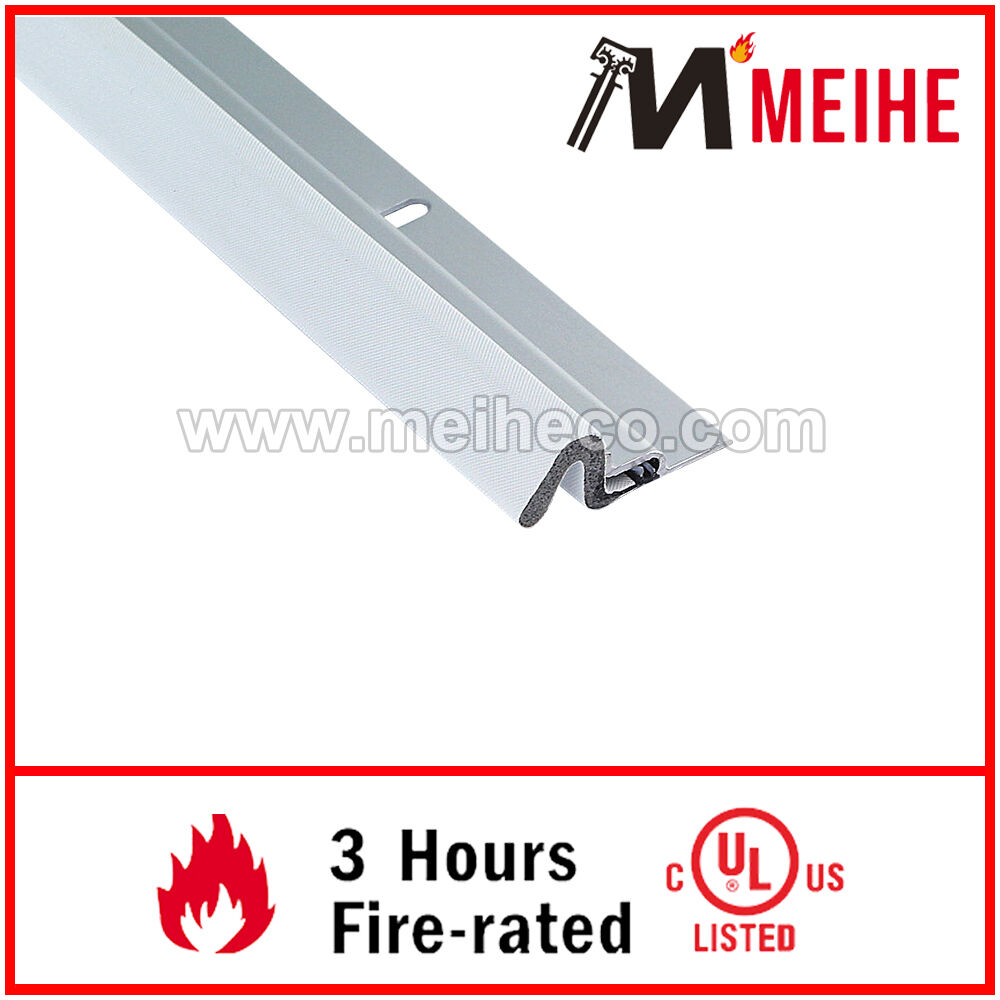
Entry doors serve as critical thermal barriers in residential and commercial buildings, yet they often represent significant sources of energy loss and comfort issues. Weather stripping plays an essential role in sealing gaps around door frames, preventing unwanted air infiltration and enhancing overall thermal performance. This comprehensive guide explores how proper weather stripping installation transforms indoor comfort while reducing energy costs and improving building efficiency.
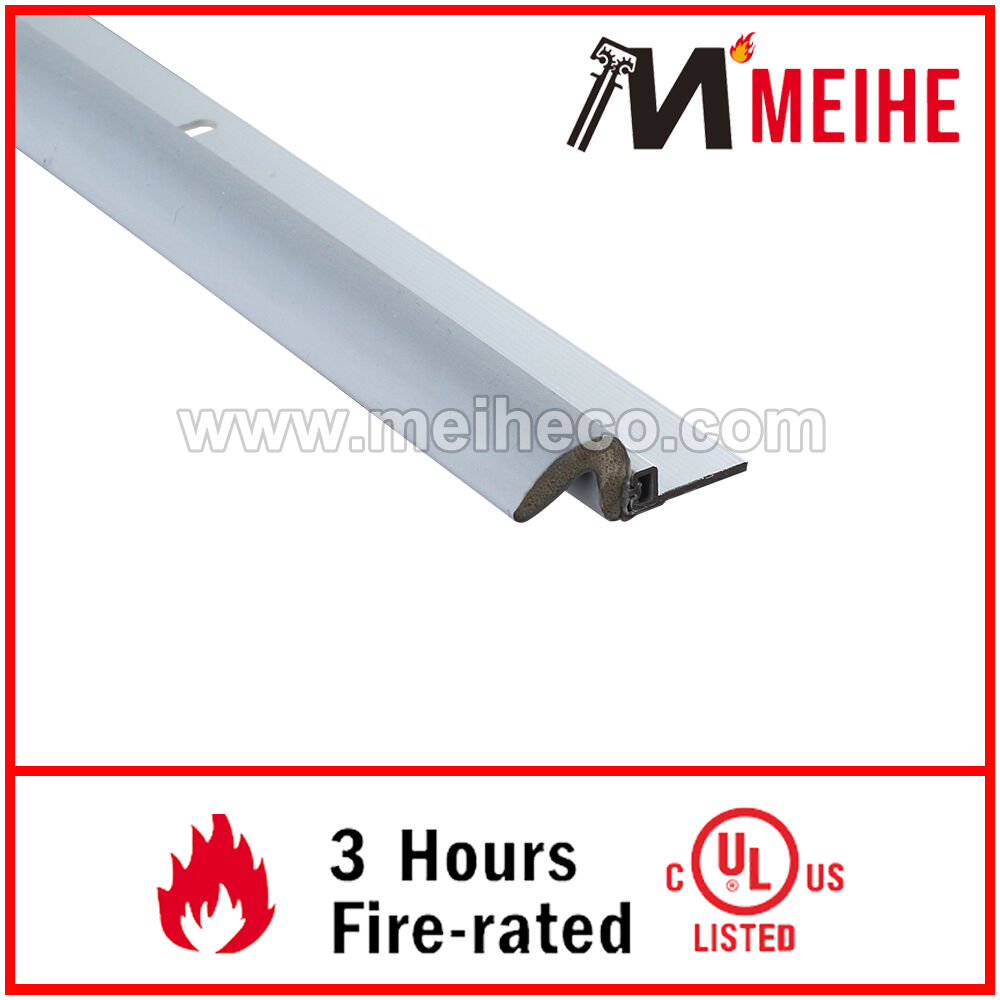
Modern building science recognizes that even small gaps around entry doors can compromise thermal comfort throughout entire structures. Weather stripping addresses these vulnerabilities by creating continuous seals that maintain consistent indoor temperatures and reduce HVAC system workload. Understanding the thermal dynamics of door systems helps property owners make informed decisions about comfort enhancement strategies.
Understanding Thermal Performance Challenges at Entry Points
Air Leakage Impact on Indoor Climate
Entry doors without proper weather stripping allow conditioned air to escape while permitting outdoor air infiltration. This continuous air exchange creates temperature fluctuations near doorways, leading to uncomfortable drafts and uneven heating or cooling throughout interior spaces. Weather stripping eliminates these air pathways by forming flexible barriers that accommodate door movement while maintaining thermal integrity.
Research indicates that unsealed door perimeters can account for up to fifteen percent of total building air leakage. This infiltration directly correlates with increased energy consumption as HVAC systems work harder to compensate for thermal losses. Weather stripping reduces these losses by creating airtight seals that preserve conditioned air and maintain desired indoor temperatures.
Professional building assessments often reveal significant temperature differentials near entry doors lacking adequate sealing. These thermal variations create discomfort zones where occupants experience drafts, cold spots, or excessive heat gain depending on seasonal conditions. Implementing comprehensive weather stripping solutions addresses these comfort issues while improving overall building performance.
Heat Transfer Mechanisms Through Door Systems
Door assemblies facilitate heat transfer through three primary mechanisms: conduction, convection, and radiation. Weather stripping primarily addresses convective heat transfer by preventing air movement through gaps and cracks. This intervention significantly reduces thermal bridging effects that compromise door system efficiency and occupant comfort.
Conductive heat transfer occurs when outdoor temperatures directly affect door materials, creating temperature gradients that influence nearby air temperatures. While weather stripping cannot eliminate conductive transfer, it prevents convective currents that amplify these thermal effects. This dual benefit enhances overall door system performance and maintains more stable indoor conditions.
Thermal imaging studies demonstrate how unsealed door perimeters create visible heat signatures indicating energy loss patterns. Weather stripping installation dramatically reduces these thermal signatures by eliminating air pathways that facilitate heat exchange. This improvement translates directly into enhanced comfort and reduced energy consumption throughout heating and cooling seasons.
Types and Applications of Door Weather Stripping
Compression Seal Technologies
Compression weather stripping utilizes materials that deform under pressure to create airtight seals when doors close. These systems include foam tapes, rubber gaskets, and specialized polymer compounds designed to accommodate repeated compression cycles. The weather stripping selection depends on gap dimensions, door weight, and expected usage frequency.
Modern compression seals incorporate advanced materials that maintain elasticity across wide temperature ranges while resisting UV degradation and moisture damage. These durability improvements ensure consistent sealing performance throughout extended service life. Professional installation techniques optimize compression ratios to achieve maximum sealing effectiveness without compromising door operation.
Closed-cell foam weather stripping provides excellent thermal resistance while maintaining compression recovery properties essential for long-term performance. These materials resist moisture absorption and maintain consistent density under varying environmental conditions. Proper sizing and installation ensure optimal compression characteristics that balance sealing effectiveness with operational convenience.
Sweep and Threshold Systems
Door sweeps address the critical bottom gap where traditional weather stripping cannot provide effective sealing. These systems use flexible materials that contact threshold surfaces while allowing smooth door operation. Weather stripping integration with sweep mechanisms creates comprehensive perimeter sealing that eliminates thermal bypass pathways.
Adjustable sweep systems accommodate varying threshold heights and door clearances while maintaining consistent contact pressure. These mechanisms ensure effective sealing across different door positions and settling conditions. Professional installation includes threshold preparation and sweep adjustment procedures that optimize sealing performance.
Magnetic sweep systems incorporate embedded magnets that enhance sealing force against metal thresholds. This technology provides superior wind resistance while maintaining low operational forces for easy door operation. Weather stripping compatibility with magnetic systems requires careful material selection to prevent interference with sealing mechanisms.
Installation Techniques for Optimal Performance
Surface Preparation and Measurement
Successful weather stripping installation begins with thorough surface preparation that ensures proper adhesion and sealing contact. This process includes cleaning door frames, removing old materials, and addressing surface irregularities that could compromise sealing effectiveness. Measurement accuracy determines weather stripping dimensions and compression requirements for optimal performance.
Gap assessment techniques identify areas requiring weather stripping intervention while determining appropriate material thickness and compression characteristics. These measurements guide product selection and installation procedures that maximize sealing effectiveness. Professional installers use specialized tools to ensure consistent gap dimensions and proper material positioning.
Frame condition evaluation identifies structural issues that could affect weather stripping performance over time. This assessment includes checking for warping, settling, or damage that might compromise sealing integrity. Addressing these underlying issues before weather stripping installation ensures long-term effectiveness and prevents premature failure.
Adhesive and Mechanical Fastening Methods
Weather stripping attachment methods include adhesive systems, mechanical fasteners, and combination approaches that optimize holding power and installation convenience. Adhesive-backed products provide clean installation appearance while mechanical fastening ensures long-term attachment security. Selection depends on door materials, environmental conditions, and expected service life requirements.
High-performance adhesives maintain bonding strength across temperature extremes while resisting moisture and UV exposure. These formulations prevent weather stripping migration or failure that could compromise sealing effectiveness. Professional installation includes surface preparation techniques that maximize adhesive performance and ensure reliable long-term attachment.
Mechanical fastening systems use screws, nails, or specialized clips to secure weather stripping in position. These methods provide superior holding power in demanding applications while allowing easier replacement when necessary. Fastener selection considers door materials and weather stripping design to prevent damage during installation or service.
Performance Benefits and Energy Efficiency
Heating and Cooling Cost Reduction
Weather stripping installation delivers measurable reductions in heating and cooling costs by eliminating air infiltration that forces HVAC systems to work harder maintaining desired temperatures. Energy audits consistently demonstrate significant consumption decreases following comprehensive door sealing projects. These savings compound over time, making weather stripping investment highly cost-effective.
Seasonal energy consumption analysis reveals how weather stripping benefits vary with outdoor conditions and HVAC system types. Winter heating savings often exceed summer cooling benefits due to greater temperature differentials and natural buoyancy effects. Year-round performance monitoring confirms sustained efficiency improvements from properly installed and maintained weather stripping systems.
HVAC system sizing calculations consider air infiltration rates when determining equipment capacity requirements. Buildings with comprehensive weather stripping can often utilize smaller, more efficient systems that provide adequate comfort while consuming less energy. This optimization reduces both capital costs and ongoing operational expenses throughout building lifecycle.
Indoor Air Quality Enhancement
Weather stripping contributes to indoor air quality by controlling outdoor pollutant infiltration while maintaining proper ventilation balance. This selective permeability allows designed air exchange while preventing uncontrolled infiltration of dust, pollen, and other contaminants. Occupant health and comfort benefit from improved air quality control provided by effective sealing systems.
Humidity control improves significantly when weather stripping prevents outdoor moisture infiltration during humid conditions. This moisture control reduces condensation risk while maintaining comfortable relative humidity levels. Balanced moisture conditions support occupant comfort and prevent building material deterioration associated with excessive humidity fluctuations.
Controlled air infiltration through weather stripping allows HVAC filtration systems to process a higher percentage of indoor air circulation. This improved filtration efficiency removes more particulates and allergens from occupied spaces. Enhanced air quality contributes to occupant health while reducing cleaning and maintenance requirements throughout buildings.
Maintenance and Longevity Considerations
Inspection and Replacement Scheduling
Regular weather stripping inspection identifies wear patterns and performance degradation before complete failure occurs. Visual assessment techniques detect compression set, tearing, or adhesive failure that compromises sealing effectiveness. Scheduled maintenance programs ensure consistent thermal performance while minimizing emergency replacement needs.
Seasonal inspection schedules align with weather stripping performance demands during heating and cooling seasons. Pre-winter assessments identify issues that could cause comfort problems during cold weather periods. Spring evaluations check for winter damage while preparing systems for cooling season demands.
Replacement timing depends on weather stripping material type, environmental exposure, and usage frequency. High-quality materials typically provide three to seven years of effective service under normal conditions. Proactive replacement based on condition assessment prevents performance degradation that could compromise comfort and efficiency.
Performance Optimization Techniques
Weather stripping performance optimization includes adjustment procedures that maintain proper compression and contact pressure as materials age. These techniques extend service life while ensuring continued sealing effectiveness. Professional maintenance services include specialized tools and procedures that maximize weather stripping performance throughout its service life.
Environmental protection measures shield weather stripping from UV exposure, extreme temperatures, and mechanical damage that could accelerate deterioration. These protective strategies include door positioning, material selection, and installation details that minimize harsh exposure conditions. Long-term performance benefits justify additional protection investments.
Performance monitoring systems track energy consumption, comfort complaints, and maintenance requirements to assess weather stripping effectiveness over time. This data guides replacement scheduling and product selection for future installations. Continuous improvement approaches optimize building performance while controlling maintenance costs.
FAQ
How often should door weather stripping be replaced
Door weather stripping typically requires replacement every three to seven years depending on material quality, environmental exposure, and usage frequency. High-traffic entries may need more frequent replacement, while protected locations can extend service intervals. Regular inspection helps determine optimal replacement timing based on actual condition rather than arbitrary schedules.
Can weather stripping installation reduce noise transmission through doors
Yes, weather stripping provides secondary acoustic benefits by sealing air gaps that allow sound transmission through door assemblies. While primarily designed for thermal performance, weather stripping reduces noise infiltration and creates quieter indoor environments. Specialized acoustic weather stripping products offer enhanced sound dampening properties for noise-sensitive applications.
What weather stripping materials work best in extreme temperature conditions
Silicone and EPDM rubber weather stripping materials maintain flexibility and sealing effectiveness across the widest temperature ranges. These materials resist cracking, hardening, and compression set that can compromise performance in extreme conditions. Professional specification considers local climate conditions when selecting weather stripping materials for optimal long-term performance.
How does weather stripping affect door operation and hardware wear
Properly installed weather stripping should not significantly affect door operation when correctly sized and positioned. Excessive compression can increase operating forces and accelerate hardware wear, while insufficient compression compromises sealing effectiveness. Professional installation includes adjustment procedures that balance sealing performance with smooth door operation throughout the service life.