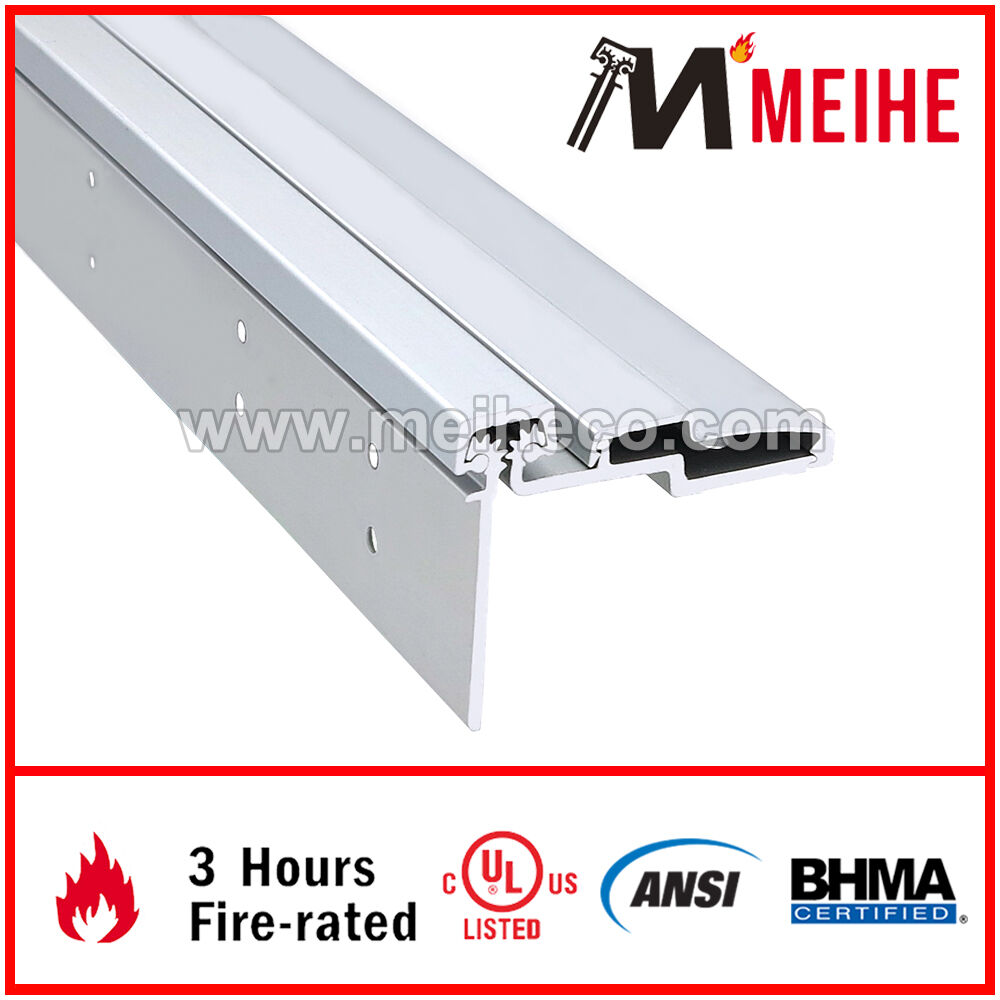
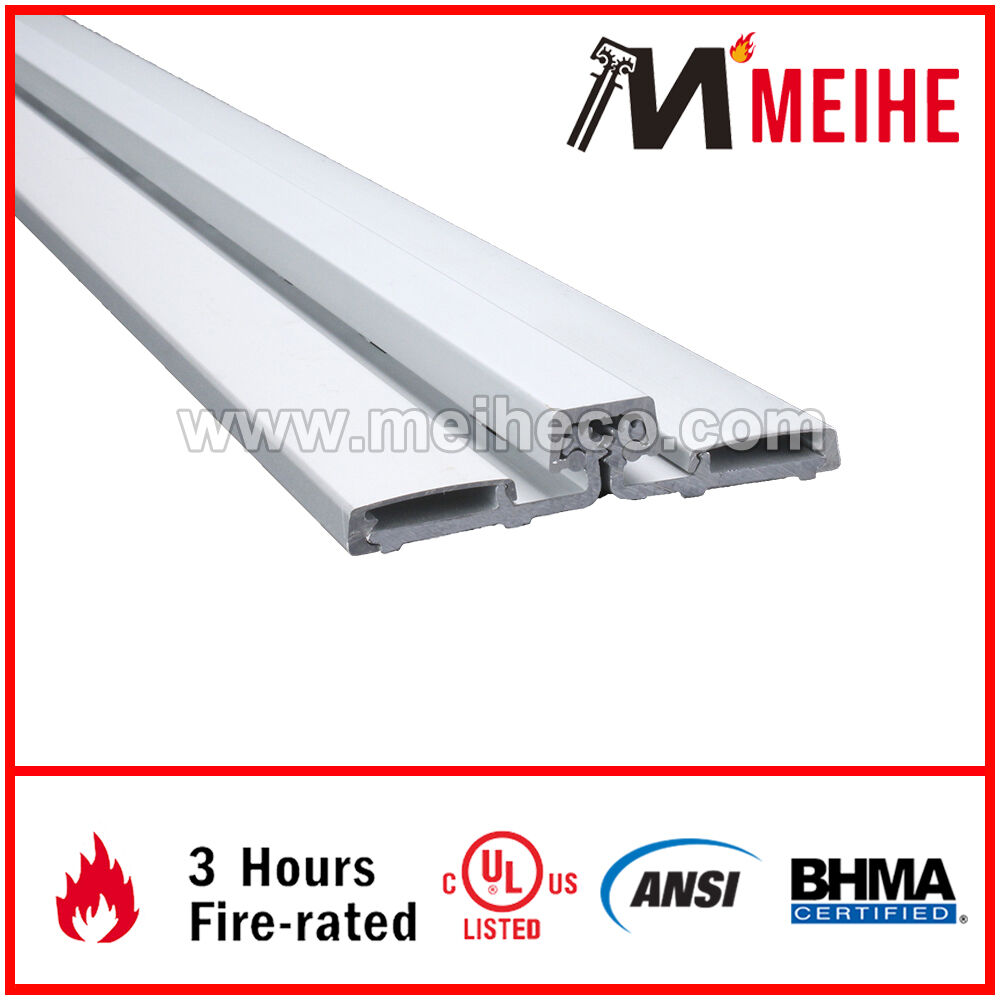
geared hinge
A geared hinge represents an innovative mechanical solution that combines traditional hinge functionality with sophisticated gear mechanisms to deliver controlled, smooth movement between two connected surfaces or components. This advanced hardware device incorporates precision-engineered gears within its housing, enabling users to achieve exact positioning and consistent motion control that surpasses conventional hinge capabilities. The geared hinge operates through an internal gear system that translates rotational input into precise angular movement, providing enhanced stability and positioning accuracy for various applications. The main functions of a geared hinge center around controlled angular movement, load distribution, and positioning maintenance. Unlike standard hinges that rely solely on friction or external forces for positioning, the geared hinge utilizes mechanical advantage through its gear train to maintain specific angles and resist unwanted movement. This mechanism allows users to position connected components at any desired angle within the hinge's range of motion, where it will remain stable without additional support or locking mechanisms. The technological features of geared hinges include precision-machined gear teeth, durable housing materials, and carefully calculated gear ratios that determine the mechanical advantage and movement characteristics. Many geared hinges incorporate sealed bearings and lubrication systems to ensure smooth operation over extended periods. The gear ratios can be customized to provide different levels of mechanical advantage, allowing designers to select the optimal balance between movement speed and holding force for specific applications. Applications for geared hinges span numerous industries and use cases. In automotive applications, they control hood positioning, trunk lid movement, and specialty door mechanisms where precise angle control is essential. Marine environments utilize geared hinges for hatch covers, equipment mounts, and steering mechanisms where reliable positioning under varying load conditions is critical. Industrial machinery incorporates these hinges in control panels, access doors, and adjustable component mounts. Medical equipment benefits from the precise positioning capabilities for patient tables, imaging equipment, and surgical instrument positioning systems.
 ×
×


 EN
EN