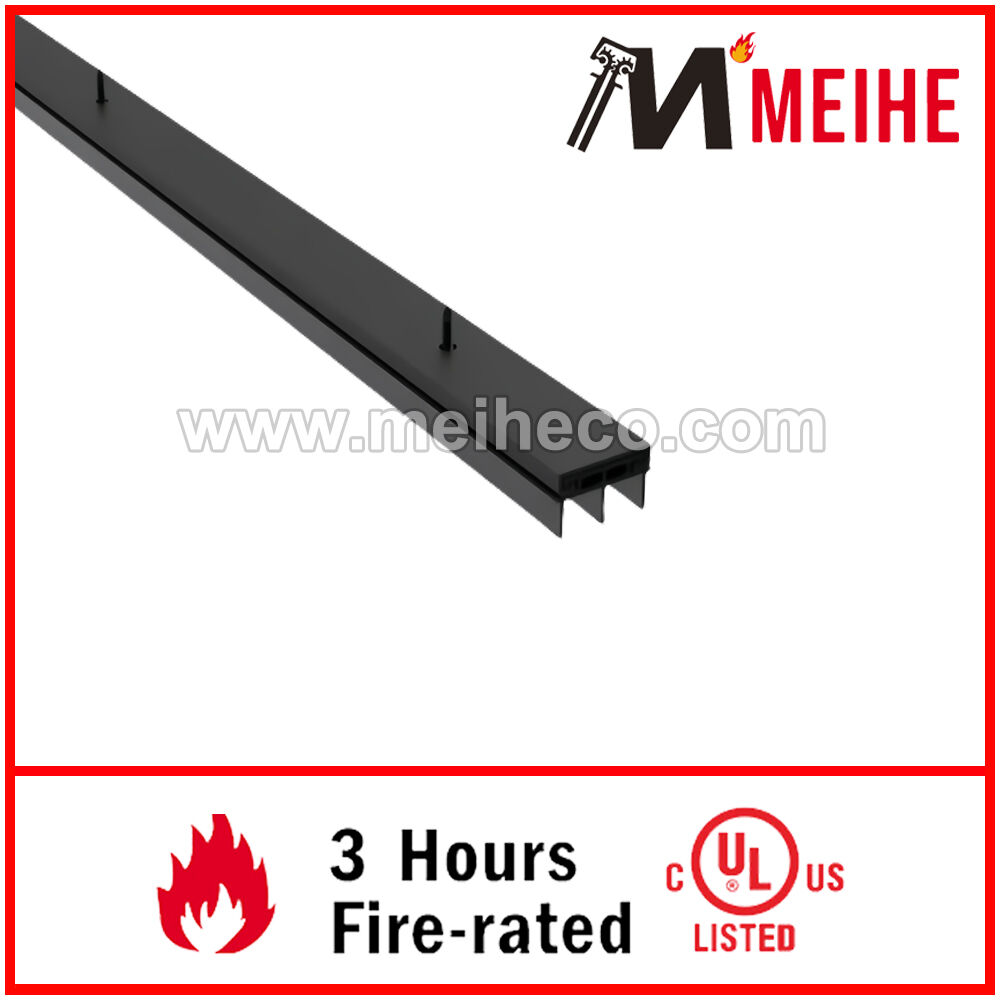
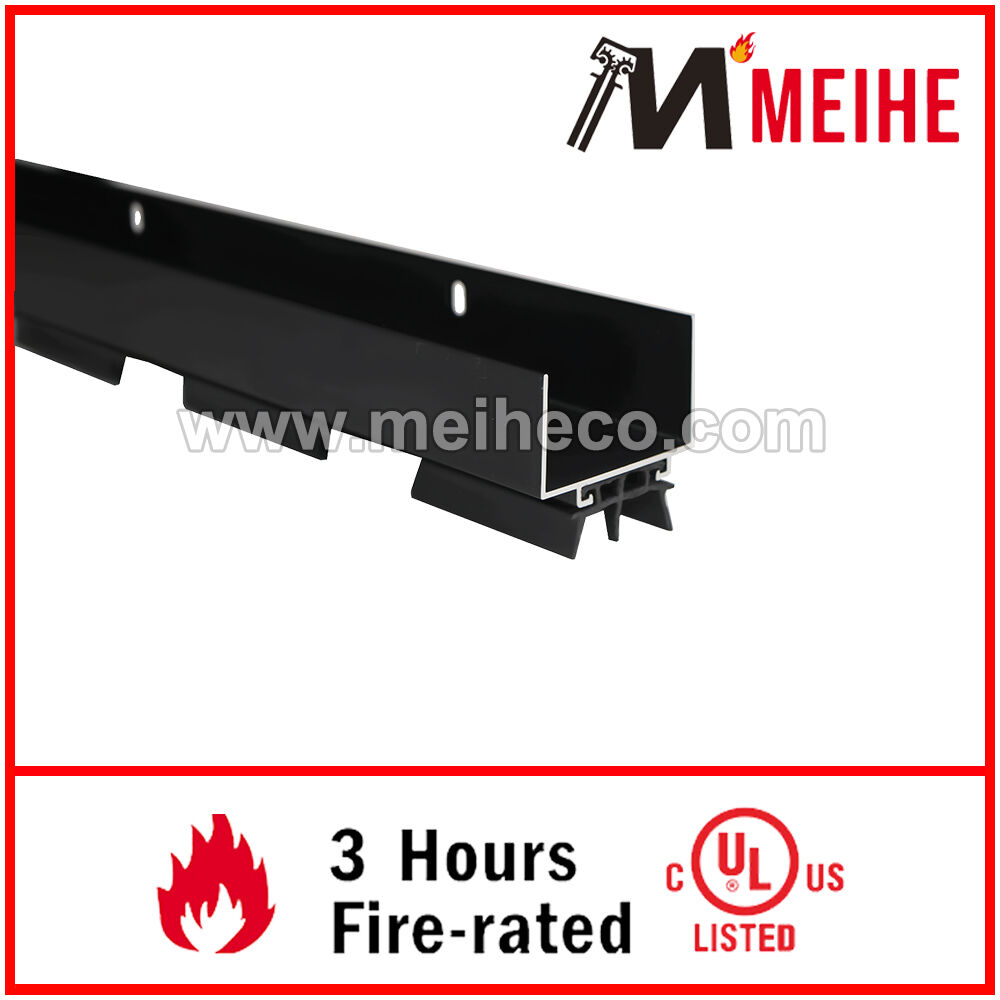
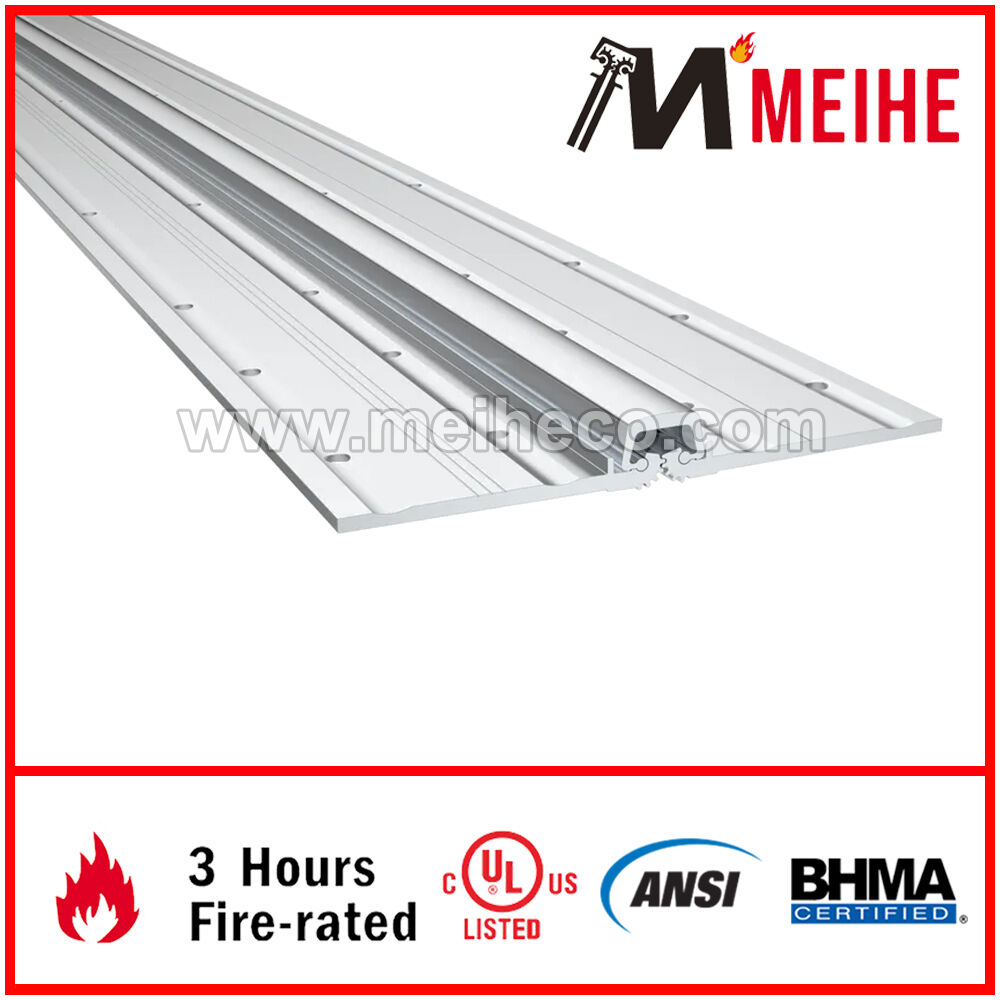
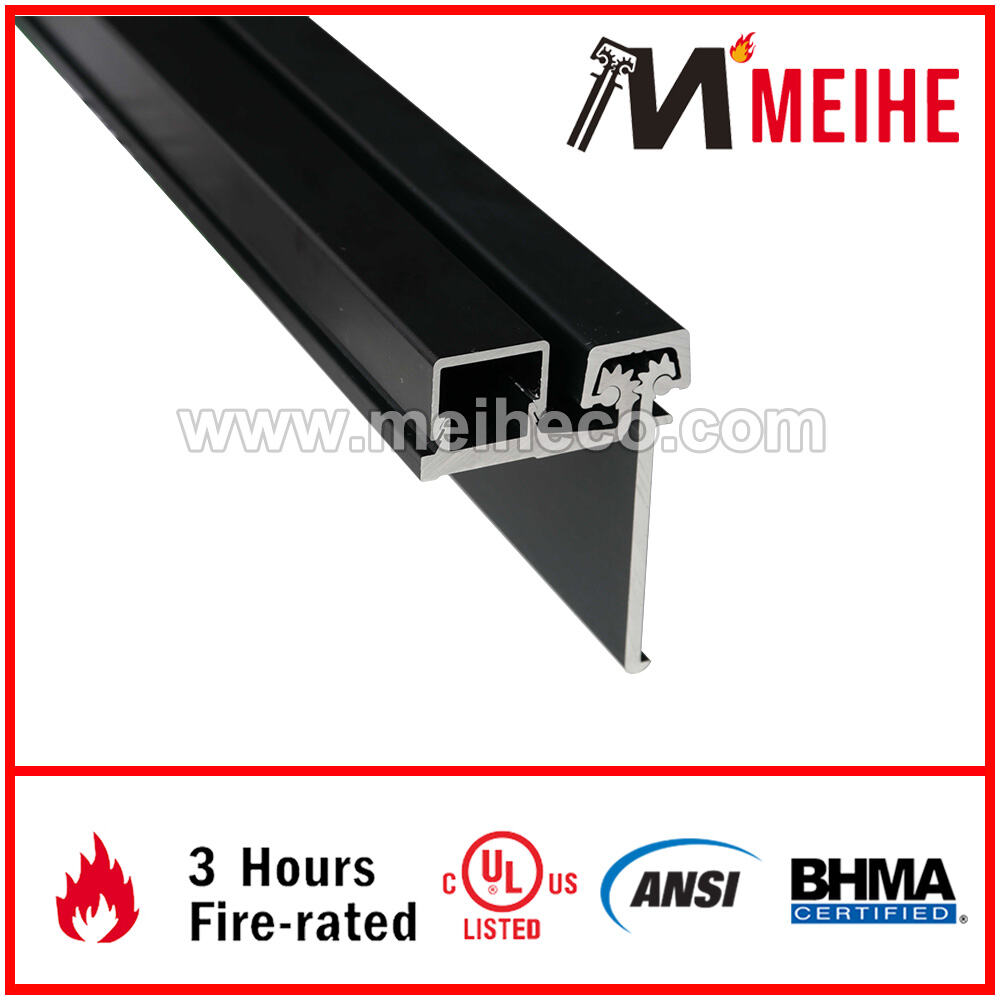
Premium Gear Hinge Solutions: Advanced Precision Control & Enhanced Durability for Industrial Applications

Get a Free Quote

Our representative will contact you soon.
Email
Name
Mobile
Company Name
Message
0/1000

gear hinge

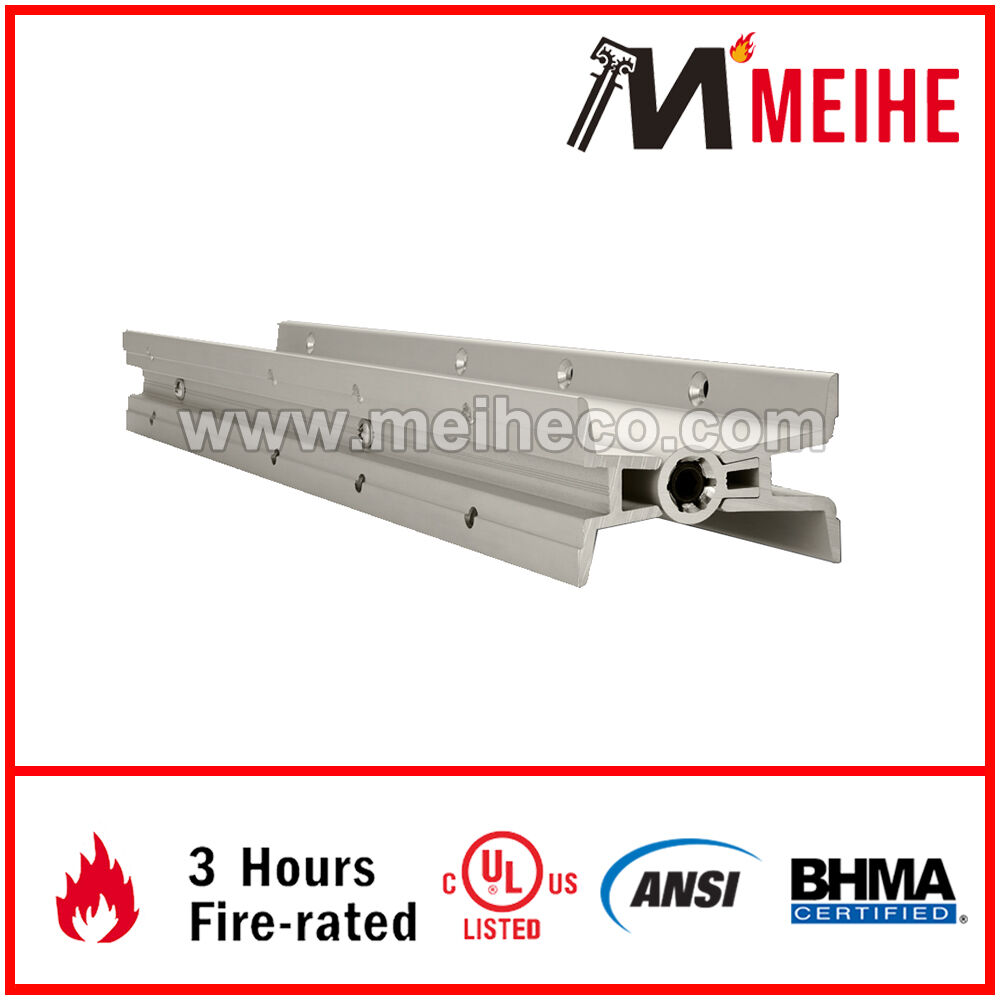
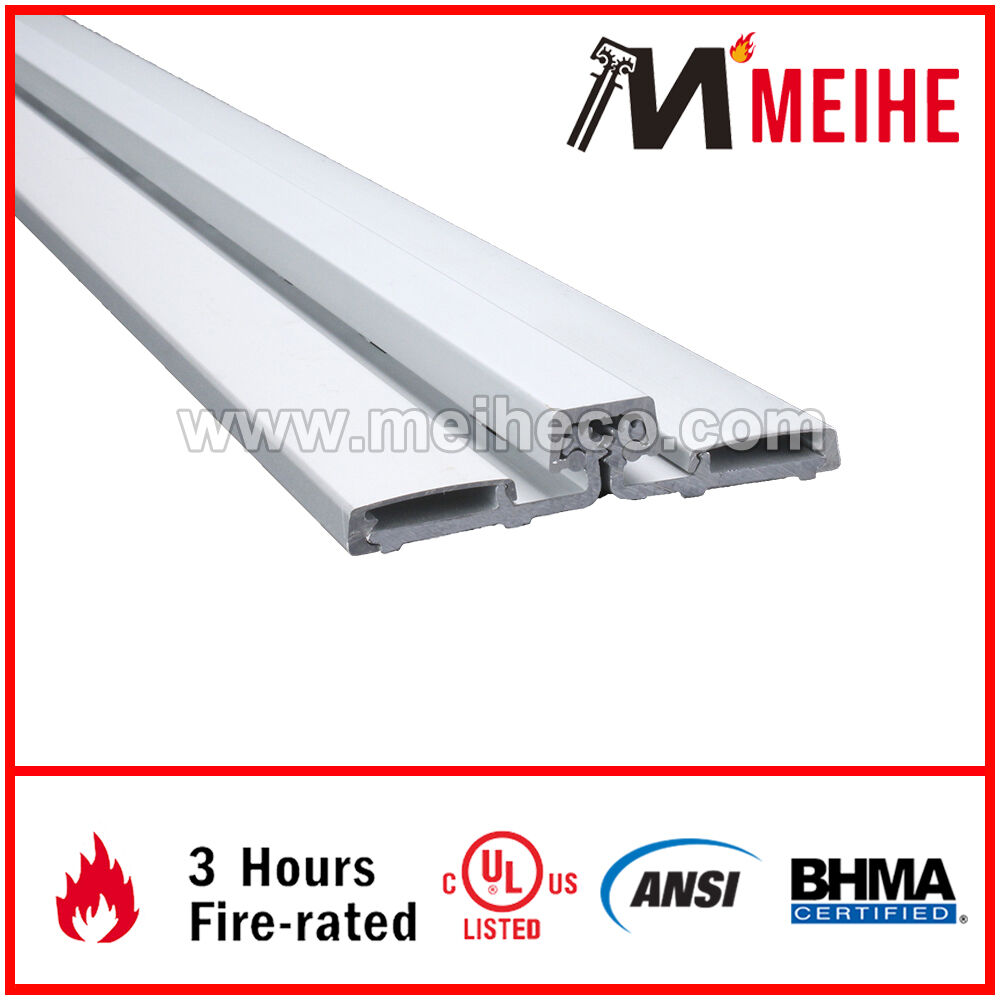
The gear hinge represents a revolutionary advancement in mechanical hardware engineering, combining the precision of gear systems with the flexibility of traditional hinges. This innovative mechanism utilizes interlocking gears to control rotational movement, providing smooth and controlled operation across various applications. Unlike conventional hinges that rely solely on pivot points, the gear hinge incorporates precision-machined gears that mesh together to create synchronized movement patterns. The primary function of a gear hinge centers on its ability to provide controlled angular displacement while maintaining consistent torque distribution throughout the range of motion. This mechanism excels in applications requiring precise positioning, slow-motion control, and enhanced stability during operation. The technological features of gear hinges include corrosion-resistant materials, precision bearings, and engineered gear ratios that can be customized for specific applications. These components work together to create a reliable system that reduces wear, minimizes maintenance requirements, and extends operational lifespan significantly. Manufacturing processes involve computer-controlled machining to ensure tight tolerances and optimal gear mesh characteristics. The gear hinge finds extensive applications across multiple industries, including automotive, aerospace, marine, furniture, and industrial equipment sectors. In automotive applications, these hinges provide smooth door operation and controlled opening angles. Aerospace industry utilizes gear hinges for cargo bay doors, landing gear mechanisms, and control surface actuators. Marine applications benefit from their corrosion resistance and ability to function in harsh saltwater environments. Furniture manufacturers integrate gear hinges into cabinet doors, fold-down desks, and adjustable seating mechanisms. Industrial equipment relies on gear hinges for access panels, safety guards, and precision positioning systems. The versatility of gear hinge technology allows for customization in terms of size, gear ratio, material selection, and mounting configurations to meet specific application requirements.

New Products

The gear hinge delivers exceptional performance advantages that make it superior to traditional hinge mechanisms in numerous applications. First, the precision control offered by gear hinges eliminates sudden movements and provides smooth, predictable operation throughout the entire range of motion. This controlled movement prevents slamming, reduces noise levels, and protects both the hinge mechanism and connected components from impact damage. Users benefit from enhanced safety as the gear mechanism prevents accidental rapid closure or opening that could cause injury or equipment damage. Second, the durability factor sets gear hinges apart from standard alternatives. The distributed load across multiple gear teeth reduces stress concentration points that typically cause premature failure in conventional hinges. This design approach results in significantly extended service life, often exceeding traditional hinges by several times under similar operating conditions. The reduced maintenance requirements translate directly into cost savings for users, as replacement frequency decreases and operational downtime minimizes. Third, the versatility of gear hinges allows for custom gear ratios that can provide mechanical advantage or precise speed reduction as needed. This flexibility enables engineers to optimize the hinge performance for specific applications, whether requiring slow, controlled movement or enhanced lifting capability. Fourth, gear hinges offer superior load-bearing capacity compared to standard hinges of similar size. The gear mechanism distributes forces more evenly, allowing these hinges to support heavier loads while maintaining smooth operation. This capability makes them ideal for applications involving heavy doors, panels, or equipment covers. Fifth, the self-locking feature available in many gear hinge designs provides added security and position stability. Once positioned, the gear mechanism can hold the load in place without requiring additional latching mechanisms, simplifying overall system design. Sixth, installation flexibility accommodates various mounting configurations and spatial constraints. The compact design of gear hinges allows integration into tight spaces while providing full functionality. Finally, the aesthetic appeal of gear hinges adds visual interest to applications where the mechanism remains visible, making them popular choices for architectural and furniture applications where form meets function.

Latest News

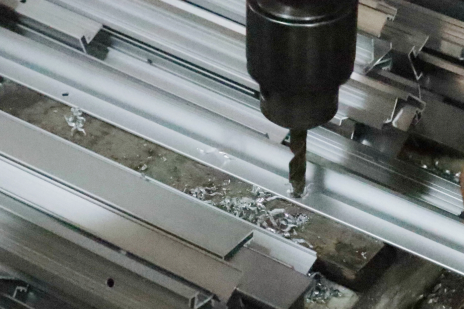
A Glimpse into Excellence: A Day Inside Meihe's Precision Manufacturing Workshop

05

Dec

A Glimpse into Excellence: A Day Inside Meihe's Precision Manufacturing Workshop

View More
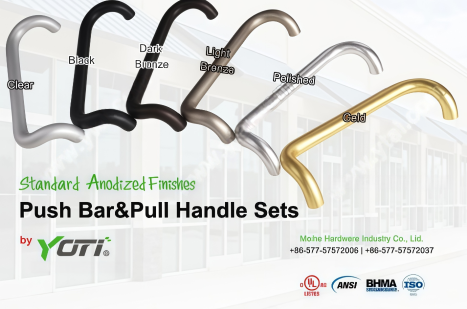
Beyond Standard Finishes: Unleashing Design Potential with Meihe's Custom Color Solutions for Hardware

05

Dec

Beyond Standard Finishes: Unleashing Design Potential with Meihe's Custom Color Solutions for Hardware

View More
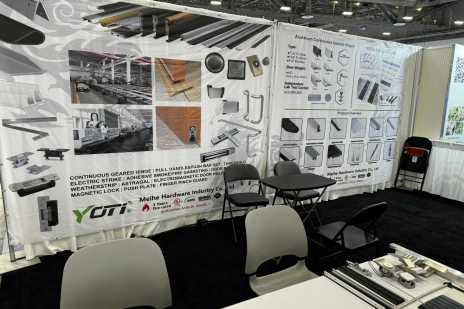
2024 American Hardware Show In Las Vegas

05

Dec

2024 American Hardware Show In Las Vegas

View More
2025 Saudi Build in Riyadh, KSA

30

Dec

2025 Saudi Build in Riyadh, KSA

View More

Get a Free Quote

Our representative will contact you soon.
Email
Name
Mobile
Company Name
Message
0/1000

gear hinge

Precision Movement Control Technology

Precision Movement Control Technology

The precision movement control technology embedded in gear hinge systems represents a quantum leap forward in mechanical engineering applications. This advanced feature utilizes precisely machined gear teeth that mesh with mathematical accuracy to provide controlled, predictable movement patterns that traditional hinges simply cannot match. The gear mechanism transforms rapid input motion into controlled, slower output motion through carefully calculated gear ratios, enabling users to achieve exact positioning with minimal effort. This technology proves invaluable in applications requiring fine adjustments, such as medical equipment positioning, laboratory instrument access panels, and precision machinery covers. The controlled movement eliminates the jerky, unpredictable motion often associated with standard hinges, replacing it with smooth, fluid operation that enhances user experience and extends component life. Professional installers appreciate how the precision control reduces installation complexity by eliminating the need for additional dampening or speed control devices. The gear mechanism inherently provides these benefits through its engineered design. Manufacturing quality control ensures each gear hinge meets strict tolerance specifications, guaranteeing consistent performance across production runs. This reliability factor becomes crucial in applications where movement precision directly impacts operational safety or product quality. Users report significant improvements in operational efficiency when switching from conventional hinges to gear hinge systems, particularly in repetitive use applications. The precision control also reduces operator fatigue by requiring less physical effort to achieve desired positioning. Maintenance personnel benefit from the predictable wear patterns of gear hinges, allowing for proactive replacement scheduling rather than reactive repairs. The controlled movement characteristics also protect connected equipment from shock loads that can occur with rapid closure or opening of access panels. Quality testing procedures verify that each gear hinge maintains its precision characteristics throughout its designed service life, providing users with confidence in long-term performance reliability.
Enhanced Durability and Longevity

Enhanced Durability and Longevity

The enhanced durability and longevity characteristics of gear hinges stem from their fundamental design philosophy that distributes operational stresses across multiple contact points rather than concentrating them at single pivot locations. Traditional hinges typically experience the highest stress at their pin or pivot point, leading to accelerated wear and eventual failure. Gear hinges revolutionize this approach by spreading loads across multiple gear teeth, dramatically reducing stress concentration and extending operational life. The materials used in gear hinge construction undergo careful selection processes to ensure optimal performance in specific environmental conditions. Stainless steel variants resist corrosion in marine environments, while specialized alloys handle extreme temperatures in aerospace applications. Surface treatments and coatings further enhance durability by providing additional protection against wear, corrosion, and environmental degradation. The engineering behind gear hinge durability includes precise heat treatment processes that optimize material hardness and toughness characteristics. This metallurgical optimization ensures that gear teeth maintain their shape and dimensional accuracy throughout extended use cycles. Quality control testing includes accelerated life testing that simulates years of normal operation in compressed timeframes, validating the longevity claims made for these products. Field testing data from various industries confirms that gear hinges typically last three to five times longer than conventional hinges under similar operating conditions. This extended lifespan translates into significant cost savings when considering total cost of ownership, including initial purchase price, installation costs, maintenance expenses, and replacement frequency. The robust construction of gear hinges also enables them to handle overload conditions that would destroy conventional hinges, providing additional safety margins in critical applications. Predictive maintenance programs benefit from the gradual wear characteristics of gear hinges, as deterioration occurs slowly and predictably rather than through sudden catastrophic failure. This predictability allows maintenance teams to plan replacements during scheduled downtime rather than dealing with emergency repairs that disrupt operations.
Versatile Application Integration

Versatile Application Integration

The versatile application integration capabilities of gear hinges make them suitable for an extraordinarily wide range of industrial, commercial, and residential applications where traditional hinges fall short of requirements. This adaptability stems from the modular design approach that allows customization of gear ratios, mounting configurations, materials, and size specifications to match specific application needs. Automotive manufacturers integrate gear hinges into vehicle doors, hoods, and trunk lids where controlled opening speeds enhance user safety and convenience. The automotive industry particularly values the consistent operation of gear hinges across temperature extremes and their ability to handle repeated cycling without performance degradation. Marine applications showcase the corrosion resistance and reliability of gear hinges in harsh saltwater environments where conventional hinges would quickly fail. Boat builders specify gear hinges for engine compartment access, storage compartments, and safety equipment enclosures where reliable operation becomes critical for safety. Aerospace engineers utilize gear hinges in aircraft cargo doors, maintenance access panels, and control surface mechanisms where precision and reliability directly impact flight safety. The weight optimization possible with gear hinge designs helps aircraft manufacturers meet strict weight requirements while maintaining operational reliability. Furniture designers embrace gear hinges for cabinet doors, fold-down work surfaces, and adjustable seating mechanisms where smooth operation enhances user experience. The aesthetic appeal of visible gear mechanisms adds design interest to modern furniture pieces where mechanical elements become decorative features. Industrial equipment manufacturers rely on gear hinges for machine guards, access panels, and positioning mechanisms where worker safety and operational efficiency intersect. The self-locking capabilities of many gear hinge designs eliminate the need for separate latching mechanisms, simplifying overall system design and reducing component count. Architectural applications include exterior doors, window systems, and artistic installations where gear hinges provide both functional performance and visual appeal. The installation flexibility of gear hinges accommodates various mounting surfaces and spatial constraints, making them suitable for retrofit applications where space limitations prevent use of conventional hinges.

Get a Free Quote

Our representative will contact you soon.
Email
Name
Mobile
Company Name
Message
0/1000