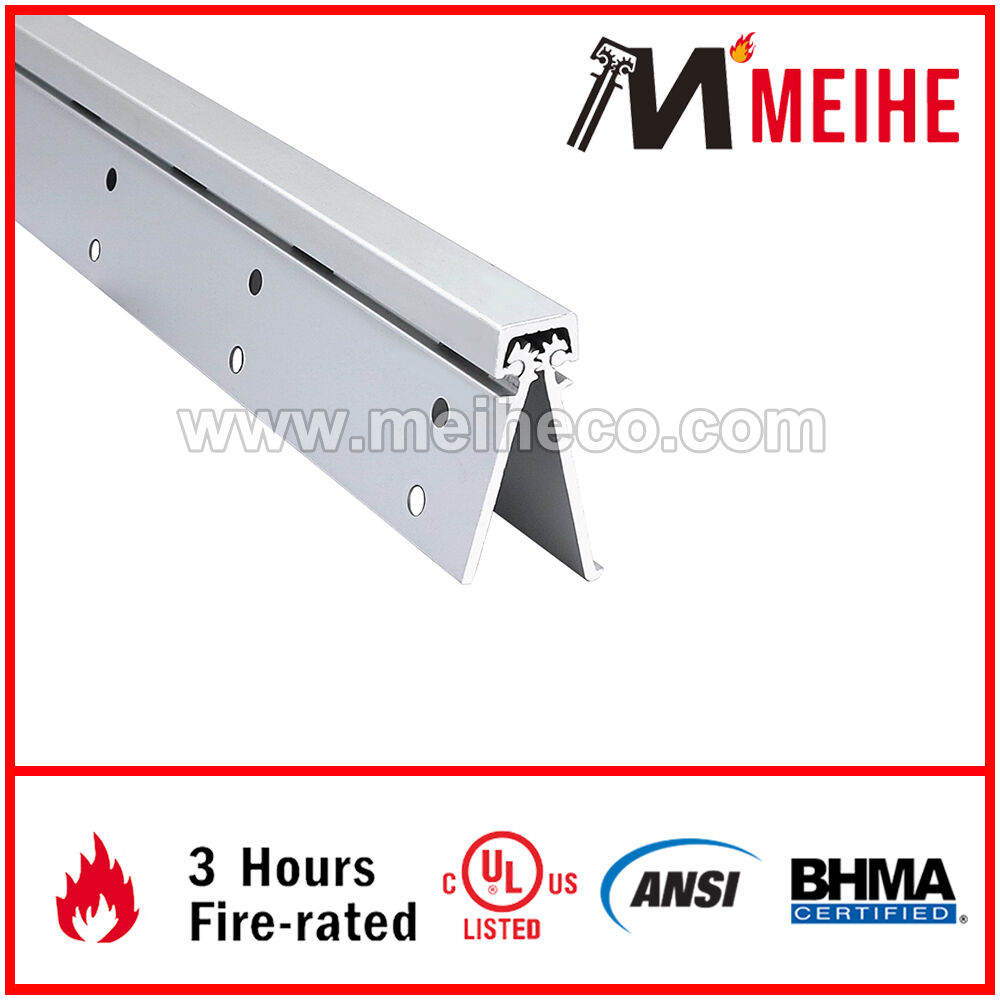
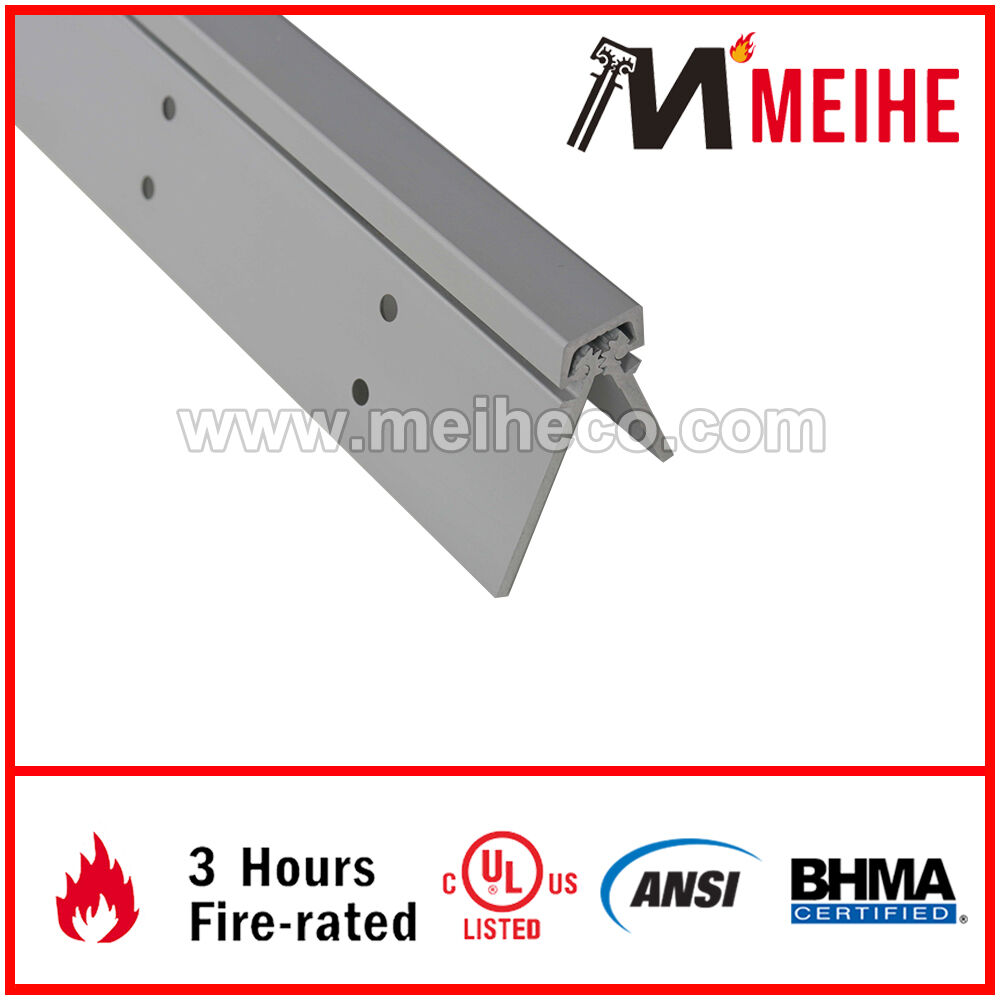
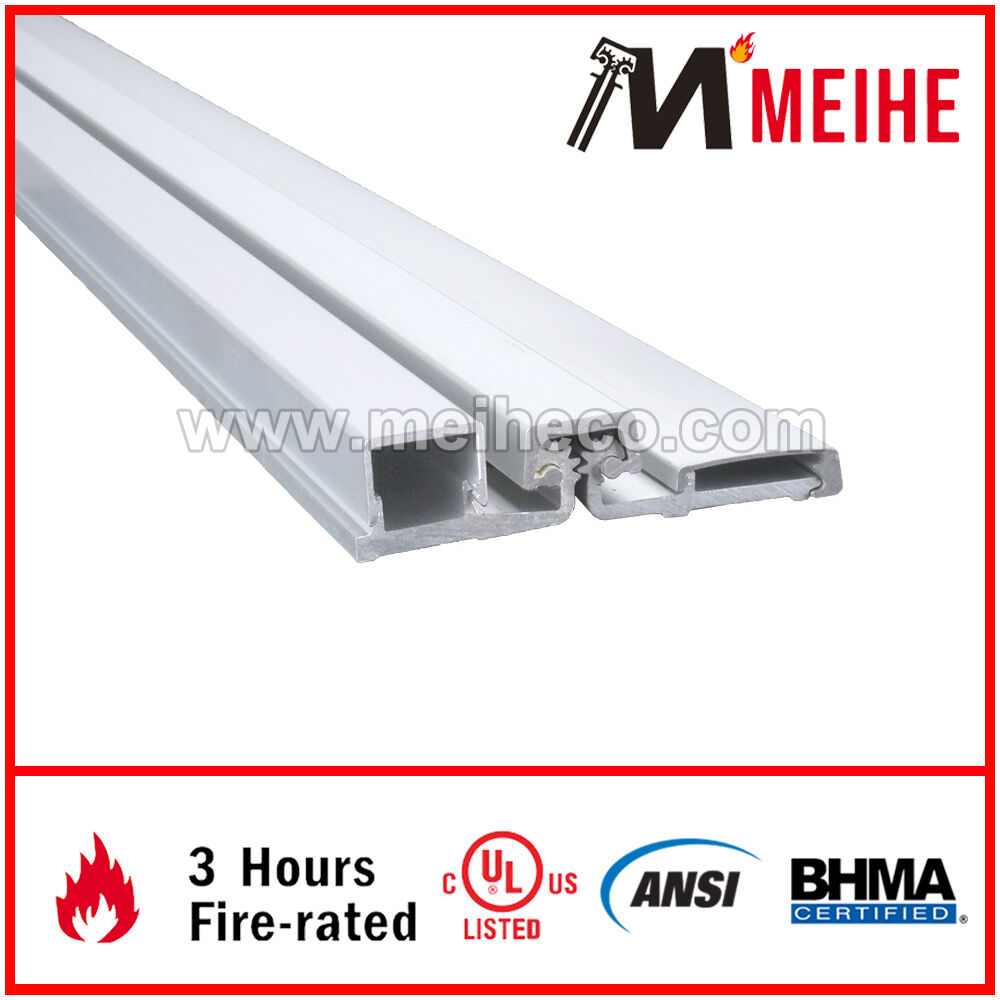
continuous geared door hinge
A continuous geared door hinge represents a sophisticated hardware solution designed to provide enhanced functionality and durability for heavy-duty door applications. Unlike traditional hinges, the continuous geared door hinge extends along the entire length of the door edge, distributing weight evenly and eliminating stress concentration points that commonly cause premature failure in standard hinges. This innovative design incorporates precision-engineered gears within the hinge mechanism, creating a smooth, controlled door operation that significantly reduces wear and tear over time. The continuous geared door hinge operates through an integrated gear system that multiplies the applied force, making heavy doors easier to operate while maintaining precise control throughout the opening and closing cycle. This technology ensures consistent performance regardless of door weight or frequency of use. The hinge construction typically features robust materials such as stainless steel or heavy-gauge steel with specialized coatings to resist corrosion and environmental damage. The gear mechanism is permanently lubricated and sealed, requiring minimal maintenance while delivering reliable operation for decades. Primary applications for continuous geared door hinges include commercial buildings, industrial facilities, security installations, and high-traffic environments where door reliability is critical. These hinges excel in situations involving fire doors, blast-resistant barriers, acoustic barriers, and oversized entrance doors that demand superior structural support. The continuous design eliminates the need for multiple separate hinges, reducing installation complexity and potential failure points. Educational institutions, healthcare facilities, government buildings, and manufacturing plants frequently specify continuous geared door hinges for their ability to withstand constant use while maintaining smooth operation. The technology also proves invaluable in specialized applications such as clean rooms, laboratories, and secure facilities where door performance directly impacts operational efficiency and safety protocols.
 ×
×

 EN
EN