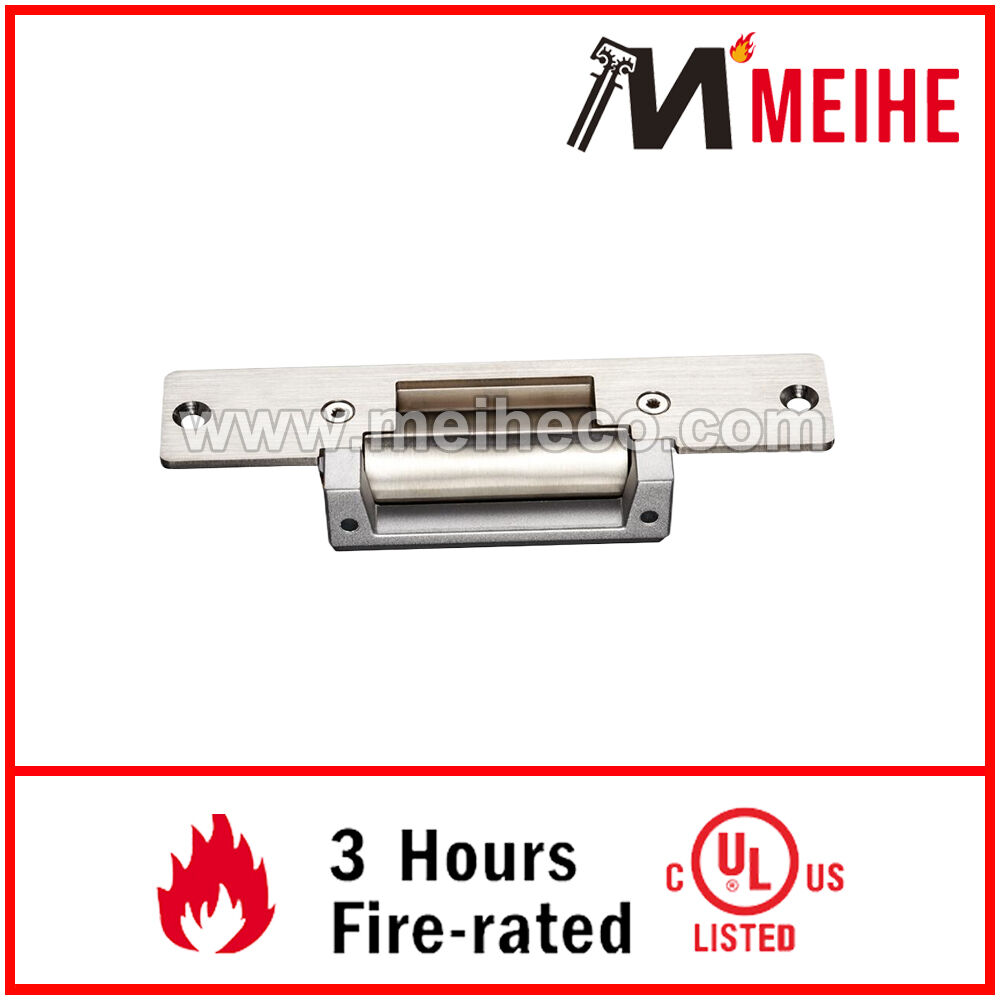
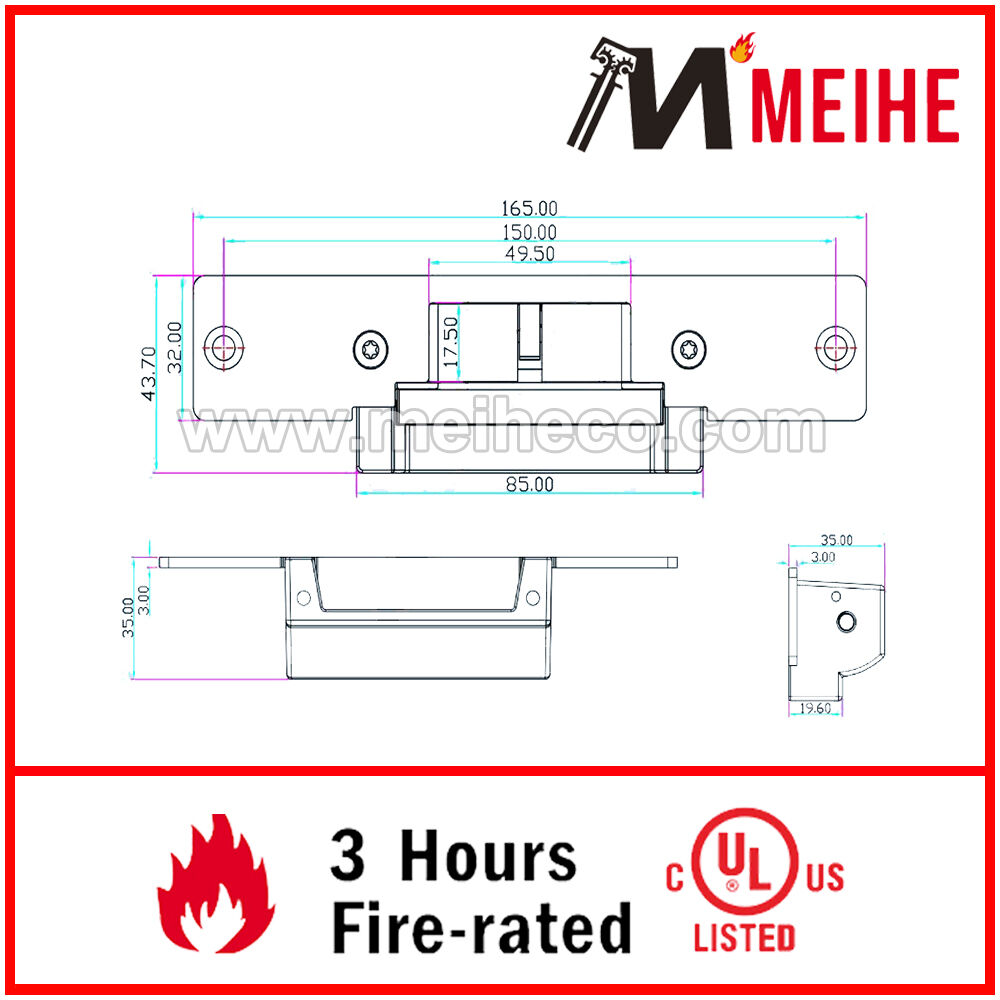
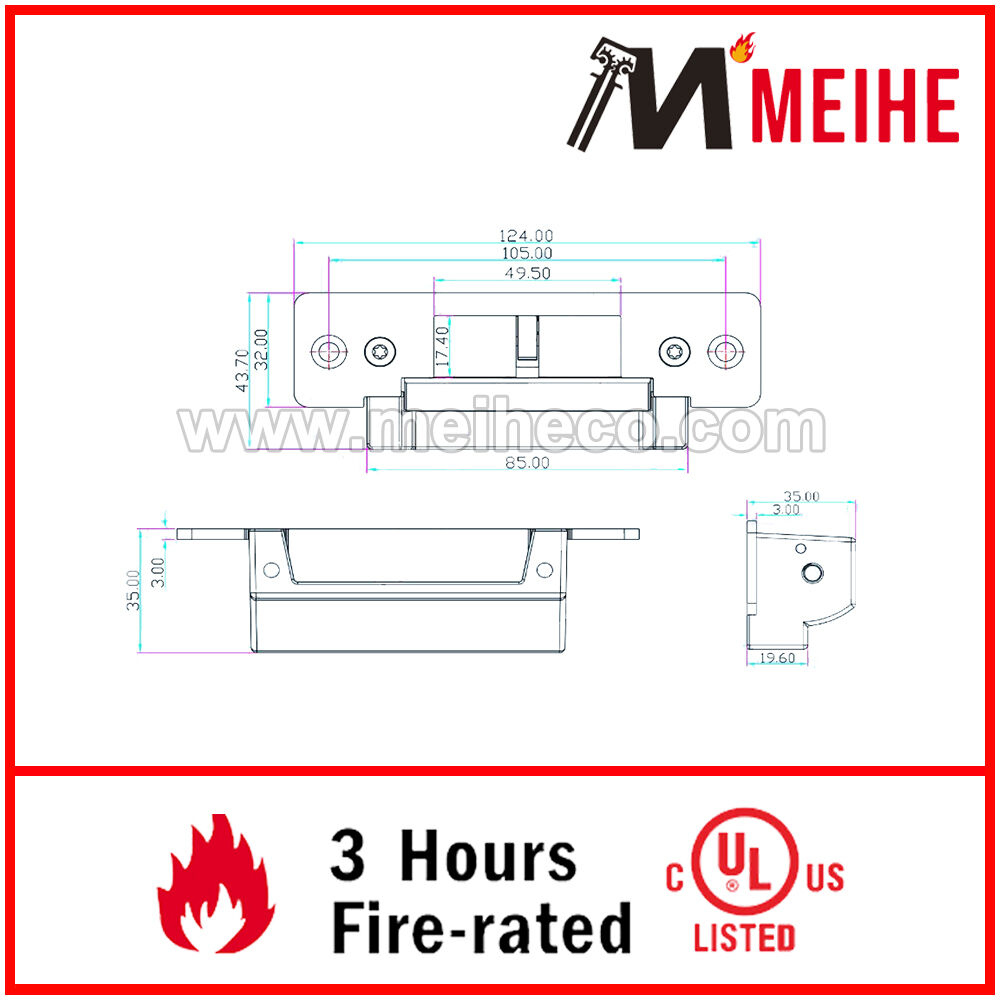
electric strike for double doors
An electric strike for double doors represents a sophisticated access control solution designed to manage entry points where two doors meet at a central point. This innovative security mechanism operates by electronically controlling the locking and unlocking process, eliminating the need for traditional mechanical keys while providing enhanced security and convenience. The electric strike for double doors functions as an intelligent component that integrates seamlessly with existing door hardware, creating a comprehensive access management system suitable for commercial, residential, and institutional applications. The primary function of an electric strike for double doors centers on its ability to release the door latch remotely through electrical activation. When an authorized signal is received from an access control system, card reader, or keypad, the electric strike for double doors momentarily disengages, allowing the doors to open freely. This process occurs within milliseconds, ensuring smooth and efficient entry for authorized personnel while maintaining security protocols. The technological features of modern electric strike for double doors include fail-safe and fail-secure operating modes, allowing facility managers to customize security responses based on specific requirements. Advanced models incorporate monitoring capabilities that provide real-time feedback on door status, ensuring administrators can track access events and identify potential security breaches. The electric strike for double doors typically operates on low voltage power supplies, making installation safer and more cost-effective compared to high-voltage alternatives. Weather resistance and durability represent crucial technological aspects, with many electric strike for double doors featuring robust construction materials that withstand environmental challenges and frequent usage. Applications for electric strike for double doors span numerous sectors, including office buildings, healthcare facilities, educational institutions, retail establishments, and residential complexes. These versatile devices prove particularly valuable in high-traffic areas where manual key management becomes impractical and security requirements demand sophisticated access control measures.
 ×
×



 EN
EN