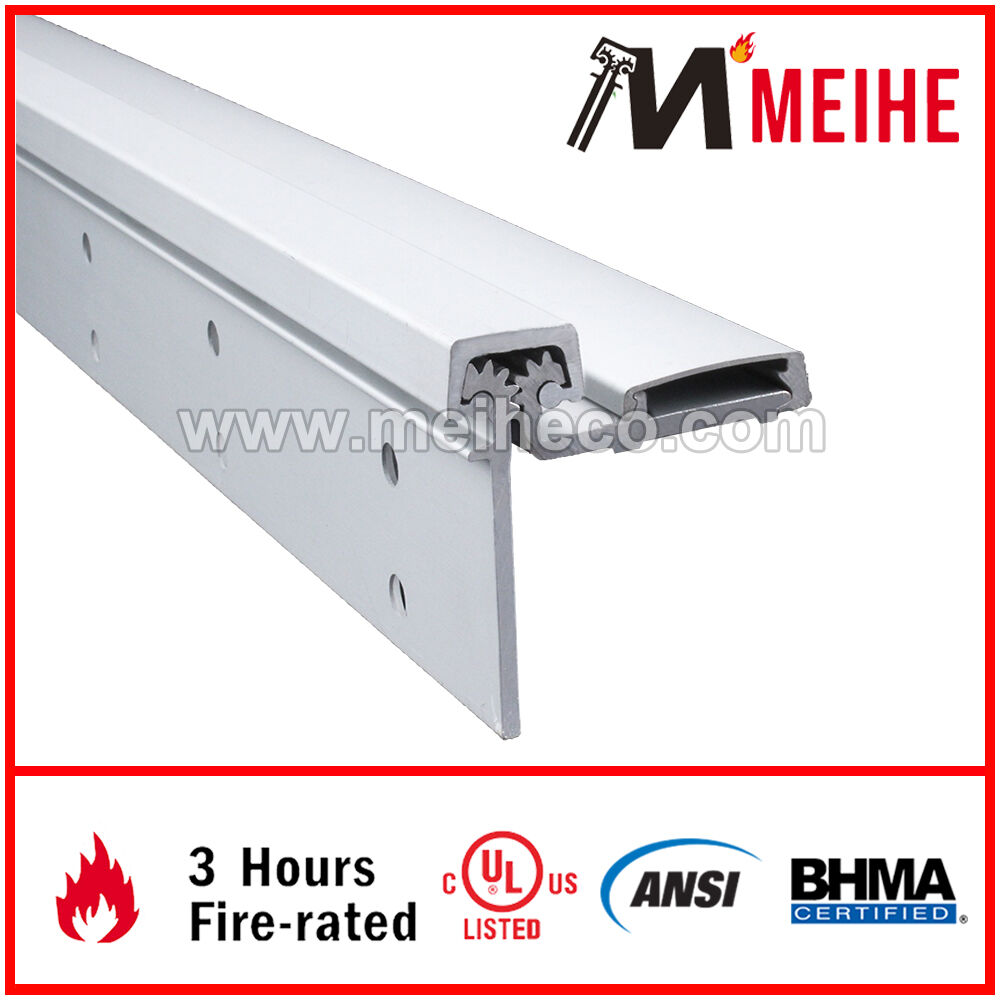
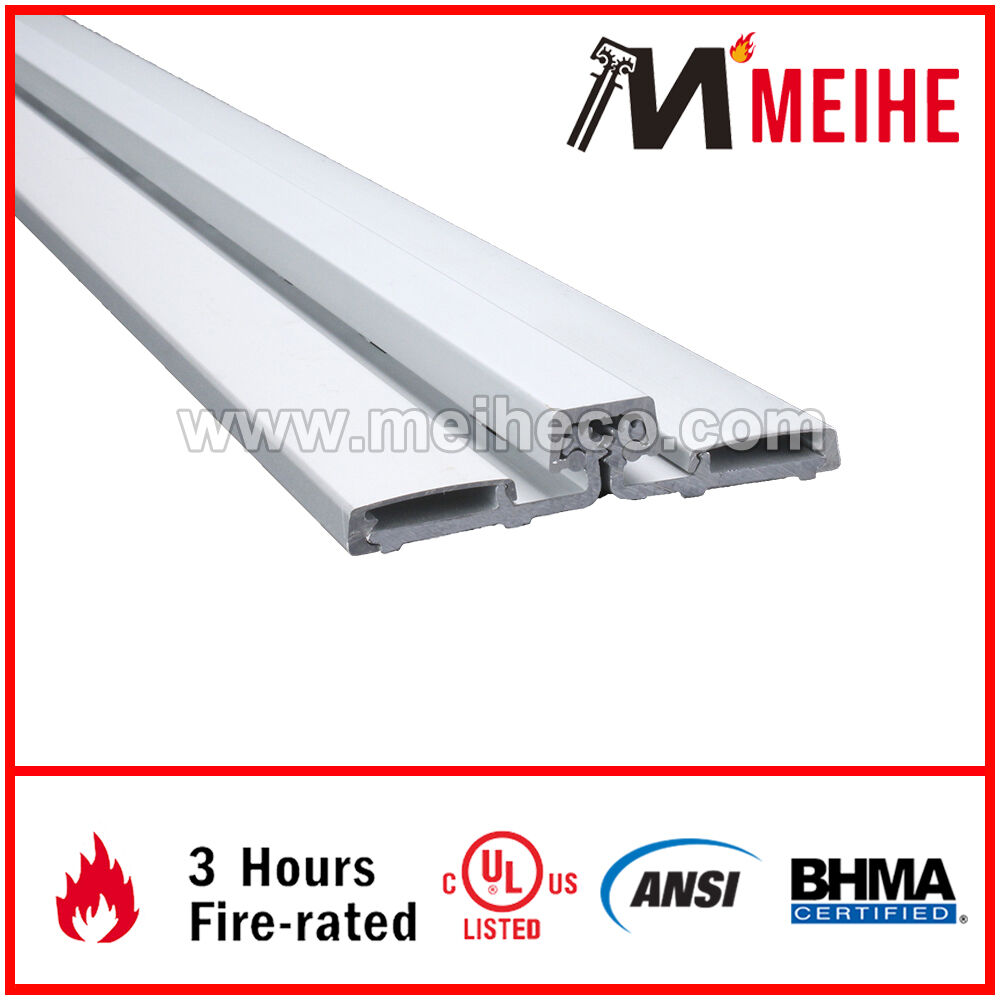
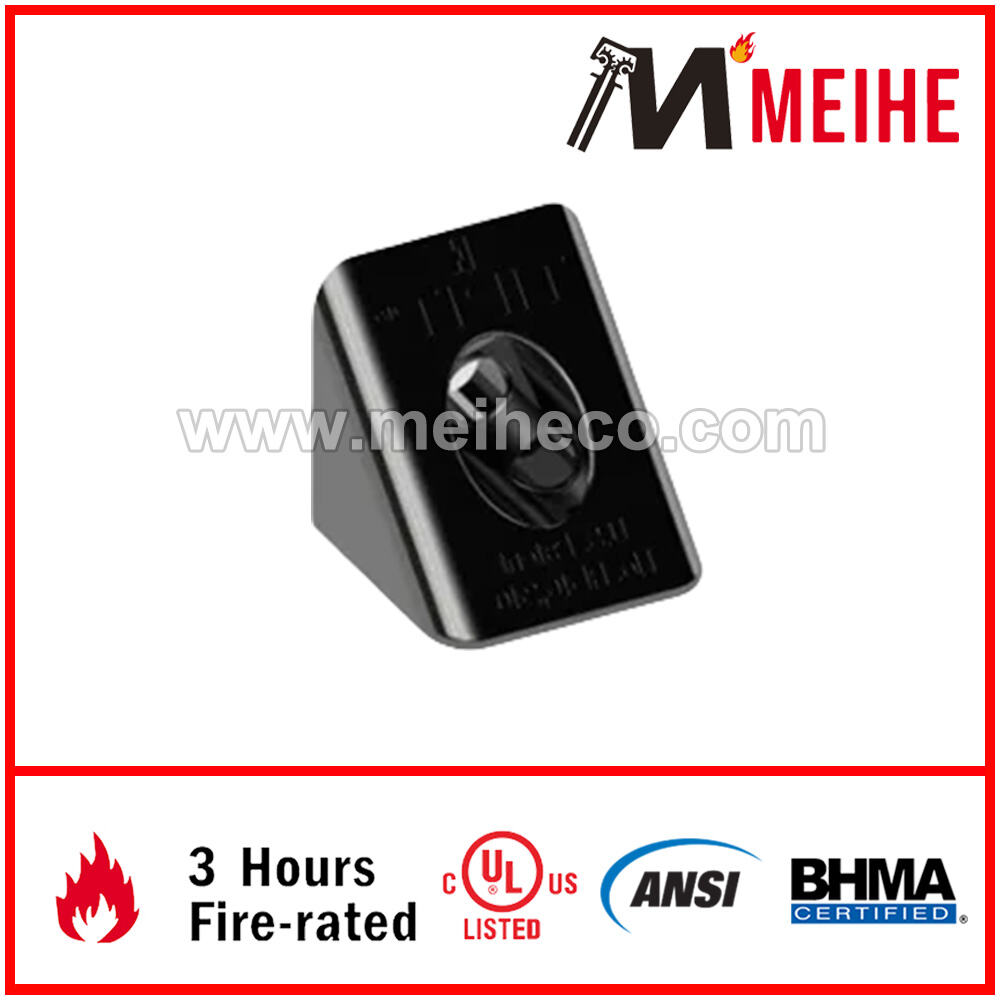
fire rated electric strike
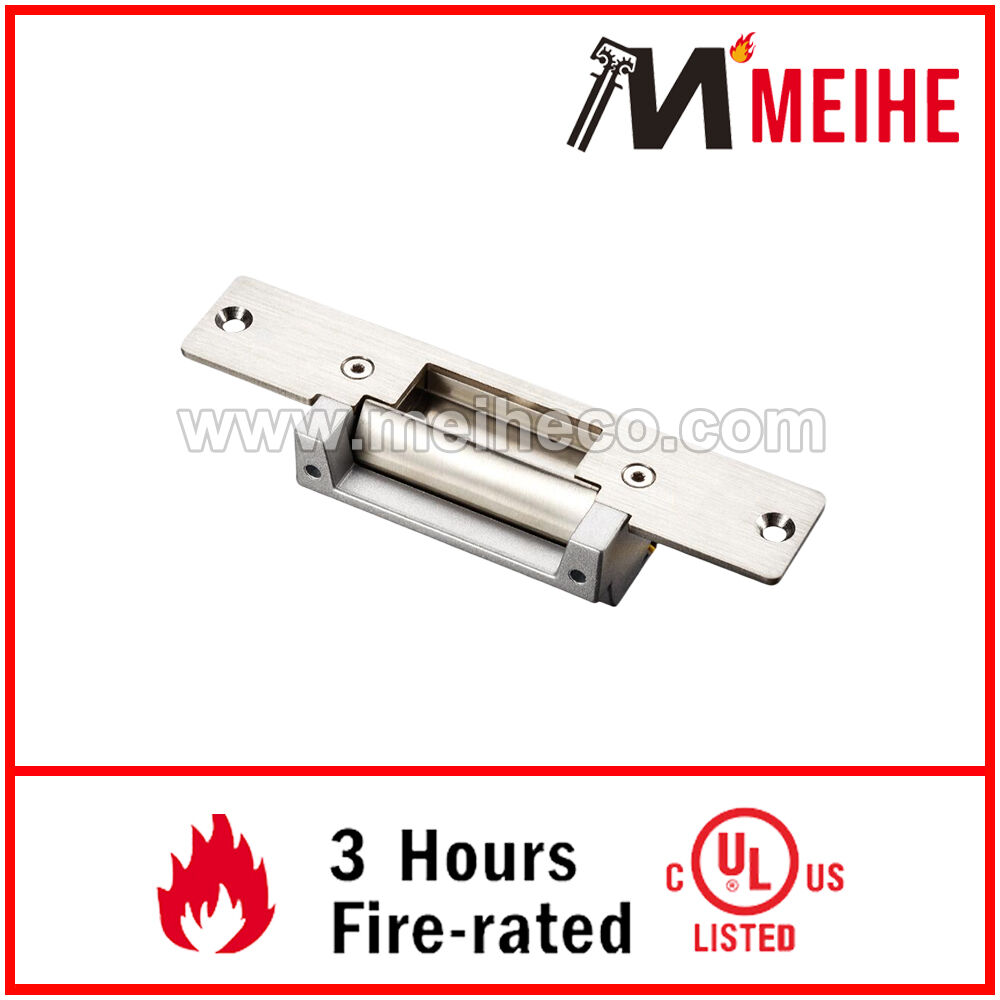
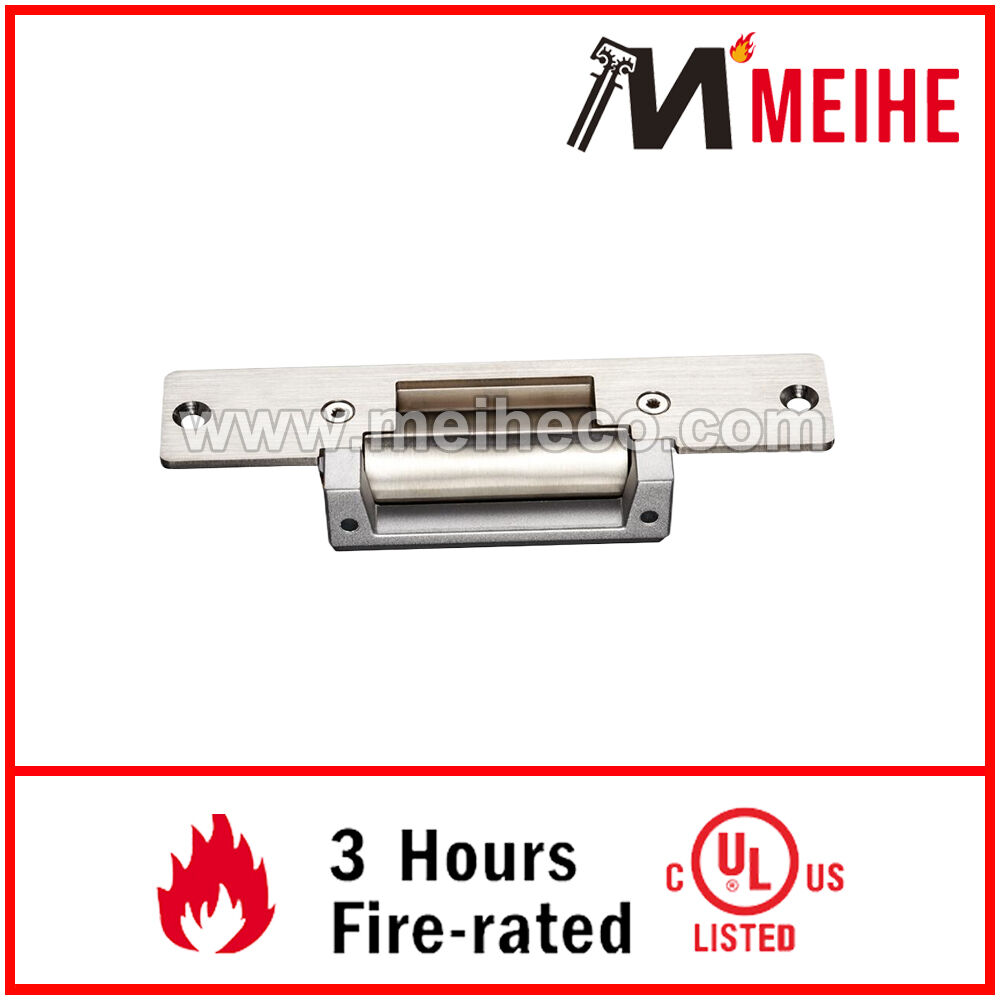
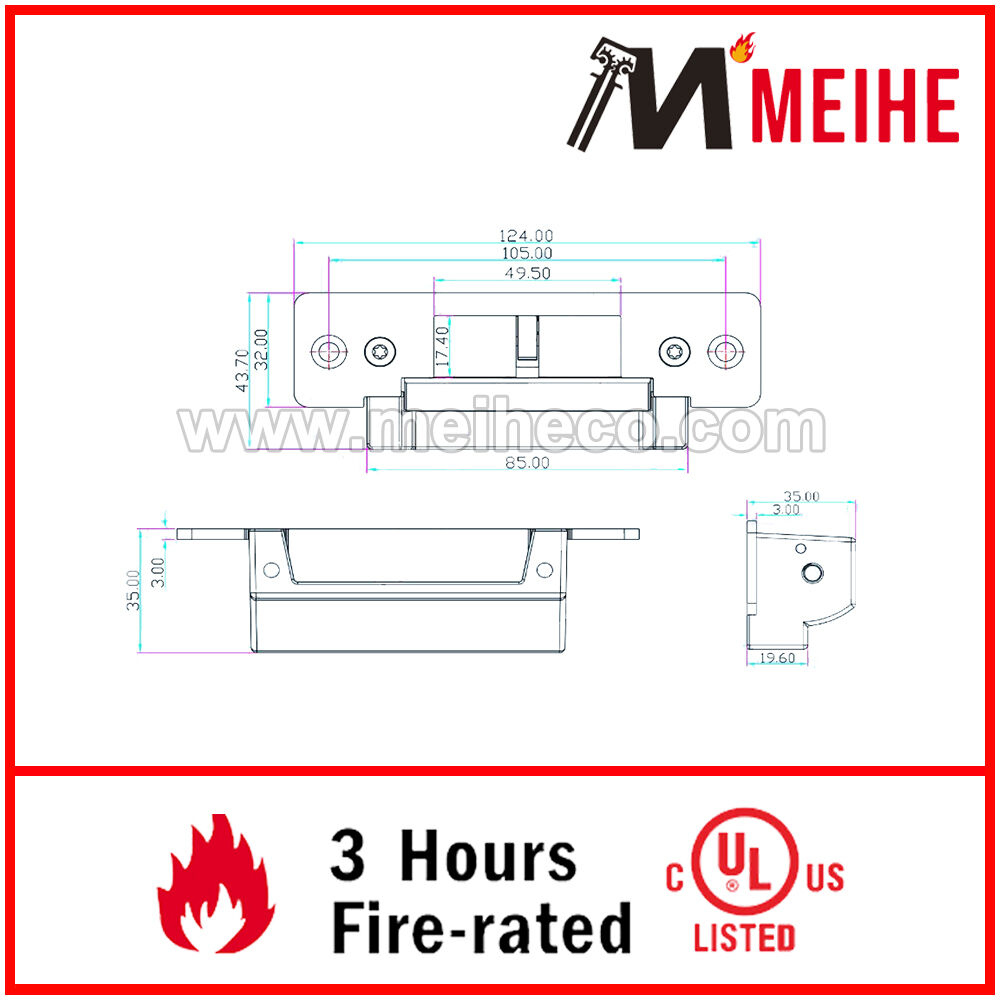
A fire rated electric strike represents a critical security component designed to maintain door access control while preserving fire safety integrity. This sophisticated device combines electronic access control functionality with fire-resistant properties, ensuring buildings meet both security and fire safety requirements. The fire rated electric strike operates by electrically releasing the door latch mechanism when activated by an access control system, card reader, or keypad entry. During normal operation, the strike securely holds the door in place while allowing authorized personnel to gain entry through electronic signals. When a fire emergency occurs, the fire rated electric strike automatically releases to ensure safe evacuation routes remain accessible. The device integrates seamlessly with existing door hardware and fire detection systems, providing dual functionality without compromising either security or safety protocols. Advanced fire rated electric strikes feature fail-safe operation modes that prioritize life safety during emergencies. The technology incorporates heat-sensitive components that respond to elevated temperatures, ensuring doors unlock automatically when fire conditions are detected. Modern units include LED status indicators, adjustable timing controls, and compatibility with various voltage systems ranging from 12V to 24V DC. The construction typically involves fire-resistant materials and specialized coatings that maintain structural integrity under extreme heat conditions. Installation flexibility allows the fire rated electric strike to work with different door types, including wooden, metal, and composite materials. The device supports both fail-safe and fail-secure configurations, depending on building requirements and local fire codes. Quality fire rated electric strikes undergo rigorous testing to meet international fire safety standards, including UL listings and fire rating certifications. These units provide reliable operation in demanding environments while maintaining the essential balance between access control and emergency egress requirements for modern building safety systems.
 ×
×



 EN
EN