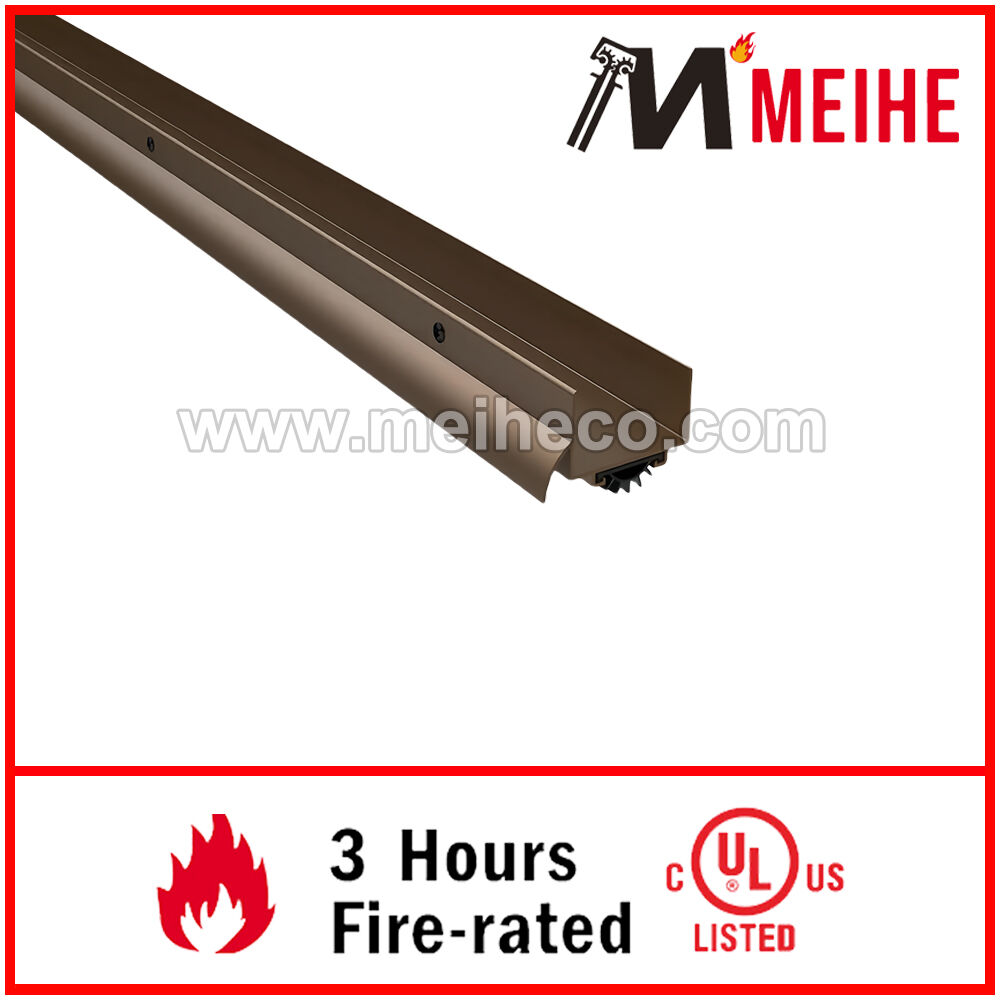
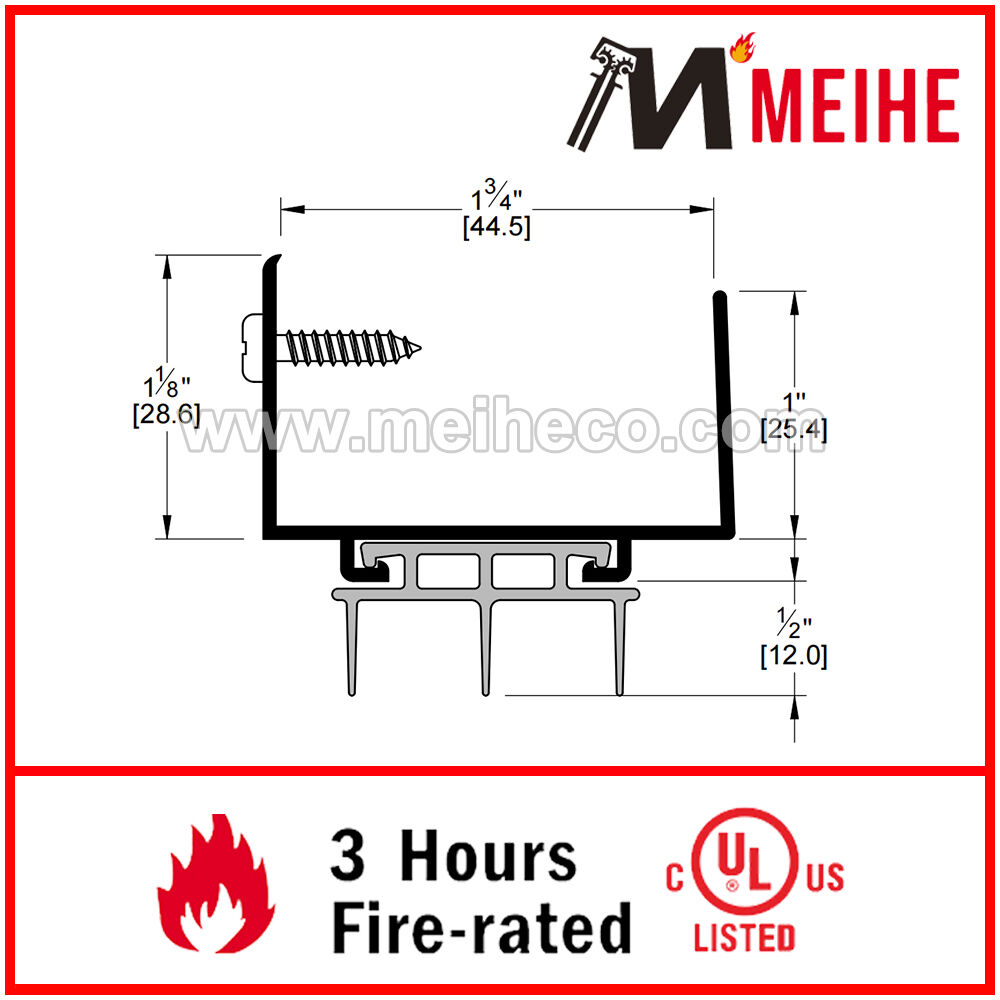
door bottom seal rubber strip
A door bottom seal rubber strip represents an essential weatherproofing solution designed to eliminate gaps beneath doors while providing superior protection against environmental elements. This specialized sealing component consists of high-grade rubber materials engineered to compress and expand according to door movement, creating an effective barrier against air infiltration, moisture penetration, dust accumulation, and noise transmission. The door bottom seal rubber strip features advanced polymer compounds that maintain flexibility across extreme temperature variations while resisting wear from constant friction and compression cycles. Modern manufacturing techniques produce these strips with precision-molded profiles that ensure consistent performance and longevity. The primary function of a door bottom seal rubber strip involves creating an airtight seal when the door closes, preventing energy loss through gaps that commonly exist between door bottoms and floor surfaces. This sealing action significantly reduces heating and cooling costs by maintaining interior climate control efficiency. Additionally, the door bottom seal rubber strip serves as a moisture barrier, protecting interior spaces from water damage during heavy rainfall or floor cleaning activities. The strip's design incorporates multiple sealing lips or bulbs that conform to irregular floor surfaces, ensuring comprehensive coverage even on uneven substrates. Installation versatility allows the door bottom seal rubber strip to accommodate various door types, including residential entry doors, commercial fire doors, garage doors, and industrial overhead doors. The technological features include UV-resistant formulations that prevent degradation from sunlight exposure, antimicrobial additives that inhibit mold and mildew growth, and flame-retardant properties that meet building code requirements. Manufacturing standards ensure each door bottom seal rubber strip maintains dimensional stability while providing consistent compression force distribution across the entire sealing surface. Quality control processes verify durability through accelerated aging tests and repeated compression cycles that simulate years of normal usage conditions.
 ×
×


 EN
EN