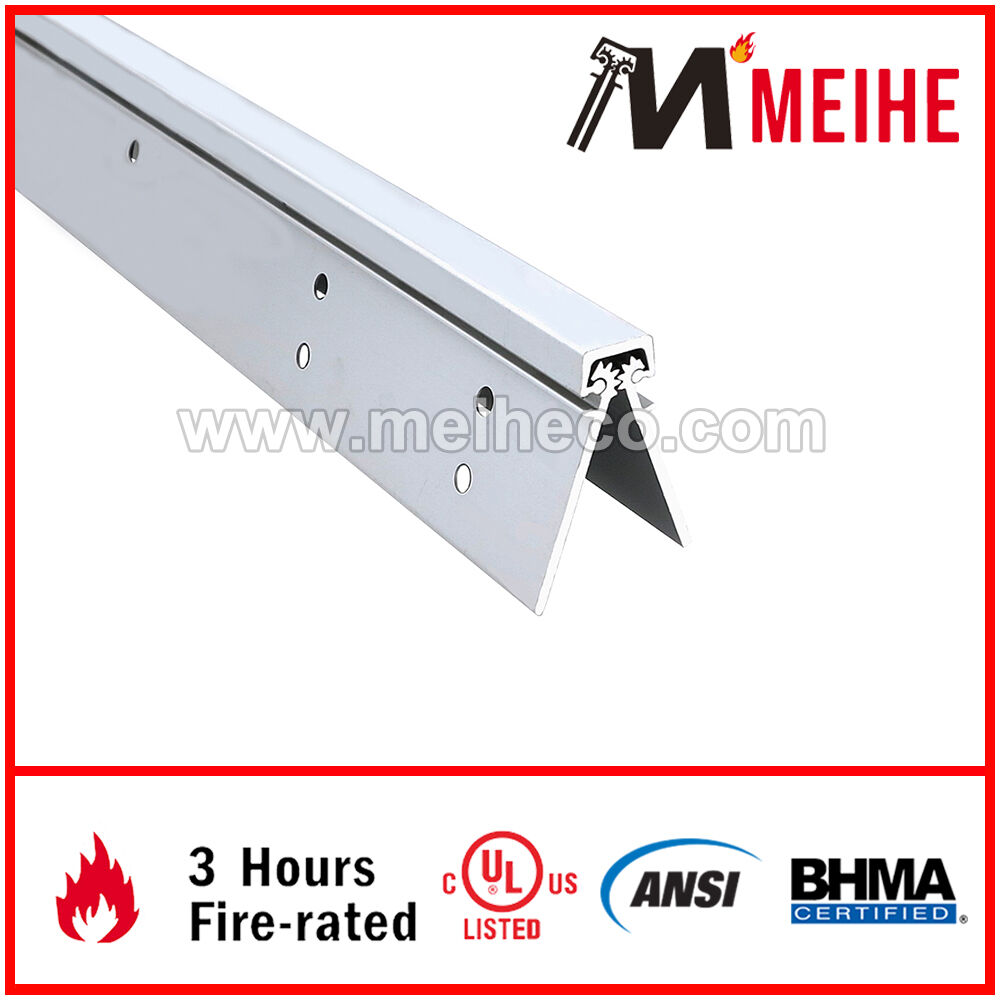
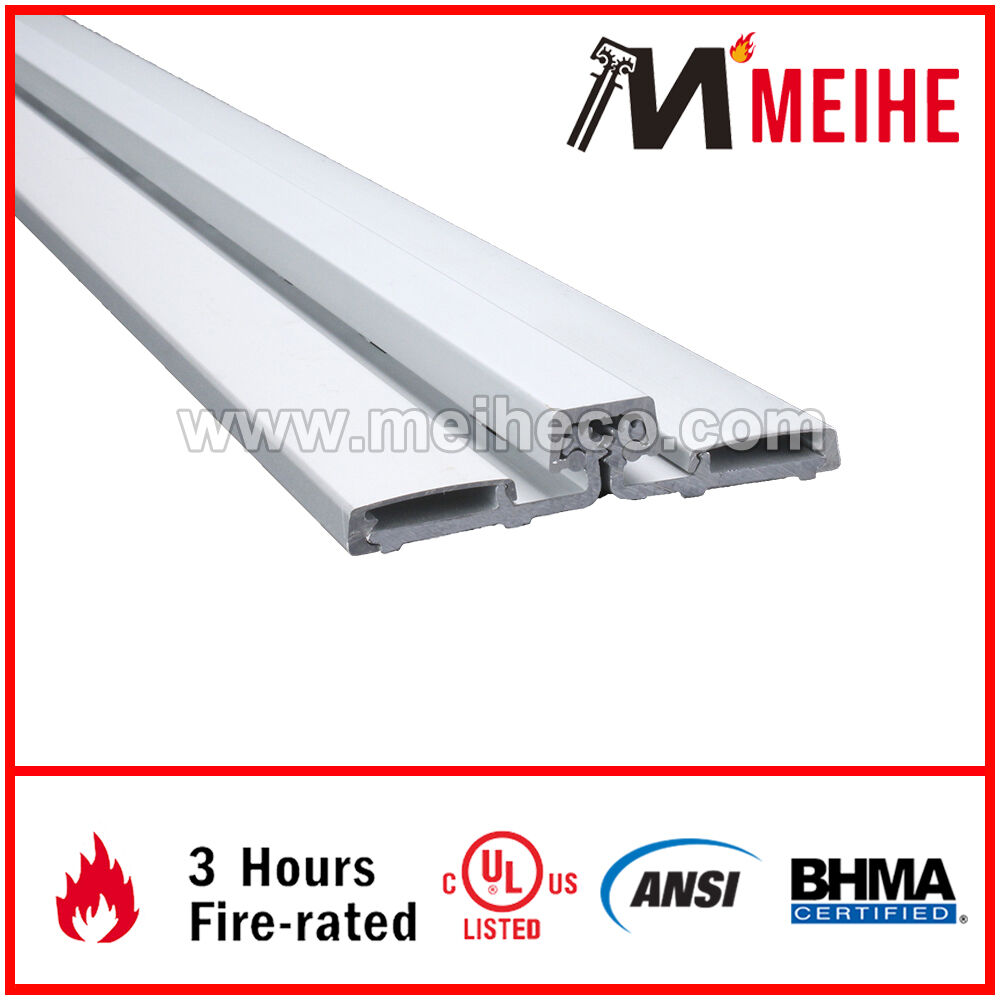
door bottom automatic seal
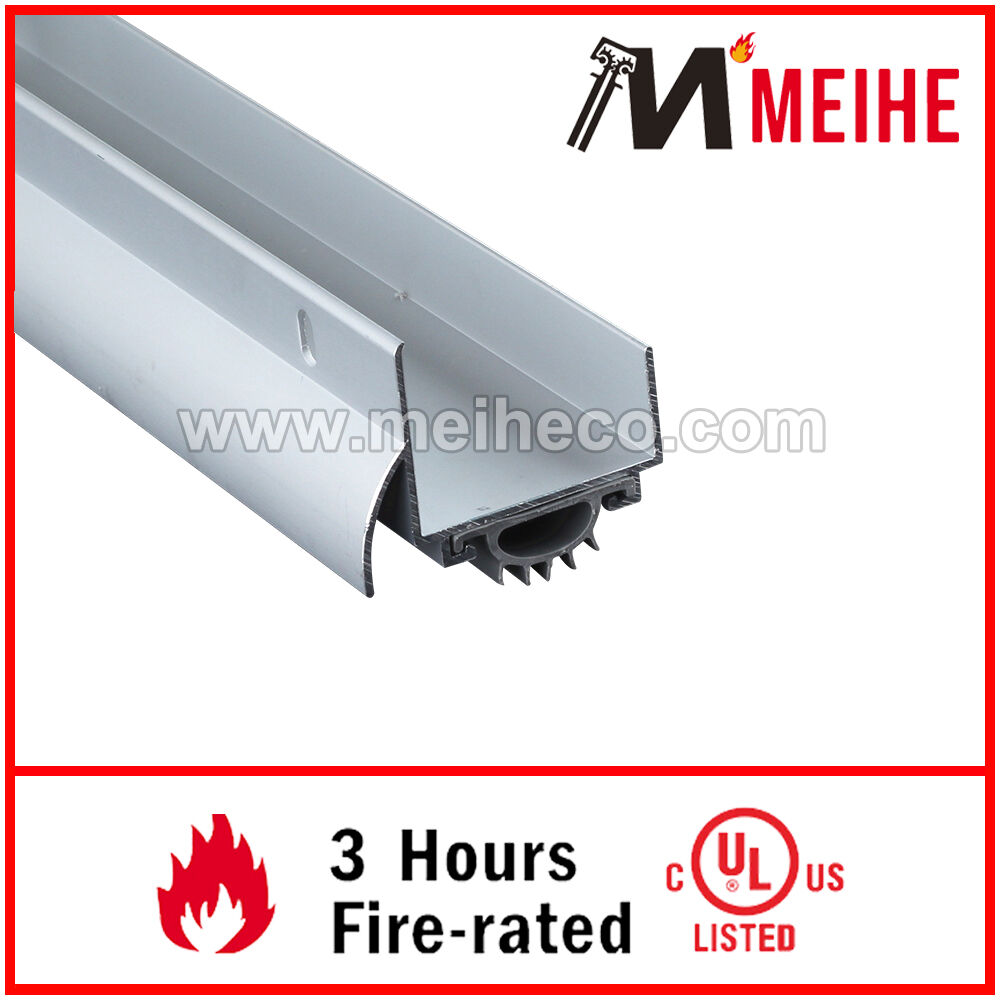
A door bottom automatic seal represents an innovative sealing solution designed to create an effective barrier against air infiltration, sound transmission, and environmental elements when doors are closed. This sophisticated mechanism operates through an automated system that engages when the door closes and retracts when opened, ensuring optimal performance without manual intervention. The door bottom automatic seal consists of a durable housing unit that mounts to the bottom rail of the door, containing a flexible sealing element that extends downward to contact the floor threshold upon door closure. The primary functions of this advanced sealing system include preventing air leakage, reducing energy costs, minimizing sound transmission between spaces, and blocking dust, insects, and moisture from entering through door gaps. Technologically, the door bottom automatic seal incorporates precision-engineered components including spring-loaded mechanisms, adjustable sealing strips, and robust mounting hardware designed for long-term reliability. The sealing element typically features high-quality materials such as silicone, EPDM rubber, or specialized polymers that maintain flexibility across varying temperature conditions while resisting wear and environmental degradation. Installation applications span residential, commercial, and institutional buildings where climate control, acoustic privacy, and energy efficiency are priorities. Common deployment scenarios include office buildings, hospitals, schools, recording studios, conference rooms, and residential homes seeking enhanced comfort and reduced utility expenses. The door bottom automatic seal adapts to various door types including wood, metal, and composite materials, with adjustable configurations accommodating different threshold heights and floor surfaces. Modern versions incorporate refined activation mechanisms that respond to door position changes, ensuring consistent sealing performance while minimizing mechanical stress on components. This technology addresses the critical gap area beneath doors that traditional weatherstripping often fails to seal effectively, providing comprehensive perimeter protection that enhances building performance and occupant comfort significantly.
 ×
×


 EN
EN