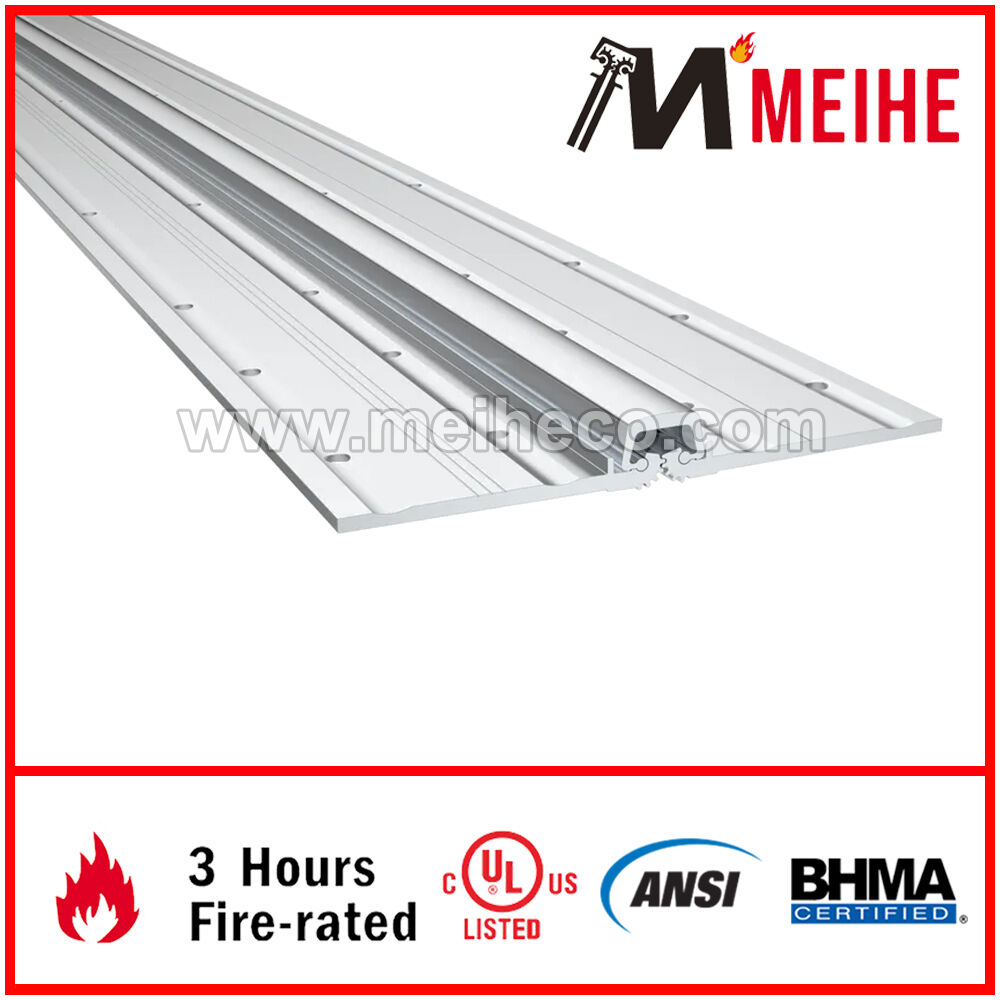
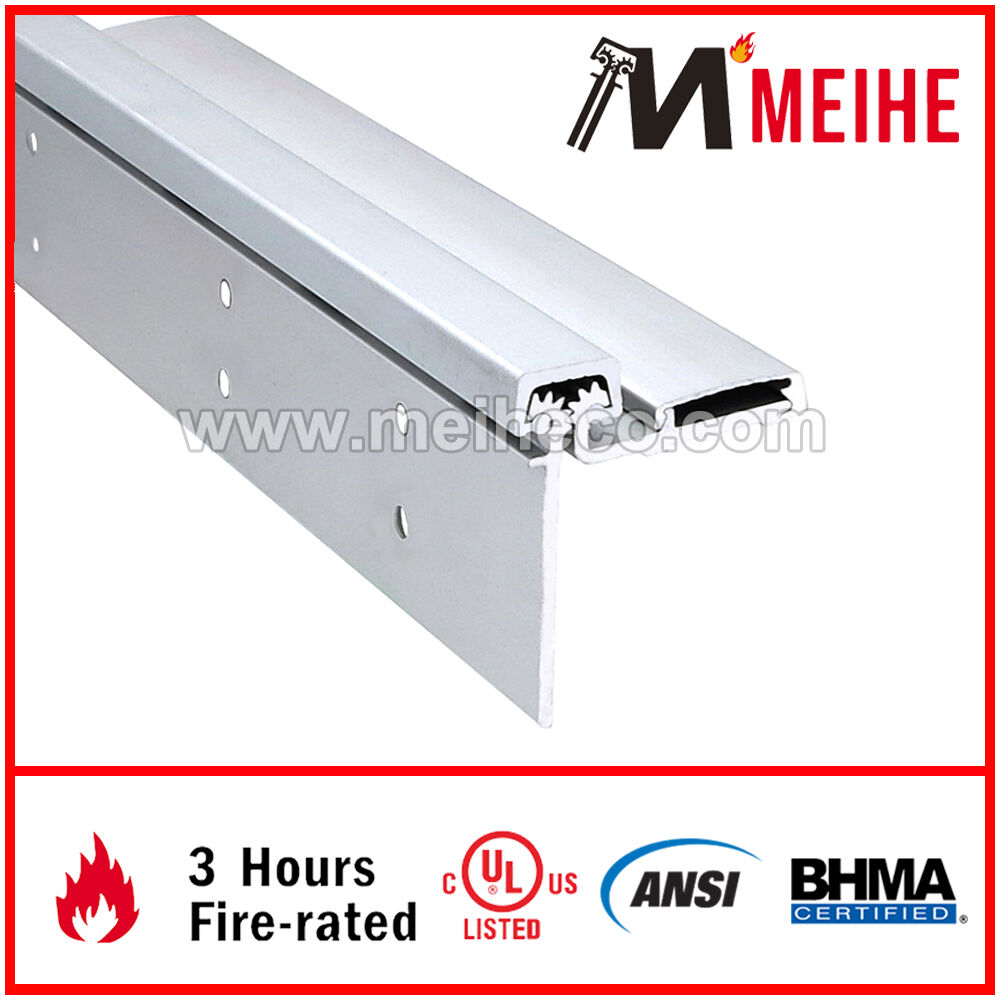
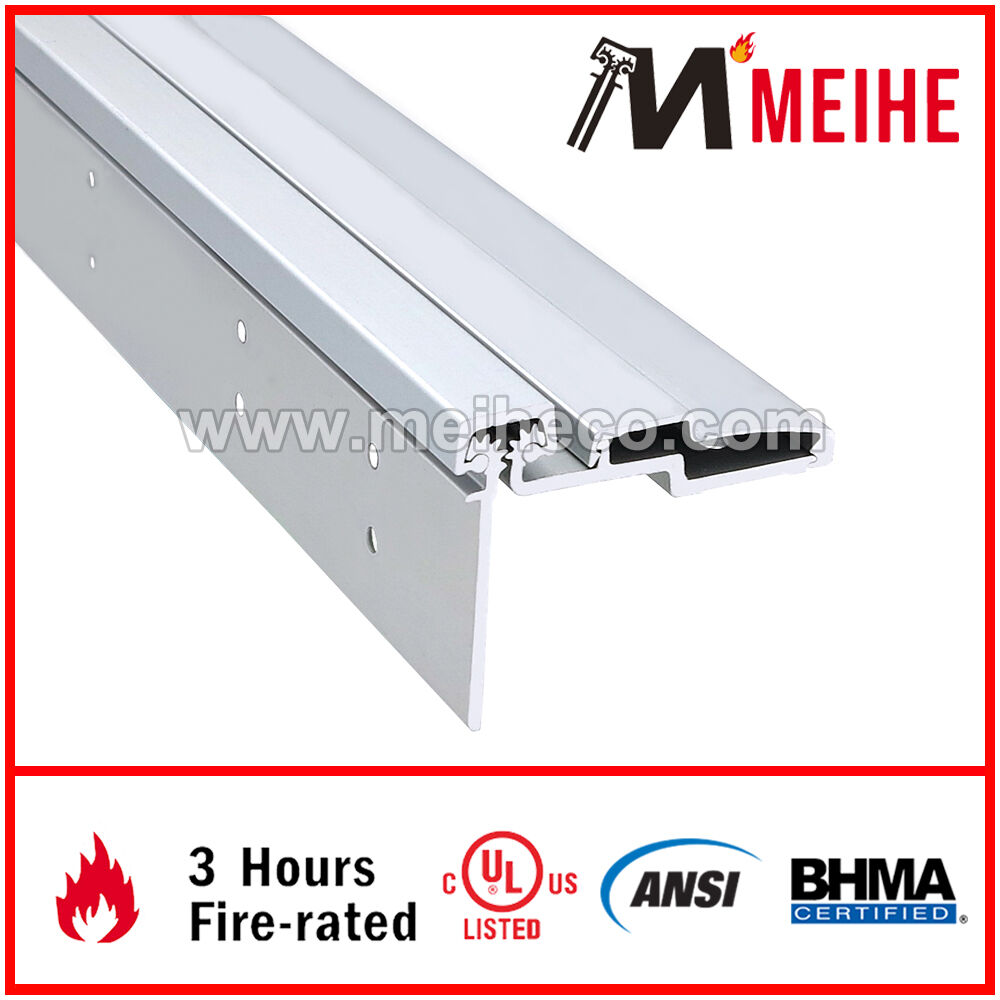
anti ligature continuous hinge
The anti ligature continuous hinge represents a revolutionary safety solution designed specifically for environments where self-harm prevention is paramount. This specialized hardware component combines the functionality of traditional continuous hinges with advanced anti ligature technology, creating a seamless door operation system that eliminates potential anchor points for harmful activities. Unlike conventional hinges that feature protruding elements or gaps where objects can be attached, the anti ligature continuous hinge maintains a smooth, uninterrupted surface profile that denies any opportunity for ligature attachment. The technological foundation of this hinge system relies on precision engineering that integrates the hinge mechanism within a protective housing, ensuring complete concealment of moving parts while maintaining optimal door functionality. The anti ligature continuous hinge features a streamlined design that extends along the entire door edge, distributing weight evenly and providing superior structural integrity compared to standard hinge configurations. Manufacturing processes involve specialized materials selection, typically incorporating stainless steel or aluminum alloys that resist tampering and provide long-term durability in demanding institutional environments. The hinge operates through a sophisticated cam mechanism that allows smooth door movement while preventing access to internal components that could be manipulated or damaged. Installation procedures for the anti ligature continuous hinge follow strict guidelines to ensure proper integration with door frames and surrounding architectural elements, maintaining the safety profile throughout the entire door assembly. Quality control measures during production include rigorous testing protocols that verify the hinge's resistance to force application and attempted manipulation. Applications for this specialized hardware span across multiple sectors including healthcare facilities, correctional institutions, behavioral health centers, educational facilities, and residential care environments where occupant safety requires constant vigilance against self-harm incidents.
 ×
×


 EN
EN