
 EN
EN



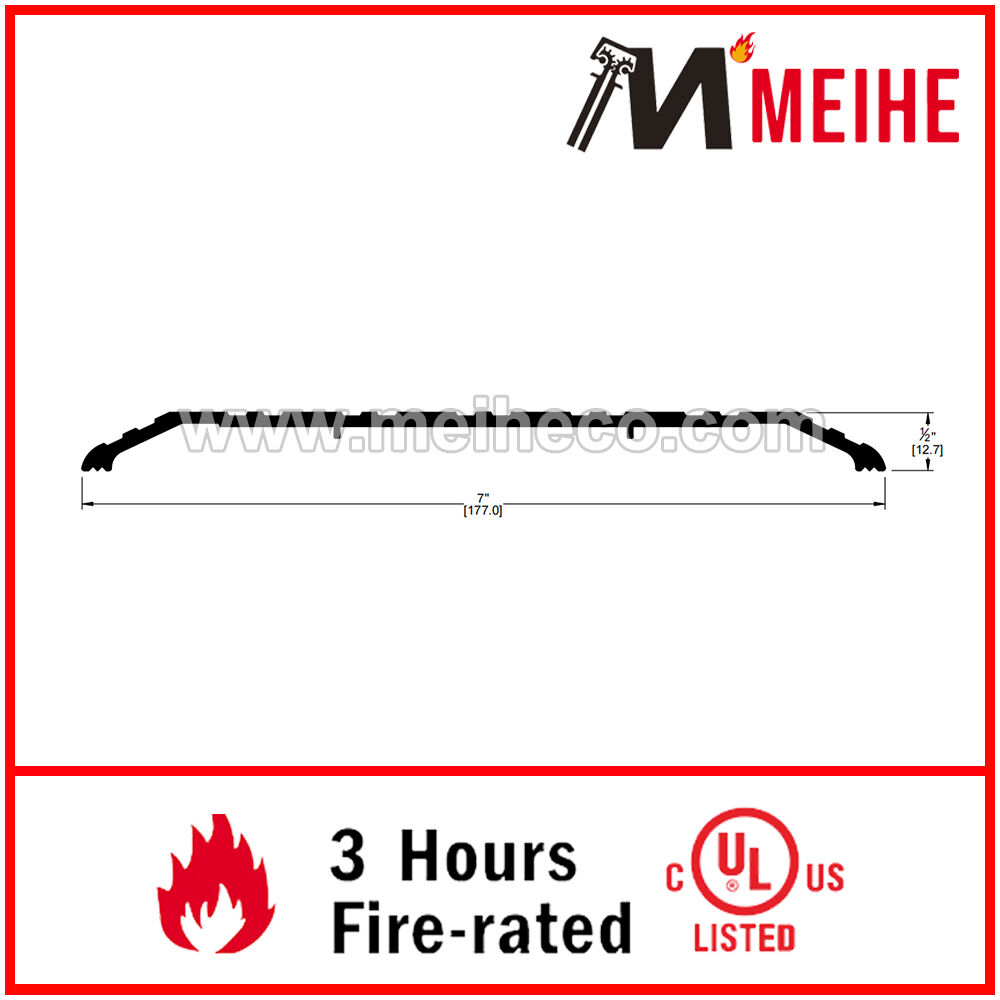
Heavy exterior doors present unique challenges when selecting the appropriate door threshold system. Commercial buildings, industrial facilities, and high-traffic residential properties require robust door threshold solutions that can withstand constant use while maintaining structural integrity and weatherproofing capabilities.
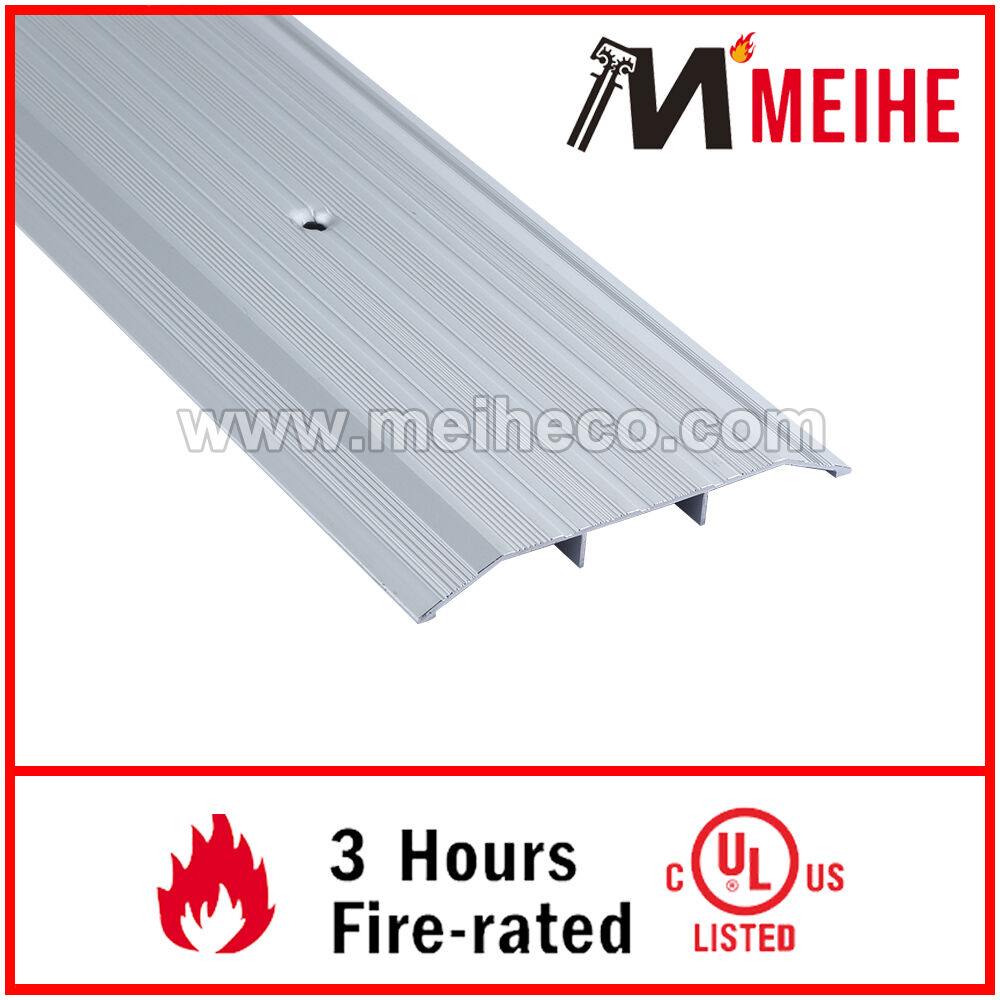
The selection process involves evaluating multiple factors including door weight, environmental conditions, traffic patterns, and long-term durability requirements. Understanding these considerations ensures optimal performance and cost-effectiveness for any heavy door installation.
Understanding Heavy Door Threshold Requirements
Weight Distribution and Load Bearing
Heavy exterior doors typically range from 150 to 400 pounds, creating substantial stress on the door threshold during opening and closing cycles. The threshold must distribute this weight evenly across the floor structure to prevent cracking or settling. Proper load distribution also extends the lifespan of both the door hardware and the surrounding frame components.
Commercial applications often involve doors that experience hundreds of opening cycles daily, amplifying the importance of robust threshold construction. The door threshold material must resist compression while maintaining dimensional stability under varying temperature conditions.
Weatherproofing and Seal Integrity
Heavy exterior doors require superior weatherproofing capabilities to prevent water infiltration, air leakage, and energy loss. The door threshold serves as the primary barrier against moisture penetration at the bottom of the door assembly. Integrated drainage channels and compression seals work together to maintain building envelope integrity.
Temperature fluctuations can cause expansion and contraction in door threshold materials, potentially compromising seal effectiveness. High-quality thresholds incorporate flexible gaskets and adjustable components to accommodate these movements while preserving weatherproof performance.
Material Selection for Heavy Duty Applications
Aluminum Alloy Construction
Aluminum door threshold systems offer excellent strength-to-weight ratios and superior corrosion resistance for heavy exterior door applications. Extruded aluminum profiles can be engineered with specific geometries to optimize load distribution and weatherproofing performance. The material naturally resists rust and maintains structural integrity in challenging environmental conditions.
Advanced aluminum door threshold designs incorporate thermal breaks to minimize heat transfer and condensation formation. These features are particularly important in climate-controlled buildings where energy efficiency is a priority. Aluminum thresholds can be anodized or powder-coated to match architectural finishes while providing additional surface protection.
Stainless Steel Solutions
Stainless steel door threshold options provide maximum durability for extreme heavy-duty applications. The material's inherent strength allows for thinner profile designs while maintaining superior load-bearing capacity. Stainless steel naturally resists corrosion, making it ideal for coastal environments or industrial facilities with aggressive atmospheric conditions.
The higher material cost of stainless steel door threshold systems is often justified by extended service life and minimal maintenance requirements. These thresholds can withstand impact damage and maintain their appearance even under severe operating conditions.
Installation Considerations for Heavy Doors
Structural Support and Anchoring
Proper installation of heavy door threshold systems requires careful attention to structural support and anchoring methods. The underlying floor structure must be capable of supporting concentrated loads without deflection or settling. Concrete floors may require reinforcement or specialized anchor systems to ensure long-term stability.
Installation procedures should include provisions for thermal expansion and contraction of the door threshold assembly. Expansion joints and flexible sealants accommodate building movement while maintaining weatherproof integrity. Professional installation ensures proper alignment with door sweep systems and drainage components.
Drainage and Water Management
Heavy door installations in exterior applications must incorporate effective water management systems within the door threshold design. Integrated drainage channels direct water away from the building interior while preventing pooling around the threshold area. Sloped surfaces and weep holes facilitate rapid water evacuation during storm events.
Proper drainage prevents ice formation in freezing climates, which could interfere with door operation or damage threshold components. Regular maintenance of drainage features ensures continued effectiveness throughout the threshold's service life.
Performance Testing and Standards
Load Testing Protocols
Heavy duty door threshold systems undergo rigorous testing to verify their load-bearing capacity and durability under simulated operating conditions. Standard test protocols evaluate static load resistance, dynamic cycling performance, and impact resistance. These tests ensure that door threshold products meet or exceed specified performance requirements.
Independent testing laboratories conduct standardized evaluations using calibrated equipment and controlled environmental conditions. Test results provide quantifiable data for comparing different door threshold options and selecting the most appropriate solution for specific applications.
Environmental Resistance Standards
Door threshold systems for heavy exterior doors must demonstrate resistance to environmental factors including UV radiation, temperature cycling, and moisture exposure. Accelerated aging tests simulate years of service in compressed timeframes to evaluate long-term performance characteristics.
Compliance with industry standards ensures that door threshold products perform consistently across different climatic conditions and installation environments. These standards also facilitate specification development and quality control processes for construction projects.
Cost Considerations and Value Analysis
Initial Investment vs Long-term Value
While premium door threshold systems may require higher initial investment, the long-term value proposition often favors quality construction over lower-cost alternatives. Heavy duty thresholds reduce maintenance requirements, minimize replacement frequency, and prevent costly building damage from water infiltration or structural failure.
Life cycle cost analysis should consider factors including material durability, maintenance requirements, energy performance, and potential replacement costs. High-quality door threshold systems often provide superior return on investment through reduced operational expenses and extended service life.
Maintenance and Replacement Factors
Regular maintenance requirements vary significantly between different door threshold materials and designs. Premium systems typically require minimal maintenance beyond periodic cleaning and seal inspection. Lower-cost alternatives may require frequent adjustments, seal replacements, or complete threshold replacement within a few years of installation.
Replacement complexity and associated costs should be evaluated during the initial selection process. Some door threshold designs allow for component replacement without removing the entire assembly, reducing future maintenance costs and building disruption.
Application-Specific Recommendations
Commercial and Institutional Buildings
Commercial buildings with heavy exterior doors benefit from door threshold systems designed for high-traffic applications. These installations typically require compliance with accessibility standards while maintaining superior durability and weather resistance. Integrated lighting or safety features may be incorporated into specialized threshold designs.
Institutional facilities such as hospitals and schools require door threshold solutions that support frequent cleaning protocols and resist damage from wheeled equipment. Antimicrobial surface treatments and seamless construction details facilitate maintenance of hygienic conditions.
Industrial and Warehouse Facilities
Industrial facilities often subject door threshold systems to extreme conditions including chemical exposure, heavy equipment traffic, and rapid temperature changes. Specialized door threshold designs incorporate chemical-resistant materials and reinforced construction to withstand these challenging operating environments.
Warehouse applications may require door threshold systems that accommodate forklift traffic while maintaining effective weather sealing. Low-profile designs minimize trip hazards while providing robust protection against environmental infiltration.
FAQ
What weight capacity should I look for in a heavy door threshold
Heavy door threshold systems should be rated for at least 150% of the actual door weight to provide adequate safety margin. Most commercial applications require thresholds capable of supporting 200-400 pounds, while industrial applications may require higher capacities. Consult manufacturer specifications and consider dynamic loading from door operation when selecting weight ratings.
How do I prevent water infiltration with heavy exterior doors
Effective water management requires a door threshold system with integrated drainage channels, proper slope away from the building interior, and compatible weather seals. The threshold should work in conjunction with door sweeps and frame weatherstripping to create a complete moisture barrier. Regular maintenance of drainage features and seal replacement ensures continued protection.
Can I install a heavy door threshold on existing flooring
Installation feasibility depends on the existing floor structure and door threshold design. Some systems can be surface-mounted with appropriate anchoring, while others require recessed installation. Structural evaluation may be necessary to ensure adequate support for heavy door loads. Professional installation is recommended to ensure proper performance and compliance with building codes.
What maintenance is required for heavy duty door thresholds
Routine maintenance includes cleaning drainage channels, inspecting weather seals for wear or damage, and verifying proper door alignment. Most quality door threshold systems require minimal maintenance beyond annual inspections and periodic seal replacement. Heavy traffic applications may require more frequent monitoring of wear patterns and component condition.