
 EN
EN



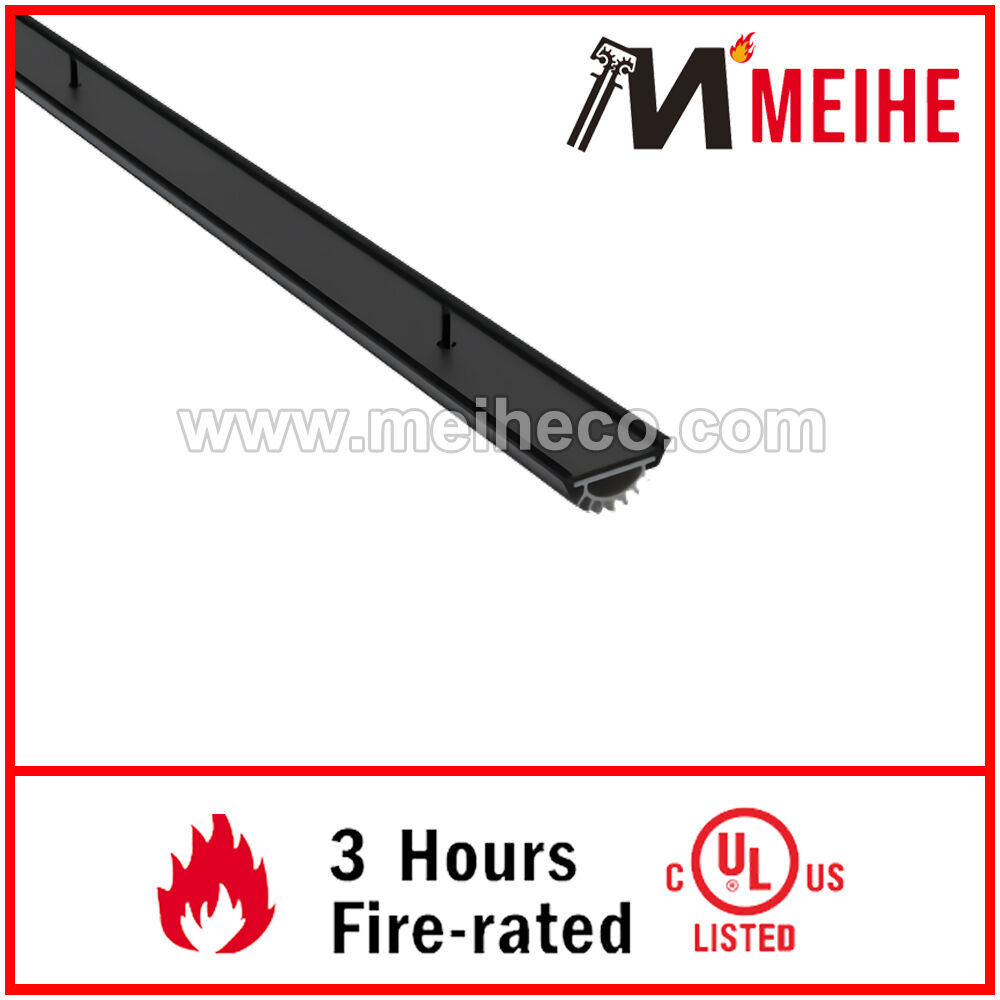
Modern offices face an ongoing challenge with noise pollution that significantly impacts productivity and employee well-being. Sound management has become a critical consideration for facility managers and office designers who understand that acoustic comfort directly correlates with workplace efficiency. Among the various sound insulation solutions available, installing a door sweep represents one of the most cost-effective and practical approaches to reducing unwanted noise transmission between office spaces.
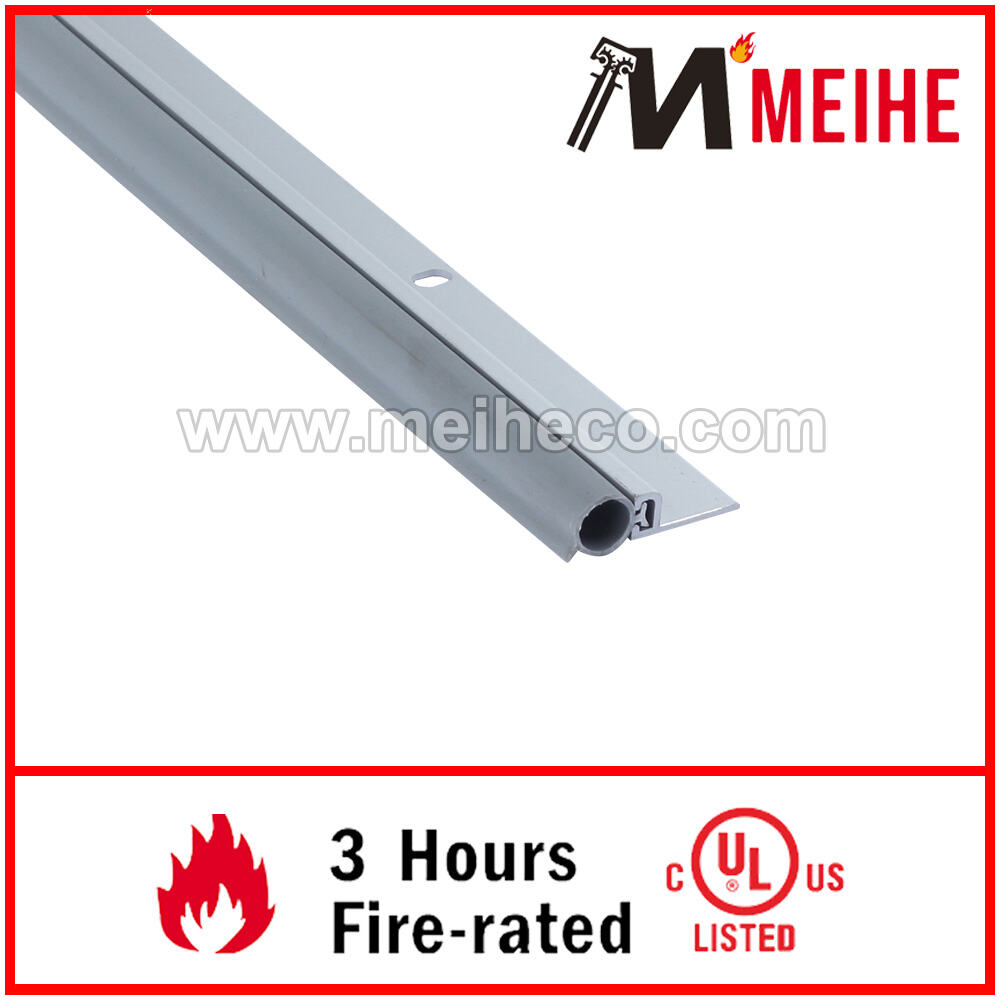
The gap beneath office doors creates a direct pathway for sound waves to travel from one room to another, undermining the acoustic barriers that walls and doors are designed to provide. A properly installed door sweep creates an effective seal that blocks these sound transmission routes while maintaining the door's operational functionality. This simple yet ingenious solution addresses a fundamental weakness in standard door installations that many facilities overlook.
Professional acoustic consultants consistently recommend door sweep installation as a primary intervention for improving office sound insulation. The science behind this recommendation lies in understanding how sound waves behave in enclosed spaces and the critical role that air gaps play in sound transmission. When sound waves encounter a physical barrier like a door, they naturally seek the path of least resistance, which typically leads them through the gap at the bottom of the door frame.
Understanding Sound Transmission in Office Environments
Physics of Sound Wave Movement
Sound transmission occurs when vibrations travel through air molecules and solid materials, seeking pathways that offer minimal resistance. In office environments, these pathways include door gaps, window frames, ventilation systems, and structural connections between rooms. The door sweep functions as a physical barrier that disrupts the normal flow of sound waves through the most common transmission route beneath doors.
The effectiveness of sound insulation depends on eliminating air gaps and creating continuous barriers that prevent sound wave propagation. Even small openings can significantly compromise the acoustic performance of an otherwise well-sealed space. A door sweep addresses this vulnerability by creating a flexible seal that maintains contact with the floor surface while allowing normal door operation.
Impact of Air Gaps on Acoustic Performance
Research demonstrates that air gaps as small as one percent of a door's total area can reduce its sound insulation effectiveness by up to fifty percent. This dramatic reduction occurs because sound waves naturally concentrate and amplify when forced through small openings. The door sweep eliminates these concentrated transmission points by creating a continuous barrier along the door's bottom edge.
Office spaces with untreated door gaps experience significantly higher levels of noise interference, leading to reduced concentration, increased stress levels, and decreased overall productivity. The installation of a quality door sweep can reduce sound transmission by ten to fifteen decibels, which represents a substantial improvement in acoustic comfort for office occupants.
Types and Materials of Door Sweeps
Brush-Style Door Sweeps
Brush-style door sweep designs utilize dense synthetic bristles to create a flexible barrier that conforms to irregular floor surfaces. These systems excel in applications where the floor surface varies in height or texture, as the bristles can accommodate minor imperfections while maintaining an effective seal. The bristle material typically consists of polypropylene or nylon fibers that resist wear and maintain their sealing properties over extended use periods.
The acoustic performance of brush-style door sweeps depends on bristle density and length, with higher density configurations providing superior sound blocking capabilities. Professional installers often prefer brush systems for their versatility and ability to maintain effectiveness even as floor surfaces change over time due to wear or cleaning procedures.
Rubber and Vinyl Door Sweeps
Rubber and vinyl door sweep materials offer excellent acoustic sealing properties combined with durability and resistance to environmental factors. These materials create consistent contact with floor surfaces and maintain their shape and effectiveness over many years of use. The flexibility of rubber and vinyl allows the door sweep to compress and expand as needed while preserving the integrity of the acoustic seal.
Modern rubber door sweep formulations incorporate advanced polymers that resist cracking, tearing, and environmental degradation. These materials maintain their acoustic properties across a wide range of temperatures and humidity levels, making them suitable for various office environments including spaces with fluctuating climate conditions.
Installation Considerations for Office Applications
Measuring and Fitting Requirements
Proper door sweep installation begins with accurate measurement of the door width and assessment of the gap between the door bottom and floor surface. The door sweep must provide consistent contact across the entire door width while accommodating normal door operation without binding or excessive friction.
Professional installers evaluate floor surface conditions to determine the appropriate door sweep profile and material selection. Uneven floors may require adjustable systems that can compensate for height variations, while smooth surfaces allow for more rigid configurations that provide optimal acoustic performance.
Integration with Existing Door Hardware
Office door sweep installation must consider existing hardware configurations including hinges, locks, and automatic closing mechanisms. The added weight and bulk of the door sweep can affect door balance and closing force requirements, particularly in doors equipped with automatic closure systems. Proper planning ensures that the door sweep integration enhances rather than compromises overall door functionality.
Compatibility with door frame geometry and clearance requirements requires careful attention during the selection and installation process. Some door sweep designs require specific mounting configurations that may not be suitable for all door types or existing hardware arrangements.
Maintenance and Performance Optimization
Routine Care and Inspection
Maintaining optimal door sweep performance requires regular inspection and cleaning to prevent debris accumulation that can compromise the acoustic seal. Office environments generate dust, lint, and other particles that can build up along the door sweep surface and reduce its effectiveness over time. Scheduled cleaning protocols help preserve the door sweep's sound-blocking capabilities and extend its service life.
Inspection procedures should include checking for wear patterns, damage to sealing surfaces, and proper alignment with the floor. Early identification of performance issues allows for timely maintenance or replacement before acoustic performance degrades significantly.
Performance Enhancement Strategies
Optimizing door sweep acoustic performance often involves combining installation with other sound management strategies such as door frame sealing, wall treatment, and coordination with HVAC system design. The door sweep functions as part of a comprehensive approach to office sound management rather than a standalone solution.
Advanced installations may incorporate adjustable door sweep systems that allow for fine-tuning of the seal pressure and contact area. These systems provide superior long-term performance by accommodating changes in building settlement, floor wear, and seasonal variations in environmental conditions.
FAQ
How much sound reduction can a door sweep provide in typical office applications
A properly installed door sweep can reduce sound transmission by ten to fifteen decibels in typical office environments. This reduction represents a significant improvement in acoustic comfort and corresponds to roughly halving the perceived noise level for office occupants. The actual performance depends on door construction, installation quality, and the specific door sweep design selected.
What factors should be considered when selecting a door sweep for office use
Key selection factors include floor surface type, door weight and size, existing hardware configuration, and expected traffic levels. Office applications typically benefit from durable materials like rubber or high-density brush systems that can withstand frequent use while maintaining acoustic performance. Climate conditions and cleaning requirements also influence material selection.
How often should office door sweeps be replaced or maintained
Most quality door sweep installations require minimal maintenance beyond regular cleaning and periodic inspection. Replacement intervals typically range from three to seven years depending on usage patterns, material quality, and environmental conditions. Signs that replacement may be needed include visible wear, gaps in the seal, or increased noise transmission.
Can door sweeps be retrofitted to existing office doors without major modifications
Most door sweep systems are designed for retrofit installation and can be added to existing doors with minimal modification. Standard installations require only basic tools and can typically be completed without removing the door from its hinges. However, some door types or hardware configurations may require professional installation to ensure optimal performance and avoid interference with existing systems.
Table of Contents
- Understanding Sound Transmission in Office Environments
- Types and Materials of Door Sweeps
- Installation Considerations for Office Applications
- Maintenance and Performance Optimization
-
FAQ
- How much sound reduction can a door sweep provide in typical office applications
- What factors should be considered when selecting a door sweep for office use
- How often should office door sweeps be replaced or maintained
- Can door sweeps be retrofitted to existing office doors without major modifications